
 By Hannah Nielsen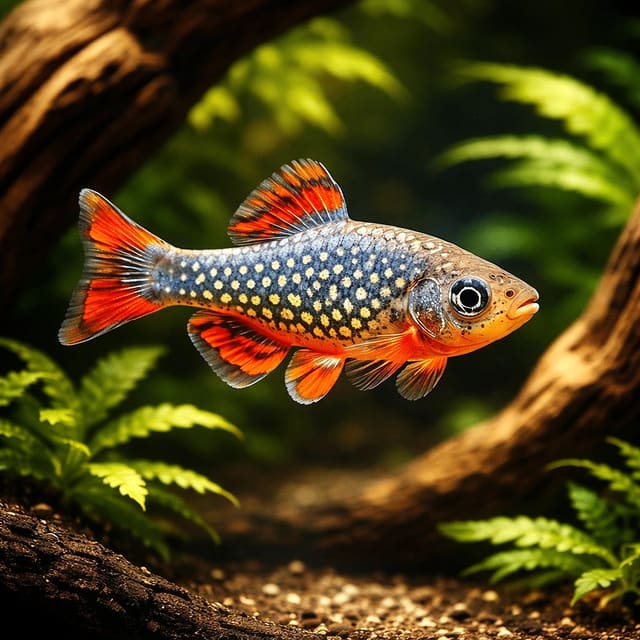
−13%
Easy
Celestial Pearl Danio (Danio margaritatus)
20–24°C · pH 6.5–7.5 · 45L
£11.30£12.99
Rasboras & Danios · Buying Guide
Galaxy rasbora (celestial pearl danio) for sale UK — care, tank size, tank mates and water for this jewel-spotted nano fish. Live stock, live arrival guarantee.
7 products in stock today
Live prices and stock. Every fish covered by our Live Arrival Guarantee.
20–24°C · pH 6.5–7.5 · 45L
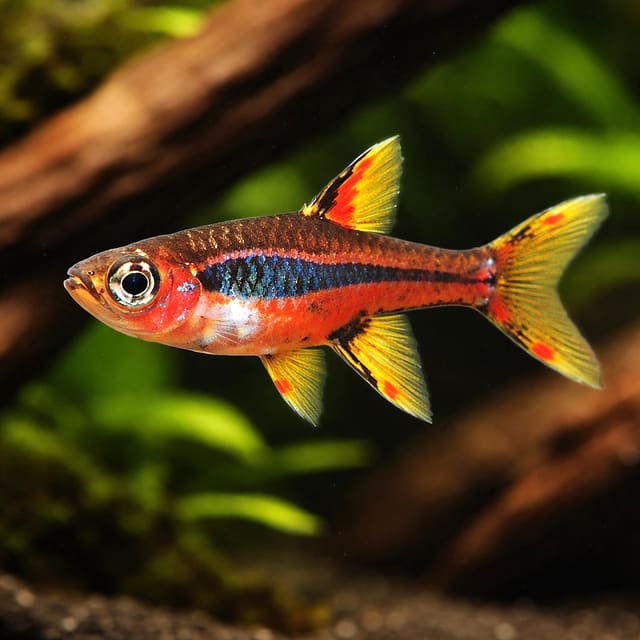
24–28°C · pH 4–7 · 20L
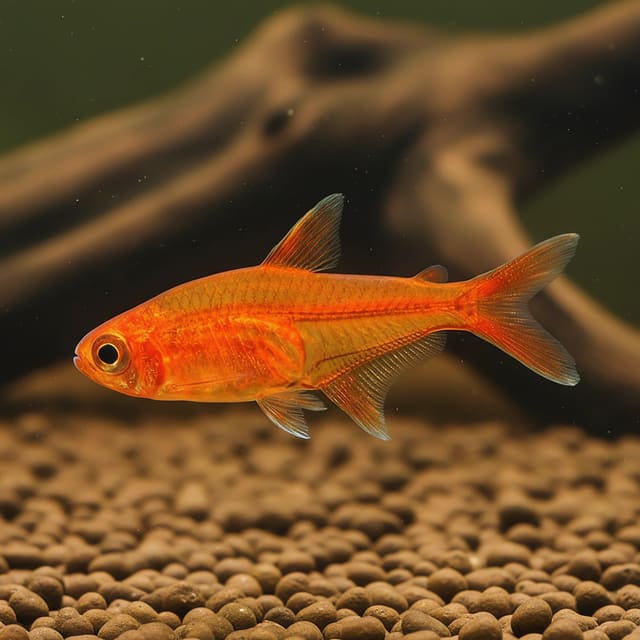
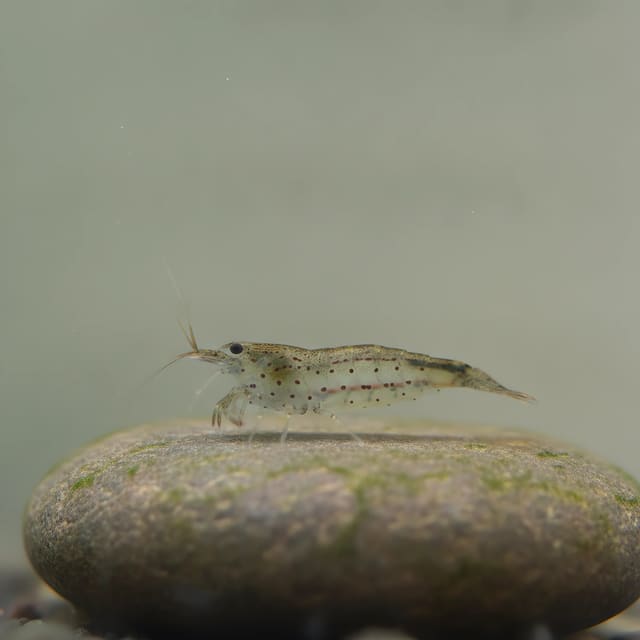
18–28°C · pH 6.5–8 · 20L
23–27°C · pH 5.5–7.5 · 40L
22–26°C · pH 6–7.5 · 60L
The shaded band shows the range galaxy rasbora is comfortable in. Match it to your tap water before you buy.
Few fish earn their nickname like the galaxy rasbora. A deep blue-green body scattered with pearl-white spots, fins barred in red and black — and all of it packed into a fish barely two centimetres long. It arrived in the hobby in 2006 under the trade name "galaxy rasbora", was almost collected to extinction within a year, and is now widely captive-bred and correctly known as the celestial pearl danio.
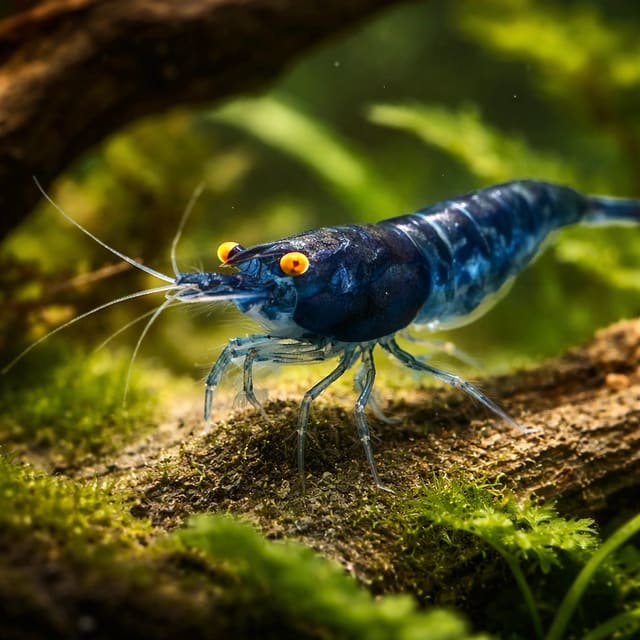
If you keep a planted nano tank, this is one of the best small fish you can stock. A group settled into a mature, well-planted 30–40 litre aquarium, with cherry shrimp grazing below, is one of the most rewarding small displays in freshwater fishkeeping.
Galaxy rasboras want slightly cooler water than most tropical fish — 20–25 °C is ideal, which means they pair beautifully with cherry shrimp and other temperate nano species but not with warmth-loving fish like discus or rams. They're micro-predators: small mouths, so feed accordingly. And they're shy, so dense planting is not optional — a sparse open tank leaves them hiding and washed-out.
In a centrally heated UK home a galaxy rasbora tank often needs only a low heater setting, or none in summer. Their preference for 20–25 °C is one of the reasons they suit nano aquascapes, which run cooler than fish-house tropicals.
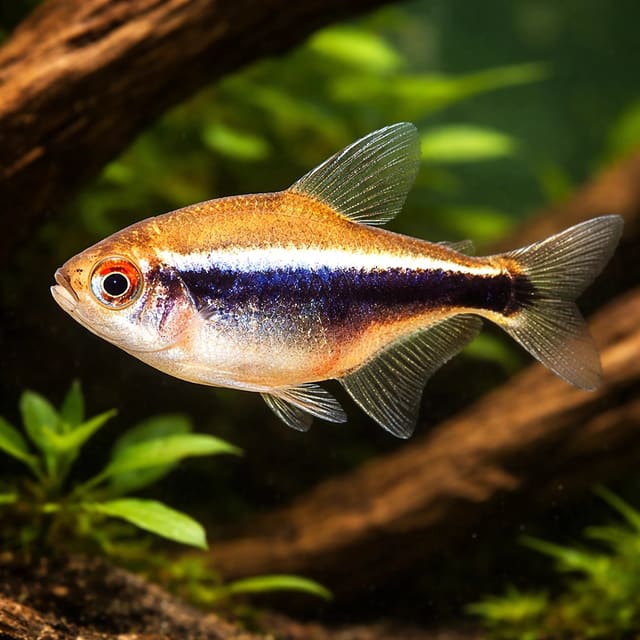
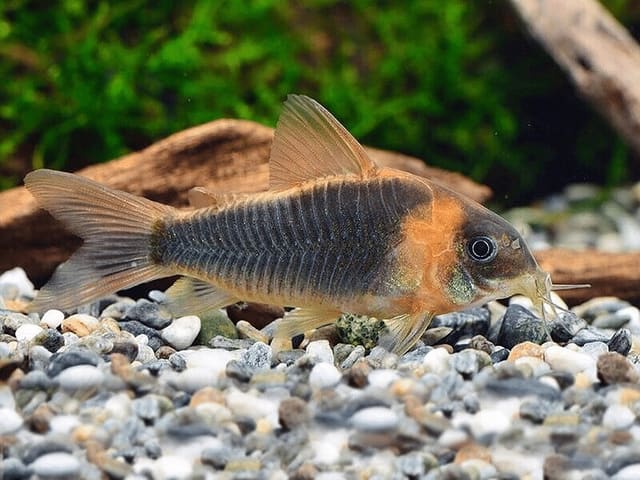
Match them with peaceful nano species and invertebrates. The classic planted-nano community is galaxy rasboras up top, a chili rasbora or ember tetra shoal through the middle, pygmy corydoras working the bottom, and a colony of cherry shrimp throughout.
Read our harlequin rasbora care guide and cherry shrimp care guide for the two easiest companions to start with.
Every fish ships in an oxygen-charged bag inside an insulated box, dispatched Wednesday for Thursday delivery (or Thursday for Friday when a week overflows), covered by our live arrival guarantee. Because galaxy rasboras are small and shy, give them a quiet, dimly lit, planted tank to settle into on arrival — drip-acclimate, lights off, and don't add them to a brand-new uncycled tank.
Browse the wider range: rasboras & danios, nano tank fish, or the full tropical fish for sale UK listing.
Visual route into the rest of our UK live-fish range.
Harlequin, Chili, Galaxy, Zebra and Celestial rasboras and danios for planted and nano tanks — peaceful shoalers for UK tap water, priced in groups.
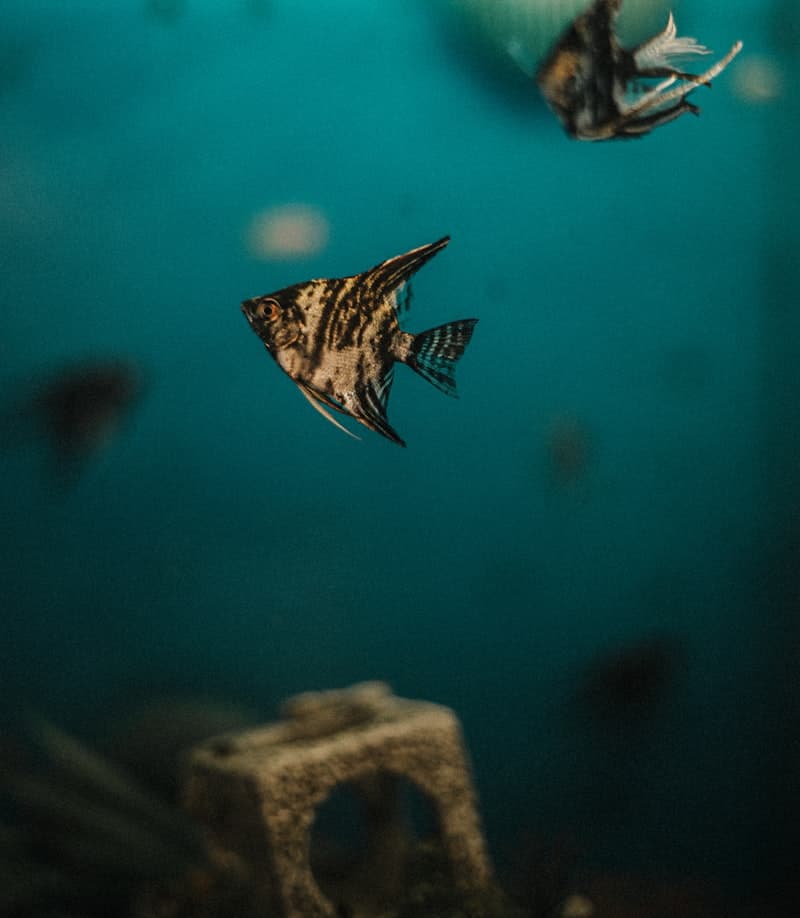
Best nano tank fish for UK aquariums — species that thrive in tanks under 40 litres. Micro schoolers, dwarf species, shrimps.
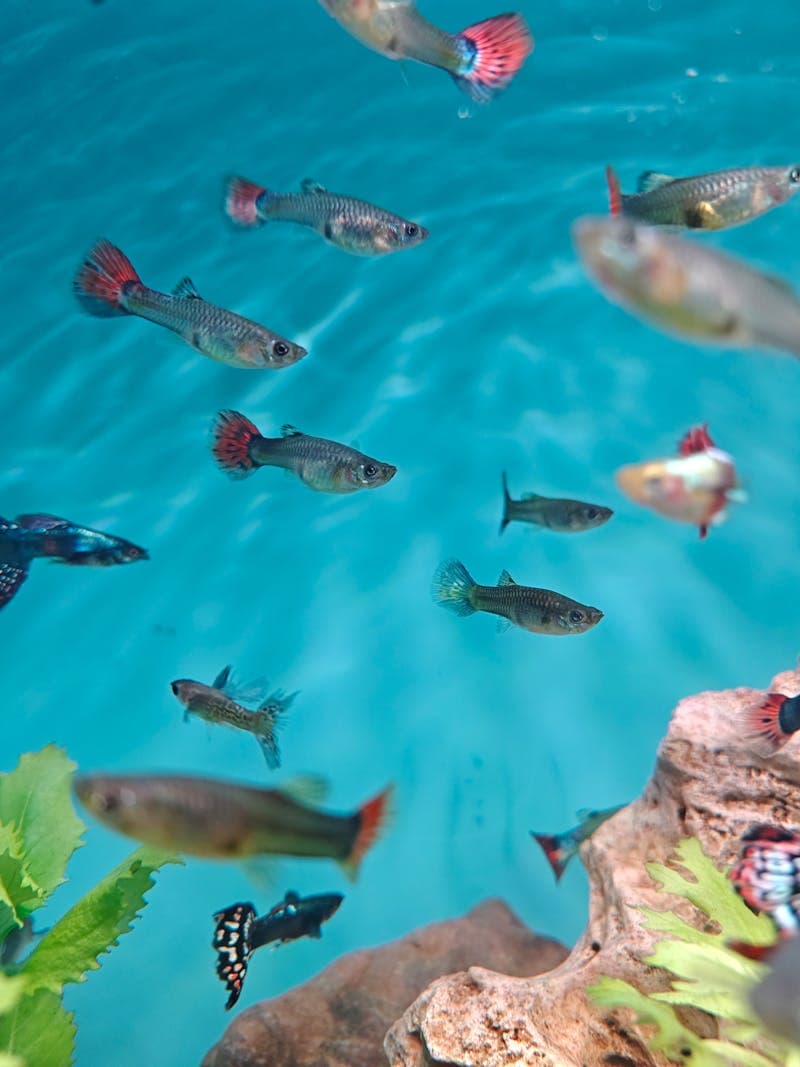
Planted-tank fish for sale UK — peaceful, plant-safe species that showcase aquascaped layouts. Tetras, rasboras, dwarf cichlids, shrimps.
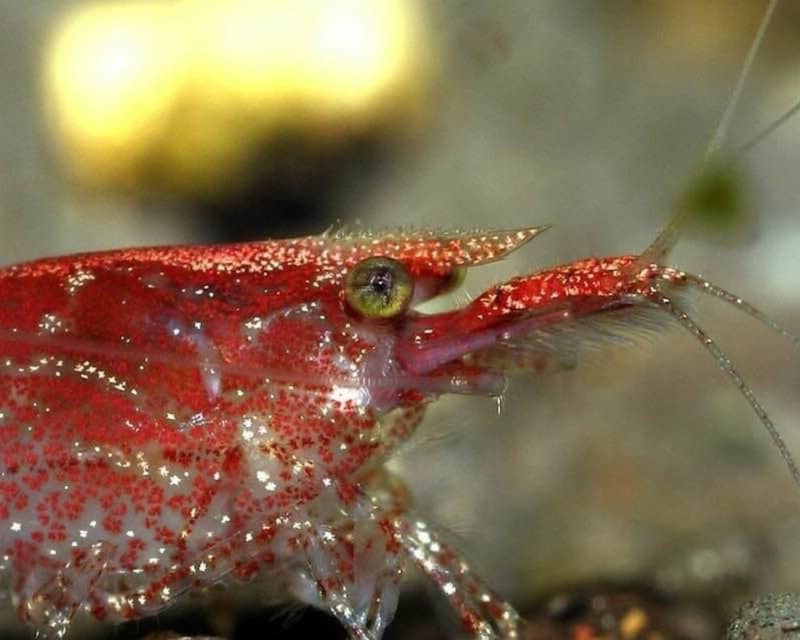
Tetras, rasboras, barbs, danios and rainbowfish in shoal-friendly quantities — these species only settle in groups of six or more. Group prices per listing.
Material factual claims cite the sources below; store policy and cautious inference are labelled in the article. Sources are grouped by type so you can judge their weight at a glance.
Species-level care and distribution data for the celestial pearl danio.
Well-sourced care profile — tank size, temperature and behaviour cross-checked here.
Fishkeeping moves fast and we want every guide spot-on. If you think something here is wrong, out of date, or could be clearer, tell us — our team reads every message and updates the page.
Suggest an editHarlequin, Chili, Galaxy, Zebra and Celestial rasboras and danios for planted and nano tanks — peaceful shoalers for UK tap water, priced in groups.
Best nano tank fish for UK aquariums — species that thrive in tanks under 40 litres. Micro schoolers, dwarf species, shrimps.
Planted-tank fish for sale UK — peaceful, plant-safe species that showcase aquascaped layouts. Tetras, rasboras, dwarf cichlids, shrimps.
Tetras, rasboras, barbs, danios and rainbowfish in shoal-friendly quantities — these species only settle in groups of six or more. Group prices per listing.
Harlequin rasbora care for UK aquariums: check 60 cm tank length, group size, 5 cm adult size, water, tank mates and lookalike species before buying.
Evidence-checked Ember tetra care for UK tanks: adult size, group needs, tank footprint, temperature, feeding, tank mates and current availability.
Cherry shrimp care for UK aquariums: plan a mature 20L-plus tank, test your water, protect shrimplets and understand feeding, moulting and breeding.