
 By Hannah Nielsen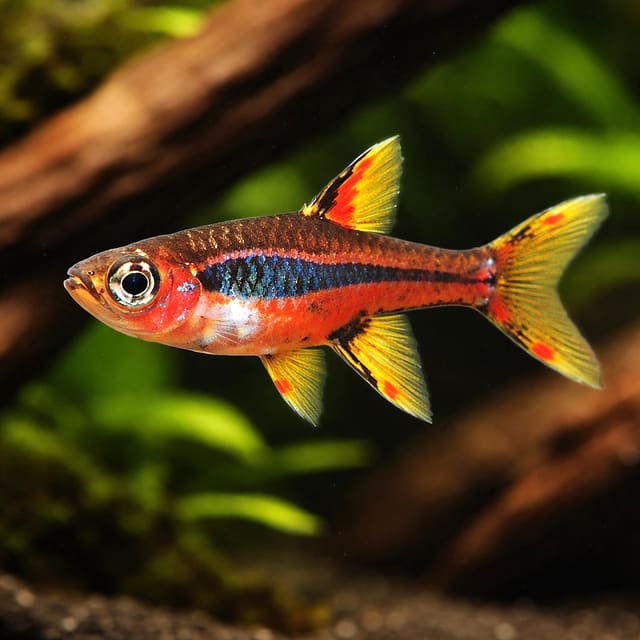
Moderate
Mosquito Rasbora (Boraras brigittae)
24–28°C · pH 4–7 · 20L
£3.99
Rasboras & Danios · Buying Guide
Chili rasbora (Boraras brigittae) for sale UK — care, tank size, water and tank mates for this tiny red nano fish. Live stock with live arrival guarantee.
7 products in stock today
Live prices and stock. Every fish covered by our Live Arrival Guarantee.
24–28°C · pH 4–7 · 20L
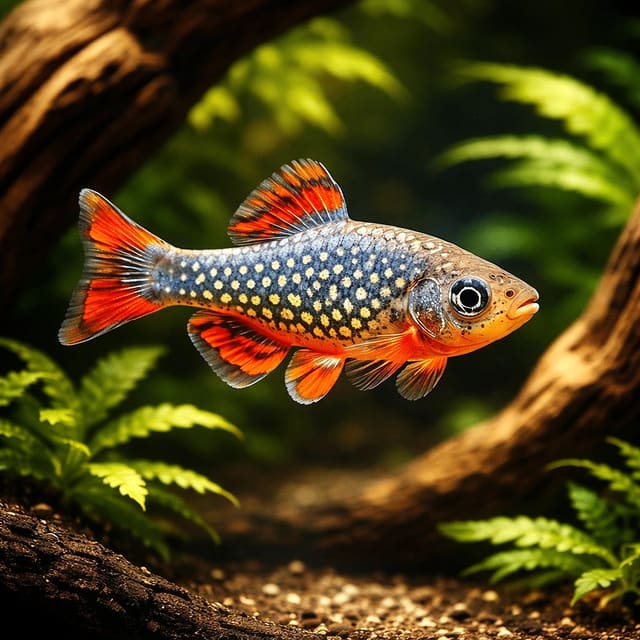
20–24°C · pH 6.5–7.5 · 45L
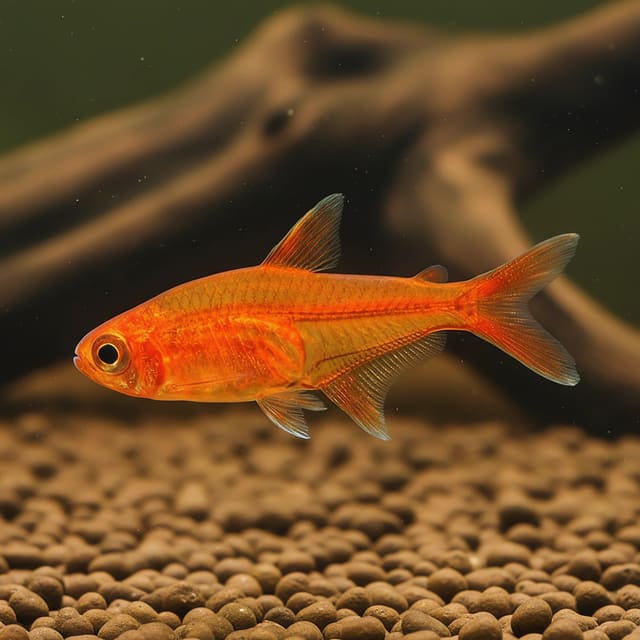
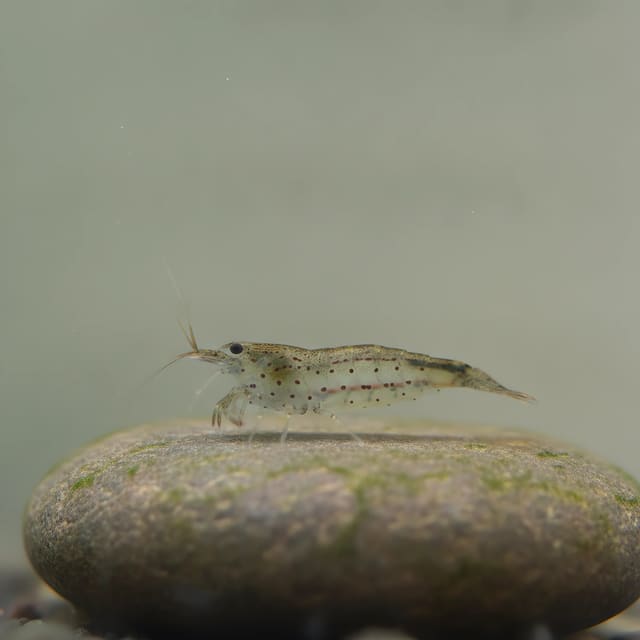
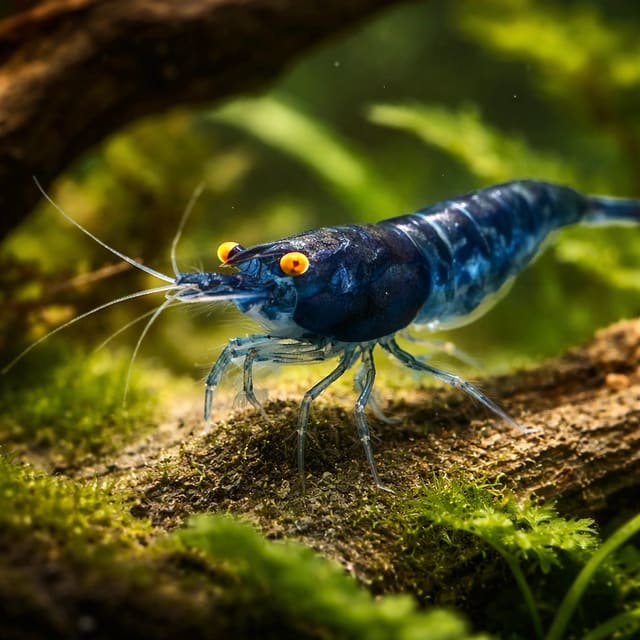
18–28°C · pH 6.5–8 · 20L
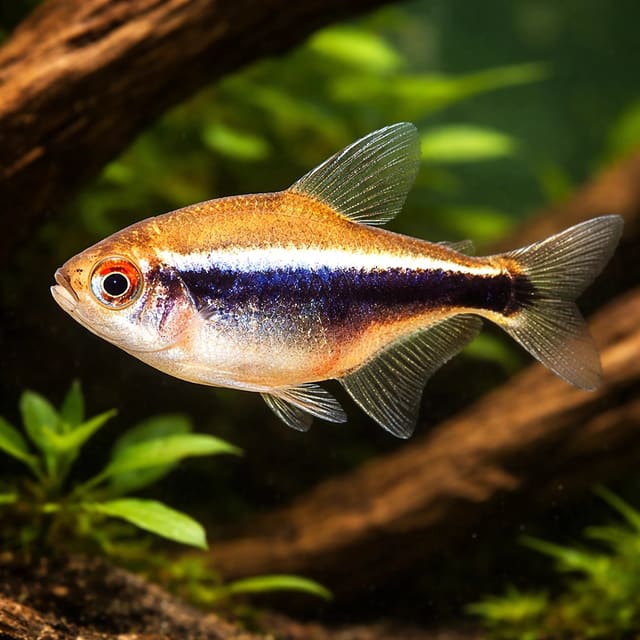
23–27°C · pH 5.5–7.5 · 40L
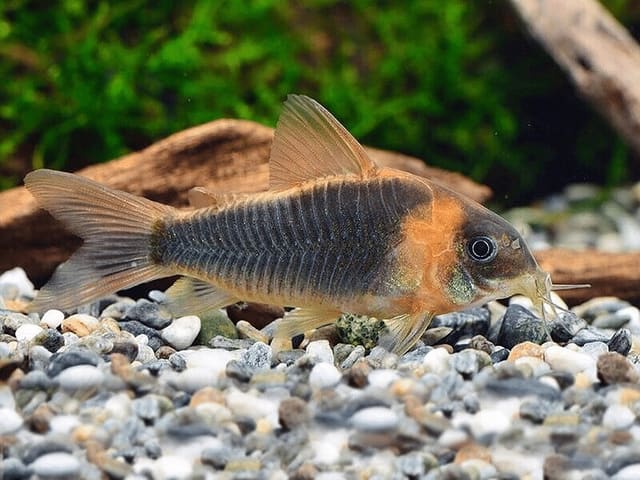
22–26°C · pH 6–7.5 · 60L
The shaded band shows the range chili rasbora is comfortable in. Match it to your tap water before you buy.
The chili rasbora is barely the length of a fingernail, but a shoal of them in a planted blackwater nano is unforgettable — twenty tiny fish glowing deep crimson against dark substrate and green plants. They come from the peat swamps of southwest Borneo, which tells you everything about their care: soft, acidic, tannin-stained water, gentle flow, and plenty of cover.
This is a connoisseur's nano fish rather than a beginner's first purchase — but it's not difficult once you give it the right home.
Everything about the chili rasbora is small: its size, its mouth, its bioload. That means a mature, stable, well-planted tank matters more than a big one. Feed micro-foods — standard flake is too large. Keep the water soft and slightly acidic if you can; tannins from botanicals or driftwood deepen both the water and the fish's colour.
Chili rasboras are sensitive to the parameter swings of an immature aquarium. Add them only to a tank that's been cycled and running for at least a month, with stable readings and established plants.
Keep the company as gentle as the fish. Cherry shrimp, galaxy rasboras, ember tetras and pygmy corydoras are the classic chili-rasbora companions — all small, peaceful, and comfortable in the same soft, planted nano.
For the two easiest companions, see our cherry shrimp care guide and ember tetra care guide.
Tiny fish need careful shipping. Ours travel in oxygen-charged bags inside an insulated box, dispatched Wednesday for Thursday delivery (or Thursday for Friday when a week overflows), with our live arrival guarantee. On arrival, drip-acclimate slowly with the lights off and release into a planted, mature tank — never an uncycled one.
Browse more: rasboras & danios, nano tank fish, or the full tropical fish for sale UK range.
Visual route into the rest of our UK live-fish range.
Harlequin, Chili, Galaxy, Zebra and Celestial rasboras and danios for planted and nano tanks — peaceful shoalers for UK tap water, priced in groups.
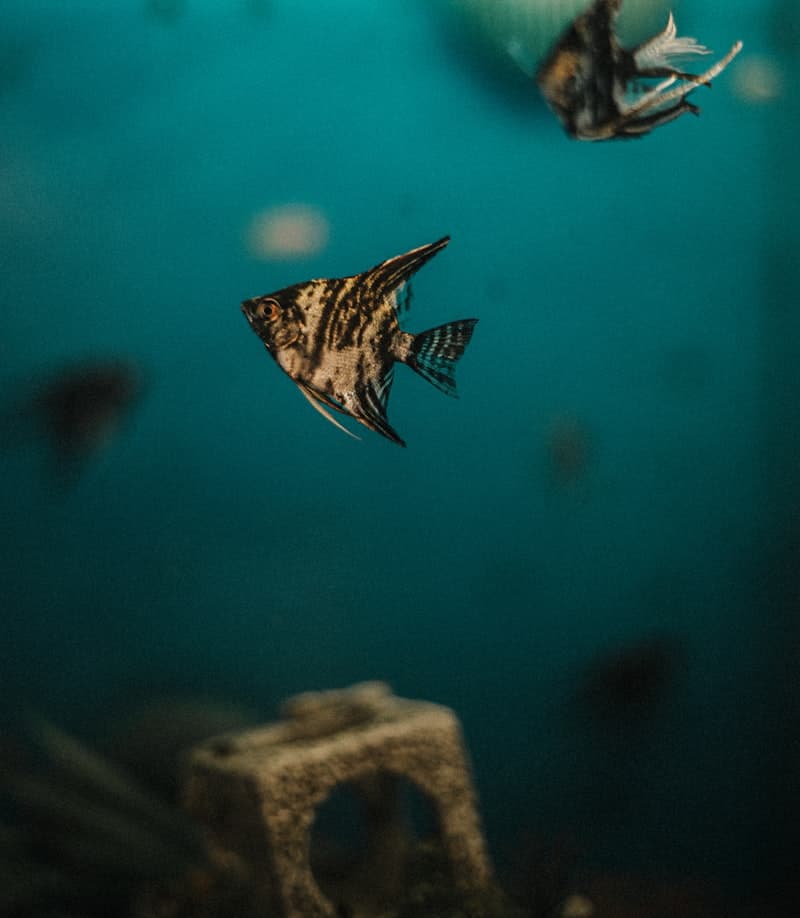
Best nano tank fish for UK aquariums — species that thrive in tanks under 40 litres. Micro schoolers, dwarf species, shrimps.
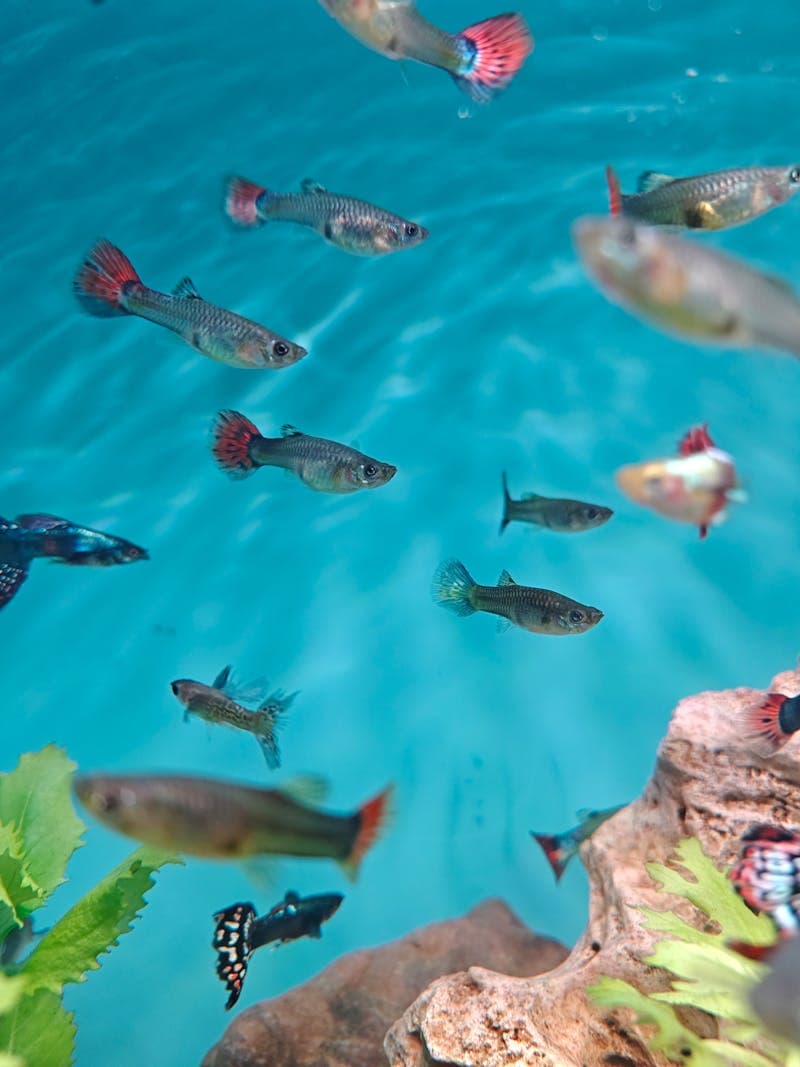
Planted-tank fish for sale UK — peaceful, plant-safe species that showcase aquascaped layouts. Tetras, rasboras, dwarf cichlids, shrimps.
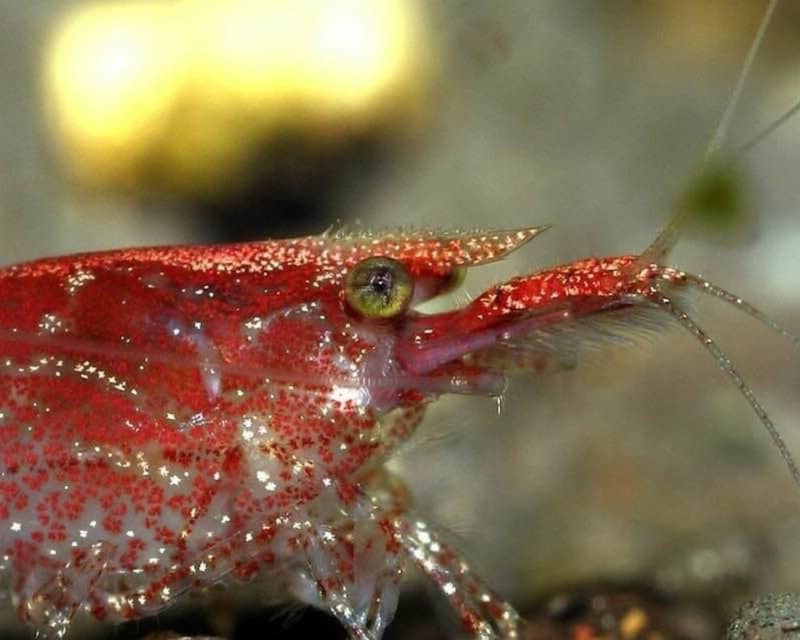
Tetras, rasboras, barbs, danios and rainbowfish in shoal-friendly quantities — these species only settle in groups of six or more. Group prices per listing.
Material factual claims cite the sources below; store policy and cautious inference are labelled in the article. Sources are grouped by type so you can judge their weight at a glance.
Species-level size, range and water-parameter data for the chili rasbora.
Care profile cross-referenced for blackwater origin, group size and feeding.
Fishkeeping moves fast and we want every guide spot-on. If you think something here is wrong, out of date, or could be clearer, tell us — our team reads every message and updates the page.
Suggest an editHarlequin, Chili, Galaxy, Zebra and Celestial rasboras and danios for planted and nano tanks — peaceful shoalers for UK tap water, priced in groups.
Best nano tank fish for UK aquariums — species that thrive in tanks under 40 litres. Micro schoolers, dwarf species, shrimps.
Planted-tank fish for sale UK — peaceful, plant-safe species that showcase aquascaped layouts. Tetras, rasboras, dwarf cichlids, shrimps.
Tetras, rasboras, barbs, danios and rainbowfish in shoal-friendly quantities — these species only settle in groups of six or more. Group prices per listing.
Harlequin rasbora care for UK aquariums: check 60 cm tank length, group size, 5 cm adult size, water, tank mates and lookalike species before buying.
Evidence-checked Ember tetra care for UK tanks: adult size, group needs, tank footprint, temperature, feeding, tank mates and current availability.
Cherry shrimp care for UK aquariums: plan a mature 20L-plus tank, test your water, protect shrimplets and understand feeding, moulting and breeding.