
Moderate
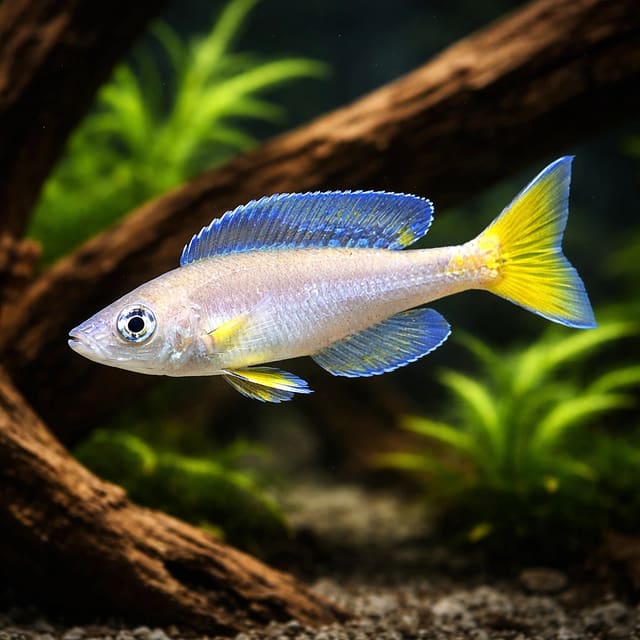
Mpulungu Sardine Cichlid (Cyprichromis leptosoma)
24–27°C · pH 7.8–9 · 243L
£13.99
10 products
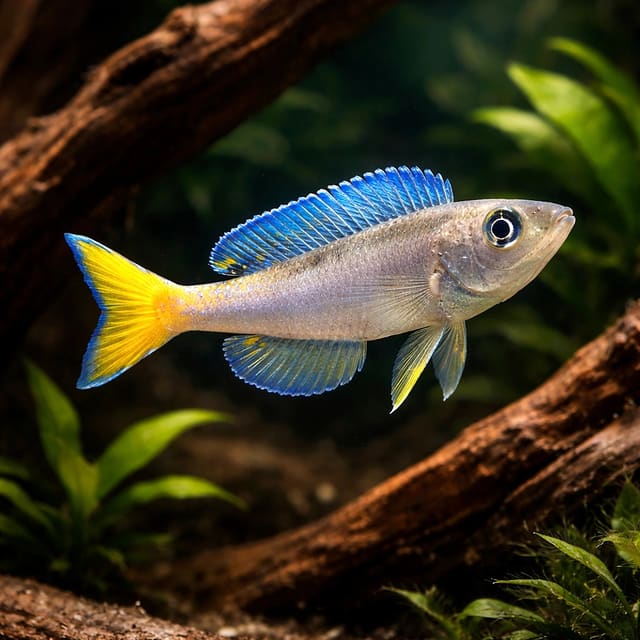
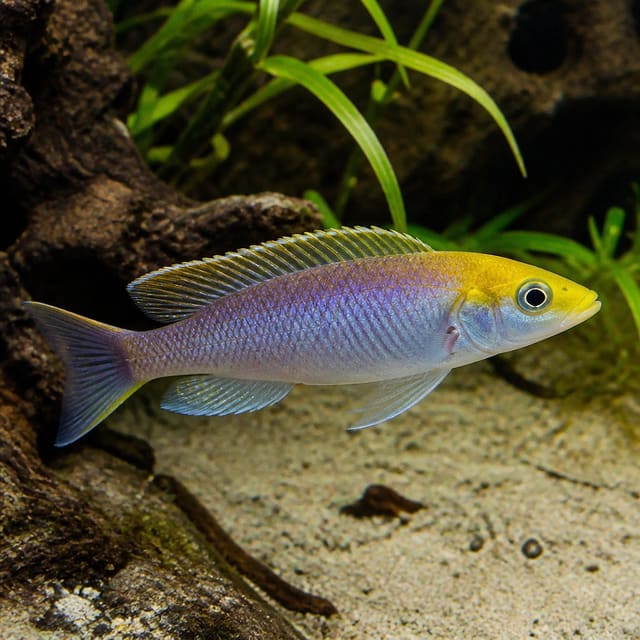
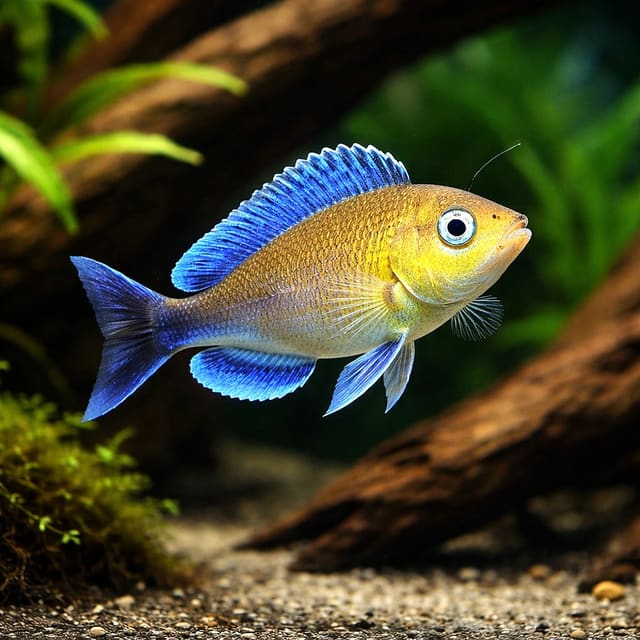
Compare Mpulungu, Gold and other named leptosoma offers. Plan the adult group and open swimming space before choosing a locality.
10 products
24–27°C · pH 7.8–9 · 243L
24–27°C · pH 7.8–9 · 243L
24–27°C · pH 7.8–9 · 200L
24–27°C · pH 7.8–9 · 200L
24–27°C · pH 7.8–9 · 200L
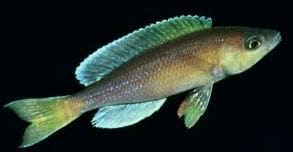
24–27°C · pH 7.8–9 · 300L
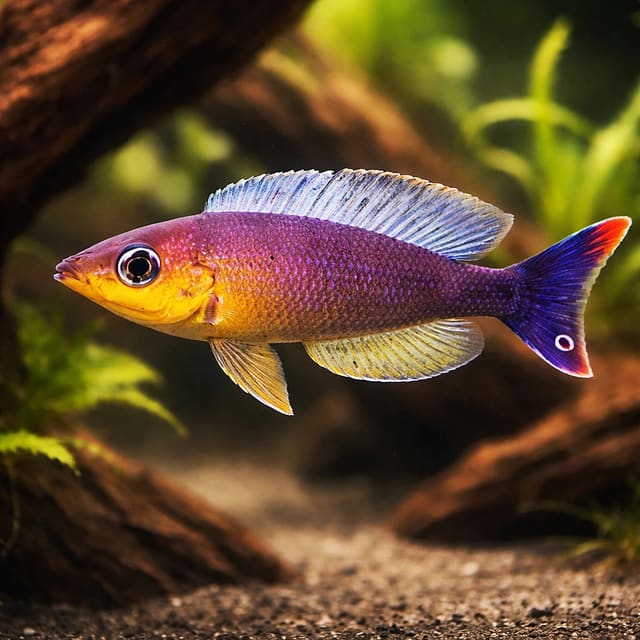
24–27°C · pH 7.5–8.5 · 250L

24–27°C · pH 7.5–8.5 · 300L
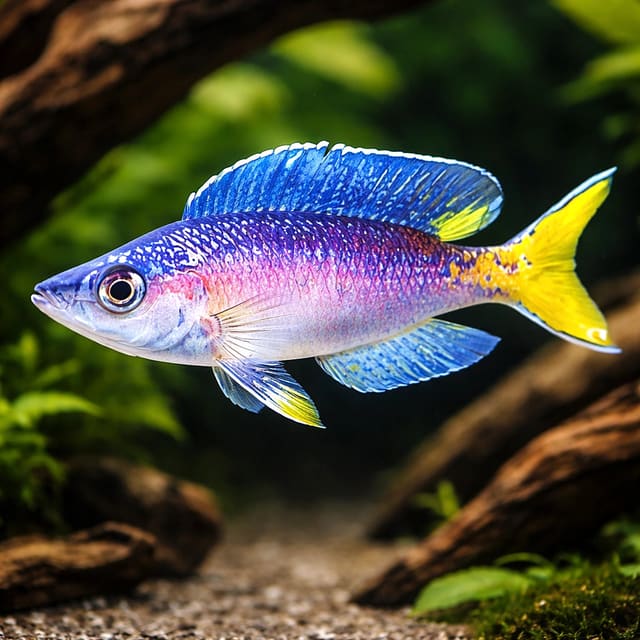
24–27°C · pH 7.5–8.5 · 300L

24–27°C · pH 7.5–8.5 · 250L
Cyprichromis leptosoma uses open water and group behaviour in a way that rock-dwelling Tanganyikan cichlids do not. Assess clear swimming length and room for the whole adult group; filling the aquarium with caves cannot replace that space. Choose companions that will not dominate feeding or keep the group confined to one corner.
Compare Tanganyikan companionsMpulungu, Chipimbi, Livua, Kekese and Katete labels remain separate offers. The Katete Jumbo choice needs its own adult-size and housing assessment rather than a plan copied from a smaller form. A locality name or bright colour does not promise a particular sex, a breeding line or a compatible pair. Check the exact offer when those distinctions matter.
Check a leptosoma form or sexAsk which suitably small foods the current fish accept and watch that quieter individuals feed as well as dominant fish. Plan the full group with the selected form’s requirements; a quantity discount does not define a suitable group. If keeping different locality forms for breeding, discuss how to keep their identities separate.
Compare the wider Cyprichromis range