Symphysodon aequifasciatus
Leopard Spotted Discus (Discus Fish) - UK
Buy Leopard Spotted Discus, a bold discus fish with striking spotted patterning. Ideal for experienced tropical keepers. UK delivery available.
Care at a Glance
Premium Quality
Healthy, vibrant fish from trusted suppliers
Expert Care
Detailed care guides and support
Live Arrival Guarantee
Your fish arrives healthy or we'll replace it
Acclimated
Properly quarantined and ready for your tank
Quick Care Guide
Water Parameters
Maintain these water conditions for optimal health and vibrant colors
Why Choose This Fish?
Buy Leopard Spotted Discus, a bold discus fish with striking spotted patterning. Ideal for experienced tropical keepers. UK delivery available.
If you’re looking for tropical fish for sale UK that genuinely stand out, the Leopard Spotted Discus is one of the most striking choices you can make. Known to aquarists as Symphysodon aequifasciatus, this elegant South American cichlid combines a calm temperament with a dramatic spotted pattern that becomes even richer under the right lighting and water conditions. At around 20 cm when mature, it is a true centrepiece fish for a well-planned aquarium, and it is best suited to the discus for experienced keeper category rather than tropical fish for beginners. With a lifespan of up to 10 years, this is a long-term commitment fish that rewards careful husbandry with confident feeding, strong colour, and graceful behaviour.
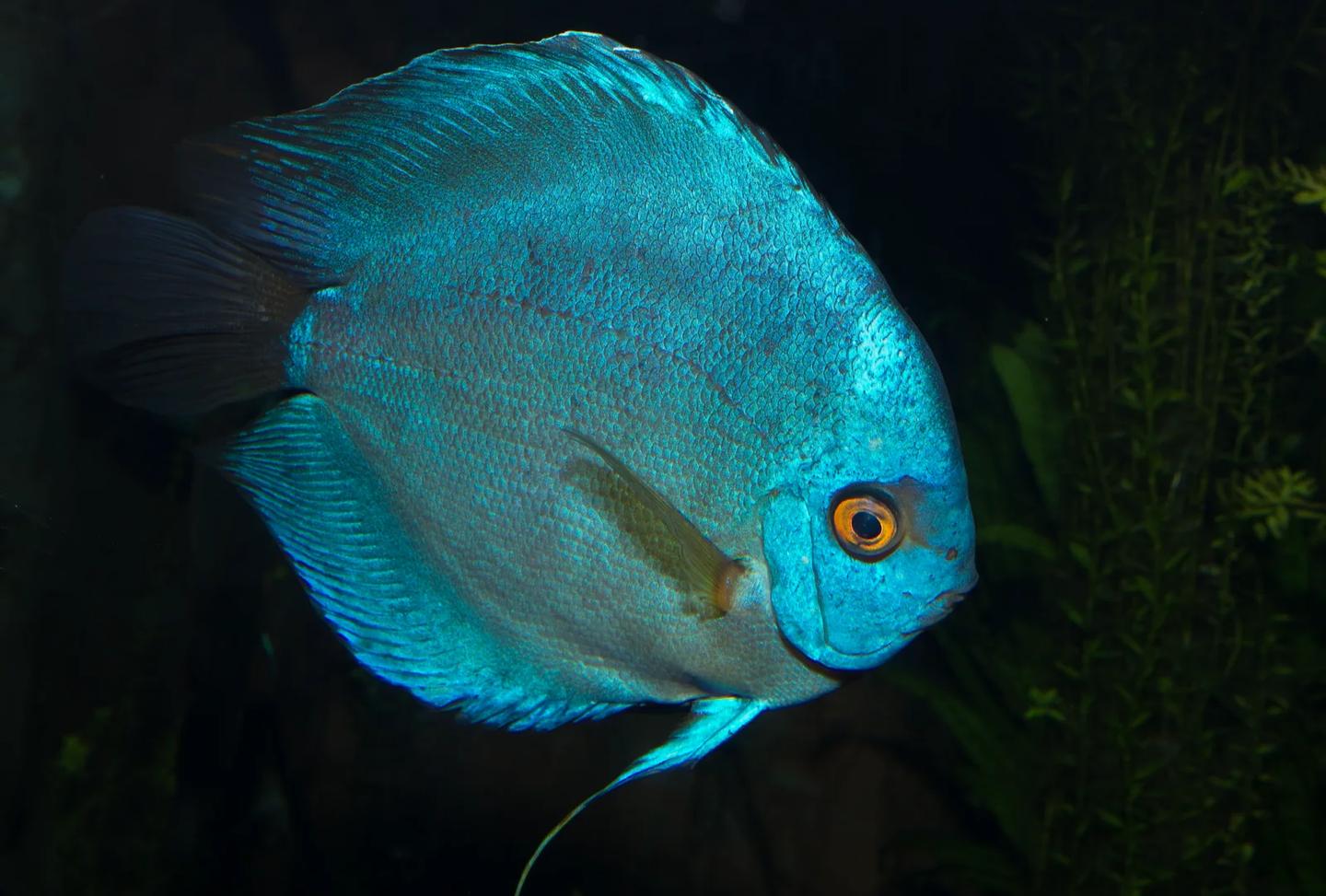
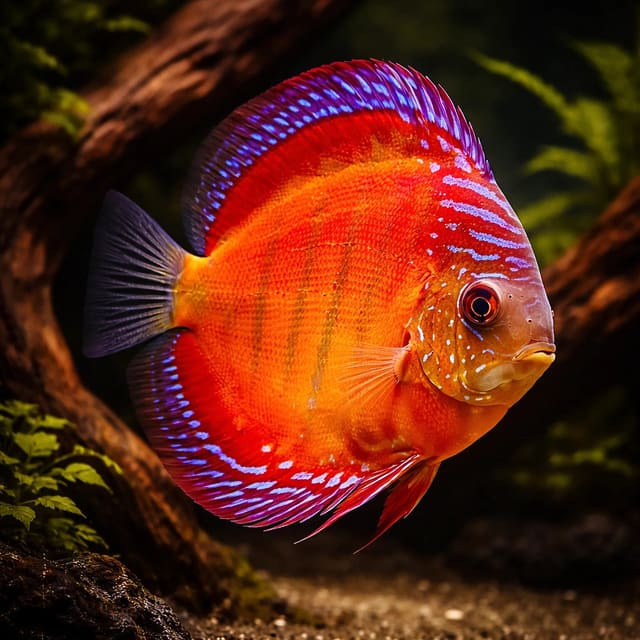
The Leopard Spotted Discus is popular because it brings together beauty, rarity, and personality in a way few freshwater species can match. It is often chosen by hobbyists searching for discus fish UK, rare fish UK, or a stunning spotted discus for aquarium display, especially in a mature discus community tank with soft water, warm temperatures, and peaceful tank mates. See our detailed photos showing the bold spotting, rounded profile, and rich body tone in our product image tropical-fish-for-sale-uk.webp. If you want a fish that elevates a planted aquascape and becomes the focal point of the room, this is a superb choice for anyone ready to buy fish online with proper care in mind.
🔹 Quick Facts
- Scientific Name: Symphysodon aequifasciatus
- Care Level: Difficult
- Min Tank Size: 250 litres (66 gallons)
- Temperature: 28-32°C (82-90°F)
- pH Range: 5.5-7.0
- Water Hardness: 1-8 dGH
- Lifespan: Up to 10 years
- Temperament: Peaceful
- Diet: Omnivore; discus pellets, frozen bloodworms, brine shrimp, quality protein foods
Classification
- Order: Cichliformes
- Family: Cichlidae
- Genus: Symphysodon
Discus fish are among the most respected freshwater cichlids in the hobby, prized for their disc-shaped bodies, social behaviour, and demanding water needs. The Leopard Spotted Discus sits within the classic South American cichlid UK group and is closely related to other ornamental forms such as red turquoise, pigeon blood, and snake skin strains. Many aquarists compare leopard discus or blue discus options when planning a display tank, but the leopard pattern remains one of the most eye-catching for planted aquariums and careful breeders.
Where Do Leopard Spotted Discus Come From? Natural Habitat Explained
In the wild, discus fish come from the Amazon Basin in South America, where they inhabit slow-moving tributaries, flooded forest edges, blackwater channels, and calm backwaters. These environments are warm, shaded, and rich in leaf litter, which creates the soft, acidic conditions that discus soft water requirements depend on. The natural water is often tinted by tannins, low in minerals, and very stable in temperature, which is why discus water parameters matter so much in the home aquarium. Hobbyists searching for discus tropical fish for sale UK or freshwater tropical fish for sale uk should understand that this species is not adapted to hard, alkaline, or unstable water.
In nature, discus fish feed on small invertebrates, insect larvae, zooplankton, and organic matter. They spend much of their time in loose groups, moving calmly through submerged roots and branches. This explains why discus group size is so important in captivity: a single fish may become shy or stressed, while a group of six or more helps the fish settle and display natural behaviour. The Amazon climate also explains why discus temperature and discus ideal temperature are usually set higher than most tropical fish, with 28-32°C being the sweet spot for long-term health.
Although wild discus are not usually considered endangered in the same way as some rare species, habitat loss, deforestation, and water pollution continue to affect their ecosystems. For aquarists looking at tropical fish for sale online or live tropical fish for sale uk, choosing captive-bred stock is the most responsible option. It also gives you fish that are already accustomed to aquarium foods, making discus care guide routines much easier to follow. If you want a fish that reflects the beauty of the Amazon while thriving in a carefully managed home setup, the Leopard Spotted Discus is a standout choice.
💡 Expert Tip
Mimicking the natural habitat improves health and brings out natural behaviours. Use warm, soft, slightly acidic water, subdued lighting, and a calm layout with driftwood and broad-leaf plants. This is the simplest way to reduce stress and support strong colour in Leopard Discus Fish and other Spotted Discus varieties.
How to Set Up the Perfect Tank for Leopard Spotted Discus?
When planning discus tank setup, the biggest mistake is underestimating how much space and stability this fish needs. The discus minimum tank size for a small group is 250 litres, but many keepers find that a larger system gives better results, especially if they want a planted display or a mixed-species community. A proper discus tank size should account not only for adult body length but also for the fish’s social structure, filtration load, and the need for open swimming space. For a group of six, a 300-450 litre aquarium is far more forgiving than a cramped tank.
Tank Size Requirements
Because discus fish grow to around 20 cm and are best kept in groups, their bioload is significant. A larger tank helps maintain stable discus water parameters and gives you room for plants, wood, and gentle tank mates. If you are comparing discus tank mates 55 gallon setups, remember that a 55-gallon tank can work only for a small juvenile group with excellent filtration and disciplined maintenance. As adults, these fish do much better in bigger systems, especially when you want a true discus community tank.
Water Parameters
Stable water is more important than chasing a perfect number. The best discus pH level is usually slightly acidic to neutral, and sudden swings are far more dangerous than being a few tenths outside the target range. Soft, clean water with regular discus water changes supports appetite, colour, and immunity. If your tap water is hard, consider RO water blending to meet discus soft water requirements.
Filtration
Discus need strong biological filtration with gentle flow. Canister filters, sponge filters, and well-sized external units work well because they provide large media capacity without blasting the fish around the tank. A moderate flow rate is ideal; too much current can stress fish and interfere with feeding. When setting up a discus tank setup, aim for excellent oxygenation, mature filter media, and no ammonia or nitrite spikes.
Substrate, Plants & Decor
Fine sand or smooth gravel is best, especially if you want a planted layout. Dark substrate often makes the fish’s spotting and body colour more intense, which is why many aquarists choose it for a stunning spotted discus for aquarium display. For planting, species like Amazon swords, Cryptocoryne, and Vallisneria work beautifully. If you’re building a leopard discus for planted tank display, you can also pair the fish with tropical fish plants for sale uk and tropical fish tank plants for sale uk options that suit warm, soft water systems. Some aquarists even search for tropco plants when planning a lush aquascape, but the key is choosing plants that tolerate 28-32°C.
Driftwood, root tangles, and open swimming lanes create a natural look while giving shy fish places to retreat. Keep decor smooth and avoid sharp edges, because discus have delicate fins and can be easily damaged. A calm, planted layout also improves compatibility with discus tank mates and plants, especially when you want a peaceful display rather than a crowded community.
Lighting Requirements
Moderate lighting is best. Too much brightness can make discus skittish, while soft lighting helps bring out the leopard pattern and encourages natural behaviour. If you use floating plants or tall background plants, they can help diffuse light and reduce stress. For aquarists comparing tropical fish tanks for sale uk or large tropical fish tanks for sale uk, remember that the right light is just as important as the tank itself.
🔹 Quick Setup Checklist
- Cycle the tank for 4-6 weeks before adding fish
- Use a heater that holds 28-32°C steadily
- Choose a filter with mature biological media
- Keep pH stable between 5.5 and 7.0
- Add soft-leaved plants and smooth decor
- Plan for weekly water changes of 30-50%
💡 Pro Tip
Always cycle the tank for 4-6 weeks before adding discus fish. New tanks are the most common reason for stress, poor feeding, and disease. If you are buying discus fish for sale online, have the aquarium fully mature first so the fish can settle quickly and show colour sooner.
Recommended equipment includes a reliable heater for discus tanks, a high-capacity external filter for tropical fish, and a soft aquarium substrate for planted tanks. For a fully landscaped look, pair these with live aquarium plants that tolerate warm water.
What Do Leopard Spotted Discus Eat? Complete Feeding Guide
Discus are omnivores with a strong preference for protein-rich foods. In the wild, their diet includes tiny crustaceans, insect larvae, and organic detritus, but in captivity they thrive on a carefully balanced discus diet built around quality pellets, frozen foods, and occasional live foods. Good feeding is one of the biggest differences between average care and exceptional discus care. If you want strong growth, stable colour, and good breeding potential, feed small portions often and keep water clean.
Staple Foods
High-quality discus pellets should form the core of the diet. These are easier to digest than many generic tropical fish foods and are designed to support growth and colour. Frozen bloodworms, brine shrimp, and finely chopped beef heart can also be used, especially for conditioning adults or breeding pairs. Many keepers who search for tropical fish pets at home or premium fish UK eventually move to specialist discus feeds because standard flakes are rarely enough.
Supplemental Foods
Use frozen mysis, daphnia, and quality gel foods to add variety. A varied diet helps prevent nutritional gaps and encourages feeding in shy fish. If you keep discus with cardinal tetras, make sure the food is sized correctly so the smaller fish can also eat. The classic pairing of cardinal tetra discus works well because both species enjoy warm, soft water and a calm environment.
Treats & Conditioning Foods
For breeding preparation, many aquarists use richer foods such as beef heart mixes and high-protein frozen foods. These should be fed in moderation because they can foul water quickly. This is especially important if you are following a discus feeding schedule in a planted tank or a smaller system. If you are comparing discus fish feeding advice with generic tropical fish for beginners guides, remember that discus need more attention and cleaner water.
| Time | Food | Amount |
|---|---|---|
| Morning | Discus pellets or gel food | Small portion eaten in 2-3 minutes |
| Evening | Frozen bloodworms or brine shrimp | Small portion, remove leftovers |
Feed juveniles 3-5 times per day in tiny amounts, while adults usually do well with 2-3 feeds daily. Watch body shape closely; a healthy discus should be full but not bloated. Overfeeding is a common problem, especially when hobbyists treat discus like fast-eating community fish. If you are also browsing discus fish food or frozen fish foods, choose products that are clean, high in protein, and easy to digest.
⚠️ Feeding Warning
Overfeeding causes ammonia spikes and water quality issues, especially in warm tanks where waste breaks down quickly. Remove leftovers promptly, avoid oily foods, and never let uneaten food sit overnight. Poor feeding habits are one of the fastest ways to trigger stress, disease, and cloudy water in discus fish UK setups.
For best results, pair your feeding routine with a quality automatic fish feeder if you travel, and keep a supply of high-protein discus pellets and frozen brine shrimp on hand.
Leopard Spotted Discus Appearance: Colors, Patterns & Varieties
The Leopard Spotted Discus is admired for its rounded, disc-like body, elongated fins, and dense spotted pattern that can range from fine speckling to bold leopard-like markings. Adults commonly reach 18-20 cm, and their body shape makes them look even larger when viewed head-on. The base colour may appear warm brown, red-brown, orange, or bronze depending on strain, diet, and lighting. This is why many aquarists describe it as a Leopard Skin Discus or simply a Spotted Discus when discussing display fish.
Sexual dimorphism is subtle. Males may develop slightly more pointed dorsal and anal fins, while females often appear rounder when mature, especially during breeding. However, sexing young discus is difficult, so most keepers rely on pairing behaviour rather than visual cues alone. If you are comparing leopard discus vs red turquoise discus, the leopard form usually looks more patterned and earthy, while red turquoise strains tend to show stronger solid colour and striping.
Colour intensity improves with a stable environment, dark substrate, good nutrition, and low stress. Many keepers notice that live spotted discus UK stock becomes more vivid after settling into a mature tank. The best way to enhance pattern is to keep the fish in a calm group, feed a varied diet, and use soft lighting. Our photos show the rich body tone that can be achieved in a well-maintained planted system, especially when the fish is kept as part of a balanced group of Leopard Discus Fish rather than isolated in a bare tank.
If you are looking for buy spotted discus UK options or browsing a spotted discus shop UK, this variety is often chosen by aquarists who want a fish that looks both natural and unusual. It is also one of the more striking options for anyone searching for the best discus variety for beginners within the discus category, although the care level still remains advanced compared with most community fish.
What Fish Can Live With Leopard Spotted Discus? Compatibility Guide
Discus are peaceful, slow-moving fish that do best with calm companions of similar water needs. Good discus tank mates should tolerate warm water, avoid nipping fins, and not outcompete the discus at feeding time. This is why many aquarists focus on discus fish tank mate compatibility before adding anything to the aquarium. The best results come from species that stay small, behave gently, and enjoy the same soft, acidic conditions.
Ideal Tank Mates
Classic choices include Cardinal Tetras, Corydoras sterbai, Otocinclus, and Bristlenose Plecos. These species fit well in a discus community tank because they are peaceful and compatible with warm water. Many keepers also consider discus and angelfish tank mates, but this pairing needs extra care because both are cichlids and may compete as they mature. The phrase discus and angelfish often appears in hobby discussions, but the safest approach is to keep only one cichlid focus species unless the tank is large and carefully managed.
For a planted display, discus with cardinal tetras remains one of the most reliable combinations. You can also use angelfish tank mates in larger aquariums, though discus generally prefer calmer companions. If you want perfect discus tank mates, choose fish that stay midwater or bottom-dwelling and avoid boisterous feeders. Some aquarists even look for unusual discus tank mates, but any unusual choice should still match the temperature and water chemistry.
Species to Avoid
Aggressive cichlids, fin nippers, and cold-water fish are poor choices. This includes many species sold in generic tropical fish shop near me searches or mixed community tanks that are not designed for discus. Avoid fast, competitive species that may stress the fish or steal food. If you have ever compared tropical fish pets at home displays with specialist discus systems, the difference is usually clear: discus setups are calmer, warmer, and much more controlled.
Community Stocking Examples
In a 300-litre tank, a group of 6 discus, 12 cardinal tetras, 6 Corydoras sterbai, and 2 Bristlenose Plecos can work well if filtration is strong. In a larger 450-litre tank, you can build a more natural discus community tank with extra schooling fish and better swimming space. For keepers who search terms like tetras for sale uk or tetra fish for sale uk, the key is choosing species that are peaceful and warm-water tolerant.
| Species | Compatible? | Notes |
|---|---|---|
| Cardinal Tetra | ✅ Yes | Best schooling companion for warm, soft water |
| Corydoras sterbai | ✅ Yes | Peaceful bottom-dweller that handles higher temperatures |
| Common Pleco | ⚠️ Caution | Can grow too large and become messy in smaller tanks |
💡 Always Quarantine New Arrivals
Quarantine new fish for 2-4 weeks in a separate tank before adding them to discus. This reduces the risk of parasites, bacterial infections, and stress-related losses. It is especially important when mixing species from different sources or when buying community tropical fish uk stock online.
For aquarists building a matching community, consider Cardinal Tetras, Corydoras sterbai, Otocinclus catfish, Bristlenose Pleco, and Rummy Nose Tetras as possible additions where appropriate.
How to Breed Leopard Spotted Discus: Complete Breeding Guide
Breeding discus is advanced, but it is one of the most rewarding experiences in freshwater fishkeeping. The species is known for strong pair bonding, careful parental care, and the famous behaviour where fry feed on the parents’ skin mucus. If you are searching for a leopard discus breeding pair or planning discus breeding, expect to provide excellent water quality, stable heat, and a quiet environment. This is firmly in the discus for experienced keeper category.
Breeding Setup
A dedicated breeding tank of 200 litres or more is ideal, with bare bottom or very simple decor for easy cleaning. Keep the water slightly acidic, very soft, and warm at 29-31°C. Frequent discus water changes are essential because breeding adults are sensitive to waste buildup. Many successful breeders use sponge filtration and spawning cones or vertical surfaces for egg laying. If you are comparing leopard discus compatible fish for breeding tanks, the answer is usually none; breeding tanks are best kept pair-only.
Spawning Behaviour
Pairs clean a surface, court each other, and lay rows of eggs. Good pairs become territorial but not overly aggressive. After spawning, the parents fan the eggs and remove infertile ones. Fertile eggs usually hatch in about 2-3 days, depending on temperature. This is where stable discus water parameters and low stress make the biggest difference.
Fry Care & Growth
When fry become free-swimming, they feed on the parents’ mucus for several days. After that, many breeders introduce newly hatched brine shrimp and finely prepared fry foods. This stage is often called discus fry care, and it requires close attention to hygiene and feeding frequency. If you are building a breeder line, good nutrition and patient selection matter more than speed. Some hobbyists compare stendker discus tank mates or breeder lines when planning pair projects, but the fundamentals remain the same: clean water, stable heat, and careful conditioning.
Advanced Breeding Tip
Condition pairs with small, frequent meals of high-quality protein foods for 2-3 weeks before spawning. Keep the tank quiet, avoid sudden light changes, and perform small daily water changes with matched temperature. This often improves spawning success and reduces egg fungus.
For those searching tropical fish for sale in uk, tropical fish for sale online uk, or tropical fish for sale uk delivery, choosing healthy, well-conditioned juveniles is the best starting point for future breeding. You can also browse breeding discus food and spawning cones for discus to prepare a proper setup.
Leopard Spotted Discus vs Similar Species: Which Should You Choose?
Comparing discus varieties helps you choose the right fish for your tank style, experience level, and long-term goals. If you like patterned fish, the Leopard Spotted Discus offers a more natural, earthy look than many solid-colour strains, while still delivering the classic elegance of discus fish. It is also a strong candidate for aquarists who want rare tropical fish for sale uk stock without moving into extremely delicate wild forms.
| Feature | Leopard Spotted Discus | Red Turquoise Discus |
|---|---|---|
| Max Size | 20 cm | 20 cm |
| Care Level | Difficult | Difficult |
| Temperature | 28-32°C | 28-32°C |
| Price | £64.84 | Varies by strain |
| Best For | Planted displays and patterned community tanks | Bold colour-focused aquascapes |
Choose Leopard Spotted Discus if you want a fish that looks dramatic under soft lighting and pairs beautifully with dark substrate and broad-leaf plants. Choose a red or turquoise strain if you prefer stronger solid colour. If you are deciding between discus vs angelfish, discus are more demanding but offer a more refined display and a stronger “show fish” presence. For many keepers, the leopard form is the best balance of pattern, elegance, and visual impact.
Related options include Discus Fish Red Valentine, Discus Yellow Pigeon Symphysodon Aequifasciatus Discus, and Discus Fish Snake Skin Blue Stunning if you want to compare colour morphs.
Common Health Problems in Leopard Spotted Discus & How to Prevent Them
Healthy discus are active, alert, and eager to feed. Their eyes should be clear, the body should be rounded but not swollen, and the fins should be fully extended. If a fish clamps its fins, darkens excessively, or stops eating, it is often reacting to poor water quality, stress, or disease. This is why discus care guide routines focus so heavily on water changes, stable heat, and quarantine.
Common Diseases & Symptoms
Common issues include hole-in-the-head disease, internal parasites, bacterial infections, and stress-related colour loss. These problems often appear when water quality slips or when new fish are introduced without quarantine. If you are shopping for discus for sale or buy discus leopard UK, always ask about feeding habits and recent health history. Healthy fish should eat confidently and swim without laboured breathing.
Prevention & Treatment
Prevention starts with clean water, a stable temperature, and a varied diet. Use regular discus water changes, avoid overcrowding, and feed high-quality foods rather than cheap fillers. If treatment is needed, isolate the fish in a hospital tank and use medications appropriate to the diagnosis. Never guess with dosing, especially in warm water where fish are already under pressure. For aquarists comparing buy leopard discus UK options, quarantine and observation are essential before mixing stock.
⚠️ Medication Warning
NEVER use copper-based medications with invertebrates - lethal to shrimp! Even in fish-only systems, always check the label and follow dosage instructions carefully. If you plan to keep shrimp or snails, treat in a separate hospital tank only.
🔹 Quarantine Protocol
- Keep new fish in a separate tank for 2-4 weeks
- Match temperature and pH to the main aquarium
- Observe feeding, breathing, and feces daily
- Treat only when symptoms are confirmed
- Use a sponge filter and simple decor for easy monitoring
Good husbandry also helps prevent issues when buying from general searches like fish for sale pets at home or tropical fish pets at home, where stock may be kept in mixed conditions. Specialist care makes a major difference for discus fish UK keepers.
Understanding Leopard Spotted Discus Behavior in the Aquarium
Leopard Spotted Discus are peaceful, social fish that spend much of their time cruising slowly through the middle of the tank. They are not fast, flashy swimmers like many community fish, and they often form loose groups that shift position throughout the day. This schooling instinct is why discus group size matters so much. A group of six or more reduces stress and encourages natural behaviour.
These fish can be shy when first introduced, but they usually become bolder once they recognise feeding times and settle into a stable routine. They may darken, pale, or flare slightly depending on mood, water quality, and social interactions. In a calm tank with the right discus tank setup, you will often see them grazing gently, investigating plants, and displaying subtle hierarchy changes. That makes them especially rewarding for aquarists who enjoy observing behaviour rather than just colour.
To encourage natural behaviour, keep the tank quiet, avoid sudden movements, and maintain a consistent discus feeding schedule. A planted aquascape with open swimming space works better than a bare or crowded layout. Many keepers who search tropical fish for beginners eventually move toward discus once they want a more interactive and refined fishkeeping experience.
Why Buy from Tropical Fish Co?
Our Leopard Spotted Discus are selected for strong body shape, confident feeding response, and clear spotting that develops beautifully as the fish settles into a mature aquarium. Each fish is quarantined before sale, carefully observed for appetite and activity, and prepared for UK water conditions so you can acclimate them with less stress. If you are looking to buy tropical fish UK or buy fish online, specialist handling matters especially with a sensitive species like discus fish.
We pack live fish in insulated packaging with professional oxygenated bags, and heat packs are used in colder months to help maintain safe temperatures during transit. Orders are tracked, and our live arrival guidance is designed for keepers who want a smooth start rather than guesswork. Whether you are searching tropical fish for sale UK, tropical fish for sale online uk, tropical fish for sale in the uk, or live tropical fish for sale uk, the goal is the same: healthy fish, clear information, and support that helps them settle in well.
We also help customers who are comparing best place to buy tropical fish online, best place to buy tropical fish online uk, and tropical fish for sale online by making sure each discus is matched to the right care level. If you need help with acclimation, tank setup, or discus pH requirements, our care advice is practical and species-specific. Order your Leopard Spotted Discus today with confidence and build a display that reflects the best of Symphysodon UK keeping.
Why Choose Tropical Fish Co for Leopard Spotted Discus
- Carefully selected Leopard Spotted Discus with strong pattern and feeding response
- Quarantined before sale and prepared for warm, soft UK aquarium conditions
- Handled for safe delivery with insulated packaging and live arrival support
What Else Should You Add to Your Discus Setup?
Complete your aquarium with compatible companions and the right foods. A calm school of Cardinal Tetras adds movement without stress, while Corydoras sterbai help keep the lower levels active. For plant-heavy aquascapes, Amazon Sword plants and aquarium driftwood create a natural Amazon look. To support growth and colour, keep high-quality discus pellets and frozen brine shrimp on hand. If you are browsing tropical fish for sale near me or building a full freshwater fish bundle, these additions help create a balanced, long-lasting setup.
You Might Also Like


Aulonocara sp. 'Firefish' - Tropical Fish for Sale UK

Best Food for Tropical Fish - White Worms (90 ML) | UK

Orange Venezuelan Cory (Corydoras venezuelanus var. 'Orange') - UK

Yellow Lepturus Cichlid - UK

Apistogramma agassizii “Super Red” - UK

X Neon Green Rasbora - UK

Rasbora Heteromorpha (Trigonostigma heteromorpha) - UK
Popular Right Now

Endler Gold Guppy Breeding (Poecilia wingei) - UK

Chindongo saulosi 'Coral Red' - UK
10x Assorted Swordtails – Xiphophorus Hellerii

Glass Catfish (Kryptopterus vitreolus) - UK

Blood Red Dwarf Gourami - UK

Striped Kribensis Dehane - Tropical Fish for Sale UK