Moderate
Cardinal Tetra (Paracheirodon axelrodi)
23–27°C · pH 5.5–7 · 60L
£2.54

Add elegant pencil fish to your aquarium with this peaceful, moderate-care species. Buy online today for UK delivery and a striking shoal display.
Adult size is the maximum length this species reaches at full maturity (scientific sources). The livestock you receive will be younger and smaller. Product-photo provenance and any image-specific limitations are stated on the listing.
Nannostomus unifasciatus
Shoaling fish: kept in a group they feel safer, stay calmer and show their best colour.
Confirm your email, then we’ll send an availability message for this exact item if it returns within 180 days.
This request is only for this product—no newsletter or other promotions. A mail-provider retry may very rarely duplicate the same availability message. Unconfirmed addresses are removed after 48 hours. See our privacy policy.
Add elegant pencil fish to your aquarium with this peaceful, moderate-care species. Buy online today for UK delivery and a striking shoal display.
Adult size is the maximum length this species reaches at full maturity (scientific sources). The livestock you receive will be younger and smaller. Product-photo provenance and any image-specific limitations are stated on the listing.
Maintain these water conditions for optimal health and vibrant colors
If you want a graceful, surface-oriented shoaling fish that adds movement without bullying tank mates, Nannostomus unifasciatus is a smart choice for a well-planned tropical fish UK aquarium. Often grouped with other pencilfish in the hobby, this slim South American species is admired for its calm nature, subtle metallic tones, and elegant hovering posture near the top of the tank. Many keepers searching for tropical fish UK freshwater species want something different from the usual tetra, and this fish delivers exactly that. It stays small at around 3-5 cm, lives roughly 3-5 years with stable care, and suits aquarists who can provide a peaceful, planted setup with soft, slightly acidic water. Questions such as what do pencil fish look like, are pencil fish peaceful, and are pencil fish schooling fish come up often, and the answer is simple: they are slender, social, and best kept in a proper group where their confidence and colour improve. See our detailed photos showing body shape, fin posture, and the refined top-level swimming style that makes pencilfish so attractive in a blackwater-style display. For aquarists comparing pencil fish care, pencil fish tank size, pencilfish temperature, and nannostomus unifasciatus tank setup, this species offers a rewarding middle ground between beginner community fish and more delicate specialist characins.
Nannostomus unifasciatus belongs to the pencilfish group, a distinctive branch of small South American characiform fish known for their elongated bodies and calm behaviour. In the aquarium hobby, pencilfish sit alongside small tetras as refined community species, but they have a more delicate, surface-biased presence. They are closely related to other hobby favourites such as Golden Pencilfish - Nannostomus Beckfordi and Three-Lined Pencilfish - Nannostomus Trifasciatus, both of which are useful comparison points when choosing the right shoaling fish for a planted aquarium.
The pencil fish origin of Nannostomus unifasciatus is tropical South America, where it inhabits slow-flowing tributaries, flooded forest margins, and quiet backwaters. If you have ever wondered where do pencilfish live, think shallow margins with leaf litter, overhanging roots, dim light, and soft water stained by tannins. This natural pencil fish habitat is very different from a bright, open community tank with strong current, which is why the species can look washed out or nervous in the wrong setup.
In the wild, the nannostomus unifasciatus habitat usually includes submerged branches, marginal vegetation, and calm upper water where the fish can hover and pick at tiny prey. They feed on minute invertebrates, biofilm, and suspended food items. That explains why keepers asking when pencil fish bite or what time pencil fish come out often notice the same pattern in aquaria: they are most active in subdued light and feel bolder when floating plants break up the surface.
Because of their habitat, these fish do best in an aquarium that mimics blackwater or lightly stained conditions. Soft water, a dark substrate, and cover near the surface all help. Questions like why pencil fish are bad usually come from people who kept them in tanks that were too bright, too busy, or too sparsely planted. In the right environment, they are not bad fish at all; they are simply specialised for calm surroundings.
Search phrases such as what time pencil fish open, what time pencil fish open today, and what time pencil fish close are clearly buyer-intent or off-topic queries, but they point to a real customer concern: when are pencilfish visible? In practice, they are visible throughout the day once settled, especially in a mature planted aquarium with gentle flow and a secure top layer of cover.
Mimicking the natural habitat of pencilfish improves colour, feeding response, and confidence. Add leaf litter, driftwood, and floating plants, and keep them in a group of at least 8 so they spend less time hiding and more time displaying natural top-level behaviour.
Good nannostomus unifasciatus aquarium setup starts with understanding that this is a small but socially dependent fish. The commonly searched nannostomus unifasciatus minimum tank size is 45 litres, which is workable for a species group, but an 80 litre aquarium is a much better long-term choice. A larger footprint gives more stable water chemistry, more room for cover, and better group dynamics. If you are comparing pencil fish tank size and nannostomus unifasciatus tank size, think beyond body length and focus on social needs. A shoal of 8-12 fish is ideal, so the tank should offer horizontal swimming space and a calm top zone.
For a dedicated group, the nannostomus unifasciatus tank size should be at least 45 litres, though 60-80 litres is strongly recommended. If you are asking how many nannostomus unifasciatus in a tank, a group of 8 is the minimum for natural behaviour, while 10-14 works beautifully in a mature planted aquarium. They are not a fish for tiny novelty bowls or unstable nano tanks. For anyone asking what is a good size fish tank for a beginner, a 60 litre rectangular setup is much easier to manage than a very small tank.
The ideal nannostomus unifasciatus water parameters are soft to moderately soft water, pH 5.0-7.5, and low hardness. The best target is a nannostomus unifasciatus ph level around 6.0-6.8 with nannostomus unifasciatus water hardness between 1 and 12 dGH. For temperature, both nannostomus unifasciatus temperature and nannostomus unifasciatus water temperature should remain in the 22-28°C range, with 25°C being a reliable midpoint. If you are monitoring pencilfish temperature daily, avoid swings of more than 1°C in 24 hours.
Use gentle filtration. A small external filter with a spray bar, a mature sponge filter, or a low-flow internal unit works well. Pencilfish dislike being blasted around the surface. Strong current can suppress feeding and make them drift into corners. Aim for clean water with low nitrate, but do not confuse this with high turbulence.
If you are building a display around nannostomus unifasciatus in planted tank conditions, plant mass will also help diffuse flow. Fine-leaved stems, floating plants, and driftwood create resting zones near the top.
A dark sand or fine natural gravel substrate makes the fish feel secure and improves contrast. Their colours and body line show better over darker bases than over pale gravel. The best nannostomus unifasciatus tank setup includes driftwood branches, leaf litter, and dense planting around the back and sides. Leave some open water in the upper middle area for shoaling.
Compatible display fish for similar soft-water layouts include Glass Bloodfin Tetras - Prionobrama and Sailfin Tetra - Crenuchus Spilurus. If you are comparing layouts for an aquarium tetra UK community, these species can inspire a South American theme, though stocking must remain peaceful and proportionate.
Moderate lighting is best. Bright, direct light without surface cover can make pencilfish skittish. Use floating plants to soften light and encourage natural posture. A 7-8 hour photoperiod is usually enough in a planted tank, with gradual increases if plant growth demands it.
Always cycle the tank for 4-6 weeks before adding pencilfish. A mature filter and stable biofilm make a major difference to early feeding success, especially with newly imported or shy groups.
The short answer to what do pencil fish eat is: tiny omnivorous foods. A balanced pencilfish diet and nannostomus unifasciatus diet should include fine micro pellets, crushed flakes, and regular live or frozen foods such as daphnia, cyclops, baby brine shrimp, and finely sized bloodworm. Because they feed from the upper and middle levels, food size matters more than many keepers expect.
Questions like how often pencil fish eat, how often fish eat, and how often to feed little fish all lead to the same practical advice: feed small amounts 2 times daily. If you are wondering when pencil fish eat, they usually feed best once lights have been on a little while and again later in the day. Search terms such as what day pencil fish eat are not biologically meaningful, but feeding consistency absolutely is.
Use a fine, slow-sinking or semi-floating micro food as the staple. If you ask how many fish pellets per fish, the answer depends on pellet size, but a good rule is only what the group can finish in 30-60 seconds. Tiny fish need tiny portions, not big meals. Their small mouths mean oversized pellets are often ignored.
Frozen cyclops, baby brine shrimp, and daphnia help maintain condition and improve colour. These foods are especially useful before breeding attempts. Some keepers ask do pencil fish eat algae; not in any meaningful cleanup role. They may peck at biofilm, but they are not algae grazers. Another common question is do pencil fish eat shrimp. Adult dwarf shrimp may be left alone in a dense tank, but shrimplets can be eaten if they fit in the mouth.
Avoid large pellets, greasy feeder foods, and any diet based only on one dry food. Irrelevant search queries such as are pencil fish good to eat, how big does a fish have to be to eat, what fish can you not eat raw, which fish can you not eat raw, and can fish be classified as meat do not apply to ornamental pencilfish care, but they do highlight an important point: these are display fish, not food fish, and their nutrition should focus on health, colour, and longevity.
| Time | Food | Amount |
|---|---|---|
| Morning | Fine micro pellet or crushed flake | Only what the shoal eats in 30-60 seconds |
| Evening | Frozen cyclops, daphnia, or baby brine shrimp | Small pinch, no leftovers after 2 minutes |
A useful comparison species if you are planning a small-food, soft-water community and want to observe how different pencilfish respond to similar feeding routines.
Overfeeding causes ammonia spikes, excess waste, and poor water quality very quickly in small shoaling fish tanks. Uneaten food trapped in floating plants is a common hidden problem, so inspect the surface after each meal.
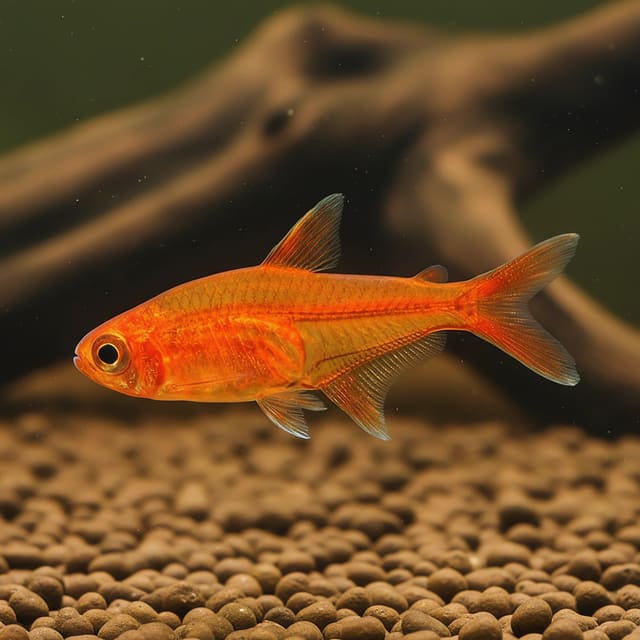
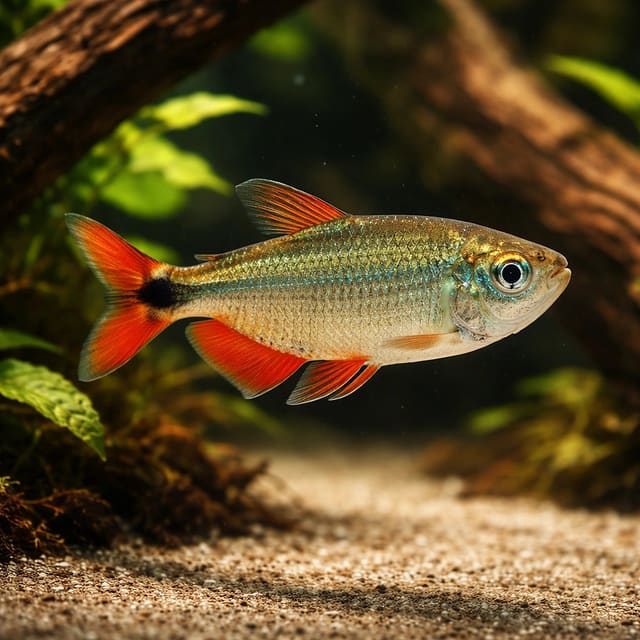
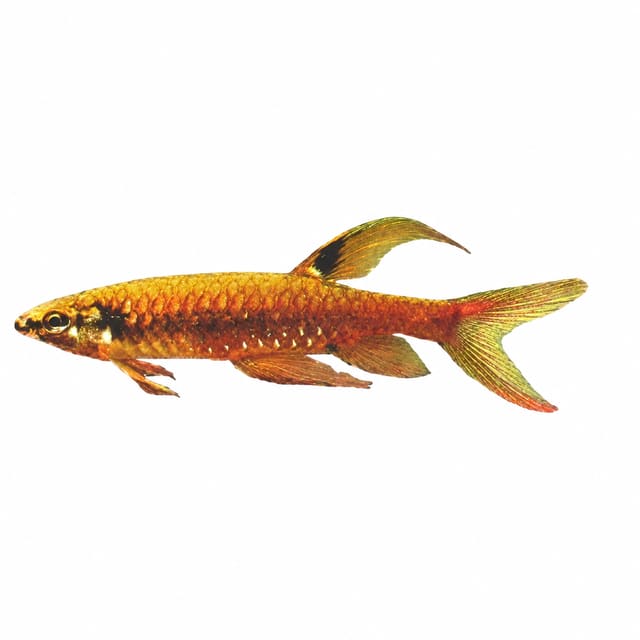
If you are asking what does a pencil fish look like, picture a slim, elongated fish with a straight, pencil-like profile and understated but elegant markings. The typical pencil fish full size is around 3-5 cm, so this is a genuinely small species suited to refined community aquaria rather than large mixed tanks. Their shape is one reason they are so often searched by people looking up how to draw a pencil fish or even pencil fish drawing for kids with colour; the body line is simple, clean, and very distinctive.
Base colour varies with mood, water conditions, and strain, but expect warm bronze, tan, silver-gold, and a dark horizontal line or banding effect depending on stress level and lighting. Hobbyists sometimes compare them with terms like coral red pencilfish, though that name more often points to other pencilfish species or colour impressions rather than a formal variety of Nannostomus unifasciatus. In subdued light, their subtle sheen is far more attractive than bright shop lighting suggests.
Search phrases such as colored pencil koi fish, color pencil koi fish drawing, fish pencil case pattern, fish pencil drawing with colour, and pencil drawing fish images with colour are clearly art-related, but they reflect a real visual appeal: pencilfish have a neat, graphic body pattern that stands out beautifully against dark wood and green plants.
Sexing can be subtle. Pencilfish male and female differences usually show in body shape and intensity of colour. Pencilfish male vs female comparisons often reveal males as slimmer and slightly more colourful, while females are fuller-bodied when carrying eggs. The same applies to nannostomus unifasciatus male vs female identification, although mature groups in good condition are easiest to sex.
One of the most common questions is are pencil fish aggressive. In a proper group and calm environment, no: they are among the more peaceful top-level community fish. So if you are also asking are pencil fish peaceful, the answer is yes. That said, a stressed or undersized group may become timid, competitive at feeding time, or reclusive. This is why pencil fish community tank planning matters so much.
The best nannostomus unifasciatus compatible fish are gentle species that occupy other zones of the aquarium and do not outcompete them at the surface. Strong candidates include small tetras, Corydoras, Otocinclus, dwarf cichlids with mild temperaments, and small rasboras. Aquarists searching for the best tetra for community tank often end up comparing pencilfish with peaceful tetra species because both work well in planted displays.
Good pencilfish tank mates and nannostomus unifasciatus tank mates from our range include Glass Bloodfin Tetras - Prionobrama for active but generally non-aggressive midwater movement, Sailfin Tetra - Crenuchus Spilurus for a more unusual South American theme, and other pencilfish such as Three-Lined Pencilfish - Nannostomus Trifasciatus or Golden Pencilfish - Nannostomus Beckfordi if you are researching species differences rather than mixing them indiscriminately.
Species to avoid are large, boisterous, fin-nippy, or predatory fish. That includes fish like Gar Characins - Ctenolucius Hujeta, which are predatory and unsuitable, and definitely not fish such as Red-Bellied Pacu - Piaractus Brachypomus or Piaractus Brachypomus - Red-Bellied Pacu -, which grow far too large. Likewise, Bucktooth Tetra - Exodon Paradoxus - is a notorious fin-biter and should not be housed with pencilfish.
Questions like can pencil fish live with goldfish should be answered with a clear no. Goldfish need cooler water, produce much more waste, and can outcompete or even eat very small fish. Similarly, can ghost knife fish live together is unrelated to pencilfish care, but it highlights the same rule: do not mix pencilfish with large nocturnal predators.
With invertebrates, adult shrimp and snails may be safe in a heavily planted aquarium, but very small shrimplets can be taken. If you want a display focused on microfauna survival, dense moss and cover are essential. For those researching nannostomus unifasciatus with other fish, success depends less on the label “community fish” and more on matching temperament, feeding speed, and water chemistry.
| Species | Compatible? | Notes |
|---|---|---|
| Glass Bloodfin Tetras - Prionobrama | ✅ Yes | Peaceful and suitable in a spacious, well-structured soft-water community |
| Three-Lined Pencilfish - Nannostomus Trifasciatus | ⚠️ Caution | Better as a comparison species than a mixed pencilfish shoal unless the tank is large and carefully managed |
| Bucktooth Tetra - Exodon Paradoxus - | ❌ Avoid | Fin-nipping and aggressive behaviour make it unsuitable |
Always quarantine new arrivals for 2-4 weeks before adding them to a pencilfish aquarium. Peaceful species are often the first to show stress when parasites or poor acclimation are introduced.
Nannostomus unifasciatus breeding is best described as moderate rather than easy. If you are wondering are pencilfish easy to breed, the answer is that they can spawn in captivity, but success depends on soft water, careful conditioning, and protecting the eggs from adults. This species is an egg scatterer, so yes, do pencil fish lay eggs.
For keepers researching how do pencil fish breed or how to breed pencil fish, start with a separate breeding tank of around 20-30 litres. Use very soft, slightly acidic water, subdued lighting, and spawning mops or fine-leaved plants. Condition the adults with live and frozen foods for 1-2 weeks. Pencil fish spawning often occurs in the early morning, with eggs scattered among plants or mops.
Pencilfish breeding pairs or small groups can be used, but selecting a well-fed male and female is often easier. Again, pencilfish male and female differences are subtle; females are usually rounder, especially when carrying roe. In nannostomus unifasciatus male vs female comparisons, males may appear slimmer and slightly more intense in colour.
Once spawning is complete, remove the adults because they may eat the eggs. Pencilfish eggs are small and lightly adhesive. If you are asking how often pencil fish eggs hatch, hatching usually occurs within a few days depending on temperature, typically faster at the warmer end of the safe range. Newly hatched pencil fish fry are tiny and need infusoria, vinegar eels, or other microscopic first foods before moving on to baby brine shrimp.
Baby pencilfish grow steadily but need excellent water quality and very gentle filtration. The main challenge in pencil fish reproduction is not getting eggs; it is raising the fry through the first delicate feeding stage. Search phrase fish pencil procreate may be awkward, but it points to a real concern: successful breeding depends on matching food size to fry size.
Use a thin layer of leaf litter and a dimly lit breeding tank with aged, very soft water. Many pencilfish pairs settle more quickly and show better spawning behaviour when the environment feels shaded and chemically stable rather than freshly set up and bright.
Comparing pencilfish species matters because they look similar at first glance but behave slightly differently in the aquarium. If you are choosing between this species and a more familiar pencilfish, the best comparison is often with Golden Pencilfish - Nannostomus Beckfordi. Many hobbyists also search nannostomus trifasciatus for sale or ask about amaya pencilfish when deciding among slender South American shoalers.
| Feature | Nannostomus unifasciatus | Golden Pencilfish |
|---|---|---|
| Max Size | 3-5 cm | 3-5 cm |
| Care Level | Intermediate | Intermediate |
| Temperature | 22-28°C | 22-28°C |
| Price | £5.81 | £5.81 |
| Best For | Quiet, shaded top-level shoals | Planted community tanks with slightly bolder display |
| Feature | Nannostomus unifasciatus | Three-Lined Pencilfish |
|---|---|---|
| Body Pattern | Cleaner, simpler line-focused look | More strongly striped appearance |
| Temperament | Peaceful and shy | Peaceful, often slightly more assertive in groups |
| Display Style | Subtle elegance | More graphic striping |
| Ideal Tank | Dim, planted, calm flow | Planted, structured community |
| Best For | Keepers wanting understated behaviour | Keepers wanting stronger visual pattern |
Choose Nannostomus unifasciatus if you prefer a softer, more naturalistic blackwater-style display and want a species that rewards patient aquascaping. Choose Three-Lined Pencilfish - Nannostomus Trifasciatus if you want more obvious striping, or Golden Pencilfish - Nannostomus Beckfordi if you want a classic pencilfish look often recommended in planted community setups. Shoppers also compare these with broader searches like tetras for sale uk, buy swordtails online, medaka ricefish for sale uk, or even stingrays for sale uk, but pencilfish occupy a very different niche: small, peaceful, top-level, and best suited to calm soft-water aquaria.
Strong nannostomus unifasciatus health depends on stable water quality, low stress, and appropriate feeding. Healthy fish hold position calmly near the upper levels, feed eagerly on small foods, and show clean fins, clear eyes, and even body lines. If the group is clamped, pale, hiding constantly, or gasping near the surface, something is wrong with flow, water quality, or social setup.
Common nannostomus unifasciatus diseases include stress-related bacterial issues, external parasites such as ich, and wasting caused by poor acclimation or chronic underfeeding. Because they are small and refined feeders, they can decline quietly before obvious symptoms appear. This is why any serious nannostomus unifasciatus care guide should emphasise observation during the first two weeks after introduction.
If you are researching how to care for nannostomus unifasciatus, the best prevention strategy is simple: maintain stable temperature, keep nitrate low, avoid aggressive tank mates, and feed appropriately sized foods. Weekly water changes of 20-30% are safer than infrequent large changes. Sudden chemistry swings can unsettle them more than slightly imperfect but stable values.
When treatment is needed, move affected fish to a hospital tank if possible. Use medications carefully and verify dosage for small characiform fish. Search traffic such as which pencil fish is best, tropical fish for sale near ipswich, and tropical fish for sale near norwich often reflects customers trying to source healthier livestock locally; regardless of source, quarantine remains essential.
Never dose blindly in a mixed aquarium. Small fish can react badly to full-strength treatments, and copper-based medications are lethal to shrimp and other invertebrates kept in the same system.
Yes, are pencil fish schooling fish is a fair question, though in aquaria they are more accurately described as shoaling fish. They feel secure in numbers and should not be kept singly or in tiny groups. A settled group spends much of the day hovering or gliding near the top, often at a slight angle, then darting gently for food.
People also ask what day pencil fish come out or what time pencil fish come out, but behaviour depends more on security than on the clock. In a sparse tank they may hide. In a shaded, planted aquarium they are visible throughout the day. This is one reason nannostomus unifasciatus for beginners is only partly true: they are peaceful, but they need thoughtful setup.
If you are wondering what do pencil fish look like when comfortable, expect a tighter group, stronger colour, and a more relaxed feeding response. They are not hyperactive like some danios, nor bold like many livebearers. Their charm lies in subtle movement and refined social behaviour.
When customers search buy pencil fish online, buy tetra UK, or tetra for sale UK, they usually want more than a low price. They want correctly identified fish, sensible group advice, and livestock that has been stabilised before dispatch. For a species like Nannostomus unifasciatus, that matters because newly moved pencilfish can be shy and easily stressed if handled poorly.
Our approach is built around the needs of small South American shoalers. Fish are observed before sale, assessed for feeding response, and packed to reduce transit stress. For UK delivery, fish are sent in insulated packaging with season-appropriate heat packs in winter and secure professional bagging to protect delicate surface-oriented species. Tracked delivery helps limit delays, and careful packing reduces sloshing that can exhaust small fish.
We also know buyers often compare online options with searches like aquarium fish for sale near me, live aquarium fish for sale near me, fresh water aquarium fish for sale near me, freshwater aquarium fish for sale near me, aquarium fish on sale near me, aquarium fish for sell near me, aquarium and fish for sale near me, aquarium fish for sale by owner, aquarium fish for sale near me open now, and aquarium fish for sale near me within 20 mi. Those searches show real buying intent, but with pencilfish, quality and handling matter more than simply finding the nearest seller.
We regularly help customers asking how much are tropical fish to buy, how old are fish when you buy them, and how many fish can you buy at once. For this species, buying a proper group is strongly recommended, and we can advise on suitable numbers for your tank size. If you are comparing cheapest tropical fish with better-conditioned stock, remember that shy species often cost more in the long run when poor acclimation leads to losses.
Complete your South American setup with species and comparisons that suit the same calm, planted style. Golden Pencilfish - Nannostomus Beckfordi is a classic alternative with a slightly different look and behaviour. Three-Lined Pencilfish - Nannostomus Trifasciatus offers stronger striping for aquarists who want a more graphic pattern. Glass Bloodfin Tetras - Prionobrama can add gentle midwater movement in a compatible community. If you enjoy unusual characins, Sailfin Tetra - Crenuchus Spilurus is another fascinating soft-water option. For contrast, review unsuitable larger species such as Gar Characins - Ctenolucius Hujeta and Red-Bellied Pacu - Piaractus Brachypomus so your stocking plan stays realistic and peaceful.
No reviews for this item yet. Bought one? Honest reviews only, good or bad.
What customers say about ordering from us
I have a small group of long finned mountain minnows. So was delighted to be able to order ten of this variety to increase the genetics in my tank . The ones I recieved are healthy but it’s to early to give a verdict on wether they are of a long finned type since they are small currently.
Gordon Walker · 23 Sept 2026
100% success travel and "installation". Pleased with quality of purchase. The Siamese fighter a bit "shy" so have not yet seen him at his best yet but looking good. Happy customer. GG
George E Garratt · 21 Sept 2026
Reviews of our shop, collected by Judge.me, an independent third-party review collector. Newest first.