Moderate
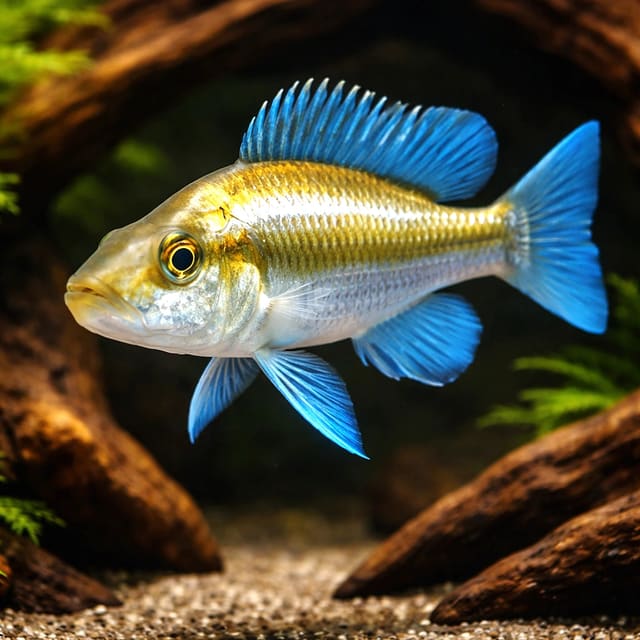
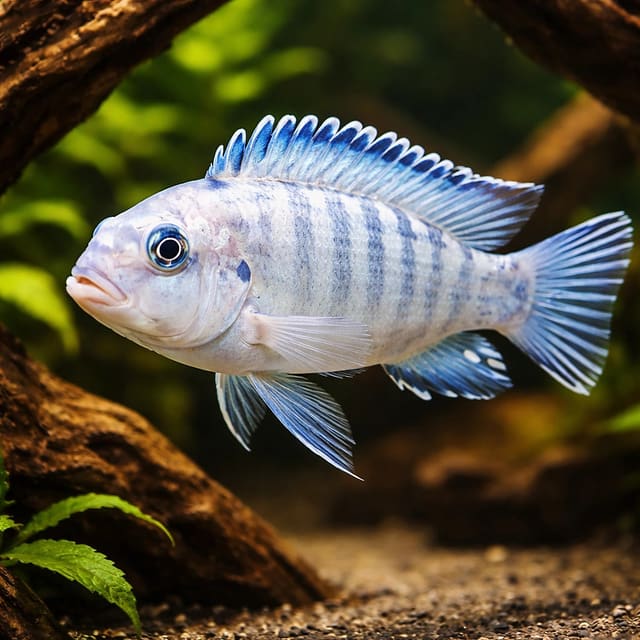
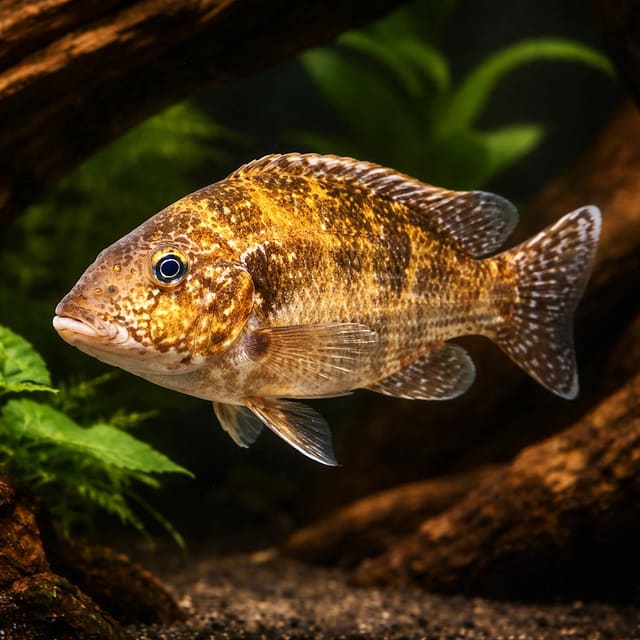
Red-Top Trematocranus (Otopharynx lithobates)
24–27°C · pH 7.5–8.5 · 300L
£13.99

A striking Lake Victoria cichlid with bold tiger-like patterning and lively behavior, ideal for hard, alkaline African cichlid setups. Moderate care, semi-aggressive. 23-27C, pH 7.5-8.5.
Adult size is the maximum length this species reaches at full maturity (scientific sources). The livestock you receive will be younger and smaller — pick a size above for the actual shipping size. Product-photo provenance and any image-specific limitations are stated on the listing.
Haplochromis fenestratus
Save when buying multiple fish. Each quantity is one fish; sex and pair formation are not guaranteed unless the selected variant explicitly states them.
Confirm your email, then we’ll send an availability message for this exact item if it returns within 180 days.
This request is only for this product—no newsletter or other promotions. A mail-provider retry may very rarely duplicate the same availability message. Unconfirmed addresses are removed after 48 hours. See our privacy policy.
A striking Lake Victoria cichlid with bold tiger-like patterning and lively behavior, ideal for hard, alkaline African cichlid setups. Moderate care, semi-aggressive. 23-27C, pH 7.5-8.5.
Adult size is the maximum length this species reaches at full maturity (scientific sources). The livestock you receive will be younger and smaller — pick a size above for the actual shipping size. Product-photo provenance and any image-specific limitations are stated on the listing.
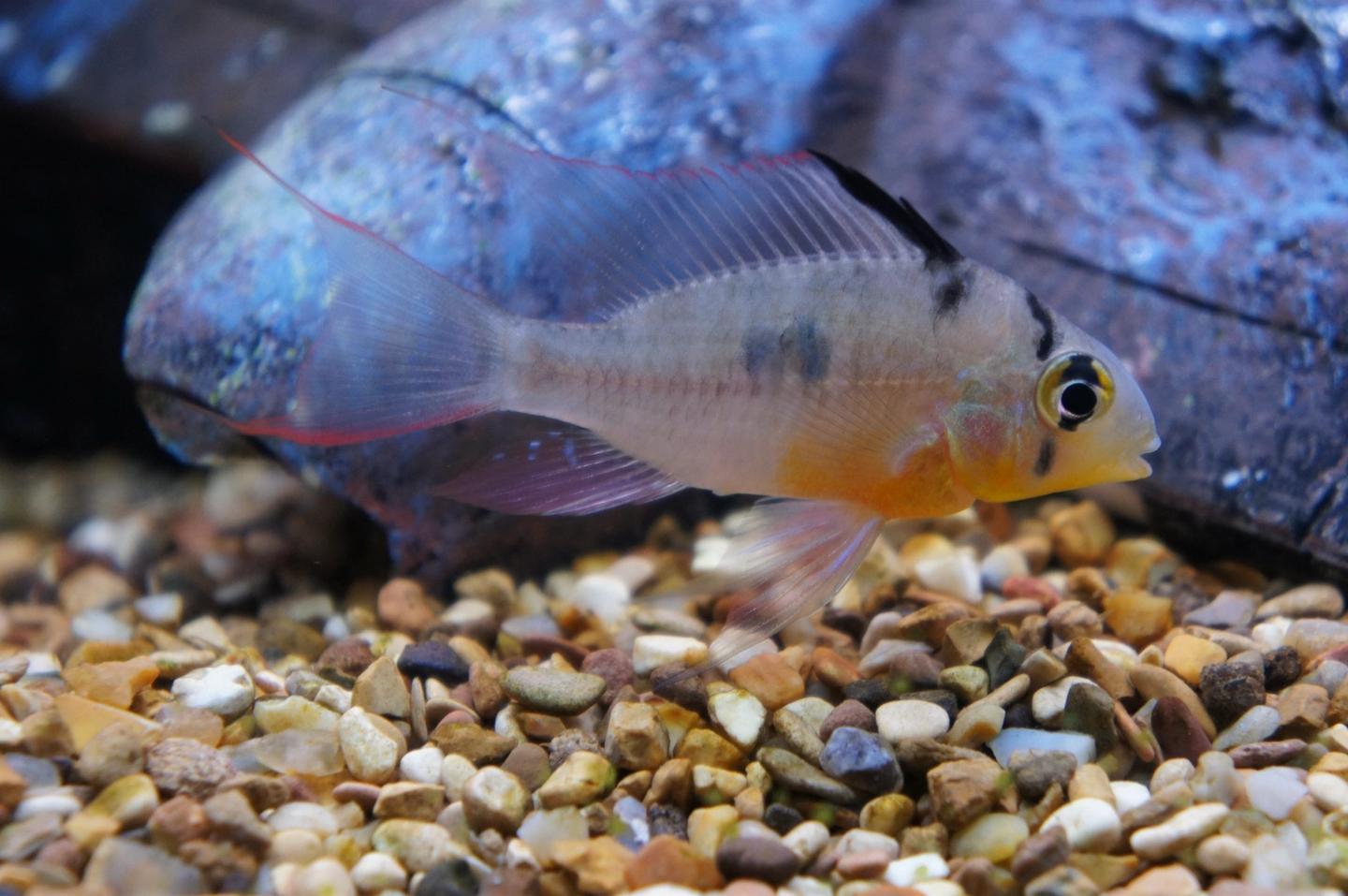
Cichlids are a family of roughly 1,800 accepted species, not one care type. Before buying, identify the exact species and source, then compare adult measurement, usable tank dimensions, social system, territory, tested water, diet and an exit plan. No family-wide minimum tank, water range or tank-mate list is safe.
Maintain these water conditions for optimal health and vibrant colors
Steveni Tiger Cichlid is the trade name on our stock records for a Lake Malawi hap usually treated in current aquarium references as Protomelas fenestratus. The supplier feed still uses the older trade-style label Haplochromis fenestratus eastern, so this page keeps that wording as useful search and source context while presenting the fish under the clearer Protomelas name.
This is not a small community fish and it should not be sold as a generic "African cichlid for sale" page. It is a colourful Malawi display hap for keepers who can provide hard, alkaline water, open swimming room, rock-and-sand structure, and calmer cichlid tank mates. Young fish are more subtle, but mature males can develop a blue-green body, yellow to orange dorsal colour and dark vertical striping that gives the Steveni Tiger name its meaning.
The current product is a multi-size parent with 3-4 cm, 4-5 cm, 6-7 cm, 7-9 cm and XL variants. Choose smaller juveniles if you want a group to grow on together, or larger sizes if you want a faster route to adult colour and stronger display presence. All variants keep the same species care needs.
The 3-4 cm and 4-5 cm fish are best treated as juveniles. They need stable water, regular feeding and enough space from the beginning, but their adult pattern and sex differences will still be developing. The 6-7 cm and 7-9 cm options are better when you want a more established fish for an existing Malawi hap or peacock setup. XL fish are the closest choice to adult display impact, but they also need the most room and the most careful tank-mate planning.
If you are building a group, a male with several females is the calmer long-term target. If you are adding a single specimen to a mixed Malawi aquarium, avoid adding it to a cramped mbuna tank or to a setup already dominated by very aggressive haps. A slower, calmer introduction is usually better than dropping a new hap straight into the middle of an established hierarchy.
Steveni Tiger is bought for pattern as much as colour. References describe Protomelas fenestratus as a striped, window-patterned hap, and hobby sources use Steveni Tiger, Steveni Thick Bars and related locality names for forms in this complex. Young fish can look understated, especially females, but mature males can become a strong focal fish with blue, green, yellow and orange tones over dark bars.
The exact colour shown by any individual depends on sex, age, rank, locality influence, diet, lighting and tank confidence. A dominant male in a suitable Malawi aquarium will normally look much stronger than a newly arrived juvenile in a dealer tank. For that reason, the page uses both aquarium-style images and the reference photo rather than pretending every size will arrive fully coloured.
In the right tank, Steveni Tiger gives a different visual effect from a heavy predator hap or a restless mbuna group. It is a patterned, midwater Malawi fish that works best when it has room to cruise out from the rockwork, then drop back to boundaries and shelter. The fish can look calm for long periods and then suddenly switch into a display posture when feeding, courting or answering another male.
Use lighting that shows the blue-green body and warm dorsal colours without making the tank too bright and exposed. A darker rear background, pale sand and broken rock lines will normally make the fish easier to view and less nervous. The goal is a mature, structured Malawi display, not a bare holding tank.
Protomelas fenestratus is a Lake Malawi cichlid, not a South American or soft-water fish. FishBase records it from Lake Malawi and describes it around rocky shores and nearby sandy areas, especially where rocks carry a sediment layer. Other cichlid references describe Steveni Eastern forms from Malawi localities and note that the species complex varies a lot by geography.
That habitat matters in the aquarium. The fish needs a stable hard-water system with rocks for boundaries, sand or fine substrate for natural foraging behaviour, and open room for cruising. It should not be squeezed into a small mixed community just because the current stock size is juvenile.
Use a mature aquarium with strong filtration, good oxygenation and regular water changes. A practical adult setup starts around 300 litres, and 400 litres is better if you want a group or a mixed hap and peacock community. Build rock piles so fish can break line of sight, but leave open swimming lanes through the front and centre of the tank.
Sand or fine gravel suits the way this species feeds around sediment and rock surfaces. Robust decor is safer than delicate planting because Malawi haps can dig, shift sand and disturb loosely rooted plants. Limestone-based rock can help support mineral stability if your source water is not naturally hard enough, but always adjust water chemistry gradually.
Keep Steveni Tiger in clean, hard, alkaline water. A target band of 23-27°C, pH 7.5-8.5 and moderate to high hardness is appropriate for normal aquarium care. Avoid rapid pH swings and avoid mixing this fish into soft, acidic planted-community conditions. Nitrate should be kept controlled with sensible stocking, strong filtration and regular water changes.
If the fish arrives small, do not use the juvenile size as an excuse for a small aquarium. The safest plan is to settle young fish directly into the system that will support their adult behaviour. This also avoids the stress of repeated moves as the fish grows and starts to show stronger cichlid behaviour.
Feed a varied but controlled Malawi cichlid diet. A good staple is a quality pellet or flake designed for haps and peacocks, supported with spirulina or vegetable-based foods. Occasional frozen mysis, brine shrimp or similar foods can be used, but heavy high-protein feeding every day is not the right approach for this fish.
Several cichlid references caution against overdoing rich foods for Protomelas fenestratus. Small portions once or twice daily, eaten quickly, are better than large meals that foul the water. Colour and condition come from stability, suitable minerals, good food quality and low stress, not from overfeeding.
Steveni Tiger is usually more suitable with Malawi haps and peacocks than with rough mbuna. It is still a cichlid: adult males defend space, display strongly and may chase similar-looking fish, especially during breeding. Give it room, visual barriers and tank mates that are robust without being hyper-aggressive.
Good candidates include similarly sized Aulonocara, calmer Protomelas, Copadichromis and other non-mbuna Malawi species with compatible water needs. Avoid small community fish, shrimp, long-finned slow fish, soft-water species and very aggressive mbuna groups. Also avoid mixing near-identical Steveni or fenestratus-type forms if you want to reduce confusion and hybrid risk.
Like many Lake Malawi haplochromines, Steveni Tiger is a maternal mouthbrooder. Males display, hold a territory and court females. After spawning, the female carries the eggs and developing fry in her mouth. A calmer group structure with more females than males helps reduce pressure on a single female.
If breeding is the aim, provide space, stable water and a group rather than a single pair in a small tank. Fry should be raised separately or in a very structured tank if you want strong survival. Keep locality and trade-name forms separate where possible, because mixing similar Protomelas types can create confusing offspring.
Order this fish only if your aquarium is already cycled and stable. The ideal buyer has a Malawi hap or peacock tank already running, understands hard-water cichlid behaviour, and has space for the fish at adult size. If your aquarium is a soft-water community with tetras, dwarf cichlids, Corydoras or shrimp, this is the wrong species.
Because the current listing contains several size options, check the selected variant carefully before checkout. Smaller fish may take longer to colour, while larger fish need more confidence and space from day one. If you are unsure which size suits your tank, choose the calmer option and plan around adult size rather than the smallest current stock size.
We pack livestock carefully for overnight specialist delivery and this listing is covered by our Live Arrival Guarantee. First-time customers can use the 10% first-order code WELCOME10 where the promotion is active. The current stock status and exact size options are shown in the selector above the basket button.
If a size is out of stock, choose another available size or check back after the next supplier update. Prices, availability and inventory are controlled by the live Shopify variant data, so this care text does not alter the commercial fields. The care advice is here to help you decide whether the fish fits your aquarium before you buy.
Max adult size is the length this species reaches at full maturity (from scientific sources). The livestock you receive will be younger and smaller — pick a size on the buy box for the actual shipping size. Product-photo provenance and any image-specific limitations are stated on the listing.
Can become territorial.
Always research specific species before adding them to your tank. Consider:
No reviews for this item yet. Bought one? Honest reviews only, good or bad.
What customers say about ordering from us
I have a small group of long finned mountain minnows. So was delighted to be able to order ten of this variety to increase the genetics in my tank . The ones I recieved are healthy but it’s to early to give a verdict on wether they are of a long finned type since they are small currently.
Gordon Walker · 23 Sept 2026
100% success travel and "installation". Pleased with quality of purchase. The Siamese fighter a bit "shy" so have not yet seen him at his best yet but looking good. Happy customer. GG
George E Garratt · 21 Sept 2026
Reviews of our shop, collected by Judge.me, an independent third-party review collector. Newest first.