Moderate
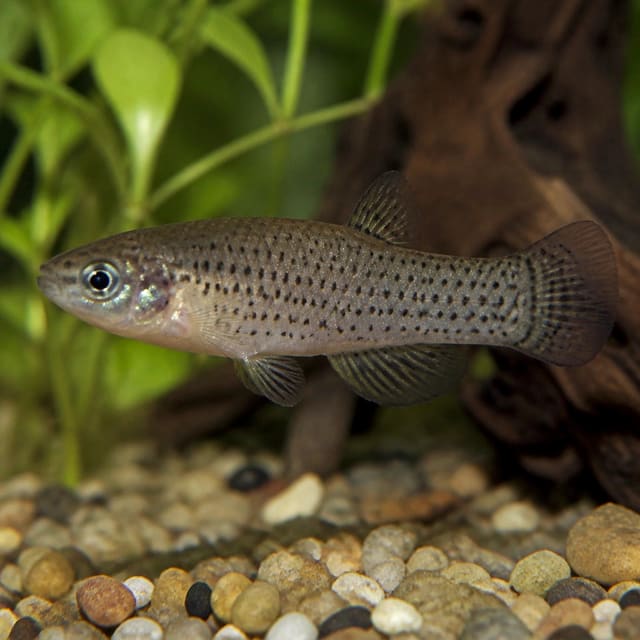
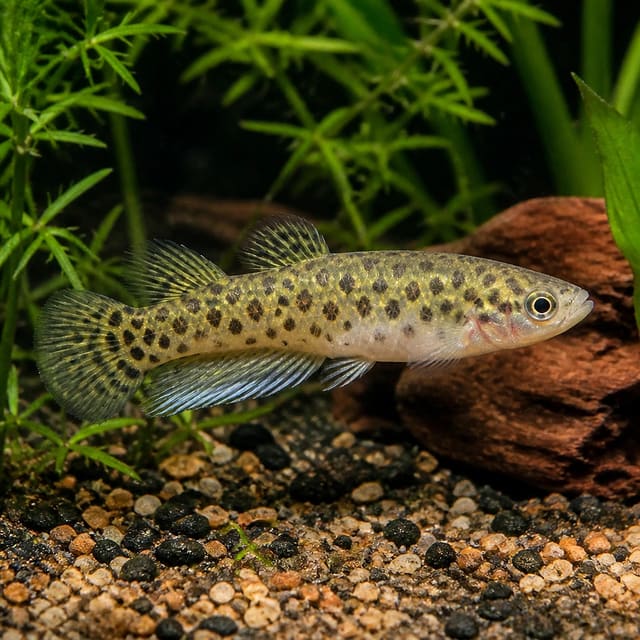
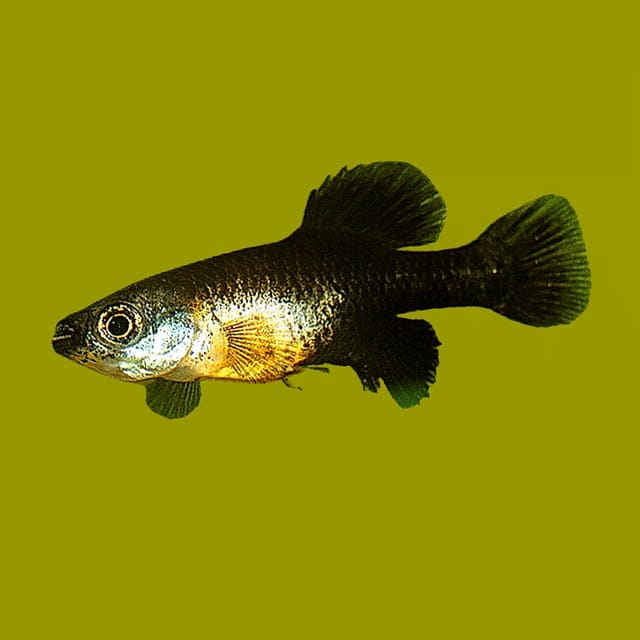
Twoline Skiffia (Skiffia bilineata; Neotoca bilineata)
18–24°C · pH 7–7.5 · 80L
£36.99
The Forest Halfbeak is a popular aquarium fish. Available now with live arrival guarantee and fast UK delivery.
Hemirhamphodon upogonognathus
Shoaling fish: kept in a group they feel safer, stay calmer and show their best colour.
Confirm your email, then we’ll send an availability message for this exact item if it returns within 180 days.
This request is only for this product—no newsletter or other promotions. A mail-provider retry may very rarely duplicate the same availability message. Unconfirmed addresses are removed after 48 hours. See our privacy policy.
The Forest Halfbeak is a popular aquarium fish. Available now with live arrival guarantee and fast UK delivery.
The Forest Halfbeak (Hemirhamphodon upogonognathus) is a slender, surface-dwelling oddity from the blackwater forest streams of South-East Asia. With its distinctive elongated lower jaw and habit of hanging just beneath the surface waiting for insects, it is a fascinating, unusual nano fish for the keeper who can provide the soft, tannin-stained water it needs.
Reaching around 6cm, the Forest Halfbeak has a long, pencil-thin body and the characteristic extended lower 'beak' of the halfbeak family. Males are more colourful, with subtle reds and blues in the fins and a longer beak used in displays and sparring. It sits high in the water, perfectly adapted to surface feeding.
Provide a quiet, well-planted aquarium of at least 40 litres with plenty of floating plants and a tight lid, as halfbeaks are nervous surface-dwellers prone to jumping. Soft, acidic blackwater conditions (pH 5.5–7.0) at 22–26°C, with botanicals and gentle flow, recreate its forest-stream home.
Halfbeaks live right at the surface and are easily startled into jumping. A tight, gap-free lid and calm surroundings are essential to prevent losses, and they should never be netted roughly.
Peaceful towards other species but with males that spar along the surface, the Forest Halfbeak is best kept in a small group with more females than males in a calm tank. It mixes well with other gentle, small blackwater fish that occupy the mid and lower water and leave the surface to the halfbeaks.
| Great tank mates | Best avoided |
|---|---|
| Small peaceful rasboras | Boisterous or fast fish |
| Pygmy corydoras | Surface-competing species |
| Dwarf loaches and otocinclus | Fin-nippers |
| Other calm blackwater nano fish | Large or predatory tankmates |
A surface insectivore, it needs small floating foods: fine flake, tiny floating pellets and — ideally — regular live and frozen foods such as fruit flies, daphnia, cyclops and small bloodworm. It rarely takes food from the bottom, so feed little and often at the surface.
Unusually for a small fish, the Forest Halfbeak is a livebearer, the female releasing a small number of relatively large, fully-formed fry after internal fertilisation. Dense floating plants give the fry cover, and a calm, mature, soft-water tank offers the best chance of raising them.
Feed small live foods at the surface — fruit flies and daphnia bring out the best colour and condition in halfbeaks, which often ignore dried food sitting still on the water.
Every Forest Halfbeak is hand-selected and quarantined before sale, then packed in oxygenated bags with insulation and heat packs when needed and sent by tracked, live-animal courier. Your order is covered by our Live Arrival Guarantee, so it reaches you safely anywhere in the UK.
No reviews for this item yet. Bought one? Honest reviews only, good or bad.
What customers say about ordering from us
Easy website plenty of info on fish your buying great to pick a time slot
TRACEY DURRANT · 7 Oct 2026
Got some lovely fish thank you
Kevin Mackie · 7 Oct 2026
Reviews of our shop, collected by Judge.me, an independent third-party review collector. Newest first.