Assorted Discus Fish (Symphysodon aequifasciatus) - Live tropical fish for sale UK

Symphysodon aequifasciatus

Discus Fish - Moderate Care | UK

Advanced Care
Peaceful
£35.99In Stock

Buy discus fish for sale in the UK from healthy, carefully packed stock. Ideal for experienced aquarists. Order now for fast UK delivery.

CichlidsCommunity FishFreshwater FishModerate CarePeacefulShow FishWarm Water

Care at a Glance

Scientific Name
Symphysodon aequifasciatus
Adult Size
20 cm
Lifespan
10 years
Care Level
Difficult
Temperament
Peaceful
Temperature
28–32°C
pH Range
5.5–7
Hardness
1–8 dGH
Minimum Tank
250L
Diet
High-quality discus pellets, frozen bloodworms, beef heart, brine shrimp

Premium Quality

Healthy, vibrant fish from trusted suppliers

Expert Care

Detailed care guides and support

Live Arrival Guarantee

Your fish arrives healthy or we'll replace it

Acclimated

Properly quarantined and ready for your tank

Quick Care Guide

Temperature
28–32°C
pH Range
5.5–7
Minimum Tank
250L
Adult Size
20 cm
Lifespan
10 years
Care Level
Difficult
Temperament
Peaceful
Diet
High-quality discus pellets, frozen bloodworms, beef heart, brine shrimp
Water Hardness
1–8 dGH
Tank Region
Middle

Water Parameters

Maintain these water conditions for optimal health and vibrant colors

Temperature
28–32°C
28°CIdeal Range32°C
pH Level
5.5–7
5.5Ideal Range7
Water Hardness
1–8 dGH
1 dGHIdeal Range8 dGH

Why Choose This Fish?

Buy discus fish for sale in the UK from healthy, carefully packed stock. Ideal for experienced aquarists. Order now for fast UK delivery.

Round, elegant, and instantly recognisable, Discus Fish are often called the kings of the freshwater aquarium for good reason. Their calm movement, bold patterning, and social behaviour make them one of the most rewarding species for aquarists who want something more refined than standard community fish. If you are searching for tropical fish for sale UK, few species create the same visual impact as Symphysodon aequifasciatus. Native to the warm, slow-moving waters of the Amazon Basin, discus are peaceful but demanding fish that thrive in groups, need excellent water quality, and reward careful keepers with exceptional colour and fascinating behaviour. Adults can reach around 20 cm, live up to 10 years, and do best in a warm, stable setup with soft, clean water.

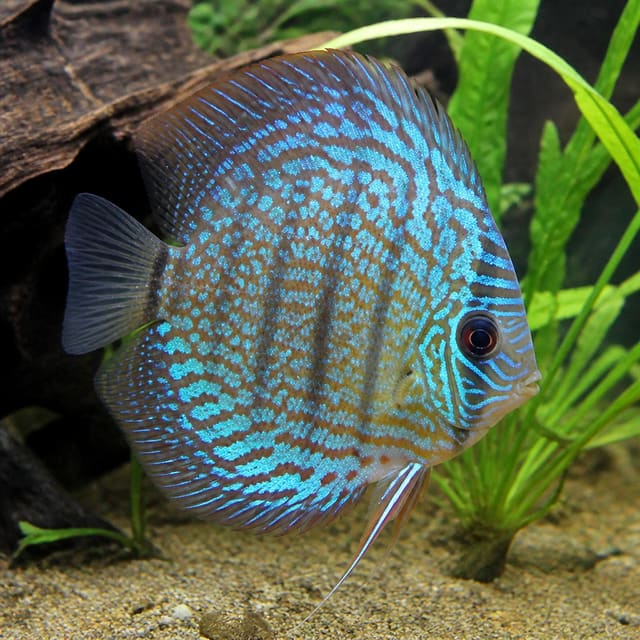
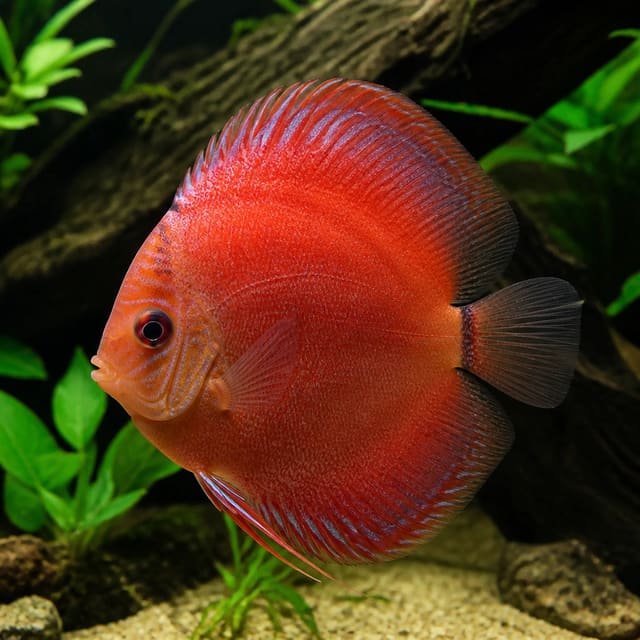
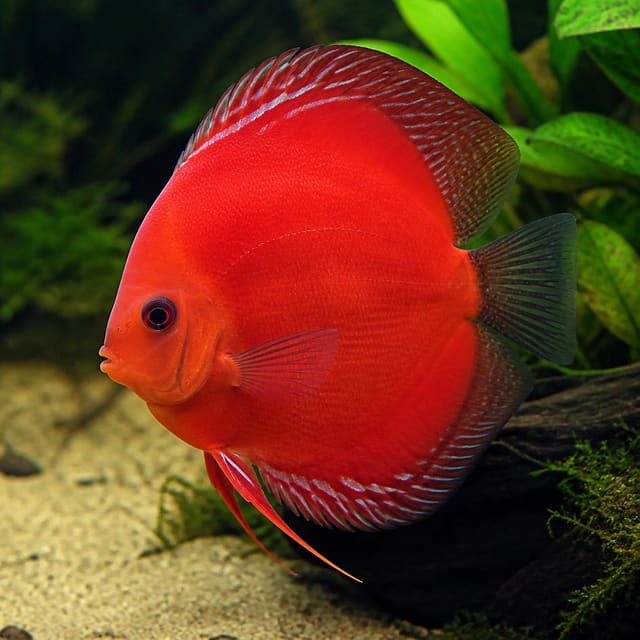
This randomly selected 3-4 cm juvenile offers a great way to start or expand a discus group, whether you are planning a dedicated display or a carefully managed discus community tank. See our detailed photos showing the body shape, finnage, and developing colour potential of these young fish. For aquarists looking to buy fish online, buy tropical fish UK, or compare discus for sale with other freshwater tropical fish for sale uk, this listing gives you a healthy young fish with real long-term potential. They are not tropical fish for beginners, but for keepers ready to provide the right discus tank setup, they are among the most impressive discus fish UK options available.

🔹 Quick Facts

  • Scientific Name: Symphysodon aequifasciatus
  • Care Level: Moderate to difficult
  • Min Tank Size: 250 litres (55 gallons+) for a group
  • Temperature: 28-32°C (82-90°F)
  • pH Range: 5.5-7.0
  • Lifespan: Up to 10 years
  • Temperament: Peaceful, social, hierarchical
  • Diet: Omnivore; pellets, frozen foods, enriched protein foods

Classification

  • Order: Cichliformes
  • Family: Cichlidae
  • Genus: Symphysodon

Discus belong to the cichlid family, but they are very different from the aggressive rock-dwelling cichlids many aquarists first think of. As a South American freshwater cichlid UK favourite, Symphysodon UK fish are prized for their rounded body, gentle temperament, and advanced parental care. In the hobby, they sit at the more specialised end of community tropical fish uk fishkeeping, often compared with angelfish because both are laterally compressed Amazon cichlids.

Where Do Discus Fish Come From? Natural Habitat Explained

Wild discus come from the Amazon Basin in South America, especially slow tributaries, floodplain lakes, and calm forest waters in Brazil and nearby regions. These habitats are warm year-round, often shaded by overhanging vegetation, and rich in roots, branches, leaf litter, and tannins. Water movement is usually gentle, visibility can be low, and the chemistry tends toward soft, slightly acidic conditions. That is why successful discus water parameters in captivity focus on warmth, stability, and cleanliness rather than strong current.

In nature, discus feed on a mix of small invertebrates, organic matter, algae films, and detritus. They are social fish and are often found in groups, which explains why the discus group size minimum should never be treated lightly in the aquarium. A single fish or pair in a general display often becomes shy, stressed, or bullied. A proper group helps spread social pressure and encourages more confident behaviour.

For aquarists browsing tropical fish for sale online, tropical fish uk for sale, or live tropical fish for sale uk, it helps to remember that captive-bred discus are more adaptable than wild fish, but they still reflect their Amazon origins. Warm, soft water remains important, and sudden swings in temperature or pH are a common cause of stress. This is also why discus are not comparable to cold water fish for sale uk or novelty searches like home aquarium sharks uk; their care is specialised and focused on tropical stability.

Modern strains are bred in a wide range of colours and patterns, so today’s tropical discus fish for sale uk market includes everything from pigeon bloods to snake skins and marlboros. If you are looking for discus tropical fish for sale uk, exotic tropical fish for sale uk, or even rare tropical fish for sale uk, discus remain one of the standout choices for a warm freshwater show tank.

💡 Expert Tip

Mimicking the natural habitat does not mean making the tank dark and cluttered. For discus, the key is warm, very clean water, calm flow, and enough vertical swimming space. A simple setup with open areas and a few carefully chosen plants often works better than an overdecorated aquarium.

How to Set Up the Perfect Tank for Discus Fish

The ideal discus tank setup starts with space. The accepted discus minimum tank size for a proper group is 250 litres, but in practice many keepers prefer 300 litres or more for six juveniles or adults. When people search discus tank mates 55 gallon, the answer is that 55 gallons can be a starting point for a small, carefully managed group of young fish, but larger tanks are easier to keep stable and usually lead to better long-term results. Because discus are social and hierarchical, discus tank size is not only about swimming room; it is about reducing stress and giving weaker fish space to avoid dominant individuals.

Tank Size Requirements

For this 3-4 cm juvenile size, a grow-out group can be started in a spacious tank with strong maintenance, but plan ahead for adult size. Juveniles need frequent feeding and pristine water, so a bare-bottom or lightly decorated grow-out tank is common for serious keepers. If you are building a display aquarium, think in terms of a long-term mixed discus for large tank layout with open central swimming space and calm side zones.

Water Parameters

The best discus temperature range is 28-32°C, with 29-30°C being a practical target for many mixed community setups. If you see searches for discus ideal temperature, aim for the middle of that range unless you are treating illness or conditioning breeders. The correct discus pH level is 5.5-7.0, while discus water hardness should stay low at around 1-8 dGH. In simple terms, discus prefer discus soft water, but stability matters more than chasing an exact number every day. Reliable discus water parameters are far better than constant adjustment.

250L+
Minimum tank
28-32°C
Temperature
5.5-7.0
pH
1-8 dGH
Hardness

Filtration

Discus need excellent biological filtration, but they dislike harsh current. A large external canister filter or oversized internal system with gentle return flow works well. The goal is high oxygenation, stable biofiltration, and low dissolved waste. Because discus water changes are such a big part of success, filtration should support maintenance rather than replace it. Many experienced keepers combine strong filtration with 30-50% water changes several times per week, especially during juvenile discus care.

Substrate

For grow-out tanks, bare-bottom setups make waste removal easy. For display tanks, fine sand in natural tones works well and suits their calm appearance. Avoid sharp gravel. A pale or neutral substrate often helps fish feel secure while also making debris easy to spot during routine cleaning.

Plants & Decor

People often ask about discus tank mates and plants. Yes, discus can be kept in planted aquariums, but choose species that tolerate heat. Good options include Amazon swords, Anubias, Java fern, Vallisneria, and floating cover in moderation. If you are browsing tropical fish tank plants for sale uk, tropical fish plants for sale uk, or even searching for tropco plants, focus on hardy plants that can handle 28-30°C without melting. Use wood, roots, and broad-leaved plants to create visual breaks without crowding the tank.

For colour-themed displays, you can also compare this randomly selected fish with named strains such as Leopard Spotted Discus Fish, Discus Yellow Pigeon Symphysodon Aequifasciatus Discus, Discus Fish Red Valentine, and Discus Fish Snake Skin Blue Stunning.

Lighting Requirements

Moderate lighting is usually best. Very bright light in a bare tank can make young discus nervous, while too little light reduces plant growth and makes health checks harder. Aim for 7-9 hours daily in a planted display. A timer helps keep the routine stable.

🔹 Quick Setup Checklist

  • Tank of at least 250 litres for a proper group
  • Stable heater set between 28-30°C
  • Gentle but powerful biological filtration
  • Soft, clean water with low nitrate
  • Open swimming space plus cover from wood or plants
  • Group of 6+ to reduce social stress

💡 Pro Tip

Always cycle the aquarium for 4-6 weeks before adding discus. Warm water speeds metabolism and feeding, which means waste builds quickly. An immature filter that seems fine for hardy fish can fail badly once juvenile discus feeding increases.

What Do Discus Fish Eat? Complete Feeding Guide

The ideal discus diet is varied, digestible, and matched to age. In the wild, discus pick at tiny invertebrates, plant matter, and organic films. In captivity, the staple diet should be high-quality discus pellets or granules designed for slow, repeated feeding. Frozen bloodworm, brine shrimp, mysis, and carefully prepared beef heart mixes are commonly used supplements, though rich foods should not dominate the menu long term.

Staple Foods

For daily feeding, use a quality discus pellet as the base. This gives consistent nutrition and cleaner water than messy homemade mixes. Juveniles need more frequent meals than adults, so discus feeding juvenile routines often involve 3-5 small feeds per day. A proper juvenile discus feeding schedule supports shape, body depth, and even growth.

Supplemental Foods

Frozen brine shrimp and bloodworms are useful, but should be fed in moderation and from trusted sources. Variety helps reduce fussiness and can improve colour. Many keepers of Mixed Discus Fish rotate pellet, frozen food, and a soft prepared food to encourage all fish in the group to feed confidently.

Treats & Conditioning Foods

Protein-rich foods are useful when conditioning pairs for breeding or supporting fast-growing juveniles. This is where an assorted discus care guide differs from a generic tropical guide: discus need richer feeding than many small community fish, but overfeeding is one of the fastest ways to ruin water quality.

Feeding Frequency & Portion Control

Adults usually do well on 2-3 small meals per day. Juveniles need more frequent feeding, especially during rapid development. The best rule is simple: offer only what they can finish within a few minutes, then remove leftovers. This matters because discus growth rate depends on both nutrition and water quality; heavy feeding without heavy maintenance leads to stunting and disease.

Time Food Amount
Morning Discus pellets/granules Small portion, fully eaten in 2-3 minutes
Afternoon Frozen brine shrimp or soft prepared food Light feed for juveniles only
Evening Discus pellets or frozen bloodworm Moderate portion, no leftovers

If you are comparing where to buy tropical fish UK and how to feed them after delivery, keep the first day light. Newly arrived fish may not eat immediately. That is normal. A calm tank and stable temperature matter more than forcing food. This is also why the best place to buy tropical fish online is one that ships healthy fish with a clear acclimation and feeding plan.

⚠️ Feeding Warning

Overfeeding causes ammonia spikes, cloudy water, and bacterial problems. Discus are expensive fish to grow well, but the answer is not more food alone. Clean water and measured portions are what turn a good juvenile into a strong adult.

Discus Fish Pigeon Blood Symphysodon Aequifasciatus — Useful as a comparison if you want to build a colour-coordinated feeding and grow-out group.
Discus Fish Red Marlboro Symphysodon Aequifasciatus — A named strain option for keepers who prefer a more predictable adult appearance than a random juvenile.

Discus Fish Appearance: Colors, Patterns & Varieties

Discus are famous for their near-circular body shape, laterally compressed profile, and smooth, gliding swimming style. Adults commonly reach 15-20 cm, though exceptional fish can grow larger in ideal conditions. Their fins are long but not exaggerated, giving them a clean, rounded silhouette that stands apart from taller Amazon cichlids like angelfish.

This listing is for a randomly selected juvenile, so colour and pattern will develop over time. That makes it ideal for aquarists comparing assorted discus or selected variety options. If you enjoy watching a fish mature and surprise you, assorted discus UK listings can be very rewarding. If you want a specific look from day one, a named strain may suit you better. In hobby terms, the choice often comes down to assorted discus vs single variety.

Young fish may show early hints of blue, red, brown, or barred patterning, but final colour depends on genetics, diet, lighting, and stress level. This is why many keepers see randomly selected fish as the best discus starter collection for learning how colour develops. A group of juveniles can also be a practical route for assorted discus for beginners who are ready to learn but do not need matched show-grade adults.

Our photos show the body shape and quality of the juveniles, but each fish is individual. If you are looking to buy assorted discus UK, buy random discus UK, buy surprise discus UK, or browse assorted discus online UK, expect natural variation. That variation is part of the appeal, especially in a mixed group where patterns develop differently over time.

What Fish Can Live With Discus Fish? Compatibility Guide

Discus tank mates must tolerate high temperatures, stay peaceful, and avoid nipping fins or outcompeting discus for food. This is where many mixed tropical setups fail. A fish that is peaceful at 24-25°C may become stressed or short-lived at 29-30°C. The best discus fish tank mate compatibility choices are species that naturally suit warm, soft water and calm conditions.

Ideal Tank Mates

Classic choices include cardinal tetra discus combinations, Sterbai Corydoras, Otocinclus, and bristlenose plecs. Cardinal tetras are one of the most reliable options because they enjoy similar water conditions and create movement without bothering the discus. If you are searching tetras for sale uk or tetra fish for sale uk for a discus display, cardinal tetras are usually a stronger choice than cooler-water tetra species.

Some aquarists also ask about discus and angelfish or discus and angelfish tank mates. It can work in a large, carefully managed aquarium, but it is not always ideal. The discus vs angelfish comparison matters because angelfish are often bolder feeders and may carry parasites if not quarantined. So while angelfish appear on many angelfish tank mates lists, they are a caution species rather than a guaranteed match for discus.

Good community planning matters if you want a true discus community tank. Think in terms of a warm Amazon-style display rather than a random freshwater fish bundle. Discus do best with calm companions, not busy top-water fish, fin nippers, or aggressive cichlids. This is why many online forum searches such as discus tank mates monsterfishkeepers, discus tank mates simplydiscus, and stendker discus tank mates all come back to the same principles: warm water, peaceful behaviour, and strict quarantine.

Species Compatible? Notes
Leopard Spotted Discus Fish ✅ Yes Same genus; suitable for a mixed discus group in a large tank
Cardinal tetra ✅ Yes Excellent warm-water schooling companion for adult discus
Sterbai Corydoras ✅ Yes One of the best bottom dwellers for high temperatures
Angelfish ⚠️ Caution Possible in large tanks, but quarantine and feeding competition are concerns
Barbs/fin nippers ❌ Avoid Stress discus and damage fins
Goldfish or other cold-water fish ❌ Avoid Completely different temperature needs; not like cold water fish for sale uk setups

Within the species itself, mixed discus compatible with each other is usually yes, provided the tank is large enough, the fish are similar in size, and the group is not too small. A mixed discus vs matched group choice is mostly aesthetic. A mixed group offers variety, while a matched group gives a more uniform display. For many keepers, live mixed discus UK groups are the most interesting because social behaviour is more dynamic and colour contrast is stronger.

If you are considering mixed discus for sale UK, mixed discus shop UK, or a Symphysodon Mixed display, aim for six or more fish. That is the safest route to the right perfect discus tank mates balance within the species itself. As for unusual discus tank mates, proceed carefully. Rams may work in some tanks, leading to the occasional ram cichlid discus setup, but only if the aquarium is stable and warm enough for both.

Discus are a specialised choice within community tropical fish uk fishkeeping. They are not comparable to impulse purchases from searches like tropical fish pets at home, fish for sale pets at home, or tropical fish shop near me. Success comes from planning, not convenience.

💡 Compatibility Tip

Always quarantine new arrivals for 2-4 weeks before adding them to a discus aquarium. Discus are sensitive to parasites and bacterial issues, and a peaceful-looking tank mate can still introduce serious problems.

How to Breed Discus Fish: Complete Breeding Guide

Discus breeding is advanced but fascinating. They are one of the few aquarium fish whose fry feed on a mucus secretion from the parents’ skin. That unique behaviour is one reason experienced aquarists become so dedicated to the species. If you are starting with juveniles, breeding is a long-term project rather than an immediate goal, but understanding the process helps with juvenile discus growth guide planning and pair development.

Breeding Setup

A dedicated breeding tank of around 100-150 litres for a proven pair is ideal. Keep the water very clean, soft, and warm at around 29-31°C. Use a spawning cone, vertical slate, or smooth upright surface. Gentle aeration and stable conditions are more important than decoration. This is not a tropical fish starter species for casual breeding attempts.

Spawning Behaviour

Pairs clean a site, display to each other, and lay adhesive eggs in rows. Because juvenile discus vs adult discus care is so different, most keepers grow a group first and let pairs form naturally. Sexing young fish is unreliable, so buying a group is usually more effective than trying to choose a male and female at small size.

Egg Care & Hatching

Eggs usually hatch in about 48-60 hours depending on temperature. Parents often move wrigglers to another surface before the fry become free swimming. First-time pairs may eat eggs or wrigglers; this is common and not always a sign of failure. Stable water and low disturbance matter more than constant intervention.

Fry Care & Growth

Once free swimming, fry attach to the parents and feed from their skin mucus. This is one of the most remarkable behaviours in freshwater fishkeeping. Later, newly hatched brine shrimp and fine prepared foods are introduced. Strong growth depends on frequent feeding, near-perfect hygiene, and careful observation. That is why terms like juvenile discus care, mixed discus care, and juvenile discus feeding schedule matter so much for serious breeders.

For buyers searching tropical fish for sale online uk, tropical fish for sale in uk, tropical fish for sale in the uk, or tropical fish for sale uk delivery, captive-bred juveniles are usually the most practical route into discus keeping. They are more adaptable than wild fish and much better suited to learning the species before attempting breeding.

Advanced Breeding Tip

Condition a future breeding group on varied, high-quality foods and keep nitrate consistently low with large, regular water changes. In discus, breeding success often reflects months of stable husbandry rather than a single spawning trick.

Discus Fish vs Similar Species: Which Should You Choose?

Many aquarists compare discus with angelfish because both are Amazon cichlids with elegant body shapes. The difference is that discus demand hotter water, cleaner conditions, and more disciplined maintenance. If you want a true centrepiece fish and are ready for regular care, discus are hard to beat. If you want a more forgiving cichlid for a mixed community, angelfish are easier.

Feature Discus Fish Angelfish
Max Size Up to 20 cm 15 cm body, taller with fins
Care Level Moderate to difficult Moderate
Temperature 28-32°C 24-28°C
Price From around £35+ Usually lower
Best For Dedicated warm-water show tanks General Amazon community tanks

The discus and angelfish question often comes up because both look elegant, but their care priorities differ. Discus are more sensitive to poor water quality and social stress. Angelfish are generally tougher and better suited to people moving beyond tropical fish for beginners but not ready for advanced routines. If you are choosing between them, discus are the better fish when your main goal is a warm, carefully curated display with a strong maintenance schedule.

Feature Discus Fish Ram Cichlid
Social Structure Best in groups of 6+ Usually kept as pairs
Tank Size 250 litres+ 90 litres+ for a pair
Water Quality Sensitivity Very high High
Display Impact Large centrepiece fish Smaller accent cichlid
Best For Specialist discus keepers Warm nano-to-mid community tanks

If you want a named colour strain instead of a random juvenile, compare this listing with Red Alenqer Discus Fish, Discus Fish Red Marlboro Symphysodon Aequifasciatus, and Discus Red-White Snakskin Symphysodon Aequifasciatus. Those are better for keepers who know exactly what adult look they want.

Common Health Problems in Discus Fish & How to Prevent Them

Healthy discus are alert, evenly rounded, interested in food, and hold their fins well. Their breathing should be calm, their body shape should be full rather than pinched, and they should not isolate constantly unless hierarchy is being established. Because discus care is so dependent on water quality, many health problems begin with stress rather than pathogens alone.

Common Problems

Typical issues include white stringy faeces, darkened colour, clamped fins, rapid breathing, head standing, poor appetite, and hollow bellies. External parasites, gill flukes, intestinal flagellates, bacterial infections, and hole-in-the-head can all appear in poorly managed systems. Young fish are especially vulnerable if the discus water changes routine is inconsistent.

Treatment & Prevention

The first response should always be to test water and review maintenance. Correct discus pH level, low nitrate, and stable discus temperature are the foundation of prevention. Good discus diet, low stress, and quarantine are equally important. In many cases, improved water quality solves early symptoms before medication is needed.

Be careful with broad assumptions from unrelated searches such as free tropical fish, free tropical fish to good home, or unwanted tropical fish. Rehomed fish can be excellent, but discus should never be added without quarantine. They are too valuable and too sensitive to risk a direct introduction.

⚠️ Health Warning

Never medicate a display tank casually. Diagnose first, isolate if possible, and remember that warm water speeds both fish metabolism and disease progression. Discus often decline quickly when symptoms are ignored for even a few days.

🔹 Quarantine Protocol

  • Use a separate heated tank for 2-4 weeks
  • Match temperature closely to the main discus aquarium
  • Observe appetite, faeces, breathing, and body condition daily
  • Perform frequent partial water changes
  • Only move fish once they are feeding strongly and symptom-free

Understanding Discus Fish Behavior in the Aquarium

Discus are peaceful, observant, and strongly social. They spend much of their time in the middle water, turning slowly as a group and watching the room outside the glass. In a settled aquarium, they are not shy fish, but they dislike sudden movement, poor tank mate choices, and unstable conditions.

Hierarchy is normal. A dominant fish may claim the best feeding spot, especially in small groups. That is why the discus group size minimum matters so much. In larger groups, aggression is usually limited to brief chasing and posturing. In undersized groups, weaker fish can be excluded from food.

One of the most interesting behaviours is their parenting. Breeding pairs clean surfaces, guard eggs, and later allow fry to feed from their skin. Even outside breeding, discus show a level of social awareness that many aquarists find more engaging than standard community fish. A well-managed mixed discus for large tank display often becomes calmer and more confident over time as the group settles.

Why Buy from Tropical Fish Co?

These juvenile discus are selected for active behaviour, good body shape, and suitability for onward growth in a warm, stable aquarium. With random juveniles, the goal is not just colour on day one; it is strong long-term development. That matters when you are choosing discus for sale, affordable discus UK, or comparing best place to buy tropical fish online uk options. A healthy juvenile with proper structure and appetite is worth far more than a brightly coloured but poorly started fish.

Before dispatch, fish are observed for feeding response, swimming behaviour, and obvious signs of stress. They are packed for transport in insulated boxes with professional fish bags, and heat packs are used in cold weather when needed. For buyers looking for tropical fish for sale uk delivery, buy live fish online uk free delivery style convenience should never come at the expense of packing quality. Discus need warmth and oxygen stability during transit.

We also know that many customers compare specialist stock with searches like tropical fish for sale near me, tropical fish pets at home, all pond solutions tropical fish, or tropical fish tanks for sale uk. The difference with discus is that support matters after purchase. Acclimation advice, feeding guidance, and realistic setup expectations are part of successful ownership. If you are building a tropical fish tank for sale uk display or upgrading to one of the large tropical fish tanks for sale uk suited to discus, planning the whole system is the smart route.

For collectors of Symphysodon UK fish, this random juvenile format is a practical way to start a group, test compatibility, or build a future breeding project. It also works well for aquarists who want large tropical fish for sale uk centrepieces without committing to a single named strain immediately. Order your Discus Fish today with confidence if you are ready to provide the warm, clean, stable conditions they deserve.

Why Choose Tropical Fish Co for Discus Fish

  • Young discus chosen for active feeding response and balanced juvenile body shape
  • Packed specifically for warm-water cichlids with insulated protection and seasonal heat support
  • Ideal option for starting a mixed group before selecting future favourite colour strains

You Might Also Like

If you are planning a full discus display, consider adding or comparing a few related options. The Discus Yellow Pigeon Symphysodon Aequifasciatus Discus is a bright named strain for a more predictable adult look, while the Discus Fish Red Valentine offers stronger red development for colour-focused aquariums. For pattern lovers, the Discus Fish Snake Skin Blue Stunning and Discus Red-White Snakskin Symphysodon Aequifasciatus are excellent comparisons.

If you are still deciding between assorted discus care guide style variety and a fixed strain, the Leopard Spotted Discus Fish and Discus Fish Pigeon Blood Symphysodon Aequifasciatus help show how different adult patterns can become within the same genus.