By Connor Boyle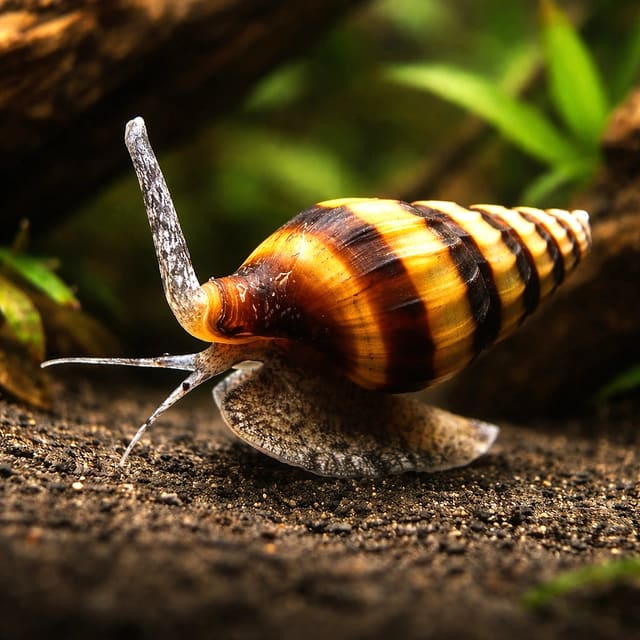
Easy
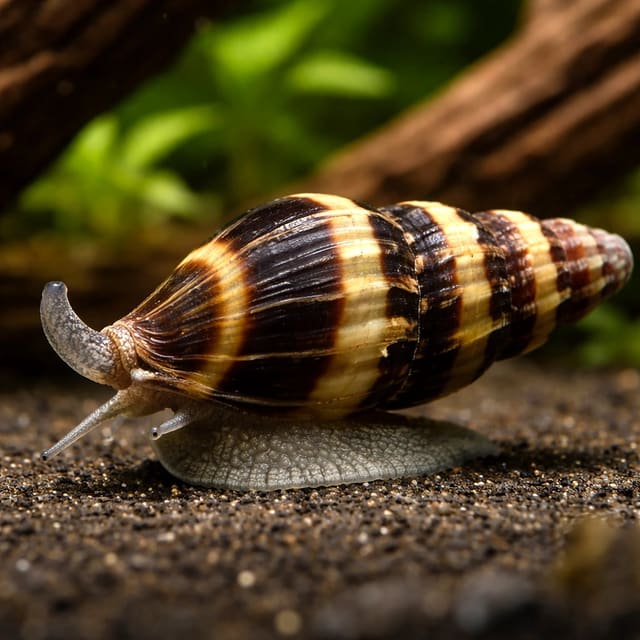
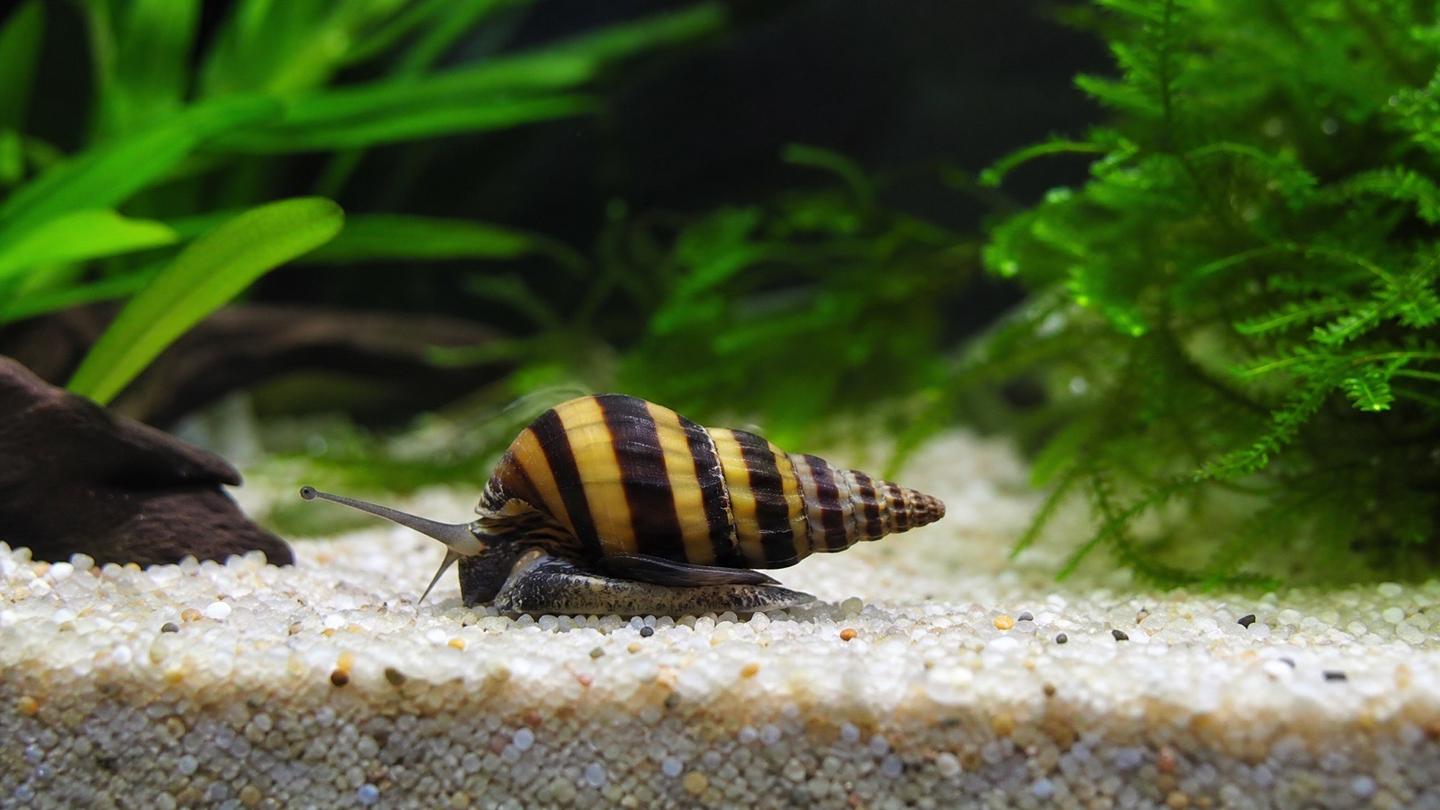
Assassin Snail (Anentome helena)
22–27°C · pH 6.5–7.5 · 20L
£6.49
Freshwater Snails · Buying Guide
Assassin snails (Anentome helena) for sale in the UK — the natural way to control pest snails. Care, water parameters, what they eat, breeding, and live stock with careful UK dispatch.
2 products in stock today
Live prices and stock. Every fish covered by our Live Arrival Guarantee.
The shaded band shows the range assassin snail is comfortable in. Match it to your tap water before you buy.
Our trained assistant knows this assassin snail page inside out. Ask it anything — water parameters, tank mates, how many to buy — or have it read the guide aloud while you set up your tank.
If your tank has been taken over by bladder snails or Malaysian trumpet snails — the tiny hitchhikers that arrive on plants and multiply overnight — the assassin snail (Anentome helena) is the calm, natural answer. It's a small predatory snail that does exactly one thing brilliantly: it hunts and eats other snails. No snail-killing chemicals (which quietly poison shrimp and other invertebrates), no tearing the tank down — just a few assassins quietly bringing the population back under control over a few weeks.
What makes them ideal is the balance: they're effective enough to clear an outbreak, but they breed so slowly that they never become a pest themselves. They're peaceful with fish and adult shrimp, easy to keep, and genuinely interesting to watch as they burrow through the substrate and emerge to hunt.
Assassin snails are hardy and beginner-friendly, with one thing worth getting right: water hardness. Their conical, gold-and-brown banded shells are built from calcium, and in soft, acidic water those shells slowly pit and erode. Aim for neutral-to-alkaline water (pH 7.0–8.0) with moderate-to-hard mineral content. If your water is naturally soft, a cuttlebone or a small amount of crushed coral keeps their shells solid.
Give them sand or fine, smooth gravel — they burrow to ambush prey and to rest. A standard tropical temperature of 21–27 °C suits them, and a 40 litre tank is plenty for a small working group. Avoid copper-based medications and fertilisers, which are toxic to all snails and shrimp.
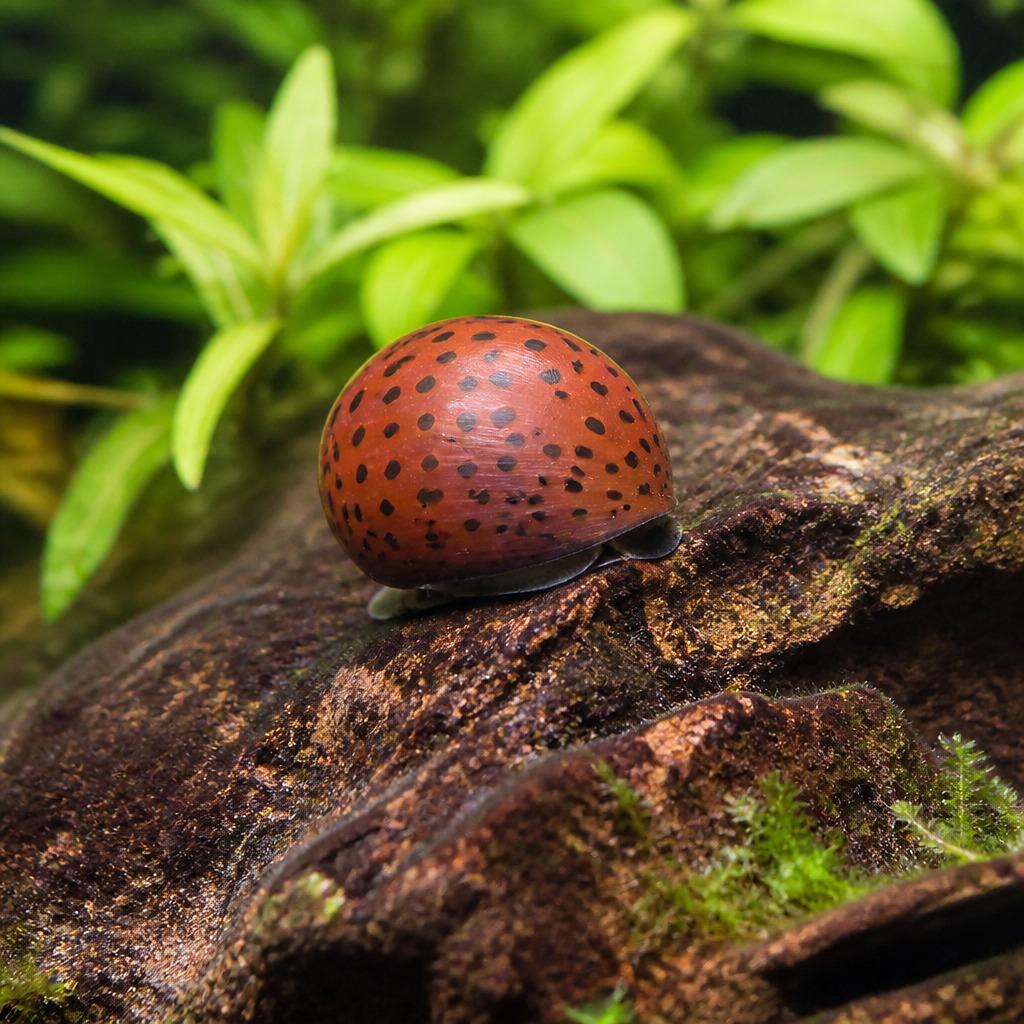
Their staple is other snails — bladder, ramshorn and trumpet snails are all on the menu. They will not harm your fish, and they generally leave large healthy ornamental snails (like adult Nerites and Mystery snails) alone, although very small or weak ones can be at risk.
Once the pest snails run low, don't let your assassins go hungry: drop in sinking carnivore pellets, frozen or freeze-dried bloodworms, or a sinking shrimp wafer a couple of times a week. They won't touch live plants or eat algae — they're pure carnivores.
Peaceful community fish, Corydoras, tetras, rasboras, and shrimp all make good companions. Assassins are far too slow to threaten anything that can swim. They're a natural fit alongside a cherry shrimp or amano shrimp clean-up crew, and pair well with a planted, nature-style tank.
We hand-select healthy, active assassin snails and ship them with a live arrival guarantee and careful UK dispatch. For a typical outbreak, start with roughly one snail per 8–10 litres — a small group also lets them breed slowly and keep your tank pest-free for the long term.
Browse our live assassin snails below, or explore the rest of our aquarium snails and clean-up crew.
Visual route into the rest of our UK live-fish range.
Shop freshwater aquarium snails in the UK. Compare current species, adult size, water needs, diet, breeding risk, compatibility, prices and availability.
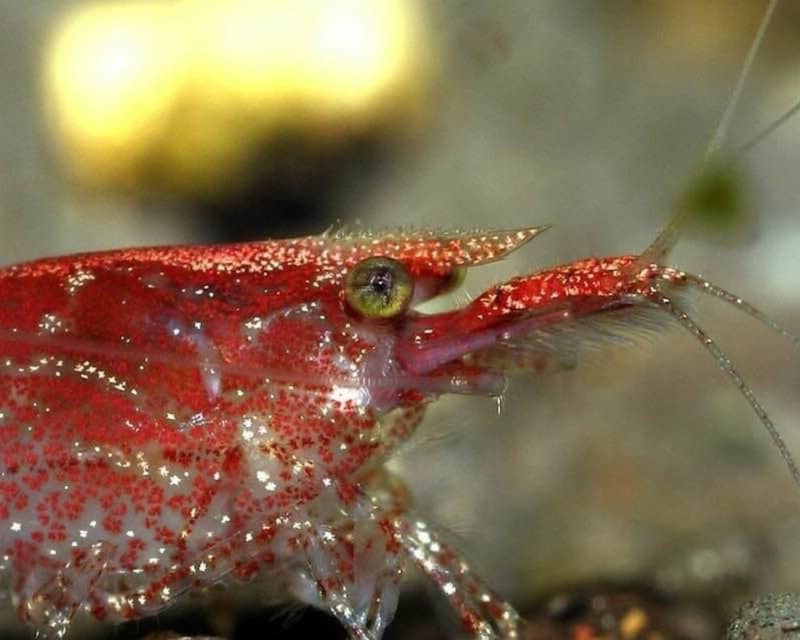
Cherry, Amano, Crystal, Tiger, Bamboo and Caridina shrimp, plus crayfish and crabs. Grade and size stated per listing; shrimp travel well and arrive alive.
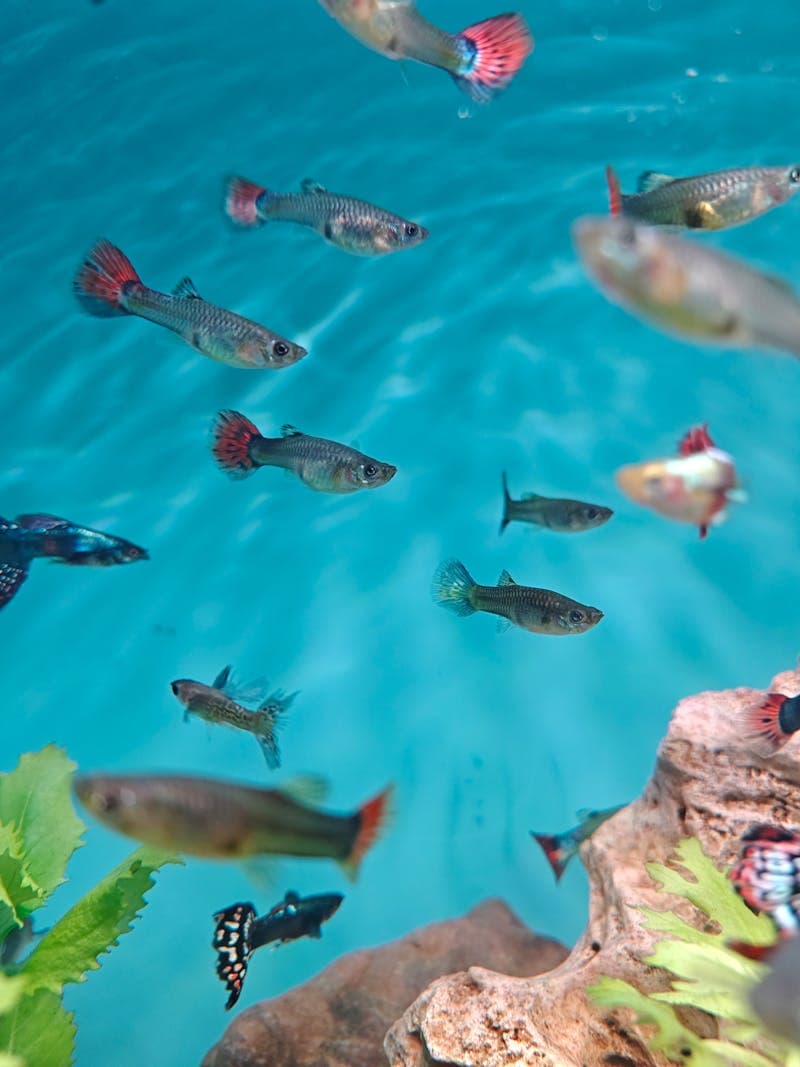
Planted-tank fish for sale UK — peaceful, plant-safe species that showcase aquascaped layouts. Tetras, rasboras, dwarf cichlids, shrimps.
Material factual claims cite the sources below; store policy and cautious inference are labelled in the article. Sources are grouped by type so you can judge their weight at a glance.
Taxonomy, distribution and habitat reference.
Husbandry, diet and water-parameter reference.
Fishkeeping moves fast and we want every guide spot-on. If you think something here is wrong, out of date, or could be clearer, tell us — our team reads every message and updates the page.
Suggest an editShop freshwater aquarium snails in the UK. Compare current species, adult size, water needs, diet, breeding risk, compatibility, prices and availability.
Cherry, Amano, Crystal, Tiger, Bamboo and Caridina shrimp, plus crayfish and crabs. Grade and size stated per listing; shrimp travel well and arrive alive.
Planted-tank fish for sale UK — peaceful, plant-safe species that showcase aquascaped layouts. Tetras, rasboras, dwarf cichlids, shrimps.
Nerite snail care for UK aquariums: identify species, plan mature grazing surfaces, understand egg capsules, prevent escapes and screen tank-mate risks.
Shrimp keeping in the UK: choose an identified freshwater shrimp, test your water, mature the filter, and plan feeding, cover and tank mates safely.
Cherry shrimp care for UK aquariums: plan a mature 20L-plus tank, test your water, protect shrimplets and understand feeding, moulting and breeding.
Marine & Coldwater Specialist · 9+ years in the hobby
Connor kept a reef aquarium for four years before switching to coldwater native fish and goldfish — he now runs a 400-litre river-community tank modelled on the Thames chalk streams. He writes Tropical Fish Co's coldwater, native-UK, and future marine guides.