Easy
Three-Stripe Cory (Hoplisoma trilineatum)
22–26°C · pH 6–7.2 · 41L
£14.99

A peaceful, attractive dwarf pleco with bold patterning that makes an excellent bottom-dwelling addition to a well-maintained community aquarium. Moderate care, peaceful. 25-29C, pH 6.5-7.5.
Adult size is the maximum length this species reaches at full maturity (scientific sources). The livestock you receive will be younger and smaller. Product-photo provenance and any image-specific limitations are stated on the listing.
Peckoltia oligospila
Confirm your email, then we’ll send an availability message for this exact item if it returns within 180 days.
This request is only for this product—no newsletter or other promotions. A mail-provider retry may very rarely duplicate the same availability message. Unconfirmed addresses are removed after 48 hours. See our privacy policy.
A peaceful, attractive dwarf pleco with bold patterning that makes an excellent bottom-dwelling addition to a well-maintained community aquarium. Moderate care, peaceful. 25-29C, pH 6.5-7.5.
Adult size is the maximum length this species reaches at full maturity (scientific sources). The livestock you receive will be younger and smaller. Product-photo provenance and any image-specific limitations are stated on the listing.
Maintain these water conditions for optimal health and vibrant colors
The L006 Peckoltia oligospila represents an excellent choice amongst tropical fish for sale UK for aquarists seeking attractive, manageable dwarf plecos with striking patterning. This peaceful species originates from Amazon Basin tributaries throughout South America, particularly Brazilian waters where clearwater streams create the flowing conditions this catfish prefers. At 8-10cm in the currently available size range, specimens demonstrate the bold striped or spotted patterning that makes L006 amongst the most visually appealing Peckoltia species. The moderate care level makes this pleco accessible to dedicated aquarists willing to maintain good water quality and provide appropriate caves and driftwood, whilst the compact adult size of around 8cm suits community aquariums from 100 litres upward.
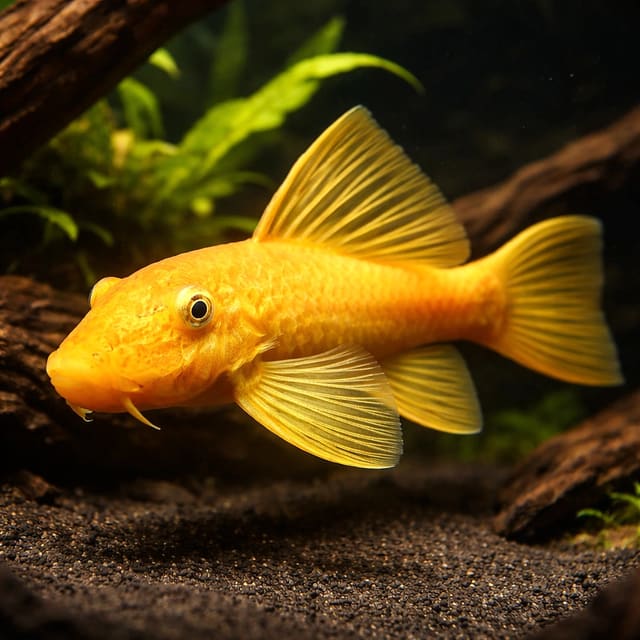
Peckoltia oligospila displays attractive high-contrast patterning featuring dark bands or stripes against a lighter base colour, creating visual interest on both body and finnage. At the 8-10cm size range, specimens showcase near-adult colouration and proportions, allowing accurate assessment of the patterning variations that occur between individuals. The moderately streamlined body demonstrates typical loricariid armoured plating, with a relatively narrow profile compared to more robust pleco species. The head features characteristic odontodes (tooth-like projections) that become more pronounced in mature males, particularly around the pectoral fin spines and gill covers. The sucker mouth reflects adaptations for grazing and maintaining position in flowing water, whilst the distinctive finnage shows attractive pattern extension throughout dorsal, caudal, and pectoral fins. Under optimal conditions with excellent water quality and appropriate nutrition, the contrast between light and dark areas intensifies appealingly.
Peckoltia oligospila inhabits Amazon Basin river systems throughout South America, with collection localities often reported from Brazilian Amazon tributaries featuring moderate to swift flow. Natural environments comprise clearwater or slightly tannin-stained streams rushing over mixed substrates of rocks, gravel, sand, and submerged wood. These habitats experience warm temperatures year-round with slightly acidic to neutral pH and well-oxygenated conditions from constant water movement. The species shelters during daylight hours within rock crevices, spaces between boulders, caves, and dense accumulations of submerged wood, emerging at dusk to forage. Riparian vegetation creates dappled lighting whilst contributing organic matter that supports biofilm and invertebrate communities. Seasonal variations in water level affect flow rates and available habitat, though these tributary systems typically maintain relatively stable conditions compared to main river channels subject to dramatic flooding.
A minimum 100-litre aquarium provides appropriate space for Peckoltia oligospila, allowing adequate territory whilst accommodating community tankmates. The setup should emphasise driftwood, caves, and hiding places distributed throughout the aquarium to create secure territories and visual barriers. Multiple ceramic or slate caves with appropriately sized openings (15-20mm) prove essential, as this cave-spawning species requires secure shelters for both daily resting and potential breeding activities. Smooth river rocks and substantial driftwood branches complete the hardscape, creating the structured environment this species prefers. Substrate choice proves flexible — fine gravel or smooth sand both work well, provided no sharp edges exist that might damage delicate belly plates. Moderate water movement delivered through well-positioned filter outlets replicates natural flowing conditions whilst ensuring good oxygenation. Subdued lighting suits the species' preferences, achieved through careful aquascaping and possibly floating plants. Robust plants including Anubias and Java Fern tolerate the conditions whilst providing additional cover.
Maintaining appropriate water conditions for Peckoltia oligospila requires consistent attention to parameters replicating Amazonian tributary environments. Temperature should remain between 25-29°C, with most keepers targeting 26-27°C as optimal for promoting activity and supporting long-term health. pH values in the 6.5-7.5 range suit the species well, accommodating slightly acidic to neutral conditions typical of many Amazon tributaries. Weekly water changes of 30-40% maintain water quality whilst preventing accumulation of metabolic wastes. Efficient biological filtration ensures ammonia and nitrite remain undetectable, whilst nitrates should stay below 20ppm through regular maintenance. Good oxygenation through surface agitation proves important, particularly given the warmer temperatures that reduce oxygen solubility. The species demonstrates sensitivity to poor water quality, with declining conditions manifesting through reduced appetite and activity. Stable parameters prove more important than exact values, making consistent husbandry practices essential for success with this attractive dwarf pleco.
Feed Peckoltia oligospila after lights go out rather than during evening dimming periods — this nocturnal species feeds most confidently in complete darkness, and evening feeding often results in more assertive tankmates consuming food before the pleco emerges from hiding.
Peckoltia oligospila demonstrates omnivorous feeding preferences with a pronounced inclination towards carnivorous and protein-rich foods, differing from predominantly herbivorous plecos. The diet should centre on quality sinking carnivore pellets and wafers, supplemented regularly with frozen foods including bloodworms, brine shrimp, daphnia, and chopped shellfish. Some keepers report excellent results with frozen mysis shrimp and black mosquito larvae. Despite the carnivorous preference, provide supplementary vegetable matter through algae wafers, spirulina-based foods, and occasional blanched vegetables to support digestive health. Driftwood should always be present in the aquarium, providing beneficial lignin for gut flora whilst offering continuous grazing opportunities on aufwuchs. Feed during late evening or after lights extinguish when the species becomes most active, placing food near known hiding places. Adjust portions to ensure the pleco feeds adequately without allowing excess food to compromise water quality.
The L006 Peckoltia oligospila exhibits typical nocturnal loricariid behaviour, remaining concealed throughout daylight hours within preferred caves or beneath driftwood. As lighting diminishes, individuals emerge to patrol territories and forage, displaying the increased confidence and activity that characterises evening periods. The species demonstrates generally peaceful temperament towards heterospecific tankmates, making it suitable for community aquariums housing small to medium non-aggressive fish. However, males may exhibit territorial behaviour towards conspecifics, particularly if insufficient caves exist to establish separate territories. This territoriality rarely escalates to physical conflict but manifests through defensive posturing and territory exclusion. In appropriately spacious aquariums with multiple well-separated caves, pairs or small groups may coexist, though most keepers maintain single specimens to avoid potential conflicts. The attractive patterning makes L006 a prized display specimen during evening observation sessions when the fish confidently explores its territory.
Peckoltia oligospila coexists harmoniously with various peaceful community fish sharing similar water parameter requirements. Suitable companions include small to medium-sized tetras, rasboras, peaceful barbs, Corydoras species, and non-aggressive dwarf cichlids such as Apistogramma or Mikrogeophagus. Midwater-dwelling species that won't compete for bottom territory make particularly appropriate tankmates. Avoid large aggressive cichlids that might harass or injure the pleco, persistent fin-nippers, and very boisterous species that might outcompete it for food during evening feeding sessions. Very small fish rarely face predation risks, though hatchling-sized fry might occasionally be consumed opportunistically. Other territorial plecos prove problematic in smaller aquariums lacking sufficient caves and territory separation. Select tankmates that tolerate the warmer temperatures this species prefers, as many temperate community fish struggle with sustained temperatures approaching 29°C.
Breeding Peckoltia oligospila in home aquaria occurs occasionally, though successful spawning requires dedication to excellent husbandry and appropriate cave provision. The species follows typical cave-spawning pleco reproductive patterns, with males establishing territories around preferred spawning sites. Provide multiple appropriately sized ceramic or slate caves with 15-20mm openings positioned in different aquarium areas to allow mate choice and territory establishment. Conditioning adults with varied high-protein foods including substantial frozen fare may stimulate reproductive readiness. Excellent water quality with strong oxygenation, stable warm temperatures, and frequent water changes prove essential. Some breeders report success following seasonal simulation through slight temperature variations and modified water change schedules. Males guard adhesive yellow-orange eggs within caves for 7-10 days until hatching, fanning and protecting the clutch from fungus and predation. Even under optimal conditions, breeding remains uncommon enough that L006 should be maintained primarily for its ornamental value rather than reliable reproductive potential.
Tropical Fish Co specialises in quality L-number plecos including popular species like Peckoltia oligospila. Our L006 specimens undergo thorough quarantine and health screening, ensuring robust, actively feeding individuals free from parasites and disease. We provide comprehensive care guidance covering temperature requirements, feeding strategies, and cave provision essential for long-term success. Expert staff help customers understand the species' nocturnal behaviour and moderate care requirements before purchase, setting realistic expectations about observation opportunities and maintenance commitments. We maintain transparent sourcing practices working only with reputable suppliers who handle delicate species appropriately. Specialist livestock transport uses insulated packaging with oxygen-rich water and careful temperature management, ensuring your L006 arrives safely regardless of UK location. Choose Tropical Fish Co for genuine expertise in popular dwarf plecos, healthy livestock maintained in optimal conditions, and ongoing support from aquarists who share your passion for attractive, manageable catfish species like the beautifully patterned Peckoltia oligospila.
No reviews for this item yet. Bought one? Honest reviews only, good or bad.
What customers say about ordering from us
I have a small group of long finned mountain minnows. So was delighted to be able to order ten of this variety to increase the genetics in my tank . The ones I recieved are healthy but it’s to early to give a verdict on wether they are of a long finned type since they are small currently.
Gordon Walker · 23 Sept 2026
100% success travel and "installation". Pleased with quality of purchase. The Siamese fighter a bit "shy" so have not yet seen him at his best yet but looking good. Happy customer. GG
George E Garratt · 21 Sept 2026
Reviews of our shop, collected by Judge.me, an independent third-party review collector. Newest first.