
Moderate
Pterophyllum scalare pinoy
24–27°C · pH 6.5–8 · 200L
£26.99

Pinoy Black Angelfish (Pterophyllum scalare), supplied around 5-7 cm, is a deep dark freshwater angelfish for tall, mature planted aquariums.
Adult size is the maximum length this species reaches at full maturity (scientific sources). The livestock you receive will be younger and smaller — pick a size variant above for the actual shipping size. Product-photo provenance and any image-specific limitations are stated on the listing.
Pterophyllum scalare
Save when buying multiple fish. Each quantity is one fish; sex and pair formation are not guaranteed unless the selected variant explicitly states them.
Confirm your email, then we’ll send an availability message for this exact item if it returns within 180 days.
This request is only for this product—no newsletter or other promotions. A mail-provider retry may very rarely duplicate the same availability message. Unconfirmed addresses are removed after 48 hours. See our privacy policy.
Pinoy Black Angelfish (Pterophyllum scalare), supplied around 5-7 cm, is a deep dark freshwater angelfish for tall, mature planted aquariums.
Adult size is the maximum length this species reaches at full maturity (scientific sources). The livestock you receive will be younger and smaller — pick a size variant above for the actual shipping size. Product-photo provenance and any image-specific limitations are stated on the listing.
24–27°C · pH 6.5–8 · 200L

24–27°C · pH 6.5–8 · 200L
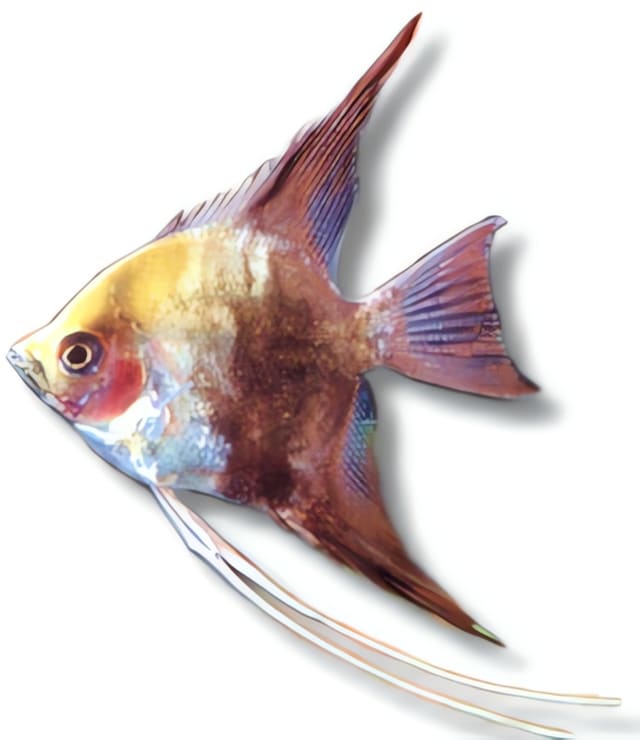
24–27°C · pH 6.5–8 · 200L
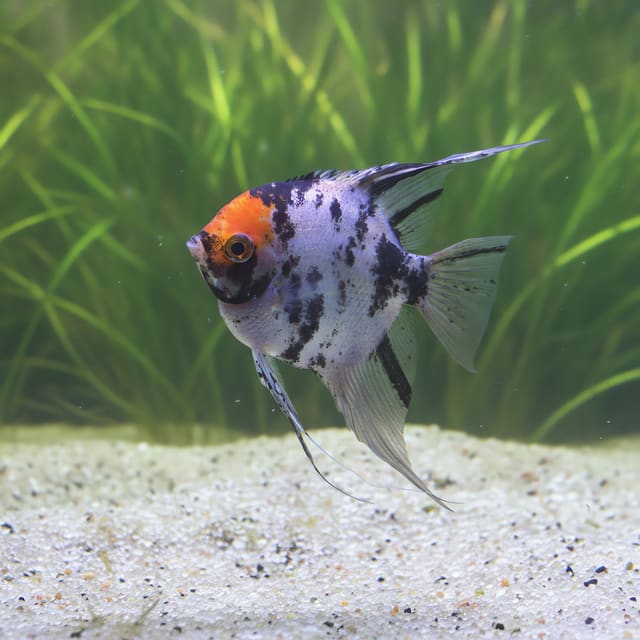
24–27°C · pH 6.5–7.4 · 200L
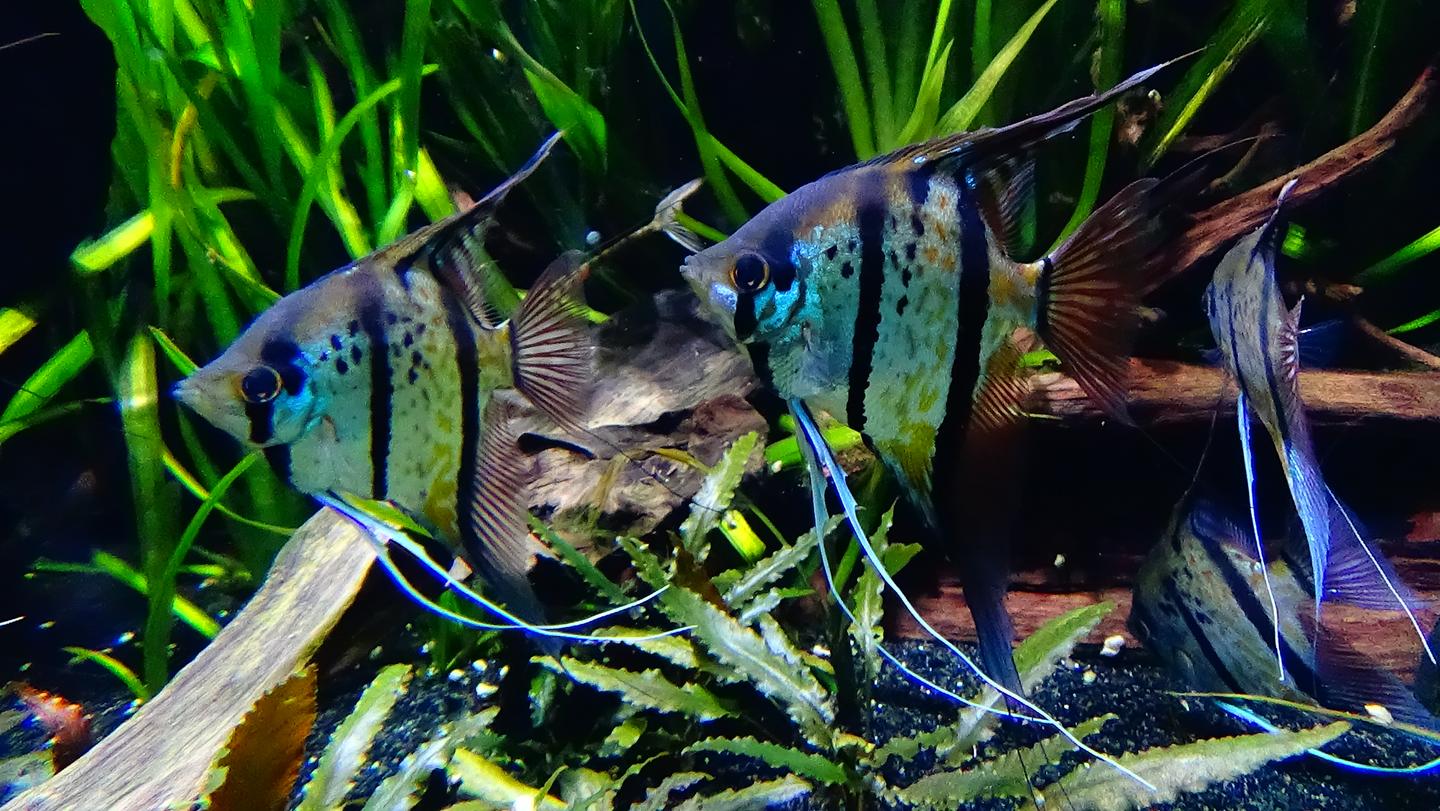
Freshwater angelfish are tall South American cichlids, not small community fish. OATA gives 120 litres as an industry floor for a compatible pair and says the aquarium must be sufficiently tall. We prefer planning around roughly 200 litres, a 100 × 40 cm footprint and about 50 cm height for an adult pair, with more space and an exit plan for a group.
Maintain these water conditions for optimal health and vibrant colors
The Pinoy Black Angelfish, Pterophyllum scalare, is a refined freshwater angelfish with a tall cichlid profile, long fins and a deep graphite-to-black body colour. This KE54 listing is the standard Pinoy Black line supplied at around 5-7 cm, not the separate Pinoy Black Long-Fin line in our stock records.
It is a strong centrepiece choice for aquarists who want the classic angelfish shape in a darker, more dramatic strain. In a planted aquarium the body can look almost velvet black, while stronger lighting may reveal a blue or green sheen depending on the individual fish and the way it is viewed. The effect is elegant rather than loud: a slow-moving, vertical fish with real presence.
This is still a cichlid, so the best results come from a mature aquarium, stable water and tank mates chosen around adult angelfish behaviour. At 5-7 cm it is manageable to settle in, but it should be planned as a fish that can reach around 15 cm body length with a much taller fin span.
The appeal of the Pinoy Black Angelfish is contrast. Against green plants, pale sand or warm driftwood, the dark body gives the aquarium a clear focal point without needing bright colour. The tall dorsal and anal fins make the fish look larger and more architectural as it glides through open water.
Compared with a standard Black Angelfish, the Pinoy line is selected for a darker, cleaner look and can show a subtle metallic cast under the right lighting. Compared with koi, marble or gold angelfish, it is much more understated. It suits aquascapes where you want one premium dark feature fish rather than a busy mix of colours.
Individual shade can vary, especially as juvenile fish grow. Give the fish time to settle before judging its final depth of colour. Stress, pale substrate, poor diet or unsuitable tank mates can all make angelfish look washed out.
For captive-bred Pterophyllum scalare, use a stable tropical range rather than chasing a single number: 24-30C, pH 6.0-7.5 and soft to moderately hard water. Local and published angelfish guidance also supports an adult size around 15 cm body length, a lifespan of around 8-10 years with good care, and a tall aquarium with enough vertical swimming room.
For KE54, the safe long-term plan is a tall aquarium of around 200 litres or more, especially for a display community or a small group. A smaller tank may hold juveniles temporarily, but it does not give mature angelfish the same stability, height or room to manage territories.
If your tap water is very hard, stability still matters more than sudden correction. Make changes slowly, test regularly and avoid abrupt swings in pH, hardness or temperature.
Angelfish are tall-bodied cichlids, so they need swimming room and vertical space. A well-planned aquascape with open water, driftwood, plants and shelter helps them feel secure while still allowing their fins and shape to be fully appreciated.
Planted tanks, Amazon-style layouts and calm community aquariums are all good options. Tall plants such as Vallisneria, swords and stem plants create vertical structure, while driftwood and broad leaves provide resting and spawning surfaces. Avoid overcrowding the centre of the tank, as angelfish prefer to glide through open water and inspect their surroundings.
For more general background, see our freshwater angelfish care guide and browse the full freshwater angelfish collection.
Pinoy Black Angelfish are omnivorous and do best on a varied, high-quality diet. Use a good flake, soft granule or small cichlid pellet as the staple, then rotate suitable frozen foods such as bloodworm, mysis or daphnia in sensible portions.
Overfeeding is a common cause of water-quality problems. A deep-bodied cichlid that is fed well and kept in clean water will show better finnage, stronger posture and more confident behaviour.
Angelfish are usually calm but should not be treated as tiny community fish. They are cichlids, and adults can become semi-territorial, especially if a pair forms. Their long fins also make them poor companions for nippy or frantic species.
Compatibility depends on tank size, aquascape, group numbers and individual temperament. Young angelfish often settle well together, but adults may pair and defend a territory. If you are adding this fish to an existing community, check the adult size and behaviour of every tank mate before ordering.
Breeding Pterophyllum scalare is possible in the home aquarium, but it is best treated as a planned project. Pairs usually form naturally and may choose broad leaves, slate, wood or even filter equipment as a spawning surface.
Parents can become protective of eggs and fry, and inexperienced or stressed pairs may eat their first spawns. A quiet tank, stable water and minimal disturbance make success more likely. Most keepers should enjoy the Pinoy Black Angelfish as a display fish first, then consider breeding once the fish are settled and mature.
Choose KE54 when you want the dark Pinoy look in a larger 5-7 cm settling-in size. If you are comparing angelfish strains, the ordinary Black Angelfish is a classic dark form, the Pinoy Green Ghost line is a different pale-and-green expression, and Manacapuru or koi types are chosen for warmer red, orange or marbled patterning. This listing is for the deep Pinoy Black look, so the page avoids borrowing photos or traits from those neighbouring strains.
The best display position is mid-water in a tank with height, open swimming lanes and darker planting behind the fish. A dark background can make the body look richer, while too much bright overhead light can flatten the effect. Use floating plants or tall stems if the fish seems shy during the first week.
Angelfish often need a short settling period after transport. A calm tank, clean water and patient acclimation usually reveal better posture and deeper colour than trying to force the fish into display immediately.
The biggest threats to angelfish health are poor water quality, stress, unsuitable tank mates and sudden changes in conditions. A stable aquarium with sensible stocking is the best preventative measure.
Quarantine is strongly recommended for any new fish where possible. If a fish appears unwell, test the water first, check for aggression and seek specialist aquarium advice promptly. Angelfish can be sensitive to abrupt changes, so make any corrections gradually.
When you order from Tropical Fish Co, your fish are selected and packed with live-animal welfare in mind. This Pinoy Black Angelfish is supplied at around 5-7 cm and should be acclimated slowly into a cycled, suitable aquarium.
Eligible livestock travels by UK live-animal courier and is covered by our Live Arrival Guarantee. Please make sure someone is available to receive the delivery, dim the aquarium lights where possible and follow the arrival instructions carefully.
If you want a darker freshwater centrepiece with calm movement and a strong planted-tank silhouette, the Pinoy Black Angelfish is a beautiful choice for a prepared aquarist.
Max adult size is the length this species reaches at full maturity (from scientific sources). The livestock you receive will be younger and smaller — pick a size variant on the buy box for the actual shipping size. Product-photo provenance and any image-specific limitations are stated on the listing.
Pinoy Black Angelfish are usually calm for cichlids but become more territorial as they mature or pair. Choose tank mates for the adult angelfish, not the 5-7 cm juvenile size, and provide a tall mature aquarium with clear territories.
Always research specific species before adding them to your tank. Consider:
No reviews for this item yet. Bought one? Honest reviews only, good or bad.
What customers say about ordering from us
I have a small group of long finned mountain minnows. So was delighted to be able to order ten of this variety to increase the genetics in my tank . The ones I recieved are healthy but it’s to early to give a verdict on wether they are of a long finned type since they are small currently.
Gordon Walker · 23 Sept 2026
100% success travel and "installation". Pleased with quality of purchase. The Siamese fighter a bit "shy" so have not yet seen him at his best yet but looking good. Happy customer. GG
George E Garratt · 21 Sept 2026
Reviews of our shop, collected by Judge.me, an independent third-party review collector. Newest first.