
L018 Baryancistrus sp. Golden Nugget
22–27°C · pH 6–8
£80.00

Gold-marked L177 Baryancistrus pleco for experienced keepers. Peaceful aufwuchs grazer needing 26-30C river-style water and a 150 L tank.
Adult size is the maximum length this species reaches at full maturity (scientific sources). The livestock you receive will be younger and smaller — pick a size above for the actual shipping size. Product-photo provenance and any image-specific limitations are stated on the listing.
Baryancistrus sp. L177
Confirm your email, then we’ll send an availability message for this exact item if it returns within 180 days.
This request is only for this product—no newsletter or other promotions. A mail-provider retry may very rarely duplicate the same availability message. Unconfirmed addresses are removed after 48 hours. See our privacy policy.
Gold-marked L177 Baryancistrus pleco for experienced keepers. Peaceful aufwuchs grazer needing 26-30C river-style water and a 150 L tank.
Adult size is the maximum length this species reaches at full maturity (scientific sources). The livestock you receive will be younger and smaller — pick a size above for the actual shipping size. Product-photo provenance and any image-specific limitations are stated on the listing.
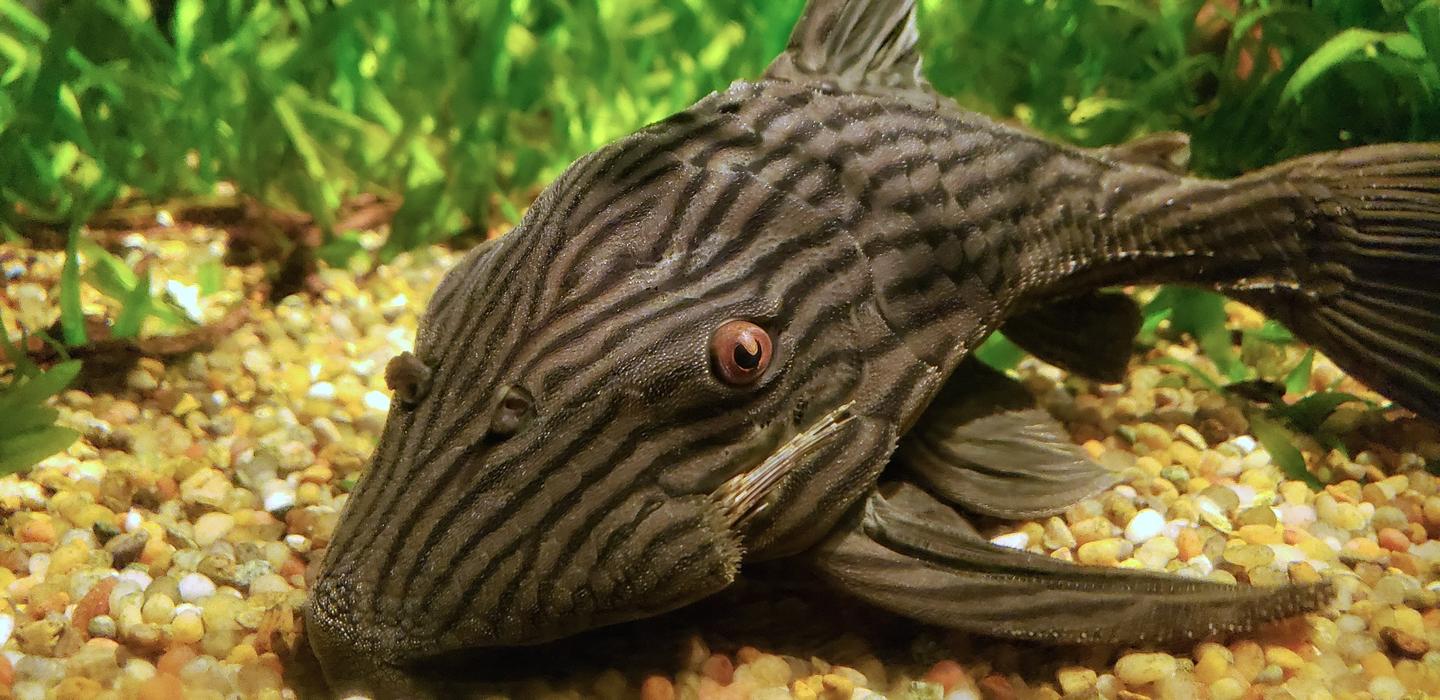
‘Pleco’ is a loose aquarium-trade label, not one species or one care sheet. Before buying, confirm the scientific name or defensible L-number, adult size and measurement method, required footprint, temperature and water, diet, social plan and source. No universal pleco tank size, menu or algae result is honest.
Maintain these water conditions for optimal health and vibrant colors
Serious pleco keepers tend to ration tank space for fish like this one. L177 Baryancistrus sp. is a gold-marked South American catfish with a reputation as a rewarding but demanding charge — a strain for experienced aquarists who can run a warm, river-style aquarium and keep it stable. Heat is the headline requirement: this catfish wants water between 26 and 30°C, noticeably warmer than the standard community brief, with pH between 6.0 and 7.5 and soft to moderately hard conditions in the 2–12 dGH band.
Growing to around 12cm and living roughly ten years with consistent care, the L177 holds the bottom of the aquarium, working over surfaces as a primarily herbivorous aufwuchs grazer. Despite its Difficult care rating it remains a thoroughly peaceful fish, well suited to community life alongside small to medium tetras, rasboras, Corydoras, peaceful dwarf cichlids and other non-aggressive loricariids. What it cannot tolerate is competition for food: large aggressive cichlids, fin-nippers, highly territorial bottom dwellers and boisterous species that strip rations away before a methodical grazer can reach them all belong on the avoid list. A 150-litre aquarium is the minimum we recommend, giving the fish grazing territory of its own plus the water volume that makes high-temperature stability achievable.
Hardness deserves a moment’s attention too. The 2–12 dGH window leans soft, in keeping with the river-style brief, and the steadier you hold it the better this strain settles. Plan the bottom of the tank as its workplace: open grazing surfaces, broken sight lines, and enough floor space that Corydoras or fellow loricariids can pass through without friction. Meet those terms and the Difficult billing applies only to the spec sheet, not to the day-to-day.
Prepare the aquarium before the fish: a mature 150-litre-plus tank already holding a steady 26–30°C is the difference between an L177 that thrives and one that merely survives. Choose calm midwater shoals over greedy feeders so its grazing patches go unplundered, and treat this as a decade-long commitment rather than a quick splash of gold for the substrate. Every L177 Baryancistrus sp. we supply travels with a licensed live-animal courier within the UK and is covered by our live arrival guarantee.
No reviews for this item yet. Bought one? Honest reviews only, good or bad.
What customers say about ordering from us
I have a small group of long finned mountain minnows. So was delighted to be able to order ten of this variety to increase the genetics in my tank . The ones I recieved are healthy but it’s to early to give a verdict on wether they are of a long finned type since they are small currently.
Gordon Walker · 23 Sept 2026
100% success travel and "installation". Pleased with quality of purchase. The Siamese fighter a bit "shy" so have not yet seen him at his best yet but looking good. Happy customer. GG
George E Garratt · 21 Sept 2026
Reviews of our shop, collected by Judge.me, an independent third-party review collector. Newest first.


