
Easy
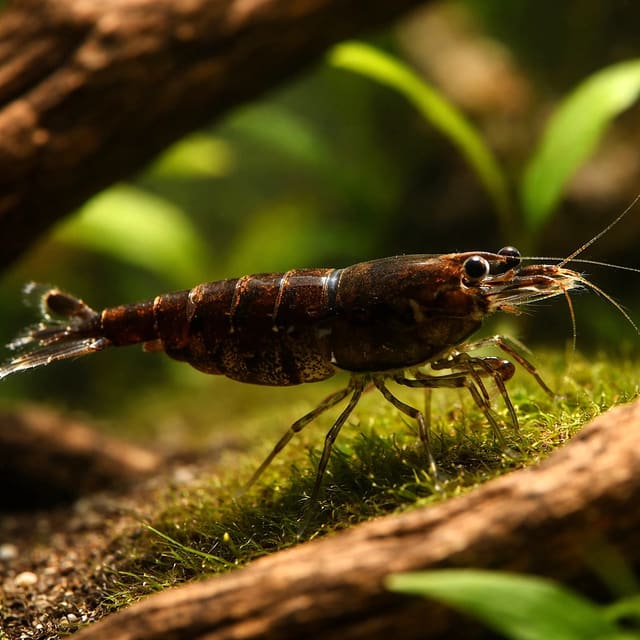
Chocolate Cherry Shrimp (Neocaridina davidi)
18–26°C · pH 6.5–8 · 30L
£13.99
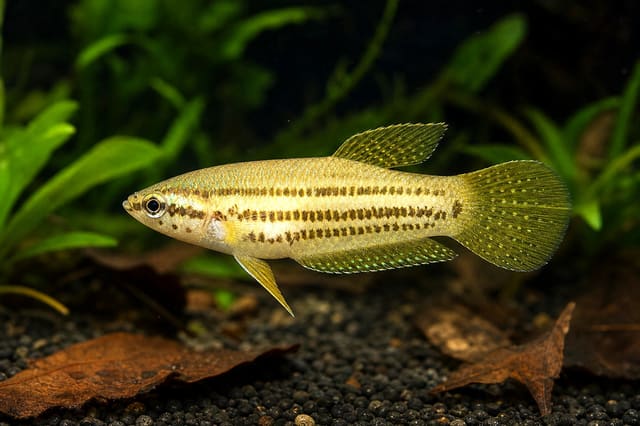
A subtle wild-type mouthbrooding Betta for shaded, covered planted aquariums with gentle flow, surface access and calm tank mates.
Betta picta
Confirm your email, then we’ll send an availability message for this exact item if it returns within 180 days.
This request is only for this product—no newsletter or other promotions. A mail-provider retry may very rarely duplicate the same availability message. Unconfirmed addresses are removed after 48 hours. See our privacy policy.
A subtle wild-type mouthbrooding Betta for shaded, covered planted aquariums with gentle flow, surface access and calm tank mates.
18–26°C · pH 6.5–8 · 30L
23–27°C · pH 7.4–8.4 · 1000L
23–27°C · pH 7.4–8.4 · 150L
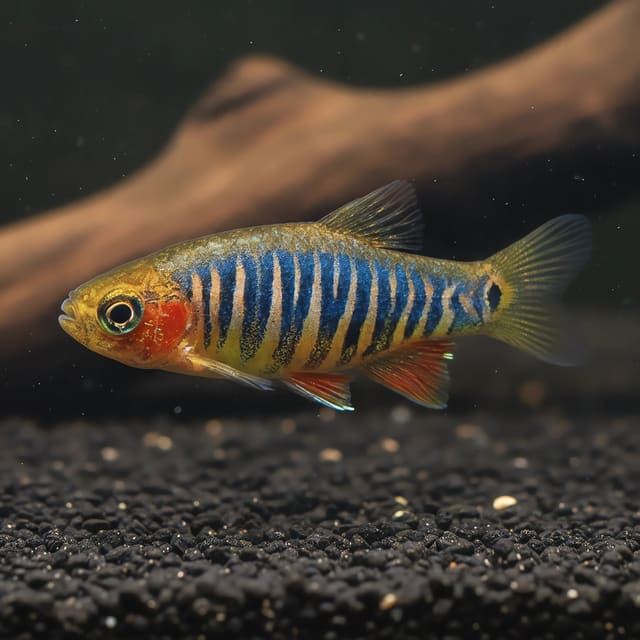
20–24°C · pH 7–8 · 45L
Maintain these water conditions for optimal health and vibrant colors
The Javan Mouthbrooding Betta, Betta picta, is a quieter wild-type Betta for aquarists who want natural behaviour rather than long-finned show colour. It is a small labyrinth fish from the Java fighting fish group, best known for calmer behaviour, subtle patterning and paternal mouthbrooding. This is a live fish listing, not a food product, and the care notes below are written around keeping the actual species well.
Compared with domestic Betta splendens, Betta picta asks for a different style of aquarium. Think shaded cover, a tight lid, gentle filtration, clean warm water, open surface access and peaceful tank mates. It is not a fish for rough community aquariums, fin-nipping tank mates or bright turbulent setups. The reward is a fascinating, understated Betta with social behaviour that feels much more natural than a single display male in a bare tank.
| Common name | Javan Mouthbrooding Betta; Java Fighting Fish; Spotted Betta |
|---|---|
| Scientific name | Betta picta |
| Adult size | Usually around 5-6 cm |
| Minimum aquarium | 45 litres for a pair or careful small group; larger is easier |
| Temperature | 22-26°C, cooler than many domestic Betta setups |
| pH and hardness | Soft to neutral water is ideal; stable, clean water matters most |
| Temperament | Calm wild Betta, but still shy and easily outcompeted |
| Diet | Carnivorous micro-predator; small frozen foods, live foods and quality Betta pellets |
| Breeding style | Paternal mouthbrooder; males hold eggs and fry in the mouth |
| Best keeper | Intermediate keeper or careful Betta enthusiast with a mature covered aquarium |
Choose this fish if you enjoy wild Betta behaviour, quiet detail and natural aquarium keeping. It does not have the oversized fins of a show Betta, but that is part of the appeal. A settled fish shows a slim body, spotted patterning, warm brown-gold tones and confident but not frantic movement through plants and cover.
The species is especially interesting because it is a mouthbrooder. In breeding condition, the male carries the developing brood rather than building a bubble nest. Even if you are not trying to breed them, this biology shapes the way they behave: pairs and small groups need calm conditions, visual breaks and enough room for fish to avoid each other without panic.
Betta picta is associated with Indonesia, especially Java, and is described by hobby and reference sources as a fish of relatively cool, shaded freshwater habitats. In aquariums it should be treated as a stream-edge and cover-loving Betta rather than a bright open-water community fish. Give it plants, wood, botanicals, leaf shelter and low-stress flow.
Like other Bettas, it is a labyrinth fish and must be able to reach the surface. Do not fill the aquarium so high that there is no warm humid air space under the lid. A tight cover is also important because wild Bettas are capable jumpers, especially when newly introduced or startled.
| Setup feature | Recommended approach | Reason |
|---|---|---|
| Cover | Tight-fitting lid with a warm air gap | Prevents jumping and protects the labyrinth organ from cold air drafts |
| Filtration | Gentle sponge filter or softened outlet flow | Keeps water clean without pushing the fish around |
| Lighting | Subdued, shaded, or broken by floating plants | Encourages natural behaviour and reduces stress |
| Decor | Plants, driftwood, roots, leaf litter and caves | Creates cover and territory breaks for pairs or groups |
| Substrate | Sand, fine gravel or planted-tank substrate | Less important than clean water and shelter, but dark bases help the fish feel secure |
A 45 litre aquarium is a sensible minimum for careful keeping, but a longer footprint gives better results if you want more than a pair. Mature planted aquariums work well because plants soften light, stabilise the environment and provide cover. Avoid sharp decor that can damage fins or scales.
| Temperature | 22-26°C |
|---|---|
| pH | Approximately 5.5-7.5, with stable soft to neutral water preferred |
| Hardness | Soft to moderately soft water is best; avoid sudden swings |
| Water quality | Ammonia and nitrite must be zero; keep nitrate low with regular water changes |
| Flow | Gentle, oxygenated, and not blasting the surface constantly |
Do not chase exact numbers if it makes the aquarium unstable. A steady mature tank with clean water is better than constant pH adjustment. If your water is very hard, acclimate carefully and consider whether this species is the right match for your tap-water profile.
This is a small carnivorous fish, not a flake-only community grazer. Offer quality Betta pellets as a base, then rotate small frozen or live foods such as daphnia, cyclops, mosquito larvae, brine shrimp and finely sized bloodworm. Feed small portions so food is cleared quickly and the water remains clean.
| Food type | How to use it | Notes |
|---|---|---|
| Quality Betta pellets | Small daily portions | Choose small pellets that soften and are easy to swallow |
| Frozen daphnia or cyclops | Several times weekly | Useful small prey-sized foods for variety |
| Brine shrimp | Occasional rotation | Good feeding response, especially after settling |
| Bloodworm | Occasional treat | Use sparingly and size carefully |
| Dry community flakes | Not the main diet | May be ignored and can pollute the tank if overused |
The Javan Mouthbrooding Betta is calmer than many show Bettas, but it should not be treated as a throwaway community fish. It can be shy, it dislikes bullying, and it may lose out at feeding time if kept with fast or pushy tank mates. A species setup, pair setup, or quiet blackwater-style community is usually the safest route.
| Good options | Use caution | Avoid |
|---|---|---|
| Small peaceful rasboras | Other wild Bettas only with planning | Domestic male Betta splendens |
| Gentle small loaches | Dwarf cichlids in small tanks | Fin nippers such as many tiger-barb style setups |
| Peaceful shrimp in planted tanks, with fry risk accepted | Very active danios or large tetras | Large predatory fish |
| Other quiet soft-water species | Long-finned slow fish that could be mistaken for rivals | Bright, rough, high-flow community aquariums |
If keeping a pair or small group, provide multiple shelters and broken lines of sight. Watch feeding carefully during the first week. A fish that hides permanently, breathes hard, or never reaches food is not settled.
Betta picta is a paternal mouthbrooder. After spawning, the male carries the eggs and developing fry in his mouth. During this period he may eat little or nothing, and stress can cause failed broods. If breeding is the goal, use a quiet species setup, avoid repeated disturbance and keep the tank covered and stable.
Do not buy this fish only because it might breed. Buy it because you can provide the shaded, calm, mature aquarium it needs. Breeding is a bonus when the group is settled and the keeper is patient.
| Stage | What to do | What to watch |
|---|---|---|
| Before dispatch | Have a cycled, covered aquarium ready | Temperature, lid fit, water test results and gentle flow |
| Arrival | Keep lights low and acclimate calmly | Normal breathing, upright swimming and no panic jumping |
| First 24 hours | Offer tiny food only after settling | Do not overfeed a stressed fish |
| First week | Observe appetite, colour and confidence | Hiding, torn fins, gasping or bullying need attention |
Our Live Arrival Guarantee is there for reassurance when receiving and acclimation guidance is followed. Eligible first-time customers can use WELCOME10 where the offer applies, but preparation matters more than any discount: the aquarium should be ready before the fish is shipped.
| Choose this fish if | You want a small, subtle wild Betta for a calm covered aquarium |
|---|---|
| Wait if | Your tank is new, uncovered, turbulent, or full of boisterous tank mates |
| Best setup | Shaded planted aquarium with gentle flow, leaf cover and surface access |
| Best customer | A careful keeper who values natural behaviour over show-finnage colour |
If you are comparing wild-type Bettas, look at Penang Mouthbrooding Betta, Krabi Mouthbrooding Betta, Peaceful Betta, Betta Jade Wild-Type and Betta miniopinna Bintan Island. These links are here to help customers compare similar quiet Betta species, not to force unrelated search phrases into the page.
Care details were cross-checked against FishBase Betta picta and International Betta Congress species material.
Care notes were checked against FishBase for the species identity and current conservation context, International Betta Congress wild Betta material for hobby husbandry context. The page is written for customers first, with keywords used only where they read naturally.
Yes. This is a live Javan Mouthbrooding Betta listing. It is not a dry food or granule product.
It needs a different approach. Use a covered, shaded, mature aquarium with gentle flow and calm surroundings rather than a bright display bowl or rough community tank.
Use at least 45 litres for careful keeping. A longer, larger aquarium is better for a pair, small group or community setup.
Often yes, with space and cover. Pairs or small groups can work, but always watch social pressure and feeding access.
Use small Betta pellets plus frozen or live foods such as daphnia, cyclops, brine shrimp and small mosquito larvae. Keep portions modest.
No reviews yet. Bought this fish? You'd be the first — honest reviews only, good or bad.
