−15%
Moderate
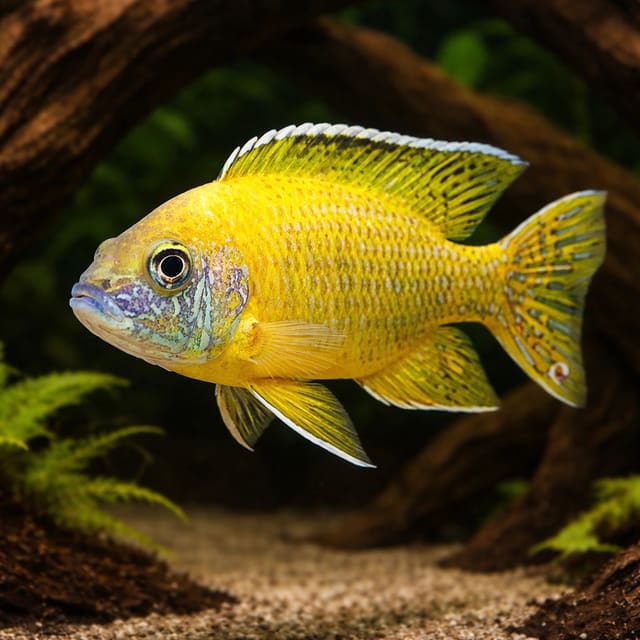
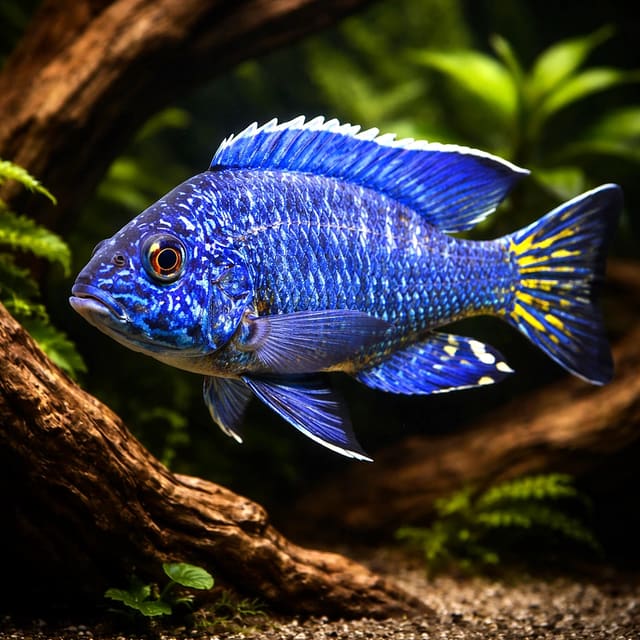
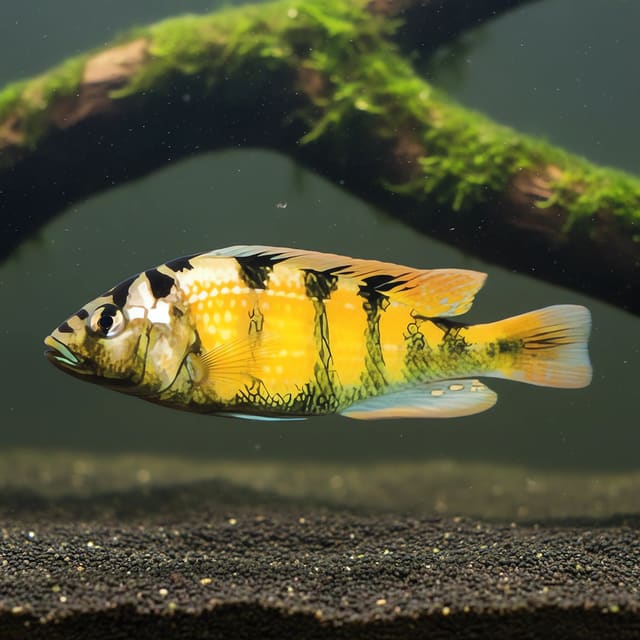
Zebra Obliquidens Cichlid (Astatotilapia latifasciata)
23–27°C · pH 8–8.2 · 108L
£12.74£14.99
A compact, colorful Lake Malawi cichlid with bold zebra patterning and lively mbuna behavior. Moderate care, semi-aggressive. 24-28C, pH 7.8-8.6.
Adult size is the maximum length this species reaches at full maturity (scientific sources). The livestock you receive will be younger and smaller. Product-photo provenance and any image-specific limitations are stated on the listing.
Cynotilapia zebroides
Shoaling fish: kept in a group they feel safer, stay calmer and show their best colour.
Confirm your email, then we’ll send an availability message for this exact item if it returns within 180 days.
This request is only for this product—no newsletter or other promotions. A mail-provider retry may very rarely duplicate the same availability message. Unconfirmed addresses are removed after 48 hours. See our privacy policy.
A compact, colorful Lake Malawi cichlid with bold zebra patterning and lively mbuna behavior. Moderate care, semi-aggressive. 24-28C, pH 7.8-8.6.
Adult size is the maximum length this species reaches at full maturity (scientific sources). The livestock you receive will be younger and smaller. Product-photo provenance and any image-specific limitations are stated on the listing.

Cichlids are a family of roughly 1,800 accepted species, not one care type. Before buying, identify the exact species and source, then compare adult measurement, usable tank dimensions, social system, territory, tested water, diet and an exit plan. No family-wide minimum tank, water range or tank-mate list is safe.
Maintain these water conditions for optimal health and vibrant colors
The Cynotilapia zebroides is a compact, colourful Lake Malawi cichlid that brings bold zebra patterning and lively mbuna behaviour to the specialist African cichlid aquarium. Endemic to Lake Malawi — particularly around Likoma Island — this species inhabits shallow, rocky shoreline habitats where it grazes on algae and aufwuchs. Reaching an adult size of approximately 8.6cm, Cynotilapia zebroides is one of the smaller mbuna species, making it more manageable than many of its larger, more aggressive relatives. With its striking blue and black banding, active behaviour, and fascinating social dynamics, this species is a rewarding choice for intermediate aquarists with experience in hard-water, high-pH setups. For those seeking a vibrant, authentic Lake Malawi cichlid for sale UK-wide, Cynotilapia zebroides is an excellent option.
Quick Care Summary: Semi-aggressive mbuna cichlid; adult size 8.6cm; minimum 150L; hard, alkaline water essential; rocky aquarium with hiding places; maternal mouthbrooder; algae-based diet.
Cynotilapia zebroides is characterised by bold vertical black bars (zebra stripes) alternating with vibrant blue, light blue, or white background colouration. The exact pattern and intensity vary between colour morphs and individual genetics, with some populations displaying more pronounced blue colouration than others. Males are typically more brightly coloured, with intense blue and crisp black banding, and may develop yellow or orange hues on the fins. Females and juveniles are generally more subdued, often displaying a brownish or greyish background with less intense banding. The body is laterally compressed and relatively deep, with a pointed snout and a terminal mouth adapted for grazing. Healthy specimens display vivid colouration, active behaviour, and well-defined finnage. Sexual dimorphism becomes more pronounced as the fish mature, with males developing more intense colours and slightly larger size.
In the wild, Cynotilapia zebroides is endemic to Lake Malawi, particularly around Likoma Island, where it inhabits shallow rocky shoreline habitats. The species is a member of the mbuna group (rock-dwelling cichlids) and is highly territorial, defending small areas of rock and grazing on the algae and aufwuchs that colonise exposed surfaces. The lake environment is characterised by hard, alkaline water with high mineral content, clear visibility, and abundant rocky structures that provide territory boundaries and shelter. Water temperature is stable and warm year-round. The species is an omnivore with a strong tendency toward algae and aufwuchs grazing, supplemented with small invertebrates and organic matter. Understanding this ecology is essential for replicating suitable conditions in the aquarium and encouraging natural behaviours.
A minimum aquarium size of 150 litres is essential for Cynotilapia zebroides, with larger tanks preferred for keeping groups or mixed mbuna communities. The substrate should be fine sand or coral sand, which helps buffer pH to the alkaline levels required. The aquarium must be densely furnished with rockwork — use limestone, tufa rock, lava rock, or ocean rock to create caves, crevices, and visual barriers. Arrange rocks to form multiple territories and hiding places, ensuring stability to prevent collapses. Avoid sharp-edged rocks that could injure the fish. Live plants are optional and often difficult to maintain in hard, alkaline water with active mbuna; hardy species such as Anubias or Vallisneria attached to rocks are the safest choice. Filtration must be robust and efficient, capable of handling the high bioload produced by cichlids; use an oversized canister filter or sump system. Water flow should be moderate to strong, replicating the lake environment. Lighting should be bright to encourage natural algae growth on rocks, which provides grazing opportunities.
Maintaining hard, alkaline water is absolutely critical for Cynotilapia zebroides. Temperature should be kept between 24-28°C, with 26°C being ideal. pH should be highly alkaline, ranging from 7.8-8.6, with 8.0-8.4 preferred. Water hardness should be high, with GH 10-20 and KH 8-15 recommended. Use crushed coral, limestone, or aragonite substrate to help buffer pH and hardness naturally. Ammonia and nitrite must always be at zero, and nitrates should be kept below 20ppm through large, regular partial water changes of 30-50% weekly. Use a high-quality test kit to monitor parameters regularly, and invest in efficient, reliable filtration. Lake Malawi cichlids are sensitive to poor water quality and unstable parameters, so consistency and maintenance are non-negotiable. Avoid sudden changes in temperature or water chemistry. Provide excellent oxygenation and strong surface agitation.
Top Tip: Create multiple rock caves and visual barriers — this reduces territorial aggression and allows each fish to establish its own territory.
Cynotilapia zebroides is primarily an algae and aufwuchs grazer with an omnivorous diet. In the aquarium, offer a varied diet based on high-quality spirulina flakes or pellets, algae wafers, blanched vegetables (such as courgette, spinach, or peas), and occasional small amounts of protein-rich foods such as frozen brine shrimp or bloodworms. Avoid high-protein, high-fat foods (such as beef heart or excessive meaty foods), as these can cause digestive issues and bloating in herbivorous mbuna. Feed small amounts 1-2 times daily, and remove uneaten food promptly. A plant-based diet supports healthy digestion, vibrant colouration, and long-term health. Supplement with vitamin-enriched foods or soak flakes in garlic or vitamin solutions to boost nutritional value. Grazing on naturally occurring algae in the tank is also beneficial and should be encouraged.
Cynotilapia zebroides is a semi-aggressive, territorial species typical of Lake Malawi mbuna. Males establish and defend small territories centred around a preferred cave or rock structure, and will display vibrant colours and aggressive posturing to ward off rivals and attract females. Territorial disputes are common and usually involve chasing, fin-flaring, and mouth-wrestling rather than serious injury, though persistent aggression can occur in overcrowded or poorly structured tanks. Females and juveniles are generally less aggressive but will defend feeding areas. The species is highly active, constantly patrolling its territory, grazing on rocks, and interacting with tank mates. Providing ample rockwork, multiple territories, and visual barriers helps reduce aggression and allows natural behaviours to flourish. Observing the complex social dynamics and vibrant displays of mbuna cichlids is one of the highlights of keeping Lake Malawi species.
Choosing tank mates for Cynotilapia zebroides requires careful consideration of size, temperament, and water parameter requirements. Ideal companions include other similarly sized Lake Malawi mbuna such as Pseudotropheus, Labidochromis, Melanochromis, and Labeotropheus species. Robust African cichlids from similar hard, alkaline water conditions (such as some Victorian or Tanganyikan species) may also coexist, though mixing lakes is generally discouraged. Avoid peaceful community fish, small species, shrimp and other small invertebrates, slow-moving or long-finned fish, and overly aggressive or much larger cichlids. Fast, active fish that can tolerate semi-aggressive tank mates are the safest choice. Overcrowding is often used in mbuna setups to diffuse aggression, but this requires excellent filtration and frequent water changes. Ensure ample space, multiple territories, and robust filtration to support a healthy, balanced community.
Cynotilapia zebroides is a maternal mouthbrooder, with females incubating eggs and fry in the mouth for several weeks. Breeding typically occurs in a well-maintained aquarium with stable parameters, abundant rockwork, and a harem structure (one male with several females). Males will display to females with vibrant colouration and fin-flaring, and spawning usually occurs on a flat rock surface or within a cave. The female collects the fertilised eggs in her mouth and incubates them for approximately 3-4 weeks, during which time she does not eat. Fry are released as fully formed, free-swimming juveniles. To maximise fry survival, consider removing the brooding female to a separate rearing tank or using a breeding net. Fry can be fed on finely crushed flakes, spirulina powder, or newly hatched brine shrimp. With proper care, breeding is relatively straightforward and highly rewarding.
Tropical Fish Co is your trusted source for healthy, vibrant Cynotilapia zebroides and expert advice on Lake Malawi cichlid setups. Every fish is carefully inspected for health, colour, and vitality before dispatch, and we provide comprehensive care guidance to ensure your success with this spectacular species. With fast, reliable delivery across the UK and a commitment to customer satisfaction, we make it easy to add these striking mbuna to your collection. Whether you're building a dedicated Lake Malawi biotope, expanding an existing African cichlid community, or discovering mbuna for the first time, our team is here to support you every step of the way. Shop with confidence and experience the beauty and energy of Lake Malawi cichlids from Tropical Fish Co — your trusted partner for malawi cichlid enthusiasts across the UK.
No reviews for this item yet. Bought one? Honest reviews only, good or bad.
What customers say about ordering from us
Easy website plenty of info on fish your buying great to pick a time slot
TRACEY DURRANT · 7 Oct 2026
Got some lovely fish thank you
Kevin Mackie · 7 Oct 2026
Reviews of our shop, collected by Judge.me, an independent third-party review collector. Newest first.