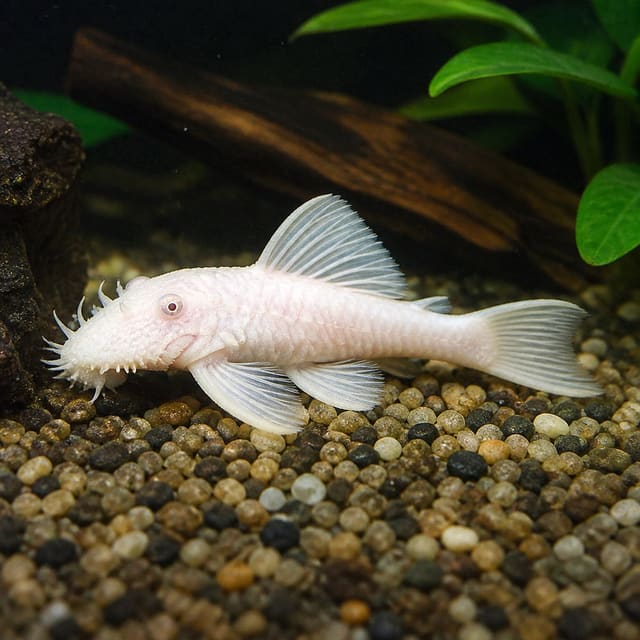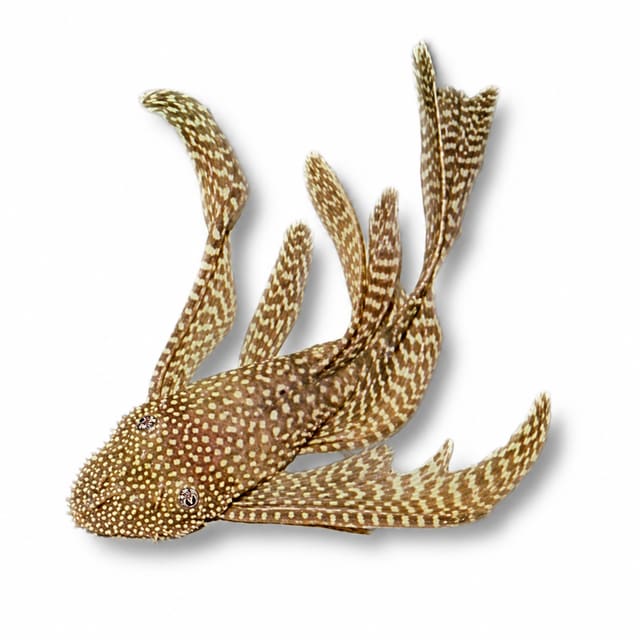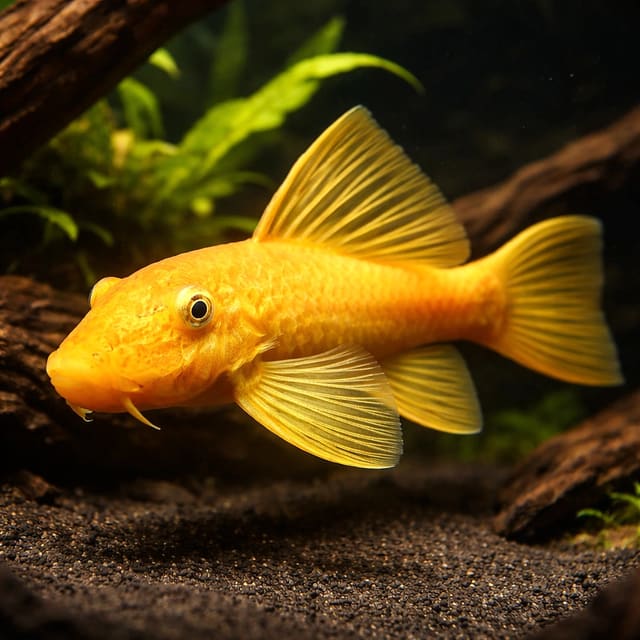
Marigold Bristlenose Pleco (Ancistrus sp.)
22–27°C · pH 6–8
From £5.49Some sizes on sale
A striking young bristlenose plec with a unique honeycomb pattern, perfect for peaceful community aquariums.
Adult size is the maximum length this species reaches at full maturity (scientific sources). The livestock you receive will be younger and smaller — pick a size above for the actual shipping size. Product-photo provenance and any image-specific limitations are stated on the listing.
Ancistrus sp. “wabenmuster”
Confirm your email, then we’ll send an availability message for this exact item if it returns within 180 days.
This request is only for this product—no newsletter or other promotions. A mail-provider retry may very rarely duplicate the same availability message. Unconfirmed addresses are removed after 48 hours. See our privacy policy.
A striking young bristlenose plec with a unique honeycomb pattern, perfect for peaceful community aquariums.
Adult size is the maximum length this species reaches at full maturity (scientific sources). The livestock you receive will be younger and smaller — pick a size above for the actual shipping size. Product-photo provenance and any image-specific limitations are stated on the listing.
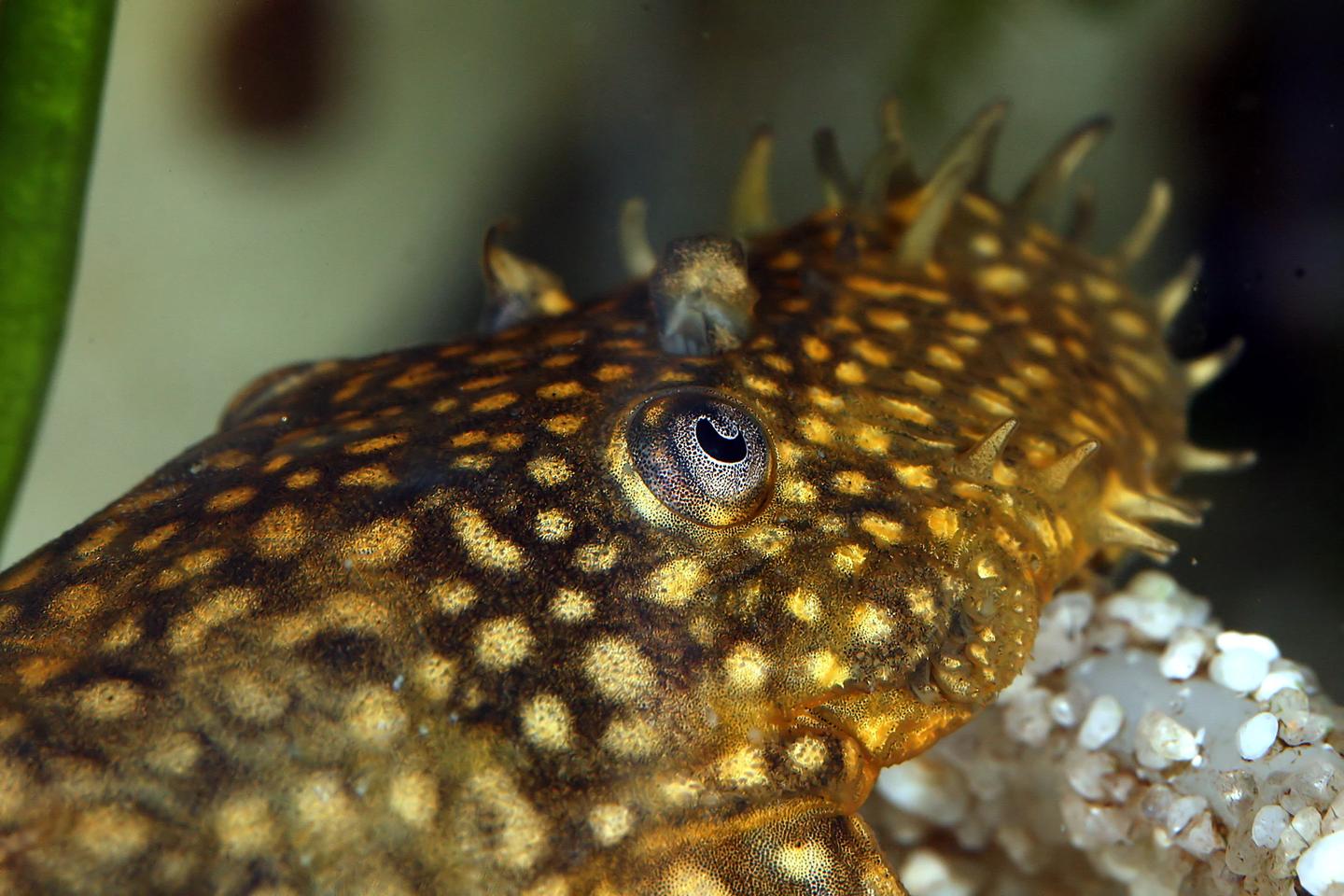
For one typical common bristlenose, start with a mature, filtered aquarium of at least 90 litres, useful floor area, wood and cover. OATA reports about 15 cm adult length, 22-27°C, pH 6-8 and 4-12 dGH. Confirm the exact trade identity before applying species-level claims.
Maintain these water conditions for optimal health and vibrant colors
Ancistrus wabenmuster is a distinctive patterned bristlenose plec offered here at a juvenile size of around 2.5-3 cm. This is a hardy, practical and attractive catfish that quickly becomes a favourite in planted and community aquariums thanks to its algae-grazing habits, manageable adult size and peaceful nature. As with other Ancistrus species, males may develop bristles on the snout as they mature, giving them their classic bristlenose appearance.
Its “wabenmuster” name refers to the appealing honeycomb-like patterning that makes this fish stand out from standard colour forms. It is an excellent choice for aquarists looking for a useful bottom-dweller that also adds character and movement to the tank. With sensible care, stable water conditions and a varied diet, this species can thrive for many years.
We supply live fish with a live arrival guarantee and offer fast UK delivery, helping your new fish arrive safely and in good condition.
| Care Point | Details |
|---|---|
| Scientific name | Ancistrus sp. “wabenmuster” |
| Common name | Wabenmuster bristlenose plec |
| Adult size | Approx. 10-13 cm |
| Temperament | Peaceful |
| Care level | Easy to moderate |
| Minimum tank size | 120 litres |
| Temperature | 22-28°C |
| pH | 6.0-7.5 |
| Diet | Omnivore with strong herbivorous tendency |
| Tank region | Bottom |
Ancistrus species are native to South America, where they inhabit rivers, streams and floodplain waters with plenty of submerged wood, roots, leaf litter and shelter. They are typically found in areas with moderate flow and access to surfaces covered in biofilm and algae. In nature, these fish spend much of their time grazing on soft plant matter, detritus and microorganisms from wood, rocks and other surfaces.
Their natural environment helps explain their aquarium needs: they appreciate clean, well-oxygenated water, hiding places and driftwood to rasp on. A tank that mimics a calm riverbank or forest stream setting will suit them very well. The attractive patterned form sold as Ancistrus wabenmuster is kept and bred in the aquarium trade for its unique appearance and practical algae-eating behaviour.
Although juvenile fish are small, bristlenose plecs grow steadily and should be housed in a suitably sized aquarium from the start. A minimum of 120 litres is recommended for a single fish, with more space needed if keeping a group or a busy community setup. Provide plenty of hiding places using caves, bogwood, rockwork and dense planting. Males in particular appreciate secluded shelters and may become territorial around preferred caves when mature.
Driftwood is highly recommended, as Ancistrus will graze on it and use it as part of their natural feeding behaviour. Smooth stones, broad-leaved plants and shaded areas also help them feel secure. Good filtration and regular maintenance are important because these catfish produce waste and prefer stable, clean water. Gentle to moderate flow is ideal, with strong aeration beneficial in warmer tanks.
Keep water parameters within the following range for best results: 22-28°C, pH 6.0-7.5. They are adaptable, but sudden changes should be avoided. As with all live fish, acclimate carefully and ensure your aquarium is fully cycled before introduction. A mature tank with natural algae growth and established biofilm will help juveniles settle and feed more readily.
While bristlenose plecs are often bought as algae eaters, they should not be relied upon to “clean” a tank on their own. They are omnivores with a strong herbivorous tendency and need a varied diet to remain healthy. Offer quality sinking algae wafers, spirulina-based foods, blanched vegetables such as courgette, cucumber, spinach and shelled peas, plus occasional protein foods in moderation.
Young fish may graze constantly, so it is helpful to feed after lights-out or in the evening when they are most active. Remove uneaten vegetables before they spoil. A balanced diet supports growth, colour and condition, and helps prevent the common issue of underfeeding plecs that are expected to survive only on tank algae.
Because they are bottom feeders, make sure food reaches them and is not monopolised by faster mid-water fish. A varied feeding routine will keep them in excellent condition and encourage natural behaviour.
Ancistrus wabenmuster is generally peaceful and well suited to community aquariums with similarly calm species. Good tank mates include tetras, rasboras, peaceful barbs, livebearers, dwarf cichlids with a mild temperament, Corydoras, rainbowfish and other non-aggressive community fish. Shrimp and snails are usually compatible, although very small shrimp fry may occasionally be opportunistically eaten.
Avoid housing with large, aggressive or highly territorial fish that may harass a bottom-dweller, such as big cichlids, aggressive loaches or predatory species. Also avoid very small tanks where territory cannot be established and water quality may fluctuate. If keeping more than one bristlenose plec, provide multiple caves and plenty of visual barriers to reduce competition, especially between males.
In a well-planned aquarium, this species is a reliable and attractive addition that brings useful algae grazing and plenty of personality without upsetting the balance of a peaceful setup.
At Tropical Fish Co, we focus on supplying healthy, carefully selected live fish that are ready to settle into your aquarium. Your Ancistrus wabenmuster is packed with care and dispatched using methods designed to support safe transit and a smooth acclimation at home. We understand how important it is to receive live fish in excellent condition, which is why we offer a live arrival guarantee and fast UK delivery.
Whether you are building a planted community tank or looking for a practical algae grazer with a striking pattern, this young bristlenose plec is a superb choice. With the right setup, good food and stable water, it will grow into a hardy, long-lived and rewarding aquarium resident.
No reviews for this item yet. Bought one? Honest reviews only, good or bad.
What customers say about ordering from us
Easy website plenty of info on fish your buying great to pick a time slot
TRACEY DURRANT · 7 Oct 2026
Got some lovely fish thank you
Kevin Mackie · 7 Oct 2026
Reviews of our shop, collected by Judge.me, an independent third-party review collector. Newest first.