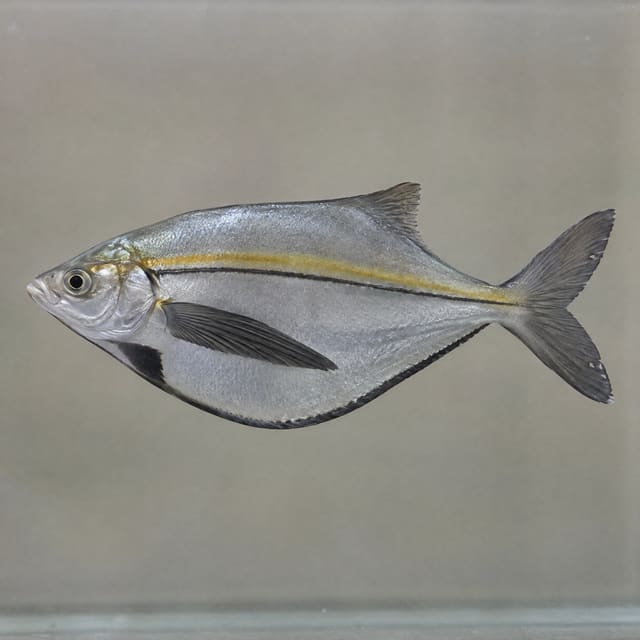
A tiny, peaceful African bottom-dweller that rewards careful keepers with unique behavior and delicate beauty. Difficult care, peaceful. 24-28C, pH 6.0-7.5.
Care at a Glance
Scientific Name
Nannocharax parvus
Max Adult Size
up to 3.5 cm
Lifespan
5 years
Care Level
Difficult
Temperament
Peaceful
Temperature
24–28°C
pH Range
6–7.5
Hardness
2–12 dGH
Minimum Tank
75L
Diet
Insectivore
Adult size is the maximum length this species reaches at full maturity (scientific sources). The livestock you receive will be younger and smaller. Product-photo provenance and any image-specific limitations are stated on the listing.
Too much to read? Just ask Aqua.
Aqua, our 24/7 AI assistant, can answer questions about Parvus Darter Tetra (Nannocharax parvus). Talk or type.
Water Parameters
Temperature
24–28°C
24°CGuidance range28°C
pH Level
6–7.5
6Guidance range7.5
Water Hardness
2–12 dGH
2 dGHGuidance range12 dGH
Nannocharax parvus
Parvus Darter Tetra (Nannocharax parvus)
Advanced Care
Peaceful
£9.99/ fishSold Out
Shoal Pricing
— from £7.00 eachQuantity discounts are pricing offers, not a group-size recommendation. Check the full care guidance and your existing animals before choosing a quantity.
Your shoal
£80.00You save £19.90
Get a product-specific stock alert
Confirm your email, then we’ll send an availability message for this exact item if it returns within 180 days.
This request is only for this product—no newsletter or other promotions. A mail-provider retry may very rarely duplicate the same availability message. Unconfirmed addresses are removed after 48 hours. See our privacy policy.
- Live arrival guaranteed. Email photos the same day if anything is wrong. An unboxing video is optional; we recommend one when practical to help us review problems faster. How it works
- £19.95 delivery, half price from £100, free from £200, or free on the whole order with free delivery fish packs.
- Check our reviews (opens Google Business Profile in a new tab) on Google.
A tiny, peaceful African bottom-dweller that rewards careful keepers with unique behavior and delicate beauty. Difficult care, peaceful. 24-28C, pH 6.0-7.5.
Care at a Glance
Scientific Name
Nannocharax parvus
Max Adult Size
up to 3.5 cm
Lifespan
5 years
Care Level
Difficult
Temperament
Peaceful
Temperature
24–28°C
pH Range
6–7.5
Hardness
2–12 dGH
Minimum Tank
75L
Diet
Insectivore
Adult size is the maximum length this species reaches at full maturity (scientific sources). The livestock you receive will be younger and smaller. Product-photo provenance and any image-specific limitations are stated on the listing.
Too much to read? Just ask Aqua.
Aqua, our 24/7 AI assistant, can answer questions about Parvus Darter Tetra (Nannocharax parvus). Talk or type.
Similar choices available now
Advanced

Water Parameters
Read the full care guidance when planning conditions for your aquarium.
Temperature
24–28°C
24°CGuidance range28°C
pH Level
6–7.5
6Guidance range7.5
Water Hardness
2–12 dGH
2 dGHGuidance range12 dGH
Introduction to the Parvus
The Parvus (Nannocharax parvus) is tiny, peaceful African bottom-dweller that rewards careful keepers with unique behavior and delicate beauty.
Whether you're an experienced aquarist or just starting your fishkeeping journey, the Parvus offers a rewarding addition to a well-maintained community aquarium. Available for sale in the UK through Tropical Fish Co, this species combines ease of care with genuine character.
Did You Know? Soft, tannin-stained water not only replicates natural conditions but can also have mild antibacterial and stress-reducing properties.
Visual Features and Morphology
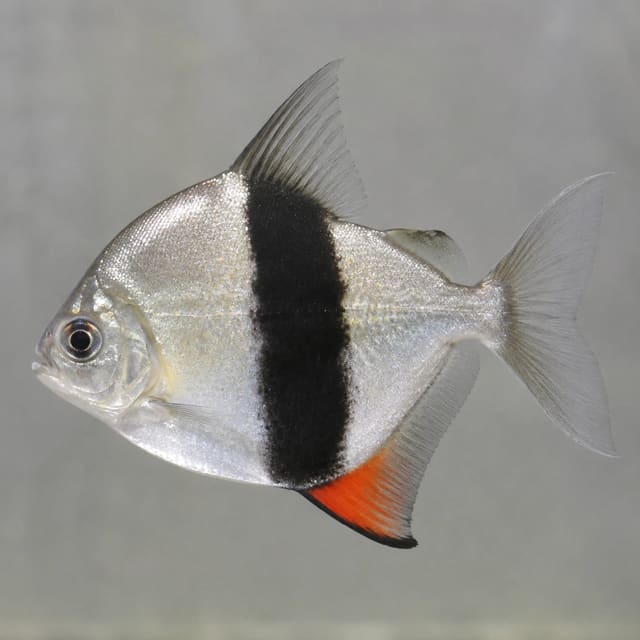
The Parvus typically reaches an adult size of around 3.5 cm, making it well-suited to medium-sized community aquariums. The species displays subtle but attractive natural colouration, which becomes more vibrant when maintained in optimal conditions.
Sexual dimorphism may be subtle in this species, though mature females are often slightly fuller-bodied when in breeding condition. Best colours are achieved through a varied diet, stable water chemistry, and the security of a proper shoal.
Native Environment
In the wild, Nannocharax parvus is found in Central Africa; exact range is not well documented in the aquarium trade, but the genus is native to freshwater systems in tropical Africa. These fish typically inhabit slow-moving tributaries, forest streams, and floodplain pools where water is soft, warm, and often stained with tannins from decaying organic matter.
The natural environment of the Parvus features dense aquatic vegetation, submerged roots, and leaf litter, creating a complex habitat with dappled light and plenty of hiding spaces. Replicating these conditions in the home aquarium helps reduce stress and encourages natural behaviour.
Aquarium Setup and Tank Requirements
A minimum aquarium volume of 75 litres is recommended for a small group of Parvus. Provide a well-planted layout with open swimming areas, subdued lighting, and a dark substrate to help the fish feel secure and display their best colours.
Include plenty of live plants (such as Java Fern, Anubias, or Amazon Sword), driftwood, and smooth rocks to create a naturalistic environment. Efficient filtration is essential, but avoid strong currents; gentle water movement mimics the calm waters these fish prefer in the wild.
A secure aquarium lid is important, as many small characins are capable jumpers when startled. Regular partial water changes and stable conditions are key to long-term health and vitality.
Optimal Water Conditions
The Parvus thrives in water temperatures between 24-28C, with a pH range of 6.0-7.5. Soft to moderately soft water is preferred, and the addition of natural tannins (via catappa leaves or driftwood) can help replicate wild conditions and support overall health.
Maintain excellent water quality through regular testing and partial water changes (20-30% weekly is a good guideline). Ammonia and nitrite should always be zero, and nitrate levels kept low through diligent aquarium maintenance and efficient biological filtration.
Avoid sudden fluctuations in temperature or chemistry, as stability is more important than hitting exact parameter targets. Acclimatise new fish slowly using the drip method to minimise stress and reduce the risk of shock.
Expert Advice: Always acclimatise new Parvus slowly using the drip method to avoid temperature and chemistry shock.
Feeding and Nutrition
As an insectivore, the Parvus requires a varied and balanced diet to maintain vibrant colours and robust health. Offer small meaty foods such as live or frozen daphnia, cyclops, Artemia, and finely chopped insect larvae; many specimens may also accept quality micro-pellets or sinking granules after acclimation.
Feed small portions two to three times daily, offering only what can be consumed within a few minutes to prevent water quality degradation. A varied diet not only enhances colour and condition but also supports the immune system and encourages natural foraging behaviour.
High-quality commercial foods formulated for small tropical fish provide a solid foundation, but regular supplementation with live or frozen foods will bring out the best in this species.
Temperament and Activity
The Parvus is a peaceful species that does best when kept in a group of six or more individuals. Shoaling behaviour is natural and essential for their confidence; solitary specimens or those kept in insufficient numbers may become timid, stressed, or occasionally nippy.
These fish are active swimmers that occupy the mid to upper levels of the aquarium, where they forage, explore, and interact with their shoal-mates. Their natural behaviour is most evident in a well-planted tank with gentle lighting and calm water flow.
Observing a healthy shoal of Parvus is a genuine pleasure, as they move together in fluid formations and respond to environmental cues with natural grace.
Choosing Suitable Tank Companions
The Parvus is an excellent choice for a peaceful community aquarium. Suitable tank mates include Small peaceful African schooling fish of similar size, Calm small bottom-dwellers that will not compete aggressively for food, Other small, non-aggressive species from similar water conditions, and other similarly sized, non-aggressive species that share comparable water parameter requirements.
Avoid housing with Large predatory fish, Boisterous or aggressive tankmates, Fast competitive feeders, or any fish large or aggressive enough to intimidate or prey upon this species. Peaceful invertebrates such as small shrimp and snails can also coexist safely, though very small shrimp fry may occasionally be eaten.
Always research the specific needs and temperament of any prospective tank mates before introduction, and ensure the aquarium is large enough to accommodate all inhabitants comfortably.
Breeding and Reproduction
Breeding the Parvus in the home aquarium is possible but may require specific conditions and careful preparation. Breeding is not commonly reported in aquaria; if it occurs, it likely requires very soft, clean water, excellent conditioning with live foods, and a quiet species-only setup.
A separate breeding tank with soft, slightly acidic water and fine-leaved plants or spawning mops will encourage spawning. Condition prospective parents with high-quality live and frozen foods to bring them into peak breeding condition.
Fry are tiny and require very small live foods such as infusoria or commercial liquid fry food initially, graduating to freshly hatched brine shrimp as they grow. Patience, attention to water quality, and careful feeding are essential for success.
Quality Guarantee and Expert Support
At Tropical Fish Co, we specialise in supplying healthy, responsibly sourced Parvus and a wide range of other freshwater tropical fish for sale in the UK. Every fish is carefully selected, quarantined, and conditioned before dispatch to ensure you receive livestock in peak condition.
Our expert team is on hand to provide tailored advice on aquarium setup, water chemistry, diet, and compatibility, whether you're establishing your first aquarium or expanding an existing collection.
We offer reliable UK-wide delivery, excellent customer service, and a commitment to quality that has made us a trusted name among hobbyists across the country. When you buy from Tropical Fish Co, you're investing in livestock backed by genuine expertise and care.
Customer Reviews
No reviews for this item yet. Bought one? Honest reviews only, good or bad.
What customers say about ordering from us
4.7 on Google Maps, rated 4.7 out of 5 (opens in a new tab)4.4 · 123 shop reviews read them, rated 4.4 out of 5
- 5 out of 5Verified buyer
Easy website plenty of info on fish your buying great to pick a time slot
TRACEY DURRANT · 7 Oct 2026
- 4 out of 5Verified buyer
Got some lovely fish thank you
Kevin Mackie · 7 Oct 2026
Reviews of our shop, collected by Judge.me, an independent third-party review collector. Newest first.
Licensed Courier
Moved by UK carriers licensed to handle live animals
Trained Packing
Hand-packed with oxygen bags, poly box, heat pack
Live Arrival Guarantee
Email photos the same day; an optional unboxing video helps us review problems faster — claim terms apply
Pay Later Available
Klarna & PayPal Pay in 3 at checkout