Advanced
Heteractis malu yellow - Marine Aquarium Livestock UK
24–26°C · pH 8.1–8.3
£47.99
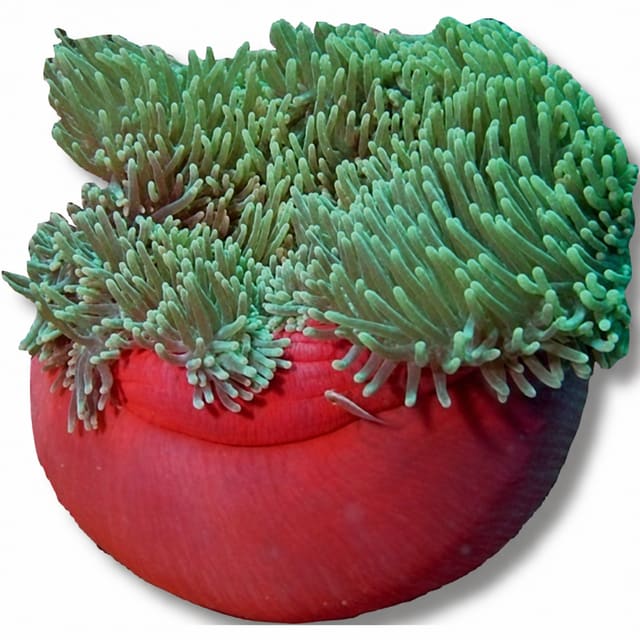
Stunning medium Rock Flower Anemone with bold colours and a hardy nature for reef aquariums.
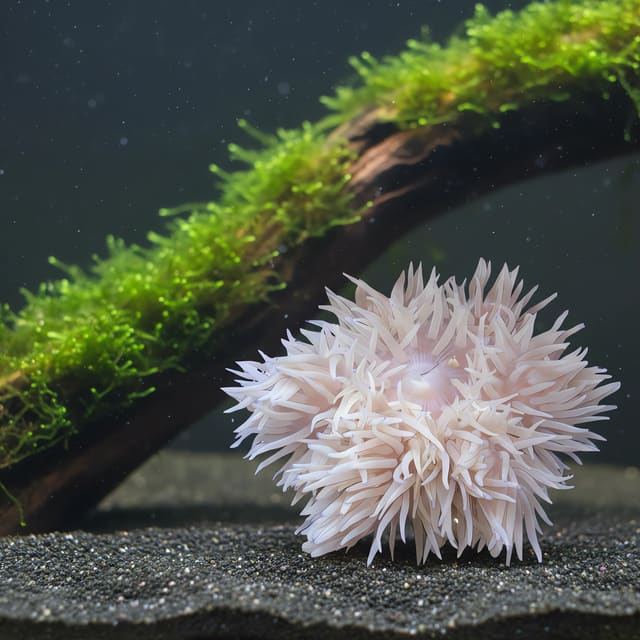
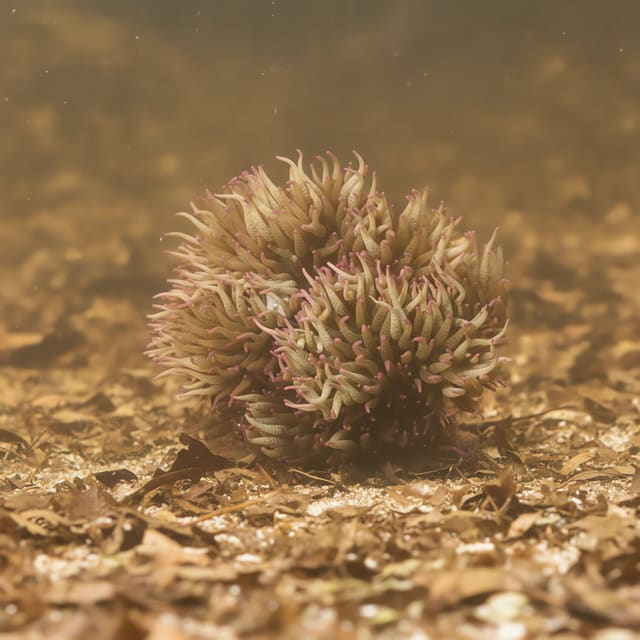
Adult size is the maximum length this species reaches at full maturity (scientific sources). The livestock you receive will be younger and smaller. Product-photo provenance and any image-specific limitations are stated on the listing.
Epicystis crucifer
Confirm your email, then we’ll send an availability message for this exact item if it returns within 180 days.
This request is only for this product—no newsletter or other promotions. A mail-provider retry may very rarely duplicate the same availability message. Unconfirmed addresses are removed after 48 hours. See our privacy policy.
Stunning medium Rock Flower Anemone with bold colours and a hardy nature for reef aquariums.
Adult size is the maximum length this species reaches at full maturity (scientific sources). The livestock you receive will be younger and smaller. Product-photo provenance and any image-specific limitations are stated on the listing.
Maintain these water conditions for optimal health and vibrant colors
The Rock Flower Anemone, Epicystis crucifer, is a highly sought-after Caribbean anemone prized for its vivid colours, attractive tentacle patterns and relatively hardy nature. The Medium size specimen is an excellent choice for reef keepers looking to add a striking focal point to a mature marine aquarium. Unlike many delicate anemones, Rock Flower Anemones are often more adaptable when provided with stable water conditions, moderate lighting and gentle flow.
These anemones are known for their broad colour range, including green, orange, red, pink, purple, brown and mixed patterns, often with contrasting tentacle tips and oral discs. Each individual is unique, making them especially appealing to aquarists who want a one-of-a-kind display animal. They are generally peaceful, but like all anemones they can sting nearby corals and should be given space to settle and expand.
At Tropical Fish Co, we supply healthy marine livestock with a focus on careful handling and quality husbandry. This Rock Flower Anemone is backed by our live arrival guarantee and fast UK delivery, helping you receive your new arrival in the best possible condition.
| Care Factor | Recommendation |
|---|---|
| Scientific name | Epicystis crucifer |
| Common name | Rock Flower Anemone |
| Care level | Moderate |
| Temperament | Peaceful, but stinging |
| Adult size | Up to around 10 cm across, sometimes larger when fully expanded |
| Minimum tank size | 100 litres |
| Temperature | 24–27°C |
| pH | 8.1–8.4 |
| Diet | Carnivorous; meaty marine foods, zooplankton, small chopped seafood, and photosynthesis via symbiotic algae |
| Tank region | Bottom / rockwork |
Epicystis crucifer is native to the tropical western Atlantic, particularly the Caribbean and surrounding reef zones. In the wild, Rock Flower Anemones are commonly found attached to hard substrates such as rock, rubble and reef crevices, often in areas with moderate water movement and good light penetration. Their natural habitat is typically shallow and brightly lit, which supports the symbiotic zooxanthellae living within their tissues.
These anemones often inhabit patchy reef environments where they can partially bury their pedal disc in sand or anchor securely to rock. This natural behaviour is important to replicate in the aquarium, as they prefer to settle into a stable location and may move if conditions are unsuitable. Their ability to tolerate a range of microhabitats is one reason they are considered more manageable than some other ornamental anemones.
A mature reef aquarium is strongly recommended for Rock Flower Anemones. Stability is the key to success, so avoid placing them in newly cycled systems or tanks with fluctuating salinity, temperature or nutrient levels. A minimum of 100 litres is suitable for a single specimen, though larger systems provide more stable conditions and better placement options.
Provide a mix of live rock and open sand or fine rubble so the anemone can choose its preferred position. They often settle at the base of rockwork with the foot anchored in a crevice or partially in the substrate. Moderate lighting is ideal, although strong reef lighting can also be appropriate if the animal is acclimated gradually. Too much direct, intense light may cause the anemone to contract or move, while insufficient light can reduce long-term health.
Water flow should be gentle to moderate. The anemone should sway naturally, not be blasted by a direct powerhead stream. Keep all pumps and intakes well guarded, as wandering anemones can be damaged by unprotected equipment. Stable reef parameters are essential: salinity around 1.024–1.026, temperature 24–27°C, pH 8.1–8.4, and low to moderate nitrate and phosphate levels. Sudden swings are more harmful than slightly imperfect but stable values.
Acclimation should be slow and careful. As with all live marine invertebrates, float the bag to equalise temperature, then drip acclimate to reduce stress from salinity differences. Once introduced, allow the anemone time to settle without excessive handling. It may inflate and deflate during the first few days as it adjusts to its new environment.
Rock Flower Anemones are photosynthetic, but they also benefit from regular target feeding. In the aquarium, offer small meaty foods such as mysis shrimp, finely chopped prawn, krill, marine pellets designed for carnivorous invertebrates, or enriched seafood pieces. Feed sparingly once or twice per week, using a small portion that can be fully consumed without fouling the water.
Because they host symbiotic algae, good lighting supports much of their energy needs. However, supplemental feeding helps maintain colour, growth and overall condition, especially in younger specimens or tanks with lower nutrient availability. Avoid overfeeding, as excess food can rot and degrade water quality. If the anemone is not fully open, wait until it has settled before attempting to feed.
Rock Flower Anemones are generally peaceful, but compatibility must be considered carefully because of their stinging tentacles. They are best kept with calm reef-safe fish and invertebrates that will not nip, harass or dislodge them. Clownfish may sometimes host in Rock Flower Anemones, but this is not guaranteed and should not be expected in every case.
Good tank mates include small gobies, blennies, cardinalfish, peaceful wrasses, cleaner shrimp and other non-aggressive reef invertebrates. Avoid butterflyfish, angelfish known to nip invertebrates, triggerfish, puffers, large wrasses, and any species that may pick at the anemone. Also avoid placing the anemone close to corals with long sweeper tentacles or other stinging species, as chemical and physical warfare can occur.
Give the anemone plenty of space from neighbouring corals, especially LPS and soft corals that may be damaged by contact. As with all anemones, there is always a chance of movement, so plan the aquascape accordingly. A stable, mature reef with protected pumps and careful livestock selection will give the best results.
When you order from Tropical Fish Co, you are choosing a specialist marine livestock supplier that understands the needs of delicate reef animals. We prioritise healthy stock, careful packing and reliable service so your new anemone arrives in excellent condition. Our live arrival guarantee gives you added confidence, while fast UK delivery helps reduce transit stress and gets your livestock into your aquarium quickly.
We also provide clear care information to help you succeed from day one. Whether you are adding your first anemone or expanding an established reef display, our Rock Flower Anemone selection offers exceptional colour, individuality and long-term interest. With the right setup, Epicystis crucifer can become a standout feature in your marine aquarium for years to come.
No reviews for this item yet. Bought one? Honest reviews only, good or bad.
What customers say about ordering from us
Easy website plenty of info on fish your buying great to pick a time slot
TRACEY DURRANT · 7 Oct 2026
Got some lovely fish thank you
Kevin Mackie · 7 Oct 2026
Reviews of our shop, collected by Judge.me, an independent third-party review collector. Newest first.