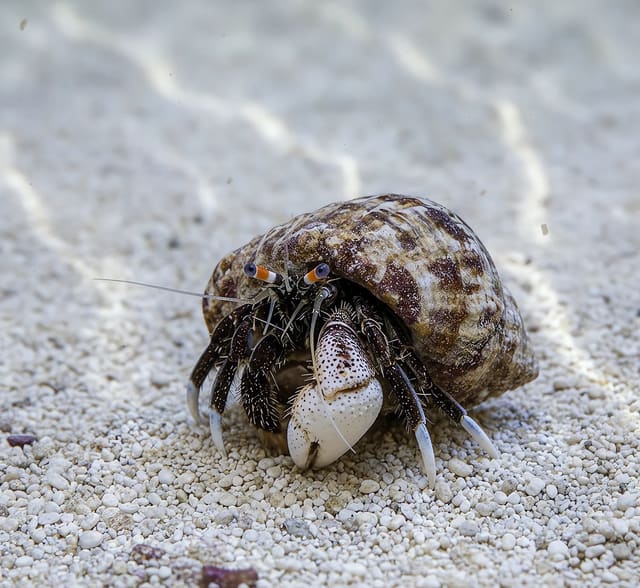
Calcinus laevimanus (white leg hermitcrab) - Marine Aquarium Livestock UK
24–26°C · pH 7.9–8.3
£10.99
A vivid, intelligent marine predator with incredible striking power and bold personality.
Adult size is the maximum length this species reaches at full maturity (scientific sources). The livestock you receive will be younger and smaller. Product-photo provenance and any image-specific limitations are stated on the listing.
Odontodactylus scyllarus
Confirm your email, then we’ll send an availability message for this exact item if it returns within 180 days.
This request is only for this product—no newsletter or other promotions. A mail-provider retry may very rarely duplicate the same availability message. Unconfirmed addresses are removed after 48 hours. See our privacy policy.
A vivid, intelligent marine predator with incredible striking power and bold personality.
Adult size is the maximum length this species reaches at full maturity (scientific sources). The livestock you receive will be younger and smaller. Product-photo provenance and any image-specific limitations are stated on the listing.
Maintain these water conditions for optimal health and vibrant colors
The Peacock Mantis Shrimp (Odontodactylus scyllarus) is one of the most extraordinary marine invertebrates available in the aquarium hobby. Famous for its dazzling colours, highly developed eyesight and lightning-fast strike, this species is a true specialist animal for experienced marine keepers who want something genuinely unique. The medium size specimen offered here is ideal for a dedicated species tank, where its behaviour and feeding can be observed up close.
Unlike many ornamental marine invertebrates, O. scyllarus is not a reef-safe community animal. It is a powerful stomatopod predator that uses a club-like appendage to smash hard-shelled prey. In the aquarium, it is best kept alone in a secure setup with robust rockwork and a tightly fitted lid. When housed correctly, it can become a fascinating, interactive pet with distinct personality and impressive intelligence.
At Tropical Fish Co, we supply healthy marine livestock with a live arrival guarantee and fast UK delivery, so your new mantis shrimp arrives safely and ready to settle into its new home.
| Care Level | Expert |
|---|---|
| Temperament | Aggressive |
| Adult Size | Up to 18 cm |
| Minimum Tank Size | 150 litres |
| Temperature | 24–28°C |
| pH | 8.1–8.4 |
| Diet | Carnivorous; meaty marine foods, shellfish, crustaceans, molluscs |
| Tank Region | Bottom |
Odontodactylus scyllarus is native to the Indo-Pacific, where it inhabits tropical marine environments including rubble zones, coral reef slopes and sandy areas adjacent to reefs. It is commonly associated with burrows in hard substrate or compacted sand, where it creates a secure retreat and ambush point. In nature, this species spends much of its time hidden, emerging to hunt snails, crabs, hermit crabs and other small invertebrates.
The species’ natural habitat helps explain its aquarium requirements. It needs a stable marine environment, plenty of hiding places and a substrate arrangement that allows burrowing or denning. Because it is a powerful digger and escape artist, the tank must be carefully planned to prevent collapse of rockwork and to stop the animal from leaving the aquarium.
A species-only aquarium is strongly recommended. A mature marine system with stable filtration, excellent water quality and secure aquascaping will give the best results. Use a deep sand bed or fine aragonite substrate, combined with stable live rock structures positioned directly on the tank base rather than on top of loose sand. This reduces the risk of collapse if the shrimp excavates beneath them.
A tight-fitting lid is essential. Peacock mantis shrimp are capable of climbing, pushing and exploiting even small gaps. All openings for pipework and cables should be sealed as much as possible. Choose a tank with strong glass or acrylic and avoid placing the aquarium where sudden knocks or vibrations are likely.
Water movement should be moderate rather than extreme. Strong, turbulent flow is unnecessary and may make the animal less comfortable. Maintain excellent filtration and perform regular water changes to keep nitrate low and overall conditions stable. As with all marine invertebrates, avoid sudden swings in salinity, temperature or pH.
Recommended parameters are:
Because this species is highly predatory and can be destructive to tankmates, it should not be kept in a community reef or mixed invertebrate display. A dedicated setup allows you to focus on the animal’s welfare and behaviour, while protecting other livestock.
Odontodactylus scyllarus is a strict carnivore. In the wild it feeds on hard-shelled prey and other small marine animals, and in captivity it should be offered a varied meaty diet. Suitable foods include raw marine shrimp, mussel, clam, cockle, squid, crab legs and other shellfish. Frozen marine foods can be used, but many keepers also offer live or freshly thawed items to encourage natural hunting behaviour.
Feed small portions two to four times per week depending on size, temperature and body condition. Overfeeding can quickly foul water and is unnecessary, as mantis shrimp are efficient feeders. A varied diet helps maintain colour, condition and long-term health. If feeding shell-on foods, the animal can exercise its striking appendages naturally, which is part of the appeal of keeping this species.
Do not offer foods that are too large to handle safely. Remove uneaten food promptly to maintain water quality. As with all marine invertebrates, avoid copper-based medications and ensure any food or supplements are marine-safe.
This species is best kept alone. Peacock mantis shrimp are not suitable for standard community marine tanks, reef tanks or mixed invertebrate systems. They will usually attack and consume fish, crabs, shrimps, snails and other small tank inhabitants. Even larger tankmates may be injured by the mantis shrimp’s powerful strike.
If you want to keep one with other animals, the only sensible approach is a very carefully planned species-specific or predator display with no vulnerable livestock present. In most cases, the safest and most ethical option is a single-specimen aquarium. This allows the animal to thrive without stress, while also preventing losses to other livestock.
Because of its strength and intelligence, this species should be handled as a specialist animal. Never place hands near the burrow opening, and use caution when moving decor or performing maintenance. A calm, deliberate approach is always best.
At Tropical Fish Co, we understand that specialist marine livestock needs careful handling from source to doorstep. Our live stock is packed with attention to temperature, oxygen and transit security, helping to ensure a healthy arrival. With our live arrival guarantee and fast UK delivery, you can order with confidence knowing your new Peacock Mantis Shrimp will be treated with care.
We also aim to provide accurate husbandry information so you can set up the right environment before your animal arrives. For a species as remarkable as Odontodactylus scyllarus, proper preparation is essential. If you are looking for a truly unforgettable marine invertebrate with colour, intelligence and incredible natural behaviour, this is one of the most rewarding choices in the hobby.
No reviews for this item yet. Bought one? Honest reviews only, good or bad.
What customers say about ordering from us
Easy website plenty of info on fish your buying great to pick a time slot
TRACEY DURRANT · 7 Oct 2026
Got some lovely fish thank you
Kevin Mackie · 7 Oct 2026
Reviews of our shop, collected by Judge.me, an independent third-party review collector. Newest first.