

Easy
Microrasbora kubotai - Tropical Fish for Sale UK
22–26°C · pH 6–7.5 · 30L
£4.99

Corydoras davidsandsi 3 - available for UK delivery.
Corydoras davidsandsi
Not home? Message us and we'll delay delivery.
Corydoras davidsandsi 3 - available for UK delivery.
Corydoras davidsandsi is a small peaceful catfish from South America that brings constant activity and social behaviour to community aquariums. Available for sale UK through Tropical Fish Co, this Corydoras species reaches 3-4cm and displays the characteristic armoured body and engaging bottom-dwelling behaviour that makes the genus so popular with aquarists worldwide. Like all Corydoras, this species thrives when kept in groups where their synchronized foraging movements and social interactions become most apparent. The peaceful temperament and moderate care requirements make it suitable for aquarists with established aquariums seeking active bottom dwellers.
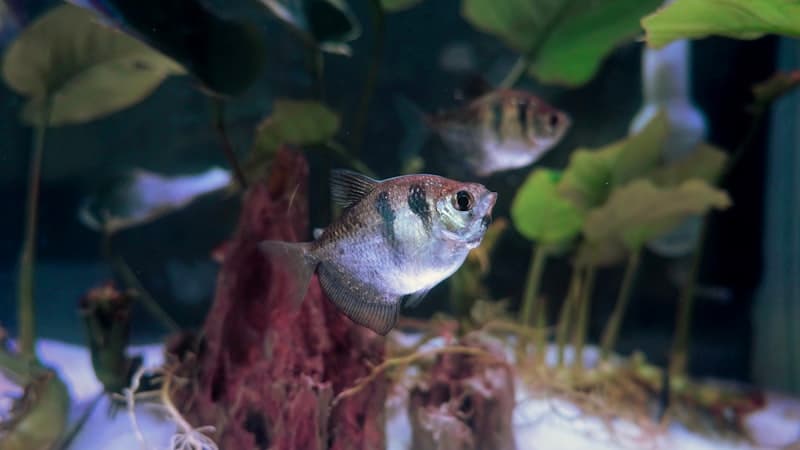
Corydoras davidsandsi displays typical Corydoras morphology with stocky armoured body covered in overlapping bony plates (scutes), rounded snout with sensory barbels, and adipose fin characteristic of the family. The specific colour pattern and markings distinguish this species within the diverse Corydoras genus. Like all members of the genus, they possess two rows of protective plates along the flanks and well-developed pectoral and dorsal fin spines. The eyes are positioned to allow upward vision whilst foraging on substrate, and the barbels are highly sensitive tactile organs essential for locating food particles buried in sand or amongst detritus.
As a Corydoras species, C. davidsandsi inhabits South American river systems, most likely in the Amazon or Paraná basin regions where most Corydoras are found. These environments typically feature soft, slightly acidic water with gentle to moderate flow, fine sand or silt substrates, and abundant leaf litter. Overhanging riparian vegetation creates dappled lighting, whilst submerged wood and accumulated organic matter provide foraging grounds rich in micro-invertebrates and detritus. The aquatic environment experiences seasonal fluctuations with water levels varying throughout the year, though stable permanent pools provide refuge during dry periods.
Provide a minimum 60-litre aquarium with soft sand substrate exclusively—Corydoras rely on their sensitive barbels for feeding and sharp substrates cause injury and infection. Furnish with smooth driftwood, rounded stones, and live plants creating naturalistic environment whilst leaving open sand areas for foraging. Gentle filtration with moderate flow suits Corydoras preferences for calmer waters. Moderate lighting with floating plants or surface cover creates security, though Corydoras are diurnal and active during daylight. Well-oxygenated water is important as these active fish have elevated metabolic requirements—watch for their characteristic surface gulping behaviour where they dash up to breathe atmospheric air as a supplementary respiratory mechanism.
Maintain stable temperatures appropriate for tropical Corydoras, typically 22-26°C. Water should be soft with slightly acidic to neutral pH matching South American origins. Like all Corydoras, this species is sensitive to accumulated metabolites and declining water quality. Ammonia and nitrite must remain at zero, with nitrates kept below 20ppm through regular weekly water changes of 25-30%. Good oxygenation through gentle surface agitation supports their active lifestyle. Consistency in parameters prevents stress that compromises immune function and increases disease susceptibility.
Corydoras davidsandsi is an omnivorous bottom feeder that naturally consumes micro-invertebrates, insect larvae, and organic detritus sifted from substrate. In captivity, provide varied sinking diet: quality Corydoras pellets or wafers daily, supplemented regularly with frozen or live foods such as bloodworms, daphnia, and brine shrimp. Feed twice daily in moderate amounts, ensuring food reaches the substrate. Despite their scavenging reputation, Corydoras require proper dedicated feeding—they cannot survive solely on leftovers from other fish. Ensure particle size is appropriate for their mouth size, and provide feeding during periods when they're most active.
Unlike nocturnal catfish, Corydoras are diurnal and display constant activity throughout daylight hours. They are highly social fish forming cohesive groups in nature—maintain them in groups of 6+ individuals where synchronized foraging and social interactions become apparent. Watch for their characteristic bottom-sifting behaviour as they process mouthfuls of sand searching for food particles. Periodic surface dashes to gulp air are normal behaviour, utilizing modified intestinal respiration. Occasional bursts of energetic swimming (the "cory dance") are normal social or territorial displays and indicate healthy, settled fish.
This peaceful Corydoras thrives alongside small, non-aggressive community fish. Suitable companions include small tetras, peaceful rasboras, small livebearers, and other peaceful bottom dwellers. Avoid large aggressive fish, predatory species, notorious fin-nippers, and very boisterous fish that would intimidate or outcompete the catfish during feeding. Select tankmates that appreciate similar water parameters and won't harass the busy bottom-dwelling Corydoras.
Breeding Corydoras follows typical genus patterns: condition groups with high-quality varied foods, then trigger spawning with cooler water changes simulating seasonal rainfall. Females collect eggs in ventral fin pouch after the characteristic T-position mating, then attach them to aquarium glass, plant leaves, or décor. Remove adults to prevent egg predation, or transfer eggs to separate rearing tank. Fry initially require microscopic foods before accepting larger offerings as they grow.
Tropical Fish Co supplies healthy, quarantined Corydoras davidsandsi that have been carefully acclimated to UK water conditions and are feeding actively. Each specimen is hand-selected for good body condition and intact barbels. Our team can advise on group sizes, compatible tankmates, and proper Corydoras husbandry. With specialist packaging and next-day UK delivery, your new catfish arrive safely in peak condition.
Dispatched Tue or Wed, delivered Wed or Thu — every order tracked and insured.
22–26°C · pH 6–7.5 · 30L

24–28°C · pH 7.5–8.5 · 150L


24–28°C · pH 7.5–8.5 · 200L

18–25°C · pH 6–8 · 100L


24–27°C · pH 7.5–8.8 · 150L

22–26°C · pH 6–7.5 · 60L

24–28°C · pH 5.5–7 · 60L

18–28°C · pH 6.5–8 · 20L

24–28°C · pH 7.5–8.5 · 40L

24–28°C · pH 7.5–8.5 · 400L

22–26°C · pH 6–7.5 · 150L

22–28°C · pH 7–8.5 · 10L

23–27°C · pH 5.5–7.5 · 80L

24–27°C · pH 7.5–9 · 250L