−10%
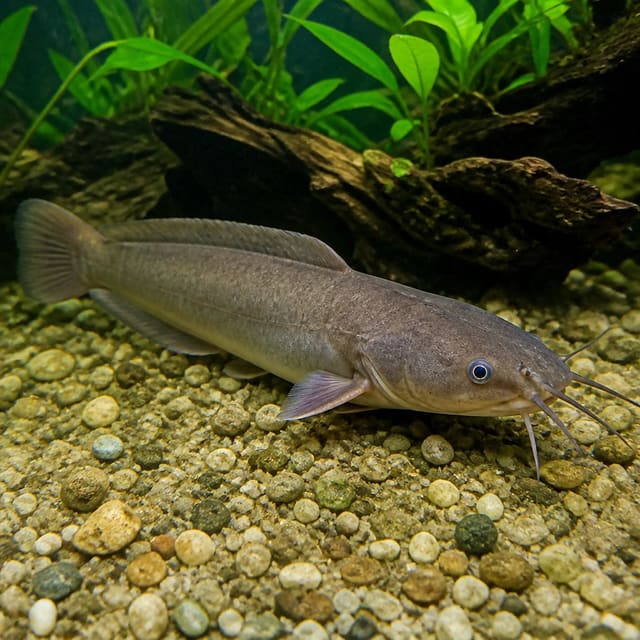
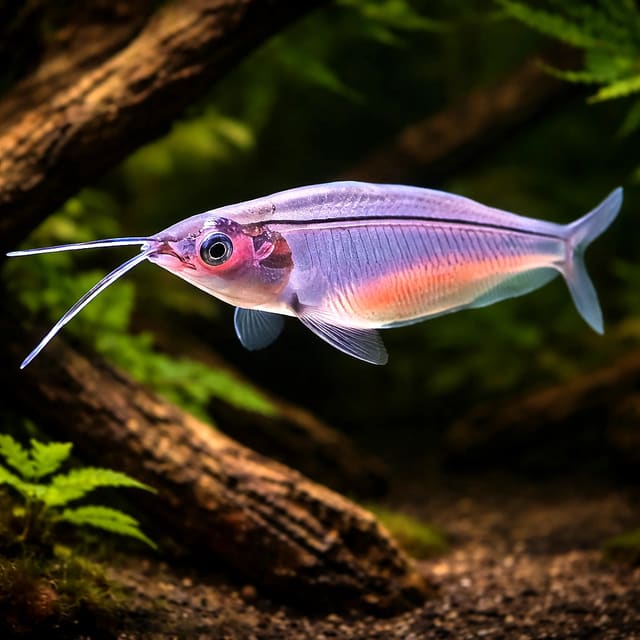
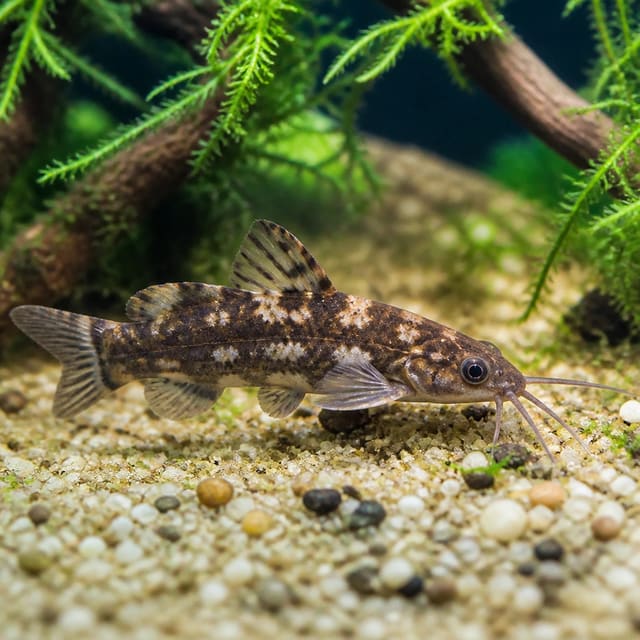
Dwarf Marbled Catfish (Microglanis poecilus)
22–27°C · pH 6–8
£8.09£8.99

A compact, attractive Mystus catfish that stays manageable in size but needs a secure, dimly lit tank with peaceful tankmates. Moderate care, semi-aggressive. 24-27C, pH 6.0-7.5.
Mystus sp.
Confirm your email, then we’ll send an availability message for this exact item if it returns within 180 days.
This request is only for this product—no newsletter or other promotions. A mail-provider retry may very rarely duplicate the same availability message. Unconfirmed addresses are removed after 48 hours. See our privacy policy.
A compact, attractive Mystus catfish that stays manageable in size but needs a secure, dimly lit tank with peaceful tankmates. Moderate care, semi-aggressive. 24-27C, pH 6.0-7.5.
Maintain these water conditions for optimal health and vibrant colors
For aquarists seeking an exotic fish for sale UK, the Mystus sp. 5 is a compact, attractive Asian catfish that stays manageable in size but needs a secure, dimly lit tank with peaceful tankmates. Native to South Asia (exact locality unknown for this trade form), this semi-aggressive carnivore grows to an unverified adult size likely smaller than 15 cm. Its bold personality and nocturnal habits make it a fascinating addition to larger community aquariums, though careful tankmate selection is essential. At Tropical Fish Co, we supply healthy juveniles that adapt well to aquarium life and reward attentive care with years of engaging, active behavior.
Mystus sp. 5 displays a silver-brown base color with subtle mottling and faint horizontal banding along the flanks. The body is elongated and slightly compressed, with a broad head, prominent eyes, and long barbels that extend well beyond the head. The fins are semi-translucent with faint pigmentation, and the caudal fin is deeply forked. Juveniles at 5–6 cm show the same understated patterning as adults, and the coloration remains consistent under subdued lighting. Under bright light, the fish may appear washed out, but in dim conditions the subtle marbling and banding become more visible.
The exact native locality of this trade form is unknown, but Mystus species typically inhabit slow-moving rivers, lakes, and swamps across South Asia. These environments feature soft, acidic water with abundant organic debris, submerged logs, and dense marginal vegetation. Water conditions are typically warm (24–27 °C), neutral to slightly acidic, and well-oxygenated. Mystus species are primarily nocturnal, hiding among submerged logs, dense vegetation, and muddy banks during the day. At dusk, they emerge to forage for small invertebrates, worms, and organic debris. Replicating these dimly lit, well-structured conditions at home encourages natural behavior and optimal health.
A 120-litre aquarium is recommended to accommodate potential growth and territorial behavior. Use soft sand or smooth substrate with hiding places such as driftwood, rounded stones, and caves. Live or artificial plants can be used; robust species like Java fern, Anubias, and Vallisneria are preferable. Subdued lighting is essential to reduce stress and encourage natural behavior. A secure lid is mandatory, as Mystus species are strong swimmers and may jump. Ensure all décor is stable and free of sharp edges. Provide multiple hiding spots to reduce territorial aggression, especially if keeping more than one specimen.
Mystus sp. 5 is a carnivore that requires a varied sinking diet. Offer quality catfish pellets or sinking carnivore pellets as a staple, supplemented with frozen or live foods such as bloodworms, mysis, brine shrimp, and chopped earthworms or insect larvae. Occasional meaty foods such as chopped fish or shrimp can be offered. Feed once daily in the evening, as this species is primarily nocturnal. Ensure food reaches the substrate and is not consumed entirely by faster mid-water fish. Avoid overfeeding, as uneaten food can degrade water quality.
This catfish is primarily nocturnal and semi-aggressive. It hides during the day and emerges at dusk to forage. Mystus sp. 5 may prey on very small tankmates and can become territorial, especially with other bottom-dwellers. It is best kept singly or with robust fish of similar size. When feeding, it is a confident and assertive eater. Despite its boldness at feeding time, it remains shy and reclusive during daylight hours, only emerging from hiding when the lights are dimmed. Males may display mild territorial posturing, but serious aggression is uncommon in spacious, well-structured tanks.
Ideal companions include robust, similarly sized peaceful fish such as fast-moving barbs (tinfoil, rosy), large rasboras (scissortail), rainbowfish (Boesemani, turquoise), and other non-territorial bottom-dwellers of similar size. Avoid housing with small fish and fry, shrimp and small invertebrates, slow long-finned fish, very timid bottom-dwellers, or species small enough to be eaten. Fast-moving, mid-water species that will not be harassed or outcompeted are best.
Breeding is not commonly reported in home aquaria and usually requires large, well-conditioned adults and seasonal cues that are difficult to replicate. Exact spawning requirements are unknown for this undescribed form. Sexual dimorphism is subtle; females may be slightly larger and plumper when carrying eggs. If breeding is attempted, provide multiple caves and monitor water parameters closely. Spawning may occur after a series of partial water changes that simulate monsoon conditions. Fry, if produced, require specialized care and micro-foods such as infusoria or liquid fry food initially.
At Tropical Fish Co, every Mystus sp. 5 is quarantined, health-checked, and acclimated to UK water conditions before dispatch. We source our fish from reputable suppliers who prioritize ethical collection and sustainable practices. Our livestock arrives in insulated packaging with heat packs during colder months, ensuring safe transit. With decades of combined fishkeeping experience, our team is available to answer questions about care, compatibility, and tank setup. Whether you're building a South Asian biotope or expanding an established collection, we're here to support your success. Order with confidence and enjoy premium freshwater fish delivered to your door.
No reviews for this item yet. Bought one? Honest reviews only, good or bad.
What customers say about ordering from us
I have a small group of long finned mountain minnows. So was delighted to be able to order ten of this variety to increase the genetics in my tank . The ones I recieved are healthy but it’s to early to give a verdict on wether they are of a long finned type since they are small currently.
Gordon Walker · 23 Sept 2026
100% success travel and "installation". Pleased with quality of purchase. The Siamese fighter a bit "shy" so have not yet seen him at his best yet but looking good. Happy customer. GG
George E Garratt · 21 Sept 2026
Reviews of our shop, collected by Judge.me, an independent third-party review collector. Newest first.