−22%
Expert
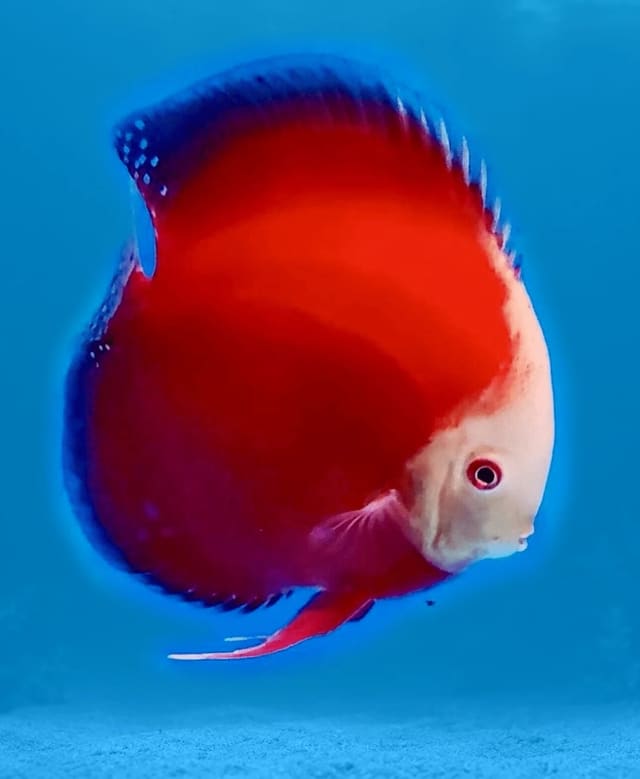
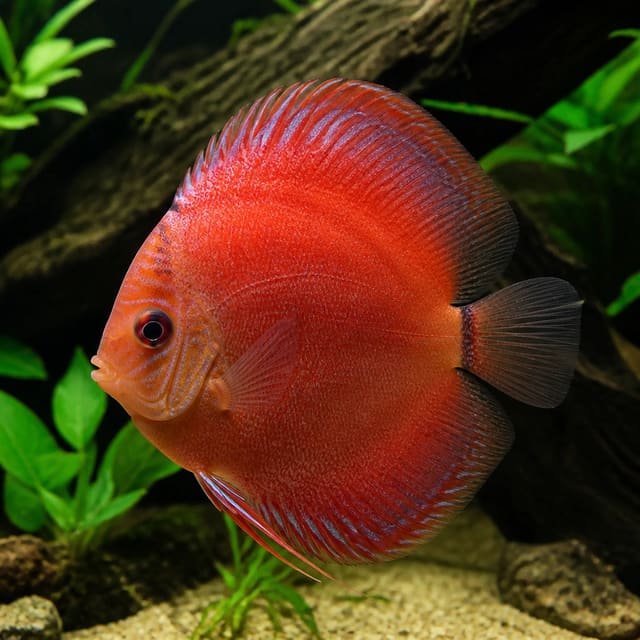
Super Red Melon Discus (Symphysodon spp.)
26–30°C · pH 6–7 · 300L
£72.99£93.99
Intricate red-and-white snakeskin patterning on a compact 15 cm discus. Difficult care: pH 6-7, 1-8 dGH, 25-32C, 250 L minimum.
Adult size is the maximum length this species reaches at full maturity (scientific sources). The livestock you receive will be younger and smaller — pick a size above for the actual shipping size. Product-photo provenance and any image-specific limitations are stated on the listing.
Symphysodon aequifasciatus
Save when buying multiple fish. Each quantity is one fish; sex and pair formation are not guaranteed unless the selected variant explicitly states them.
Confirm your email, then we’ll send an availability message for this exact item if it returns within 180 days.
This request is only for this product—no newsletter or other promotions. A mail-provider retry may very rarely duplicate the same availability message. Unconfirmed addresses are removed after 48 hours. See our privacy policy.
Intricate red-and-white snakeskin patterning on a compact 15 cm discus. Difficult care: pH 6-7, 1-8 dGH, 25-32C, 250 L minimum.
Adult size is the maximum length this species reaches at full maturity (scientific sources). The livestock you receive will be younger and smaller — pick a size above for the actual shipping size. Product-photo provenance and any image-specific limitations are stated on the listing.
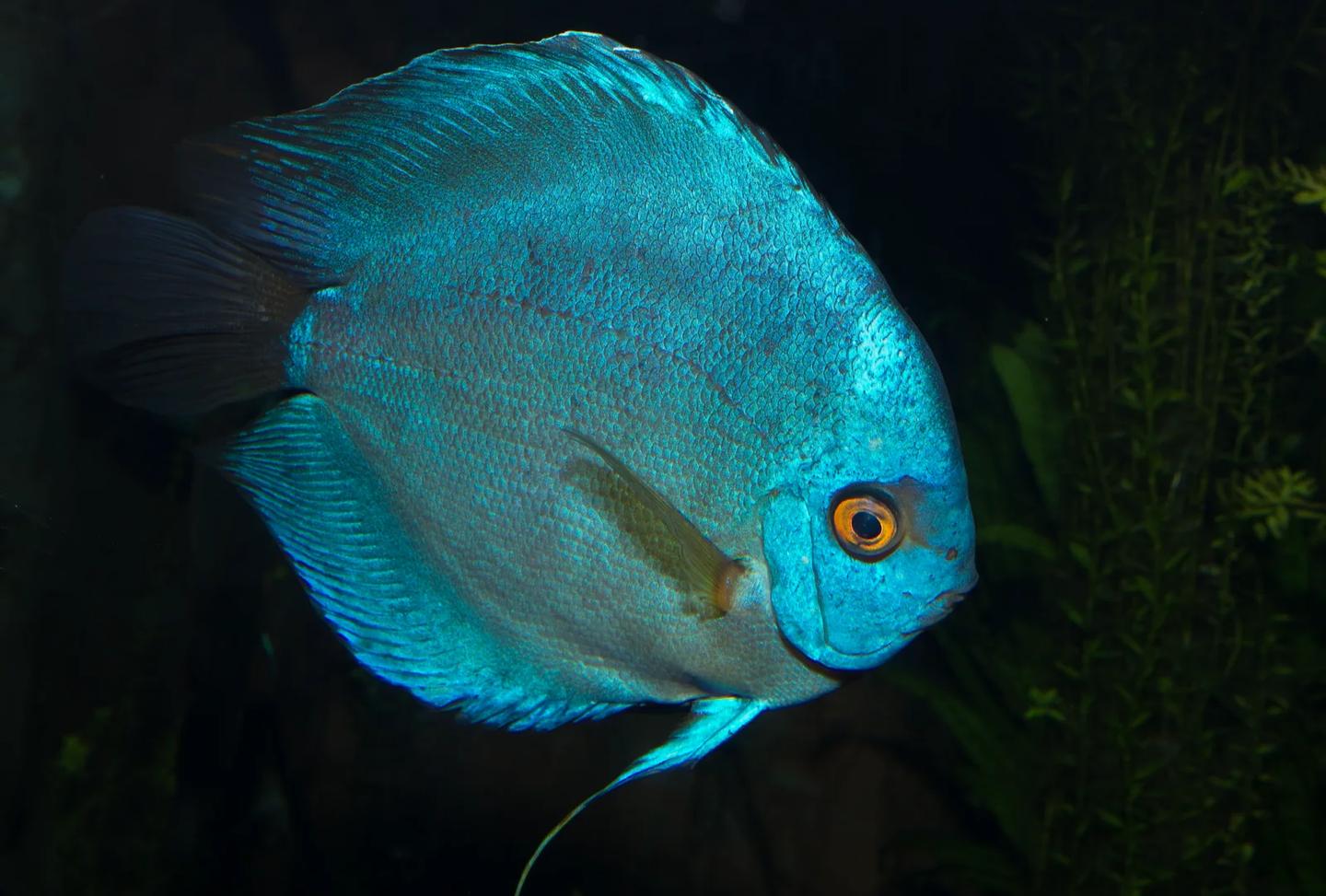
Discus are social Amazonian cichlids with specialised aquarium needs. OATA advises at least five fish, except an established breeding pair, and about 50 litres per adult—roughly 300 litres for six adults. Use that as a planning floor, then check usable dimensions, filtration, source water and the actual fish.
Maintain these water conditions for optimal health and vibrant colors
Fine snakeskin-style patterning in red and white is what this strain is named for, and it marks the Red-White Snake Skin out as one of the most intricately marked discus we list. It is also one of the more compact: the record puts adult size at 15 cm, smaller than the 18–20 cm typical of its relatives, though the 250-litre minimum aquarium still stands.
Read the care rating closely — this record says Difficult, and the chemistry is correspondingly precise. Hardness must sit between 1 and 8 dGH and pH between 6.0 and 7.0. The temperature band, by contrast, is unusually broad at 25–32 °C, giving heaters and seasonal swings more margin than most discus enjoy. Keep the water immaculate and the fish can reach ten years of age.
A dedicated carnivore per its record, this strain wants meaty feeding rather than a general community diet. It is peaceful, and its approved companions include a detail worth noting — peaceful small loricariids appear on the list alongside calm discus, cardinal tetras, rummy-nose tetras, Corydoras and Otocinclus. Excluded are aggressive cichlids, fin-nipping barbs, large predators, fast boisterous schooling fish, coldwater species and strongly territorial bottom dwellers.
Compact size does not mean compact commitment, and it helps to know what you are taking on: this is the only strain in our discus range whose record carries a Difficult rating rather than Expert, driven by that narrow hardness window. The trade-off is the broadest temperature tolerance we list for a discus. The FAQ below answers the practical questions on feeding, acclimatisation, growth and tank mates.
This is a strain for keepers who can hold hardness inside a narrow band — test your water against that 1–8 dGH window before anything else. Get the chemistry right and the intricate red-and-white patterning justifies every bit of the effort. Transported by licensed live-animal courier with our live arrival guarantee.
No reviews for this item yet. Bought one? Honest reviews only, good or bad.
What customers say about ordering from us
Easy website plenty of info on fish your buying great to pick a time slot
TRACEY DURRANT · 7 Oct 2026
Got some lovely fish thank you
Kevin Mackie · 7 Oct 2026
Reviews of our shop, collected by Judge.me, an independent third-party review collector. Newest first.