

−13%
Polypterus senegalus - Tropical Fish for Sale UK
£18.26£20.99

Add striking colour and attitude with the Jumbo Yellow Sardine Cichlid. A moderate-care cichlid for confident keepers. Buy online for UK delivery today.
Adult size is the maximum length this species reaches at full maturity (scientific sources). The fish you receive will be younger and smaller — pick a size variant above for the actual shipping size. Photos are AI-enhanced, so the live fish may show subtle colour or marking differences.
Cyprichromis leptosoma chipimbi
Not home? Message us and we'll delay delivery.
Add striking colour and attitude with the Jumbo Yellow Sardine Cichlid. A moderate-care cichlid for confident keepers. Buy online for UK delivery today.
Adult size is the maximum length this species reaches at full maturity (scientific sources). The fish you receive will be younger and smaller — pick a size variant above for the actual shipping size. Photos are AI-enhanced, so the live fish may show subtle colour or marking differences.
Maintain these water conditions for optimal health and vibrant colors
If you want a schooling African cichlid that behaves differently from the usual rock-dwelling species, the Jumbo Yellow Sardine Cichlid is a standout choice. Cyprichromis leptosoma “Jumbo Yellow” is an elegant open-water Tanganyika species known for its bright yellow highlights, streamlined body, and constant mid-to-top level movement. For aquarists searching for tropical fish for sale UK, this is one of the most rewarding species to keep because it combines cichlid character with a surprisingly peaceful nature. Adult fish reach around 12 cm, can live for up to 8 years, and are best described as moderate in care level rather than difficult. They thrive in groups, show fascinating display behaviour, and make a superb centrepiece in a large Rift Lake setup.
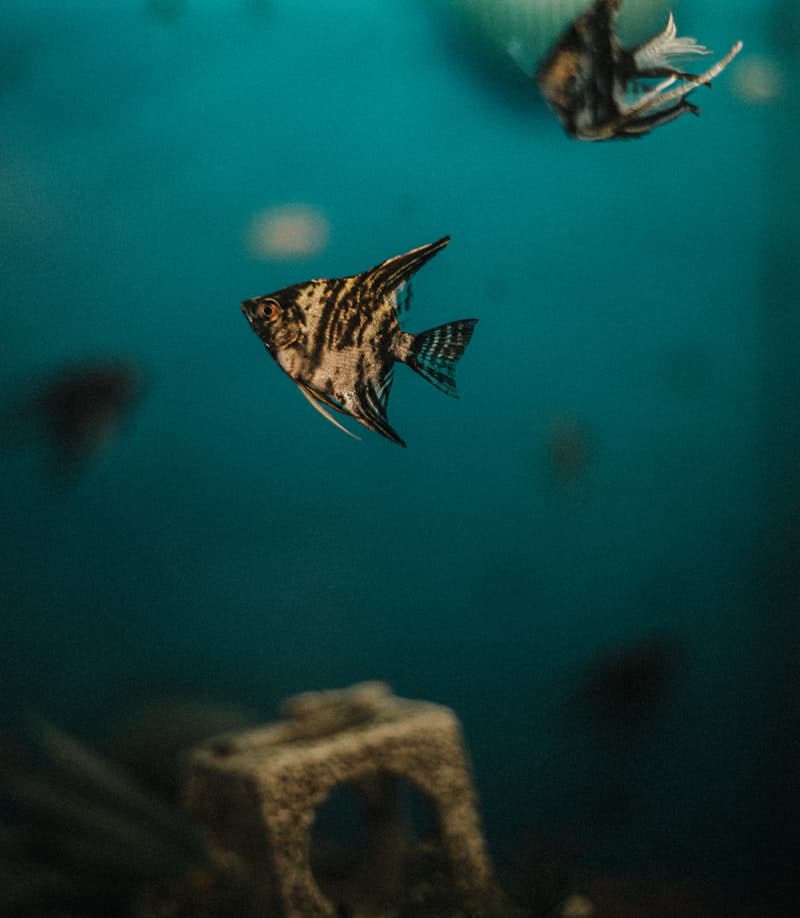
The Jumbo Yellow Sardine Cichlid Fish is especially popular with keepers who want something more unusual than standard community tropical fish uk species, but less aggressive than many mbuna. It is a true African cichlid UK favourite for aquarists who appreciate movement, social interaction, and natural schooling behaviour. See our detailed photos showing body shape, fin extension, and yellow sheen in the product image tropical-fish-for-sale-uk.webp. Whether you buy fish online, compare a tropical fish shop near me, or want to buy tropical fish UK for a Tanganyika display, this species offers colour, activity, and compatibility that make a large aquarium feel alive.
The Jumbo Yellow Sardine belongs to a group of pelagic Lake Tanganyika cichlids that spend much of their lives in open water rather than hugging rocks or digging through substrate. In the aquarium hobby, Cyprichromis leptosoma is valued for its gentler temperament, shimmering body, and natural shoaling habits. It sits apart from many other cichlids because it behaves more like a schooling fish while still offering the intelligence and breeding interest cichlid keepers enjoy.
The Jumbo Yellow Sardine Cichlid freshwater form comes from Lake Tanganyika, East Africa, one of the oldest and deepest freshwater lakes in the world. This lake is famous for its mineral-rich, alkaline water and for producing highly specialised cichlid species. In the wild, Cyprichromis leptosoma occupies the open water above rocky shorelines, where it feeds on tiny planktonic organisms drifting in the current. That habitat explains much of the fish’s behaviour in captivity: it likes swimming space, stable water chemistry, and the security of a proper group.
Unlike bottom-oriented cichlids, the Jumbo Yellow Sardine spends most of its time in the upper half of the tank. In nature, fish gather in schools over drop-offs and rocky margins, with males establishing loose display zones in open water rather than defending caves. This is why jumbo yellow sardine cichlid school size matters so much in the aquarium. A group of 10 or more spreads out aggression, improves confidence, and creates the flowing, coordinated swimming pattern that makes this species so attractive.
Wild jumbo yellow sardine cichlid water conditions are clear, oxygen-rich, and hard. The ideal jumbo yellow sardine cichlid pH level is alkaline, and the species is best kept in similarly buffered water in captivity. The natural mineral load also explains the need for good jumbo yellow sardine cichlid water hardness. Soft, acidic water can leave these fish stressed, washed out, and prone to illness over time. When aquarists ask for a jumbo yellow sardine cichlid care guide, this is one of the first points to stress: think open water and hard alkaline chemistry.
For hobbyists comparing a jumbo yellow sardine cichlid or alternative species, this fish is ideal if you want Tanganyika behaviour without the intense territoriality seen in some rock cichlids. It is also a strong option for keepers browsing rare tropical fish for sale uk, unusual tropical fish for sale uk, or exotic tropical fish for sale uk who still want a species that can work in a carefully planned community.
Mimicking the natural habitat of Cyprichromis leptosoma means prioritising horizontal swimming room, clean oxygen-rich water, and a larger social group over overly crowded décor. Many keepers focus only on rocks, but this species shows its best colour and most natural behaviour when it has open water above those rocks.
The right setup is the difference between a nervous, pale group and a confident, glowing school. The jumbo yellow sardine cichlid minimum tank size is 200 litres, but that should be treated as the starting point, not the ideal. A better jumbo yellow sardine cichlid tank size for a full social group is 300 litres or more, especially if you want to include other Tanganyika species. This fish is a classic jumbo yellow sardine cichlid for large tank species because it uses open swimming space constantly.
For a small group, 200 litres can work, but a 120 cm tank length is much more important than sheer volume. Because these fish occupy the top and midwater, they benefit from long tanks rather than tall, narrow ones. If you are planning a jumbo yellow sardine cichlid community tank, larger is safer. A group of 10-15 fish with carefully chosen companions will look and behave far better in a spacious aquarium than in a cramped one.
The correct jumbo yellow sardine cichlid water parameters are stable and alkaline. The jumbo yellow sardine cichlid ideal temperature is 24-27°C, with most keepers aiming for 25-26°C as the sweet spot. The acceptable jumbo yellow sardine cichlid temperature range is broad enough for routine care, but sudden swings should be avoided. Keep pH between 7.8 and 9.0, and maintain jumbo yellow sardine cichlid water hardness around 10-25 dGH. These are not fish for soft-water community setups.
Strong biological filtration is essential because Rift Lake fish need consistently high water quality. Use an external canister filter sized generously for the tank. Moderate flow is helpful, but avoid blasting the entire surface so hard that fish struggle to hold position. Good gas exchange matters more than extreme current. If you are already looking at tropical fish tanks for sale uk or large tropical fish tanks for sale uk, plan filtration at the same time rather than as an afterthought.
Sand or fine pale gravel works well. This species is not a major digger, so substrate choice is mostly about matching Tanganyika conditions and reflecting light upward. Pale substrate can help show off yellow and blue tones. Crushed coral or aragonite-based substrate may also help support alkaline buffering in some local water supplies.
Rock piles along the back and sides create security for the group while leaving the centre open for swimming. The question of jumbo yellow sardine cichlid for planted aquarium setups comes up often. The answer is yes, with care. This is not a plant-destroying species, but the hard alkaline water limits plant choices. Hardy species such as Vallisneria, Anubias, and Java fern can work well. If you are browsing tropical fish plants for sale uk or tropical fish tank plants for sale uk, choose species that tolerate mineral-rich water. Some customers ask about tropco plants; whichever supplier you use, focus on robust species rather than delicate soft-water stems.
For related Tanganyika fish that suit a similar layout, consider the open-water look of Black Smallscale Cyprichromis - Cyprichromis Microlepidotus or Kasai Smallscale Cyprichromis - Cyprichromis Microlepidotus. If you want a striking rock-associated contrast fish, Gold Compressiceps - Altolamprologu can work in larger, carefully balanced Tanganyika systems.
Moderate lighting is best. Too little light dulls the fish, while very harsh lighting can make them skittish in sparse tanks. Aim for 7-9 hours daily. A dark background and moderate overhead light often produce better colour contrast than intense white lighting.
Always cycle the tank for 4-6 weeks before adding your fish. Many problems blamed on species sensitivity are actually caused by immature filtration. A stable, mature tank makes a huge difference with Tanganyika cichlids.
The jumbo yellow sardine cichlid diet is based on tiny planktonic prey in the wild, so the best captive plan uses small, frequent meals rather than oversized pellets. Good jumbo yellow sardine cichlid feeding should include quality crushed flakes, fine granules, cyclops, daphnia, and baby brine shrimp. Because they feed in the water column, they respond best to foods that remain suspended for a short time rather than dropping straight to the bottom.
A high-quality cichlid flake or small omnivore granule should form the base diet. Choose foods with good protein quality but not excessive fat. These fish are active and need regular nutrition, yet they are not heavy, messy predators. If you are building tropical fish bundles or a freshwater fish bundle around Tanganyika species, select foods suitable for small-mouthed open-water feeders rather than large carnivore sticks.
Frozen cyclops, baby brine shrimp, and finely chopped krill can all improve colour and conditioning. These are especially useful when preparing a jumbo yellow sardine cichlid breeding pair or encouraging stronger display behaviour in males. Variety matters. Fish kept on one dry food alone often survive, but they rarely look their best.
Occasional live foods can be offered if sourced safely. Avoid overusing bloodworm and other very rich foods, especially in warm water, as they can lead to digestive issues. This species does not need the heavy meaty diet sometimes given to larger predatory cichlids. If you are new to Rift Lake fish and usually keep tetras for sale uk or tetra fish for sale uk species, think smaller particle size and cleaner feeding response.
Feed adults 2-3 small meals daily. Offer only what the group can finish in under a minute or two. Juveniles can be fed slightly more often. This is one reason the species is not ideal for a lazy tropical fish starter setup, even though it is calmer than many cichlids. It needs regular, measured feeding and clean water.
| Time | Food | Amount |
|---|---|---|
| Morning | Crushed flake or fine granule | Small pinch, fully eaten in 60-90 seconds |
| Evening | Cyclops or baby brine shrimp | Small portion, no leftovers |
Avoid oversized pellets, greasy feeder foods, and random human food substitutes. If you are comparing advice from fish for sale pets at home, tropical fish pets at home, or a local tropical fish shop near me, remember that generic community fish feeding advice is not always suitable for Tanganyika species. Also avoid overfeeding simply because the fish are active at the surface and appear hungry all day.
Overfeeding causes ammonia spikes, cloudy water, and digestive stress. With open-water cichlids, small frequent meals are far safer than one large dump of food. Uneaten food trapped behind rockwork can quickly damage water quality.
The Jumbo Yellow Sardine has a slim, torpedo-shaped body built for constant cruising. Adults reach around 12 cm, with males often appearing slightly longer and more refined in finnage than females. The body is typically silver to bluish with a metallic sheen, while the fins and rear body show rich yellow tones that become stronger under the right conditions. In a settled group, dominant males often look almost luminous as they display in open water.
Sexual dimorphism is fairly clear once the fish mature. Males show brighter colour, longer pelvic and dorsal fin extensions, and more persistent display behaviour. Females are usually plainer, rounder in body, and less intense in colour. If you are choosing a future jumbo yellow sardine cichlid breeding pair, this difference becomes easier to spot as the group matures.
Because this is a location and strain-based aquarium fish, hobbyists often compare jumbo yellow sardine cichlid vs similar species to decide which colour form suits their tank. The “Jumbo Yellow” look is prized because it combines the graceful sardine-like body with extra visual warmth. Good diet, dark backgrounds, and stable alkaline water all help intensify colour. While some buyers search for opinions such as aquatics to your door reviews before ordering fish online, the most useful visual clue is always a clear photo of the actual strain and body shape. Our photos show the clean profile, schooling form, and yellow finnage that make this fish so attractive in motion.
One of the biggest reasons people choose this species is that it is a cichlid that can behave surprisingly well in the right mixed setup. The jumbo yellow sardine cichlid behaviour is peaceful by cichlid standards, but that does not mean it belongs in any random community. The best results come from a Tanganyika-themed aquarium with species that share similar water chemistry and do not bully open-water fish.
The best tank mates for jumbo yellow sardine cichlid are calm to moderately assertive Tanganyika fish that occupy different zones. Good options include shell-dwellers, smaller Xenotilapia-type sand sifters, and peaceful Synodontis catfish. Among the species we stock, Utinta Black-Chinned Xenotilapia - Enantiopus Melanogenys is an excellent lower-zone contrast fish for larger tanks, while Black Smallscale Cyprichromis - Cyprichromis Microlepidotus and Kasai Smallscale Cyprichromis - Cyprichromis Microlepidotus appeal to keepers building a specialist pelagic display.
For more structured rockwork tanks, Mutondwe Compressiceps - Altolamprologu and Black Zaire Calvus - Altolamprologu can work with caution in spacious aquariums where line-of-sight breaks are strong. If you want a larger show fish in a very roomy setup, Blue Mpimbwe Humphead Cichlid - Cyphotilapia is a classic Tanganyika companion for experienced keepers who understand stocking balance.
Avoid aggressive mbuna, fast fin-nippers, and large predatory fish. This species should not be mixed with fish sold under novelty searches such as home aquarium sharks uk, nor with random soft-water community fish. It is also not a match for species people often search as buy siamese fighting fish online uk or siamese fighting fish pets at home; Bettas need very different conditions and social arrangements. Likewise, while some customers looking at tropical puffer fish for sale uk or tropical discus fish for sale uk want a mixed display, those fish have very different temperaments and water needs. The same goes for discus tropical fish for sale uk searches: discus prefer softer, more acidic water.
A sensible jumbo yellow sardine cichlid for community tank plan in 300 litres might be 10-12 Jumbo Yellow Sardines with a small group of bottom-oriented Tanganyika companions. In 450 litres or more, a more advanced community cichlid UK setup could include 15 Cyprichromis, one compatible Altolamprologus group, and a small Synodontis group. The key to a successful jumbo yellow sardine cichlid community tank is zone separation: open-water fish above, rock fish below, and no hyper-aggressive species dominating the space.
Snails are usually fine. Small shrimp may be seen as food, especially by adults. If your goal is a true invertebrate display, this is not the best species. For most keepers, the focus should stay on fish compatibility rather than mixing with delicate shrimp colonies.
| Species | Compatible? | Notes |
|---|---|---|
| Utinta Black-Chinned Xenotilapia - Enantiopus Melanogenys | ✅ Yes | Uses lower levels and suits Tanganyika water chemistry |
| Gold Compressiceps - Altolamprologu | ⚠️ Caution | Works in larger tanks with careful stocking and plenty of structure |
| Aggressive Mbuna | ❌ Avoid | Too territorial and likely to harass open-water schooling fish |
Always quarantine new arrivals for 2-4 weeks before adding them to a Tanganyika display. Even peaceful fish can trigger stress and disease outbreaks if introduced without observation and gradual acclimation.
If you are browsing tropical fish for sale online uk, live tropical fish for sale uk, tropical fish for sale in uk, or tropical fish for sale in the uk, compatibility should matter more than impulse buying. The best jumbo yellow sardine cichlid tank mates are chosen for chemistry, temperament, and swimming zone. That is the real answer to questions about jumbo yellow sardine cichlid compatible fish.
Jumbo yellow sardine cichlid breeding is very achievable for aquarists with a mature group and correct water chemistry. This species is a maternal mouthbrooder, which means the female carries the fertilised eggs in her mouth until the fry are ready to be released. Breeding difficulty is moderate rather than easy because success depends on group dynamics, nutrition, and a calm environment.
The best approach is to keep a healthy group rather than forcing a pair. A true jumbo yellow sardine cichlid breeding pair usually forms from within a settled school. Use a spacious tank with excellent water quality, 25-27°C temperature, and a varied conditioning diet. This is one reason the species is often recommended as a jumbo yellow sardine cichlid for large tank fish rather than a cramped breeding project.
Males display in open water, flashing colour and holding temporary display zones. Females choose among these males rather than entering caves. The courtship is elegant and very different from substrate-spawning cichlids. Observing this jumbo yellow sardine cichlid behaviour is a major reason many hobbyists seek out this fish when looking for a distinctive cichlid for sale UK option.
After spawning, the female mouthbroods the eggs. During this period she may eat less and become more reserved. Avoid netting or stressing her unnecessarily. In stable conditions, fry are released after the incubation period as free-swimming young. Some breeders separate holding females, but many prefer to leave them in the group until close to release to reduce stress.
Feed fry newly hatched brine shrimp, fine powdered foods, and tiny planktonic substitutes. Clean water and gentle filtration are essential. Growth is steady rather than rapid. Because the fry occupy the water column early, they benefit from suspended fine foods rather than heavy sinking diets.
The most common problems are too-small groups, poor conditioning, and aggressive tank mates. If you are researching best place to buy tropical fish online uk, tropical fish for sale online, or buy live fish online uk free delivery, remember that breeding success starts with healthy stock and proper group structure, not just obtaining a pair. For many aquarists, this is not a jumbo yellow sardine cichlid for beginners breeding project, but it is very manageable once the basics are right.
Condition the whole group with small live or frozen planktonic foods for 2-3 weeks, then perform regular water changes with well-matched alkaline water. Stable chemistry and strong feeding response often trigger more confident male displays and better female holding success.
For keepers wanting a related comparison species, Katete Jumbo Sardine Cichlid - Cyprichromis is worth exploring alongside this strain. If you are specifically searching buy jumbo yellow sardine cichlid UK, jumbo yellow sardine cichlid buy online UK, jumbo yellow sardine cichlid online UK, or jumbo yellow sardine cichlid for sale UK, it helps to choose a retailer that understands group-based Tanganyika fish rather than selling single specimens as generic stock.
Many aquarists compare this fish with other Tanganyika cichlids before buying. That makes sense, because the right species depends on whether you want open-water schooling, rock-dwelling ambush behaviour, or a bolder show fish. The jumbo yellow sardine cichlid vs convict cichlid comparison comes up online, but these fish are not really close alternatives. Convicts are Central American, more territorial, and suited to very different water chemistry and behaviour goals. A better comparison is with other Tanganyika species and other Cyprichromis forms.
| Feature | Jumbo Yellow Sardine Cichlid | Katete Jumbo Sardine Cichlid |
|---|---|---|
| Max Size | 12 cm | About 11-12 cm |
| Care Level | Moderate | Moderate |
| Temperature | 24-27°C | 24-27°C |
| Price | £27.10 | Varies by strain |
| Best For | Bright open-water schooling display | Collectors wanting a different locality look |
| Feature | Jumbo Yellow Sardine Cichlid | Firemouth Cichlid |
|---|---|---|
| Origin | Lake Tanganyika | Central America |
| Temperament | Peaceful schooling cichlid | Semi-aggressive territorial cichlid |
| Water Type | Hard, alkaline | Neutral to slightly alkaline |
| Social Style | Group of 10+ | Pairs or loose groups |
| Best For | Pelagic Tanganyika setups | General cichlid displays |
The jumbo yellow sardine cichlid vs firemouth cichlid question is easier to answer: choose the Jumbo Yellow if you want schooling movement, a more refined body shape, and a true Rift Lake setup. Choose a Firemouth if you want a more classic territorial cichlid personality. For aquarists researching large tropical fish for sale uk or a specialist freshwater cichlid UK display, the Jumbo Yellow is the better pick when elegance and group behaviour matter more than aggression.
If your goal is a specialist Tanganyika collection, compare this fish with Black Smallscale Cyprichromis - Cyprichromis Microlepidotus and Kasai Smallscale Cyprichromis - Cyprichromis Microlepidotus. If you want a contrasting body shape and hunting style, look at Black Zaire Calvus - Altolamprologu. When buyers ask for a jumbo yellow sardine cichlid price UK comparison, the real value is not just cost per fish but how much movement and visual impact a proper group adds to the aquarium.
A healthy Jumbo Yellow Sardine is alert, streamlined, active in the upper water, and responsive at feeding time. Colour should be clear rather than greyed out, and the fish should hold itself upright without clamped fins. Because this is an open-water species, unusual hiding, hovering in corners, or loss of schooling behaviour often means something is wrong with water quality, social structure, or stress levels.
Look for steady group swimming, clean fins, no flashing against décor, and a full but not bloated body. Males should display regularly once settled. Females should move confidently with the group. Good health starts with correct jumbo yellow sardine cichlid water conditions, proper group size, and a suitable diet.
Like many cichlids, this species can suffer from white spot, bacterial fin damage, and stress-related wasting if kept in poor conditions. Digestive trouble can occur when fed rich or unsuitable foods. Because Tanganyika fish prefer stable mineral-rich water, sudden pH drops or soft-water conditions can weaken them quickly. New imports may also show stress from transport if acclimation is rushed.
The first treatment step is always to test water and correct the environment. Increase aeration, perform measured water changes, and isolate obviously sick fish if needed. Use medications carefully and only after identifying the likely problem. Many “mystery illnesses” in Rift Lake tanks are actually chemistry or stress problems rather than infections.
Keep nitrates low, avoid overcrowding, and do not mix with aggressive species. Feed varied but controlled meals. Maintain stable alkaline chemistry. Quarantine all new arrivals. These basics matter far more than chasing cures after the fish are already compromised.
A separate bare-bottom quarantine tank with heater, sponge filter, and hiding structure is ideal. Observe new fish for 2-4 weeks before introduction. This is especially important when combining fish sourced from different systems, whether you normally buy fish online, visit a tropical fish shop near me, or compare stock from general chains and specialist sellers.
Never treat blindly. Copper-based medications can be risky in mixed systems, and many strong treatments reduce oxygen levels. Always identify the issue first, increase aeration during treatment, and monitor water quality closely.
The defining feature of this species is its social, open-water lifestyle. The jumbo yellow sardine cichlid behaviour is active, alert, and strongly influenced by group size. Kept singly or in undersized groups, fish often become nervous and lose colour. Kept in a proper school, they move together across the upper tank and males begin displaying in short bursts of shimmering colour.
This is not a bottom-dwelling cave cichlid. It uses the top and middle regions, often turning in unison as the group responds to food or movement in the room. That makes the correct jumbo yellow sardine cichlid school size one of the most important husbandry points. A group of 10+ is not just a suggestion; it is how you unlock natural behaviour.
Because the species is relatively peaceful, many aquarists ask whether it is suitable as a jumbo yellow sardine cichlid for community tank fish. The answer is yes, but only in a well-planned Tanganyika community. It is calmer than many cichlids, though not really one of the typical tropical fish for beginners sold in mixed community tanks. For aquarists who want a schooling cichlid with constant motion and elegant display behaviour, few species do it better.
With a species like this, quality matters. A Jumbo Yellow Sardine should arrive alert, straight-bodied, feeding well, and with enough size and condition to settle quickly into a group. We focus on fish that show the correct pelagic body shape and active schooling response, because this is not a species that should be sold as a random single cichlid. It is best kept as a planned group fish, and our care guidance reflects that from the start.
Before dispatch, fish are observed, feeding response is checked, and stock is prepared for UK aquarium conditions. Each order is packed for safe transit in insulated packaging, with heat packs in cold weather when needed, and sent by tracked service. Professional fish packing matters especially with Tanganyika cichlids because temperature stability and oxygen during transit affect how quickly they settle on arrival. For customers searching tropical fish for sale uk delivery, tropical fish uk for sale, tropical fish for sale online uk, or the best place to buy tropical fish online, those practical details are what make the difference.
We also include species-specific support so you know the correct jumbo yellow sardine cichlid tank size, feeding style, and group structure before the fish goes into the aquarium. That matters far more than generic chain-store advice aimed at tropical fish pets at home shoppers or people comparing fish for sale pets at home listings. If you are looking for live jumbo yellow sardine cichlid UK stock, a specialist approach is the safest way to buy. Order your Jumbo Yellow Sardine Cichlid today with confidence if you want a refined, active Tanganyika cichlid that rewards proper care with colour, movement, and fascinating social behaviour.
Building a Tanganyika aquarium works best when the stocking plan is deliberate. For a related open-water look, consider Black Smallscale Cyprichromis - Cyprichromis Microlepidotus or Kasai Smallscale Cyprichromis - Cyprichromis Microlepidotus. If you want a contrasting rock-dwelling companion, Mutondwe Compressiceps - Altolamprologu and Black Zaire Calvus - Altolamprologu are excellent options for larger setups. For a different but related sardine-type display fish, explore Katete Jumbo Sardine Cichlid - Cyprichromis. You can also browse the wider Lake Tanganyika cichlid collection to complete a balanced, compatible Rift Lake aquarium.
Dispatched Tue or Wed, delivered Wed or Thu — every order tracked and insured.

24–28°C · pH 5.5–7 · 60L


24–28°C · pH 7.5–8.5 · 400L


22–26°C · pH 6–7.5 · 150L


23–27°C · pH 5.5–7.5 · 80L

22–26°C · pH 6–7.5 · 30L

24–28°C · pH 7.5–8.5 · 150L

24–28°C · pH 7.5–8.5 · 200L

18–25°C · pH 6–8 · 100L

18–28°C · pH 6.5–8 · 20L

24–27°C · pH 7.5–8.8 · 150L

22–26°C · pH 6–7.5 · 60L

24–28°C · pH 7.5–8.5 · 40L