Advanced
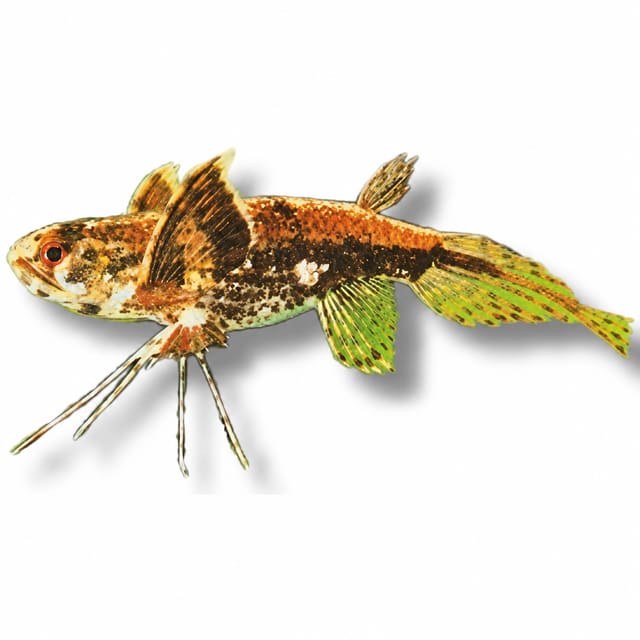
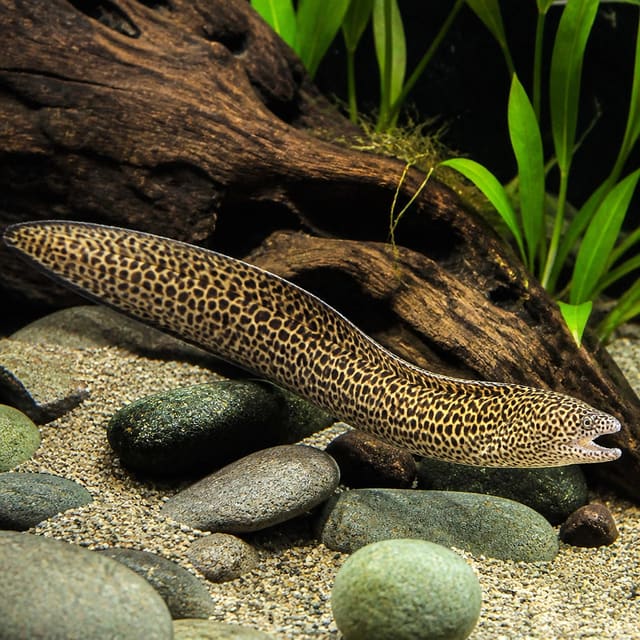
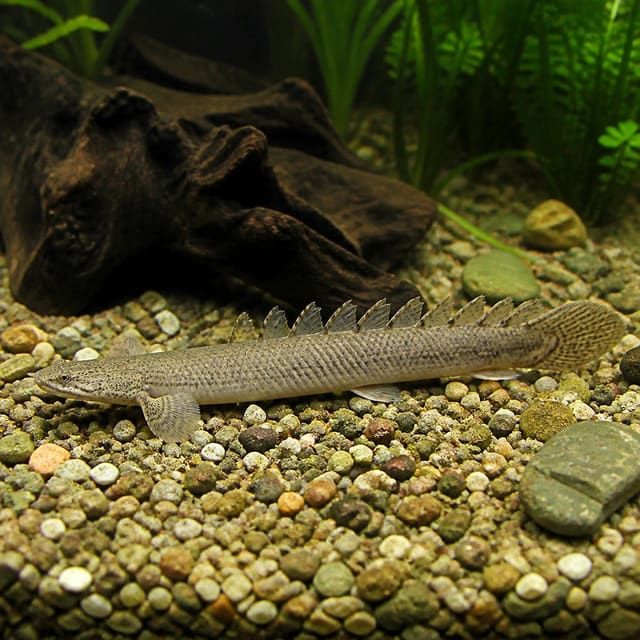
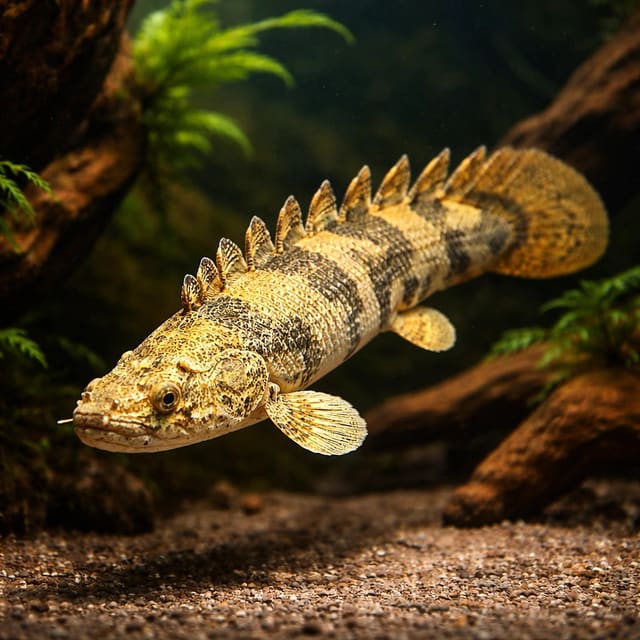
Saddled Bichir (Polypterus endlicherii) – 5–25cm Size Grades
From £17.99Some sizes on sale

A beautifully patterned, peaceful native sunfish that thrives in a calm, planted aquarium with cool, clean water and live foods. Moderate care, peaceful. 18-24C, pH 6.0-7.5.
Adult size is the maximum length this species reaches at full maturity (scientific sources). The livestock you receive will be younger and smaller. Product-photo provenance and any image-specific limitations are stated on the listing.
Enneacanthus gloriosus
Confirm your email, then we’ll send an availability message for this exact item if it returns within 180 days.
This request is only for this product—no newsletter or other promotions. A mail-provider retry may very rarely duplicate the same availability message. Unconfirmed addresses are removed after 48 hours. See our privacy policy.
A beautifully patterned, peaceful native sunfish that thrives in a calm, planted aquarium with cool, clean water and live foods. Moderate care, peaceful. 18-24C, pH 6.0-7.5.
Adult size is the maximum length this species reaches at full maturity (scientific sources). The livestock you receive will be younger and smaller. Product-photo provenance and any image-specific limitations are stated on the listing.
Maintain these water conditions for optimal health and vibrant colors
Enneacanthus gloriosus, commonly known as the Diamond Sunfish or Banded Sunfish, is a beautifully patterned peaceful native North American species that thrives in calm planted aquariums with cool clean water. Available for sale UK through Tropical Fish Co, this diminutive sunfish reaches 7.5cm and displays intricate banding and iridescent spangling that rivals tropical species. The moderate care requirements and preference for cool water (18-24°C) make it ideal for unheated or minimally heated aquariums in temperate climates. This species rewards dedicated keepers with fascinating territorial displays, breeding behaviour, and stunning coloration whilst requiring live/frozen foods and calm tankmates.
The Diamond Sunfish displays classic compressed deep-bodied sunfish morphology (Centrarchidae family) with beautiful intricate patterning. The common names derive from distinctive markings: vertical dark bars or bands across the flanks ("banded") combined with iridescent blue-green spots creating diamond-like sparkle ("diamond"). Base coloration ranges from olive-brown to bronze-green, with pattern intensity varying with mood, breeding condition, and health. Breeding males develop intensified colours with brilliant iridescence across body and finnage. The dorsal fin shows characteristic sunfish profile with spiny anterior section continuous with soft-rayed posterior section, whilst pectoral fins are rounded and the caudal fin is slightly forked. Eyes are large and positioned for binocular vision whilst hunting, and the terminal mouth reveals carnivorous feeding strategy.
Enneacanthus gloriosus inhabits slow-moving blackwater streams, heavily vegetated ponds, and coastal plain swamps throughout the southeastern and eastern United States, with range extending north to New Jersey, Pennsylvania, and extreme southern New York. These environments feature soft, acidic water heavily stained with tannins from abundant organic matter. Substrates consist of accumulated leaf litter, detritus, and aquatic vegetation with minimal flow. Dense submerged and emergent vegetation provides cover from predators and ambush sites for hunting small invertebrates and fish fry. Water temperatures fluctuate seasonally more than tropical systems, experiencing cool periods during winter months whilst remaining ice-free in most of the range. Natural habitats are often isolated wetlands or heavily vegetated stream backwaters with dim lighting due to forest canopy and tannin staining.
Provide a minimum 113-litre aquarium with cool-water biotope setup. Use fine sand or smooth gravel substrate with generous amounts of driftwood, dried botanical materials (oak leaves, beech leaves, Indian almond leaves), and leaf litter creating natural tannin-stained blackwater environment. Dense planting with fine-leaved and broad-leaved species provides territory boundaries, spawning sites, and security—use cold-tolerant plants such as Vallisneria, Elodea, Java fern, and floating species. Subdued to moderate lighting with surface cover replicates dappled forest pool conditions. Gentle filtration with minimal flow suits their preference for virtually still water—sponge filters or heavily baffled output work excellently. Given preference for cool water, unheated aquariums in temperate climates work well, or minimal heating to maintain 20-22°C.
Maintain temperatures between 18-24°C—notably cooler than tropical aquariums. This species thrives in unheated tanks maintaining room temperature or minimal heating in temperate climates. Water should be soft with pH 6.0-7.5 (ideally 6.0-7.0) and low hardness (2-8 dGH), replicating naturally soft acidic blackwater wetland conditions. Despite preferring acidic conditions, maintain excellent water quality: zero ammonia and nitrite, with nitrates below 20ppm through regular 25% weekly water changes. The cooler water naturally holds more dissolved oxygen than warm water, suiting this active species' requirements. Heavy tannin staining through botanical additions is beneficial and replicates natural chemistry whilst providing antimicrobial properties. Avoid parameter fluctuations which trigger stress in this sensitive species.
Enneacanthus gloriosus is a carnivorous micropredator requiring predominantly live and frozen meaty foods. In nature, it hunts small invertebrates, insect larvae, zooplankton, and occasionally tiny fish from amongst vegetation. In captivity, provide bloodworms, daphnia, brine shrimp, mosquito larvae, and other small insect larvae daily. Quality carnivore micro-pellets may be accepted once acclimated, though live/frozen foods should form dietary foundation for optimal health and colour. Many individuals steadfastly prefer live foods initially, requiring patient weaning onto frozen alternatives. Feed small portions 2-3 times daily as these fish have relatively high metabolic rates. Their deliberate hunting style means they may lose competition with fast aggressive feeders—target feeding or species-appropriate tankmate selection ensures adequate nutrition.
Diamond Sunfish display fascinating complex behaviour despite diminutive size. Males establish small territories (typically centred on dense vegetation patches or sheltered areas) which they defend through threat displays: fin spreading, intensified coloration, and occasional brief charges toward intruders. Courtship involves males displaying brilliant breeding colours whilst performing jerky swimming movements and fin displays to attract females into territories. Hunting behaviour combines patient ambush tactics with active pursuit—they hang motionless amongst vegetation before darting forward to capture passing prey. Generally peaceful toward heterospecifics too large to view as prey, though conspecific males may engage in territorial disputes. Activity patterns are crepuscular with peak behaviour during dawn and dusk periods, though they remain moderately active throughout daylight in secure aquariums.
Tankmate selection requires careful consideration given this species' specialized requirements. Best kept in species-only setups or with small peaceful native fish tolerating cool soft acidic water. Potentially suitable companions include small peaceful minnows from similar habitats, non-aggressive bottom dwellers that don't compete for territories, and peaceful snails. Avoid any fish large enough to threaten or harass the relatively small sunfish, fast boisterous community fish that would outcompete during feeding or create excessive disturbance, fin-nippers, and predatory species. Very small fry or dwarf shrimp may be consumed as these sunfish retain predatory instincts. Most tropical fish requiring 24-26°C+ are unsuitable due to temperature mismatch.
Captive breeding of Enneacanthus gloriosus is possible and rewarding for dedicated hobbyists. Spawning occurs in quiet heavily vegetated areas, often near substrate or amongst dense plant thickets. Males may construct rudimentary nests and guard eggs/fry, though parental care is less developed than in some sunfish species. Breeding requires excellent water quality, abundant live foods for conditioning, seasonal temperature fluctuations mimicking natural cycles, and appropriate spawning sites. Trigger spawning through increased feeding followed by slight temperature increase and possibly increased photoperiod simulating spring conditions. Eggs hatch within several days, producing tiny fry requiring infusoria or similar microscopic live foods initially before graduating to newly hatched brine shrimp and microworms. Separate breeding tank advisable as eggs and fry face predation risk.
Tropical Fish Co supplies healthy, quarantined Enneacanthus gloriosus specimens that have been carefully acclimated and are feeding confidently on live and frozen foods. Each Diamond Sunfish is hand-selected for vibrant patterning, good body condition, and normal behaviour, ensuring you receive beautiful native fish ready to thrive in appropriate cool blackwater aquariums. Our knowledgeable staff understand the specialized requirements of this North American species and can provide detailed guidance on blackwater biotope creation, cool-water maintenance, live food sources, and compatible tankmates. With specialist packaging designed for delicate cool-water species and tracked UK delivery, your new sunfish arrive safely in peak condition. We're committed to sustainable sourcing and work exclusively with ethical suppliers who prioritize fish welfare and responsible collection from native habitats.
No reviews for this item yet. Bought one? Honest reviews only, good or bad.
What customers say about ordering from us
I have a small group of long finned mountain minnows. So was delighted to be able to order ten of this variety to increase the genetics in my tank . The ones I recieved are healthy but it’s to early to give a verdict on wether they are of a long finned type since they are small currently.
Gordon Walker · 23 Sept 2026
100% success travel and "installation". Pleased with quality of purchase. The Siamese fighter a bit "shy" so have not yet seen him at his best yet but looking good. Happy customer. GG
George E Garratt · 21 Sept 2026
Reviews of our shop, collected by Judge.me, an independent third-party review collector. Newest first.