Moderate
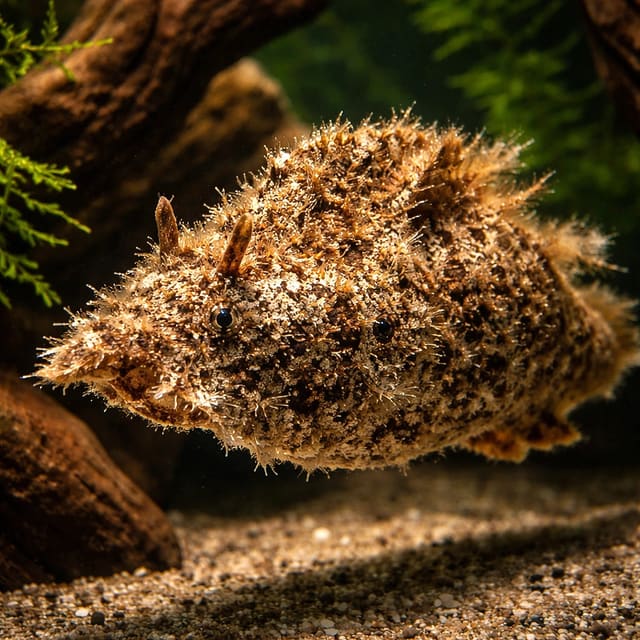
Dolabella auricularia - Marine Aquarium Livestock UK
22–26°C · pH 8.1–8.4 · 50L
£49.99
A bold, reef-safe-looking Phyllidia nudibranch with vivid patterning. Best for mature marine systems and experienced keepers.
Adult size is the maximum length this species reaches at full maturity (scientific sources). The livestock you receive will be younger and smaller. Product-photo provenance and any image-specific limitations are stated on the listing.
Phyllidia spp.
Confirm your email, then we’ll send an availability message for this exact item if it returns within 180 days.
This request is only for this product—no newsletter or other promotions. A mail-provider retry may very rarely duplicate the same availability message. Unconfirmed addresses are removed after 48 hours. See our privacy policy.
A bold, reef-safe-looking Phyllidia nudibranch with vivid patterning. Best for mature marine systems and experienced keepers.
Adult size is the maximum length this species reaches at full maturity (scientific sources). The livestock you receive will be younger and smaller. Product-photo provenance and any image-specific limitations are stated on the listing.
Maintain these water conditions for optimal health and vibrant colors
Phyllidia species are eye-catching marine nudibranchs, often referred to as sea slugs, prized for their distinctive textured bodies and striking colour patterns. This size M specimen is suitable for established saltwater aquariums where water quality is stable and the aquascape offers plenty of live rock and natural grazing surfaces. As with most nudibranchs, Phyllidia are specialist feeders and should be kept by aquarists who understand the needs of delicate marine invertebrates.
These animals are best appreciated as part of a mature reef or marine display rather than a general community tank. They are not active swimmers and spend much of their time moving slowly over rockwork and substrate while searching for food. Their unusual appearance makes them a fascinating addition for hobbyists looking to keep something genuinely different. We offer fast UK delivery and a live arrival guarantee for peace of mind when ordering live marine stock.
Important note: Phyllidia nudibranchs are not hardy “beginner” livestock. They can be sensitive to transport, acclimation and starvation if the aquarium does not contain the right natural food sources. They should only be purchased for mature systems with appropriate husbandry.
| Care factor | Recommendation |
|---|---|
| Care level | Expert |
| Temperament | Peaceful |
| Adult size | Varies by species, typically around 5–12 cm |
| Minimum tank size | 100 litres+ for a mature marine system |
| Temperature | 22–26°C |
| pH | 8.1–8.4 |
| Diet | Specialist sponge feeder |
| Lifespan | 1–3 years in captivity, sometimes less if food is limited |
| Tank zone | Bottom / rockwork |
Phyllidia nudibranchs are found in tropical Indo-Pacific marine habitats, including coral reefs, reef slopes and rocky coastal areas. They are most commonly associated with areas rich in sponge growth, as many species feed on particular sponge types in the wild. Their natural habitat is warm, highly oxygenated seawater with excellent circulation and abundant live rock.
In nature, these sea slugs use their specialised body chemistry and warning colours to deter predators. Their bold patterns are not just decorative; they often signal that the animal is unpalatable or toxic to would-be attackers. This makes them a fascinating example of marine adaptation, but it also means they are not suitable for tanks where fish may nip at invertebrates or where food availability is poor.
Phyllidia species should be housed in a fully cycled, mature marine aquarium with stable parameters and plenty of established live rock. A reef-style setup is ideal, but the tank must be selected with the nudibranch’s feeding needs in mind. Because many Phyllidia species rely on specific sponges, a tank with diverse natural biofilm and sponge growth is far more suitable than a sterile or newly set-up aquarium.
Strong filtration, good oxygenation and consistent salinity are essential. Avoid sudden changes during maintenance, and use a drip acclimation process when introducing the animal. Keep lighting and flow appropriate for the rest of the system, but ensure there are calm areas where the nudibranch can move and feed without being blasted by direct current.
Recommended parameters:
Because nudibranchs are sensitive to copper and many medications, never treat the display tank with invertebrate-unsafe products. If you need to medicate fish in a separate system, remove the nudibranch first and ensure no cross-contamination occurs. A secure lid is recommended, as some sea slugs may wander during exploration or when conditions are unsuitable.
Feeding is the most important consideration with Phyllidia species. These nudibranchs are generally specialist sponge feeders, and many will not accept prepared foods. In captivity, success depends on whether the aquarium contains suitable sponge growth or whether the specimen has been acclimated to a system with natural food sources. They are not suitable for tanks where only pellets, flakes or frozen foods are offered.
Observe the animal closely after introduction. A healthy nudibranch will move steadily over the rockwork and show interest in grazing surfaces. If it remains inactive for long periods, shrinks, or fails to feed, the system may not be appropriate. Because of their specialised diet, these animals are best kept by advanced marine aquarists who can provide an established environment with natural feeding opportunities.
Do not attempt to force-feed. Instead, focus on creating the right habitat and maintaining excellent water quality. If you are unsure whether your aquarium contains enough natural sponge growth, it is better to wait than to risk the health of the animal.
Phyllidia nudibranchs are peaceful and should be kept with calm, non-aggressive tank mates. Suitable companions include small reef-safe fish that do not nip at invertebrates, as well as other non-predatory invertebrates that will not compete aggressively for space. They are best housed in a mature reef aquarium with a low-risk community.
Avoid predatory fish, known fin-nippers, and any species that may mistake the nudibranch for food. Large wrasses, triggers, puffers, hawkfish and some butterflyfish can all pose a risk. Crabs, shrimp or other opportunistic scavengers may also disturb a slow-moving nudibranch if food is scarce. As a rule, the calmer and more stable the tank, the better.
Keep only one or a very small number unless you have a large, well-established system with abundant natural food. Overcrowding is not suitable for these animals, and competition for sponge growth can quickly become an issue.
At Tropical Fish Co, we understand that delicate marine invertebrates need more than just a box and a label. We carefully select and pack live stock with attention to welfare, water quality and transit conditions, helping your new arrival reach you in the best possible condition. Our fast UK delivery service is designed to reduce stress in transit, and our live arrival guarantee gives you added confidence when ordering live marine animals online.
We also aim to provide honest, practical information so you can make the right choice for your aquarium. Phyllidia nudibranchs are beautiful but specialist animals, and we want customers to succeed with them. If you are building a mature marine system and want a truly unusual invertebrate, this is a remarkable choice for the experienced aquarist.
For best results, ensure your aquarium is fully mature, stable and stocked with appropriate natural food sources before purchase. With the right setup, Phyllidia species can become one of the most memorable inhabitants in your marine collection.
No reviews for this item yet. Bought one? Honest reviews only, good or bad.
What customers say about ordering from us
Easy website plenty of info on fish your buying great to pick a time slot
TRACEY DURRANT · 7 Oct 2026
Got some lovely fish thank you
Kevin Mackie · 7 Oct 2026
Reviews of our shop, collected by Judge.me, an independent third-party review collector. Newest first.