Moderate
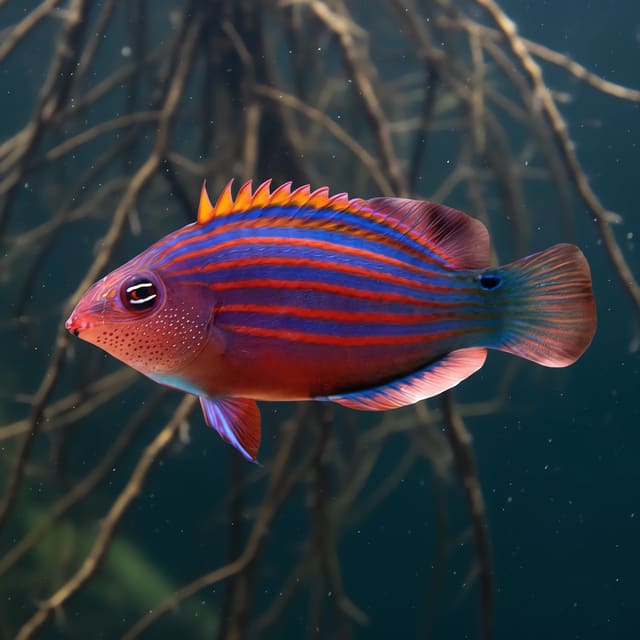
Sixline Wrasse (Pseudocheilinus hexataenia)
24–26°C · pH 7.9–8.3
£57.99
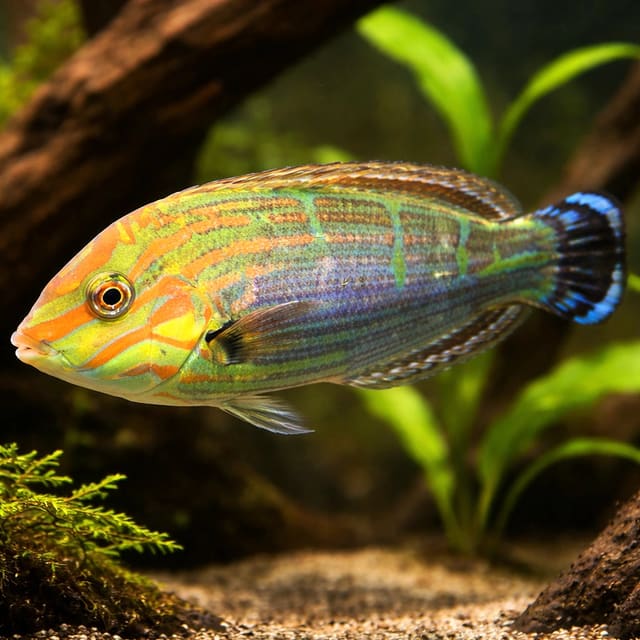
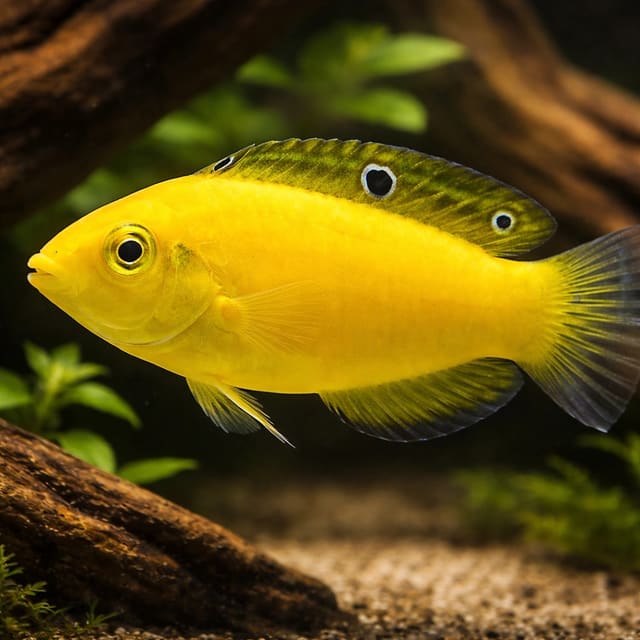
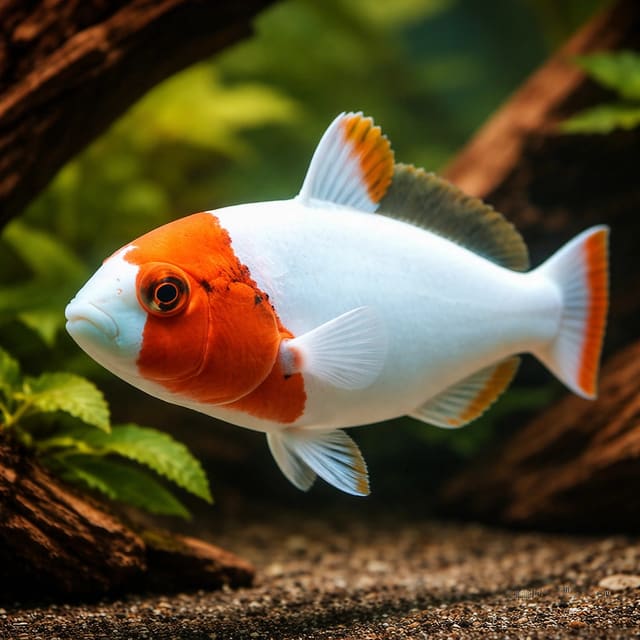
The Pastel-green wrasse is a striking marine wrasse for established saltwater aquariums, offered here at a medium shipping size. With the right tank mates and a varied carnivorous diet, it can be a lively addition to a specialist reef or fish-only setup.
Halichoeres chloropterus
Save when buying multiple fish. Each quantity is one fish; sex and pair formation are not guaranteed unless the selected variant explicitly states them.
Confirm your email, then we’ll send an availability message for this exact item if it returns within 180 days.
This request is only for this product—no newsletter or other promotions. A mail-provider retry may very rarely duplicate the same availability message. Unconfirmed addresses are removed after 48 hours. See our privacy policy.
The Pastel-green wrasse is a striking marine wrasse for established saltwater aquariums, offered here at a medium shipping size. With the right tank mates and a varied carnivorous diet, it can be a lively addition to a specialist reef or fish-only setup.
The Pastel-green wrasse is a marine wrasse sold under the supplied scientific name Halichoeres / chloropterus. As with many wrasses, it is an active, colourful fish that suits experienced saltwater keepers or confident beginners working with a properly matured marine aquarium. It is best considered a specialist fish rather than a casual purchase, because wrasses can be sensitive to unstable water conditions and may need thoughtful aquascaping, a secure lid, and a carefully planned community.
At Tropical Fish Co, we supply this fish at a medium shipping size. That makes it a good option for customers who want a specimen with some robustness, while still allowing time to settle it into a spacious, well-filtered aquarium. Because the exact adult size, temperature, and pH values were not supplied for this listing, please verify these with your local water conditions and the needs of the exact specimen before adding it to your marine system.
As a saltwater species, the Pastel-green wrasse should be viewed as a more advanced addition than many beginner community fish. It may spend time actively foraging around rockwork and the sandbed, and can be a useful part of a mixed marine display when housed with compatible tank mates.
A stable marine environment is the key to long-term success with any wrasse. This species should be placed into a mature saltwater aquarium with efficient filtration, regular maintenance, and fully cycled biological media. Wrasses are generally active swimmers and need room to explore, so an aquarium of at least 40 litres is the absolute minimum for fish in general, but for a marine wrasse of this type a much larger, more established system is strongly preferable. In practice, choose a tank that offers plenty of open swimming space, secure hiding places, and the ability to maintain excellent water quality.
Because wrasses are known for jumping, a tight-fitting lid or properly covered aquarium is essential. Small gaps around pipework or lighting fittings can be enough for an anxious or newly introduced fish to escape. A secure top also helps reduce stress, especially during the acclimation period.
Rockwork should be arranged to create sheltered passages and natural visual breaks without overcrowding the tank. Some wrasses appreciate the ability to retreat into crevices, while others may use the sandbed or lower areas of the aquarium when resting. Use a fine to medium substrate and keep the layout stable so that the fish can establish a routine. As this listing does not include confirmed temperature or pH ranges, verify these values against your system before purchase and ensure they are appropriate for the exact marine conditions you maintain.
Good movement and oxygenation are important, but avoid directing harsh flow straight at the fish’s favourite resting places. In reef or fish-only marine systems, quality live rock and strong husbandry are often more important than simply adding more equipment. Consistency matters: stable salinity, reliable heating, and regular testing will help the wrasse settle and thrive.
Wrasses are generally carnivorous feeders, and this species should be offered a varied marine diet suited to a predator-style forager. In the aquarium, feed a mix of high-quality frozen, thawed, and suitably sized prepared marine foods. Good options often include mysis, enriched brine shrimp, chopped seafood, krill pieces where appropriate, and marine pellets or granules designed for carnivorous saltwater fish. Variety is important because it helps maintain condition and encourages natural feeding behaviour.
Feed small amounts more than once per day where practical, rather than relying on one large feeding. This can help reduce waste and allow the fish to eat while it is active and alert. If the wrasse is shy at first, use foods that are easy to recognise as edible, then gradually broaden the diet once it is settled. Remove uneaten food promptly to protect water quality, especially in smaller marine systems.
Because specific dietary preferences can vary between individuals and between closely related wrasse species, watch how your fish responds and adjust accordingly. If it refuses food for more than a short settling period, review water quality, tankmate stress, and acclimation. Do not overfeed in an effort to encourage reluctant feeding, as poor water quality can become the bigger problem very quickly in saltwater aquariums.
Wrasses are often active and curious, but temperament can vary from peaceful to assertive depending on the individual and the size of the aquarium. The Pastel-green wrasse is best kept with non-aggressive marine companions that will not bully it or compete too strongly for food. It can work well in mixed communities when introduced carefully and when the tank offers enough space and hiding areas for everyone.
Good tank mates are typically calm reef-safe or fish-only species that are not too small, too passive, or known to harass newly introduced wrasses. Avoid highly aggressive species, persistent nippers, and overly boisterous fish that may chase it away from food or stress it into hiding. In a marine aquarium, the order of introduction matters: adding the wrasse after the most territorial fish can sometimes reduce conflict, but this depends on the layout and stock list.
As a general rule, choose tank mates that match in water requirements, temperament, and feeding style. Keep an eye on interactions during the first couple of weeks, and rearrange decor only if needed to break up territories. Because this species is sold under a supplied name that may not fully define its exact identity, compatibility should be approached conservatively: verify with your local marine specialist if you are planning to house it with delicate invertebrates or especially small ornamental shrimp.
Breeding is not generally a practical expectation in the home aquarium for this fish, and captive breeding details are not provided for this listing. Most marine wrasses are not commonly spawned by hobbyists, and any successful breeding would usually require specialist conditions, stable mature water, and a deep understanding of the species’ natural behaviour. If breeding is your goal, verify the exact identity of the fish and consult a marine breeding reference before attempting it.
Like many saltwater fish, the Pastel-green wrasse may show stress quickly if water quality is poor or if it is introduced into an unsuitable environment. Common issues in marine wrasses can include reduced appetite after transport, stress from incompatible tank mates, and problems linked to unstable salinity or inadequate oxygenation. Because this is a saltwater species, patience and prevention are far better than reacting late to visible symptoms.
Quarantine is strongly recommended for new marine fish where possible. A separate observation tank can help you monitor feeding, behaviour, and overall condition before the fish enters your display aquarium. This is especially sensible for wrasses, which can be shy initially and may need time to settle without competition.
If you notice heavy breathing, flashing against objects, clamped fins, persistent hiding, or a refusal to eat, check the basics first: water quality, salinity, temperature stability, and social pressure from tank mates. Because the exact care parameters for this particular stock item were not fully supplied, verify with your local water and marine setup specifications before purchase.
When you order from Tropical Fish Co, your fish is packed with care for UK delivery and dispatched from a specialist tropical and marine retailer. We aim to supply healthy stock with clear, practical advice so you can plan your aquarium properly before arrival. The Pastel-green wrasse is offered at a medium shipping size and priced at £12.92.
For live marine fish, preparation is everything. Make sure your aquarium is fully cycled, your lid is secure, and your water values are verified before ordering. A newly purchased wrasse should be acclimated gently and given a quiet start in the tank so it can settle in safely. If you are unsure whether your setup is suitable, we recommend checking with your local water parameters and seeking specialist marine guidance before purchase.
Live fish delivery requires someone to receive the parcel promptly. Please inspect the fish on arrival and follow your acclimation routine carefully. As with all live stock, success depends on matching the fish to an appropriate aquarium and maintaining stable conditions after delivery.
Tropical Fish Co is committed to providing accurate listings and healthy live stock. If you are building a marine community, this species can be an attractive choice for a keeper who understands saltwater basics and is prepared to maintain a stable, well-fed environment.
Important note: this is a saltwater species and should be treated as a specialist marine fish. If any care detail is not explicitly stated here, please verify it against your system and local water conditions before buying.
No reviews for this item yet. Bought one? Honest reviews only, good or bad.
What customers say about ordering from us
Easy website plenty of info on fish your buying great to pick a time slot
TRACEY DURRANT · 7 Oct 2026
Got some lovely fish thank you
Kevin Mackie · 7 Oct 2026
Reviews of our shop, collected by Judge.me, an independent third-party review collector. Newest first.