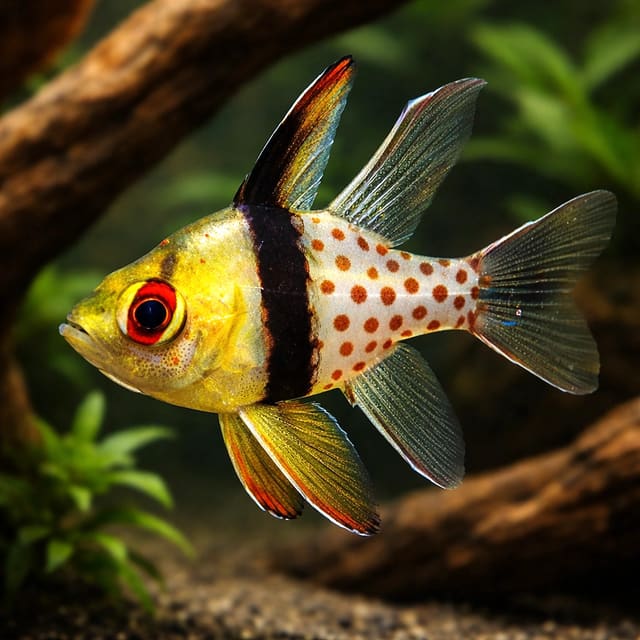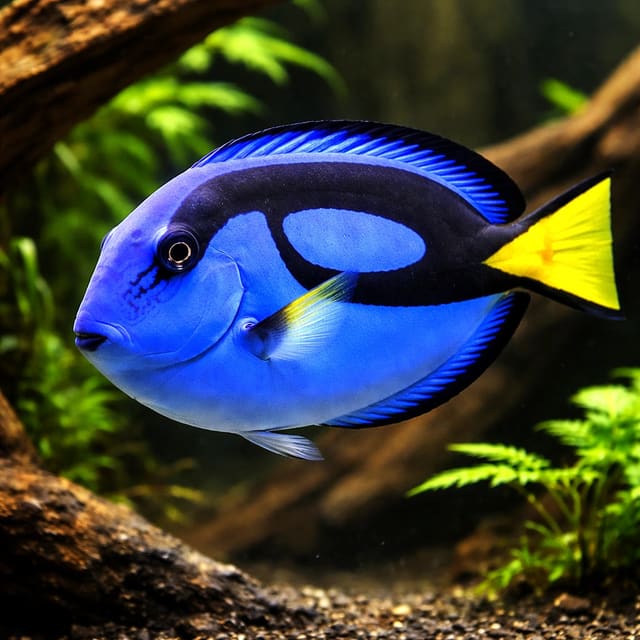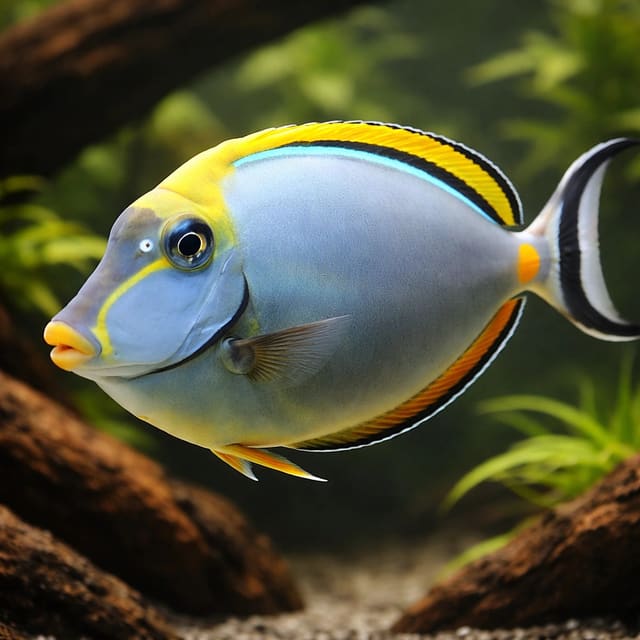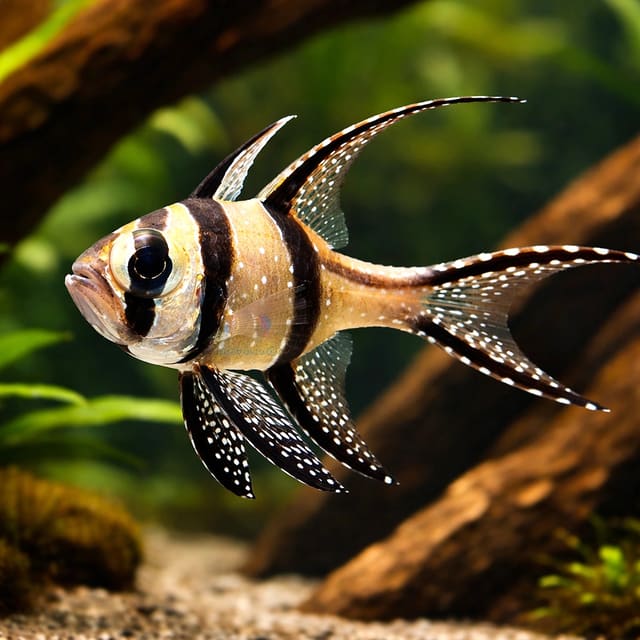
Banggai Cardinalfish (Pterapogon kauderni)
24–26°C · pH 8–8.2
£52.99
A bold, nocturnal marine fish with vivid red colour and huge eyes. Ideal for larger reef-safe fish-only systems.
Adult size is the maximum length this species reaches at full maturity (scientific sources). The livestock you receive will be younger and smaller. Product-photo provenance and any image-specific limitations are stated on the listing.
Myripristis murdjan
Confirm your email, then we’ll send an availability message for this exact item if it returns within 180 days.
This request is only for this product—no newsletter or other promotions. A mail-provider retry may very rarely duplicate the same availability message. Unconfirmed addresses are removed after 48 hours. See our privacy policy.
A bold, nocturnal marine fish with vivid red colour and huge eyes. Ideal for larger reef-safe fish-only systems.
Adult size is the maximum length this species reaches at full maturity (scientific sources). The livestock you receive will be younger and smaller. Product-photo provenance and any image-specific limitations are stated on the listing.
Maintain these water conditions for optimal health and vibrant colors
Myripristis murdjan, commonly known as the Bigeye Soldierfish or Murdjan Soldierfish, is a striking nocturnal marine fish prized for its deep red body, oversized reflective eyes and fascinating cave-dwelling behaviour. Offered here in M/L size, this is a robust species best suited to experienced marine keepers with a larger aquarium and a calm, secure aquascape. Although often grouped with cardinalfish in the trade, it is more accurately a soldierfish from the Holocentridae family, and it brings a very different presence to the tank: secretive by day, active and confident after lights out.
This species is a superb choice for aquarists looking for something unusual beyond the typical reef fish. It is hardy once settled, but it does have specific needs: plenty of hiding places, subdued lighting, peaceful tankmates and stable marine water conditions. In the right setup, Myripristis murdjan can become a long-lived, rewarding display fish with real character. As with all livestock from Tropical Fish Co, your order benefits from our live arrival guarantee and fast UK delivery, helping your new fish arrive in excellent condition.
Because this is a nocturnal predator, it is not the best choice for mixed nano reefs or very busy community systems. Instead, think larger fish-only or carefully planned reef systems where the fish can retreat into rockwork during the day and emerge at feeding time. Its size, behaviour and feeding response make it a fascinating centrepiece for the right marine aquarium.
| Attribute | Details |
|---|---|
| Scientific name | Myripristis murdjan |
| Common name | Bigeye Soldierfish / Murdjan Soldierfish |
| Care level | Moderate |
| Temperament | Peaceful |
| Adult size | Up to 30 cm |
| Minimum tank size | 450 litres+ |
| Temperature | 24–28°C |
| pH | 8.1–8.4 |
| Diet | Carnivorous; meaty marine foods |
| Lifespan | 8–12 years |
| Tank region | Middle / lower / caves |
Myripristis murdjan is found across the Indo-Pacific, including reef-associated areas, lagoons and outer reef slopes. In nature it is typically associated with caves, ledges and shaded crevices where it forms loose groups during the day. At dusk and night it becomes active, moving out to feed on small crustaceans and other zooplankton in the water column.
This natural history explains much of its aquarium behaviour. The fish is adapted to low-light refuges and a secure environment, which is why aquascaping matters so much. Open, brightly lit tanks with little cover can leave the fish stressed and reluctant to feed. A mature marine system with plenty of live rock, overhangs and dark resting areas will allow it to settle more quickly and display its natural behaviour.
In the wild, soldierfish are often seen in groups, but aquarium housing should be planned carefully. While juveniles may coexist peacefully, adults can become more assertive with their own kind unless the tank is very spacious. For most home aquariums, a single specimen or a carefully managed group in a large system is the safest approach.
For best results, house Myripristis murdjan in a mature marine aquarium of at least 450 litres, with more space strongly recommended for adult specimens. A larger footprint is especially useful because this fish appreciates room to cruise at dusk and night. Use a secure lid or cover, as active marine fish can jump when startled.
Provide abundant live rock arranged into caves, arches and shaded overhangs. The fish should be able to retreat fully out of view during the day. Subdued lighting or a dimmer photoperiod can help reduce stress, and many keepers find the fish most visible during feeding time or after the main lights have gone down. Strong, turbulent flow is not essential, but good circulation and oxygenation are important in any marine system.
Stable water quality is more important than chasing exact numbers. Aim for natural seawater conditions with low nitrate and undetectable ammonia and nitrite. Regular water changes, efficient protein skimming and careful feeding will help maintain long-term health.
Recommended parameters:
Because this species is a carnivore with a substantial appetite, filtration should be sized accordingly. Feed sparingly but regularly, and avoid overstocking with aggressive feeders that may outcompete it. A calm environment will encourage confident feeding and reduce hiding behaviour.
Myripristis murdjan is a carnivorous marine fish that thrives on meaty foods. In the aquarium it should be offered a varied diet including enriched mysis shrimp, krill, chopped prawns, marine fish flesh, chopped squid and high-quality carnivore marine pellets or granules. Frozen foods are often taken readily once the fish has settled, and many specimens can be trained to accept prepared foods over time.
Feed small portions once or twice daily, ideally at dusk or after lights dim, when the fish is naturally more active. Because soldierfish have relatively large mouths and a strong feeding response, ensure food pieces are appropriately sized. Variety is important for nutrition and to prevent the fish becoming fixated on a single food type.
Vitamin enrichment can be beneficial, especially during acclimation or after transport. Soaking foods in marine vitamin supplements or HUFA enrichers may support colour, immune function and overall vitality. As with all marine carnivores, avoid relying on low-quality feeder foods or excessive fatty items. A balanced, varied diet is the best route to long-term success.
This species is generally peaceful, but it is not a fish for tiny companions or highly boisterous tanks. Suitable tankmates include calm marine species that will not harass it or steal all the food. Good options in a suitably large aquarium may include tangs, rabbitfish, larger gobies, blennies, dwarf angels, peaceful wrasses and other non-aggressive reef-safe or fish-only species of similar temperament.
Compatibility depends heavily on tank size and layout. In a spacious system with plenty of hiding places, Myripristis murdjan can coexist with a wide range of community marine fish. However, avoid housing it with aggressive triggers, large predatory groupers, very territorial dottybacks, or fast, dominant feeders that may intimidate it. Small ornamental crustaceans may also be at risk, as this is a nocturnal predator.
In reef aquariums, caution is advised with very small shrimps and other delicate invertebrates. While it is not a coral nipper, its feeding habits mean tiny mobile inverts may be viewed as food. For best results, keep it in a fish-only marine system or a carefully planned reef with robust tankmates and secure rockwork.
At Tropical Fish Co, we specialise in healthy, well-conditioned marine livestock sourced with care and packed for safe transport. When you order Myripristis murdjan, you can expect expert handling, clear communication and dependable fast UK delivery so your fish reaches you promptly and in good condition. Our live arrival guarantee gives you added confidence when purchasing sensitive marine species online.
We understand that unusual marine fish need more than just a box and a label: they need proper selection, careful packing and reliable delivery. That is why we focus on quality at every stage, from sourcing to dispatch. If you are planning a larger marine setup and want a distinctive, eye-catching nocturnal species, this soldierfish is an excellent choice. With the right aquarium and attentive care, it can become a standout inhabitant for many years to come.
No reviews for this item yet. Bought one? Honest reviews only, good or bad.
What customers say about ordering from us
Easy website plenty of info on fish your buying great to pick a time slot
TRACEY DURRANT · 7 Oct 2026
Got some lovely fish thank you
Kevin Mackie · 7 Oct 2026
Reviews of our shop, collected by Judge.me, an independent third-party review collector. Newest first.