


Easy
Microrasbora kubotai - Tropical Fish for Sale UK
22–26°C · pH 6–7.5 · 30L
£4.99

A striking Lake Victoria cichlid with metallic copper tones, best suited to spacious hard-water aquariums. Moderate care, semi-aggressive. 24-26C, pH 7.5-8.5.
Adult size is the maximum length this species reaches at full maturity (scientific sources). The fish you receive will be younger and smaller — pick a size variant above for the actual shipping size. Photos are AI-enhanced, so the live fish may show subtle colour or marking differences.
Haplochromis rostratus
Not home? Message us and we'll delay delivery.
A striking Lake Victoria cichlid with metallic copper tones, best suited to spacious hard-water aquariums. Moderate care, semi-aggressive. 24-26C, pH 7.5-8.5.
Adult size is the maximum length this species reaches at full maturity (scientific sources). The fish you receive will be younger and smaller — pick a size variant above for the actual shipping size. Photos are AI-enhanced, so the live fish may show subtle colour or marking differences.
Maintain these water conditions for optimal health and vibrant colors
The Copper Cichlid (Haplochromis rostratus) is a striking Lake Victoria cichlid native to East Africa, associated with the Lake Victoria basin. This impressive species displays attractive metallic copper tones and semi-aggressive temperament characteristic of lake victoria cichlids. Available as african cichlids for sale from specialist retailers like Tropical Fish Co, this rostratus cichlid brings authentic East African character to well-planned hard-water aquariums.
Growing to approximately 15cm in adult size (data shows 4.5cm which appears to be an error, likely juvenile measurement), Haplochromis rostratus requires spacious accommodation of at least 100 litres as a minimum, though substantially larger tanks are recommended as fish mature. This carnivorous/insectivorous species displays predatory instincts and territorial behaviour, particularly during breeding. Buy tropical fish UK specimens from sources that can provide comprehensive guidance on rare cichlids UK and their specialized care requirements for lake victoria cichlid communities.
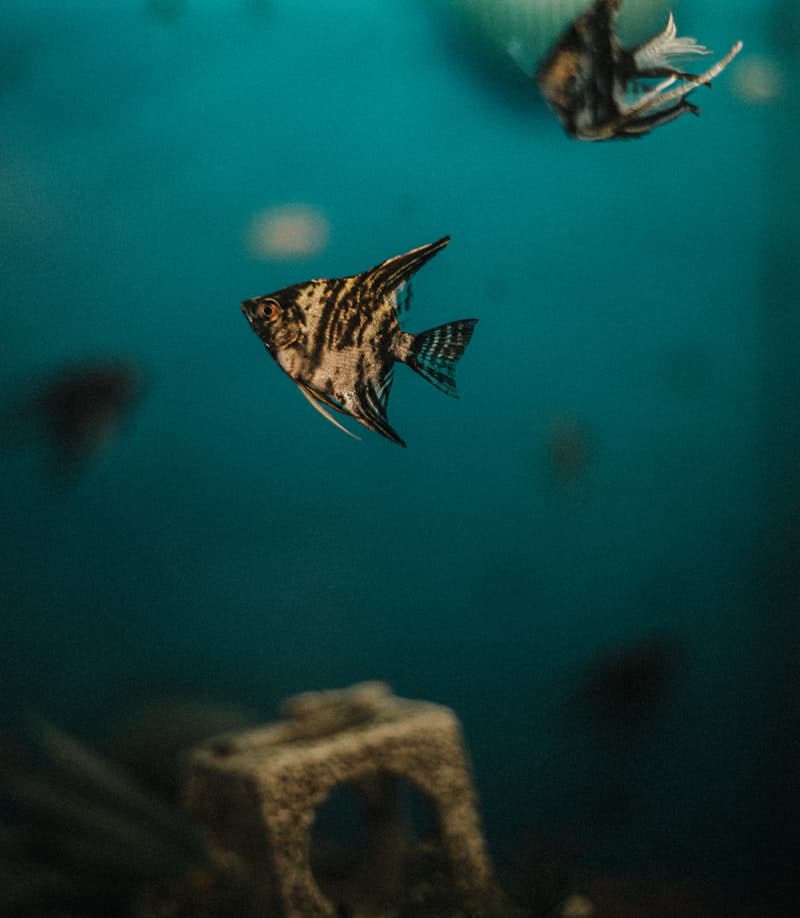
Haplochromis rostratus displays beautiful metallic copper coloration that gives it its common name. The body exhibits warm coppery-bronze tones with metallic highlights that shimmer attractively under quality aquarium lighting. Males develop more intense coloration than females, particularly during breeding periods when copper tones become extraordinarily vibrant with enhanced iridescence.
The body profile is moderately deep and compressed, typical of Haplochromine cichlids, with a slightly pointed snout reflecting the predatory/insectivorous feeding habits indicated in the species name "rostratus" (referring to the beak-like snout). Eyes are proportionally large and expressive, adapted for hunting small prey items. Finnage is well-developed with males showing slightly more pointed dorsal and anal fins compared to females' rounded finnage.
At adult size, these are moderately sized African cichlids commanding attention in display aquariums without requiring enormous tanks. The warm copper coloration combined with active behaviour makes them attractive additions to hard-water African cichlid communities, though their predatory nature requires careful tankmate consideration.
Haplochromis rostratus is associated with the Lake Victoria basin in East Africa, one of the African Great Lakes. Lake Victoria and its associated waters are characterized by hard, alkaline water chemistry, though not quite as extreme as Lake Tanganyika or Lake Malawi. Water parameters typically feature pH 7.5-8.5, moderate to high hardness, and warm stable temperatures around 24-26°C year-round.
These fish inhabit various zones within the lake including areas with rocky substrates, sandy areas, and vegetated zones, hunting for small fish, invertebrates, and insect larvae. As predatory/insectivorous species, they actively hunt prey rather than grazing on algae or plankton. Lake Victoria cichlids have faced significant conservation challenges due to habitat degradation and introduced species, making captive breeding programmes increasingly important for long-term species preservation.
Understanding their predatory ecology and hard-water requirements is essential for successful aquarium maintenance. These fish evolved in stable, hard-water environments with abundant prey items and complex habitat structures providing hunting grounds and territorial boundaries.
A minimum 100-litre aquarium is suitable for juvenile or single specimens, but adult Haplochromis rostratus require substantially larger tanks of 200+ litres, particularly for breeding pairs or community setups. The aquarium should provide open swimming space combined with rocky structures creating territories and visual barriers. Use calcareous substrates like coral sand or crushed coral to help buffer pH naturally.
Create rocky structures using ocean rock, tufa rock, or similar materials positioned around the back and sides while leaving open swimming areas. Provide caves, overhangs, and crevices as potential territory centres and spawning sites. Hardy plants adapted to hard water like Vallisneria or Anubias attached to rocks may be included, though robust aquascaping that can withstand cichlid activity is essential.
Provide moderate to bright lighting to showcase the attractive copper coloration. Filtration must be strong and efficient—canister filters or sump systems work excellently. Create moderate water movement and ensure excellent oxygenation throughout. Perform regular water changes of 30-40% weekly to maintain pristine water quality essential for health and colour development in hard water aquarium fish species.
Haplochromis rostratus is a carnivore/insectivore requiring a protein-rich diet. Offer varied foods including quality small cichlid pellets or micro-pellets supplemented with frozen and live foods such as mysis shrimp, brine shrimp, daphnia, bloodworms, and insect larvae. These protein sources match their natural insectivorous diet and support optimal health and coloration.
Feed small portions 2-3 times daily that can be consumed within a few minutes. Avoid overfeeding, which degrades water quality rapidly and can cause health issues. During breeding periods, increase protein content with more frequent meaty foods. Monitor body condition carefully—healthy specimens should appear robust but not bloated. Vary diet regularly to ensure complete nutrition and maintain feeding interest throughout the fish's life.
Haplochromis rostratus is semi-aggressive with behaviour typical of predatory Haplochromine cichlids. These fish are territorial, particularly males during breeding, and will establish and defend preferred areas of the aquarium. Their carnivorous/insectivorous nature means they view smaller fish as potential prey—tankmate selection must account for predatory instincts.
These are active, alert fish that constantly patrol territories and hunt for food. They display interesting hunting behaviours including stalking, ambushing, and rapid strikes at prey items. Males develop enhanced coloration during breeding and perform courtship displays to attract females. Best kept in species tanks, as proven pairs, or with very carefully selected robust tankmates in larger community setups where predation risks and territorial conflicts can be minimized.
Top Tip: Provide multiple distinct territory zones using substantial rock formations positioned throughout the aquarium. This allows each fish to establish a "home base" while reducing constant visual contact with rivals—dramatically lowering aggression in african cichlid vs south american cichlid comparison setups.
Haplochromis rostratus can potentially coexist with other small to medium Lake Victoria cichlids of similar size and temperament, or carefully selected same-lake tankmates in larger aquariums. Species-only setups often work best, allowing focus on this species without compatibility concerns. Avoid large or semi-aggressive African cichlids that will either predate upon or outcompete them.
Absolutely incompatible: small fish will be eaten, shrimp and other small invertebrates will be consumed, slow-moving or long-finned fish will be harassed, peaceful community fish requiring soft water have incompatible needs, and overly aggressive cichlids will provoke constant conflict. Always research lake malawi cichlids compatibility and lake victoria cichlids requirements carefully before mixing african cichlid tank mates.
Haplochromis rostratus is likely a maternal mouthbrooder following typical Haplochromine patterns, as with many Lake Victoria basin species. Provide a spacious tank with stable water quality and a pair or small breeding group. Males establish territories and display enhanced copper coloration during breeding. Females should be isolated after spawning if fry survival is priority, as brooding females may be harassed or fry predated upon in community tanks. Maintain pristine water quality throughout breeding and fry-rearing periods for maximum success.
When you buy tropical fish UK from Tropical Fish Co, you're choosing specialists in rare cichlids UK with expertise in challenging species. Our Haplochromis rostratus specimens are quarantined, feeding confidently, and acclimatised to UK water before dispatch. We provide expert guidance on predatory cichlids care, water parameters, and compatibility for large cichlids for sale. Fast delivery throughout the UK ensures safe arrival with professional packaging. Our support team remains available for questions, and all livestock is backed by our health guarantee, giving confidence when purchasing from Tropical Fish Co.
Dispatched Tue or Wed, delivered Wed or Thu — every order tracked and insured.
22–26°C · pH 6–7.5 · 30L

24–28°C · pH 7.5–8.5 · 150L


24–28°C · pH 7.5–8.5 · 200L

18–25°C · pH 6–8 · 100L


24–27°C · pH 7.5–8.8 · 150L

22–26°C · pH 6–7.5 · 60L

24–28°C · pH 5.5–7 · 60L

18–28°C · pH 6.5–8 · 20L

24–28°C · pH 7.5–8.5 · 40L

24–28°C · pH 7.5–8.5 · 400L

22–26°C · pH 6–7.5 · 150L

22–28°C · pH 7–8.5 · 10L

23–27°C · pH 5.5–7.5 · 80L

24–27°C · pH 7.5–9 · 250L