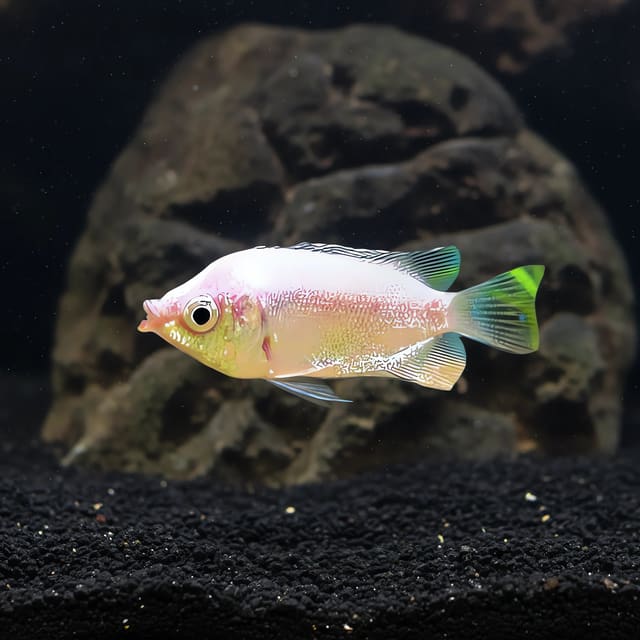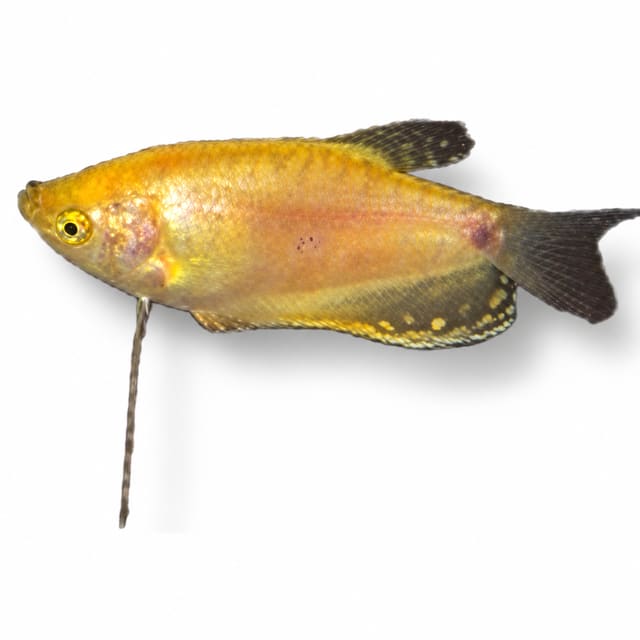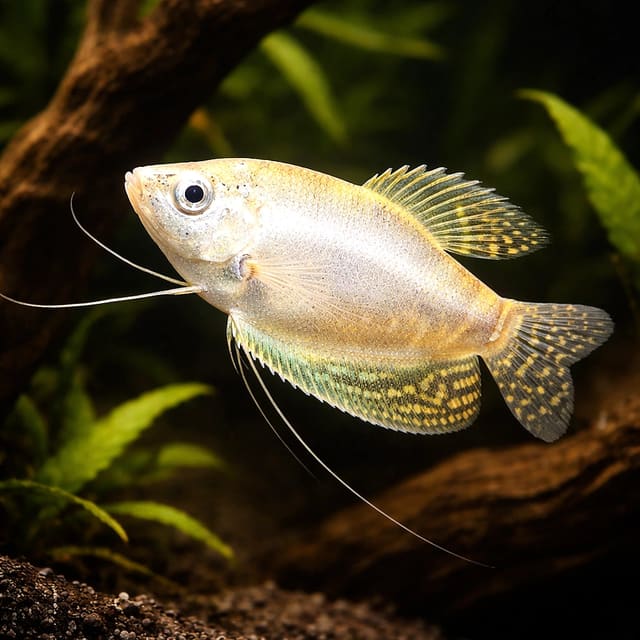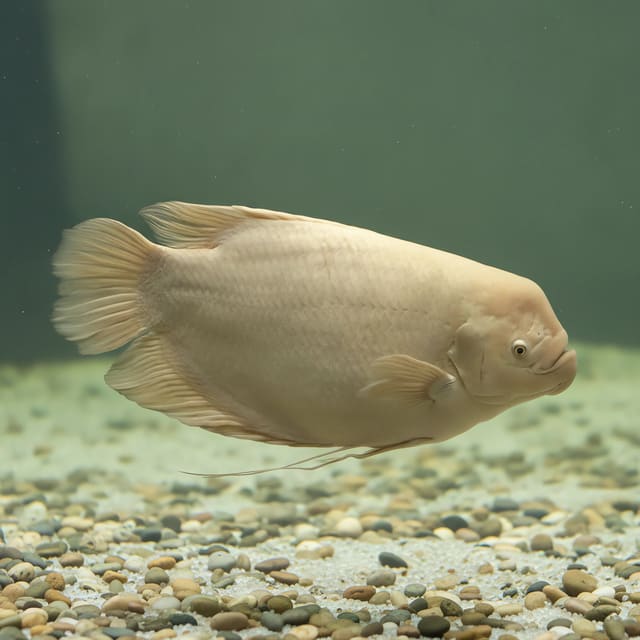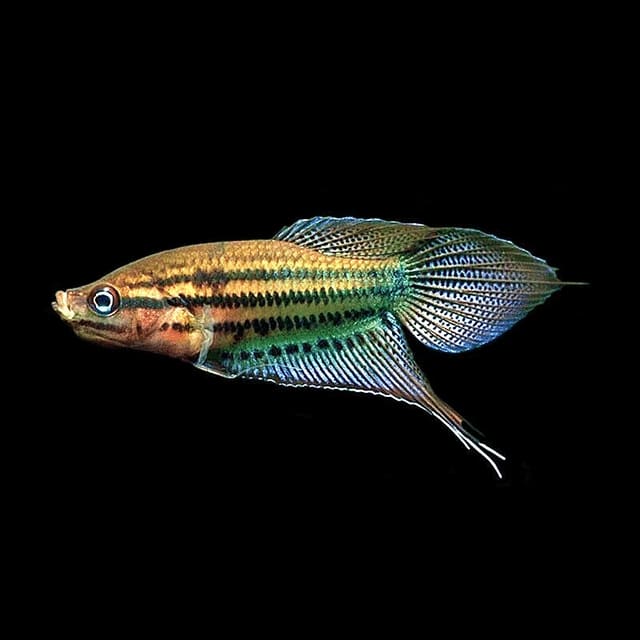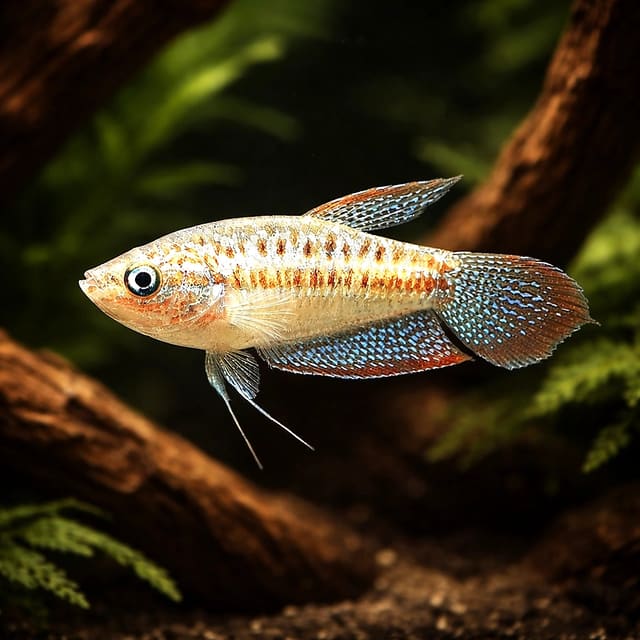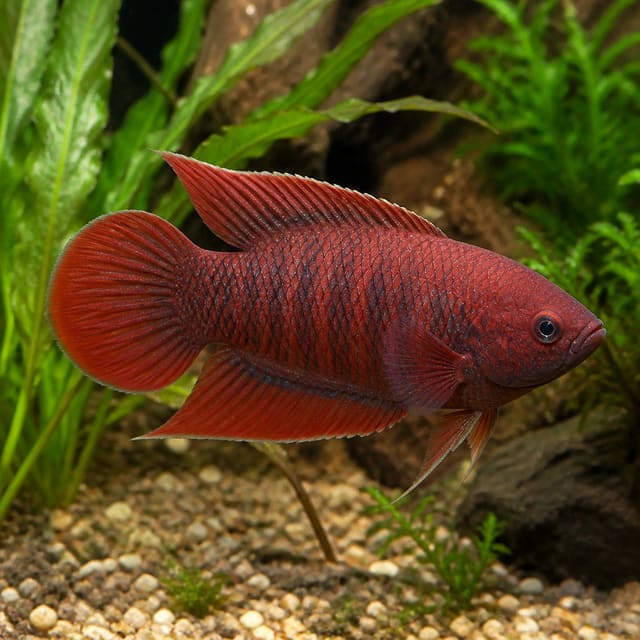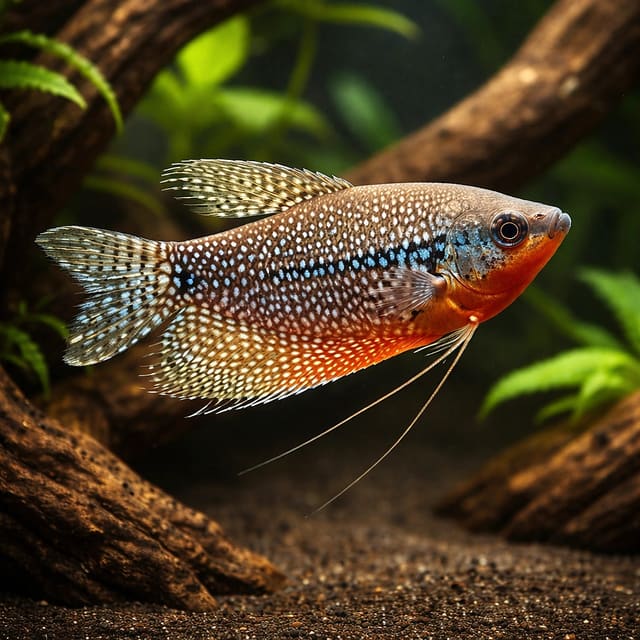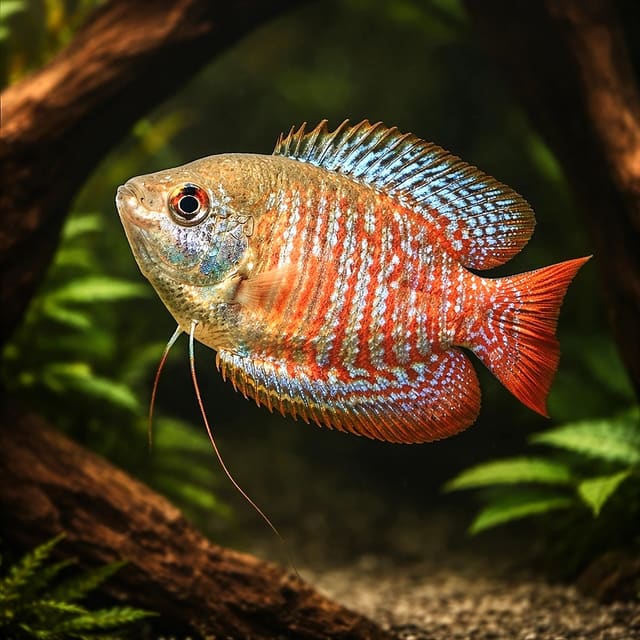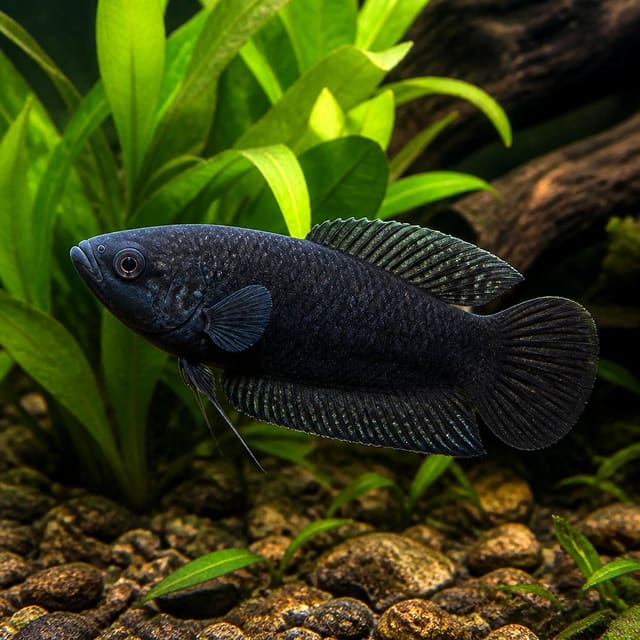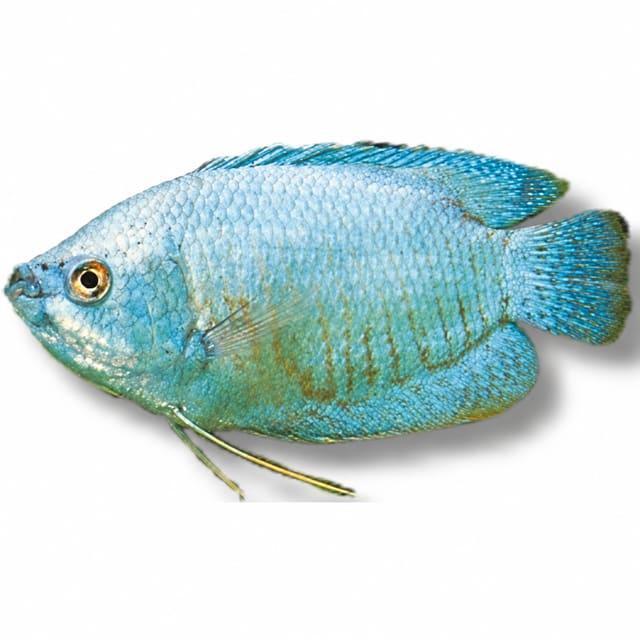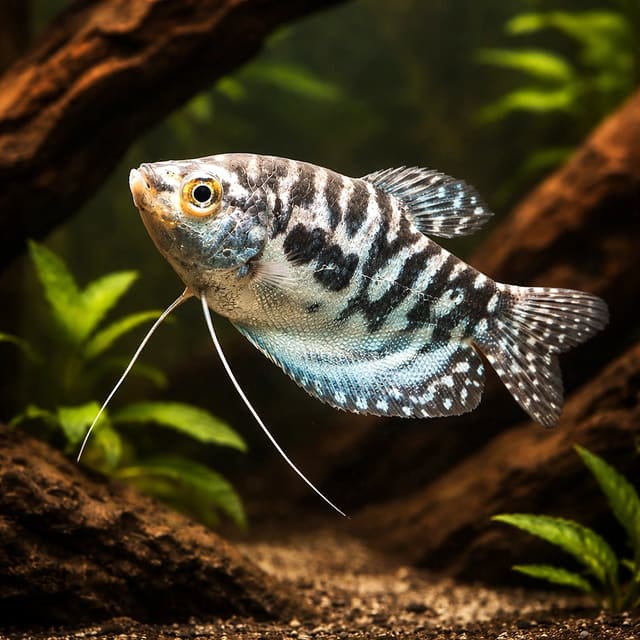
Cosby / Opaline Three-Spot Gourami (Trichopodus trichopterus) – 3–7cm & XL
24–28°C · pH 6–8 · 81L
From £4.99Some sizes on sale

A striking ambush predator with bold spotted patterning, ideal for larger peaceful setups. Moderate care species. Order today with UK delivery.
Adult size is the maximum length this species reaches at full maturity (scientific sources). The livestock you receive will be younger and smaller — pick a size above for the actual shipping size. Product-photo provenance and any image-specific limitations are stated on the listing.
Ctenopoma acutirostre
Save when buying multiple fish. Each quantity is one fish; sex and pair formation are not guaranteed unless the selected variant explicitly states them.
A striking ambush predator with bold spotted patterning, ideal for larger peaceful setups. Moderate care species. Order today with UK delivery.
Adult size is the maximum length this species reaches at full maturity (scientific sources). The livestock you receive will be younger and smaller — pick a size above for the actual shipping size. Product-photo provenance and any image-specific limitations are stated on the listing.
Maintain these water conditions for optimal health and vibrant colors
The Leopard Bushfish, also sold as the Spotted Ctenopoma, is a distinctive oddball predator. Known scientifically as Ctenopoma acutirostre, this Central African labyrinth fish combines a leaf-like ambush posture with a bold spotted pattern that looks almost reptilian under aquarium lighting. Adults can reach around 15 cm and can live for up to 10 years when kept in stable conditions. That makes it a long-term, characterful choice for aquarists who want something more unusual than a standard community fish. See our detailed photos showing the rich bronze body, dark rosettes, and large predatory mouth that make this species so distinctive.
Leopard Bushfish are hardy, but their predatory habits call for careful planning. Their behaviour is calm, watchful, and often nocturnal, yet they are still predators that will eat fish small enough to fit in that surprisingly wide mouth. Care starts with the right tank mates, a thoughtful aquascape, and a realistic understanding of their size as they mature. Their watchful behaviour, stealth hunting style, and labyrinth breathing ability make them distinctive fish to observe.
Because this species belongs to the anabantid group, many hobbyists ask what fish have labyrinth organ. The answer includes gouramis, paradise fish, climbing perch relatives, and the Leopard Bushfish. That extra breathing adaptation helps it cope with lower-oxygen environments, but it does not replace proper filtration or maintenance. In a well-planned aquarium, this species becomes a centrepiece fish that rewards patient keepers with fascinating natural behaviour and a truly different display.
Ctenopoma acutirostre is a true anabantid, related to other labyrinth fishes rather than cichlids, despite sometimes being mistaken for one in older trade names. In the aquarium hobby it is valued as a hardy oddball predator with an unusual stalking style, bridging the gap between classic community species and specialist predatory fish. Among labyrinth fish, it is more secretive and ambush-oriented than most gouramis, which is exactly why experienced keepers find it so rewarding.
The leopard bushfish habitat is centred on the Congo Basin in Central Africa. In the wild, this species occurs across a wide range of waters, from slow backwaters and swampy margins to calmer stretches of streams and floodplain pools. That flexibility explains why it adapts well in captivity, provided the aquarium still reflects its natural need for cover, dimmer zones, and ambush points. If you have ever wondered what is labyrinth based on in fishkeeping terms, it refers to the specialised air-breathing organ these fish use, an adaptation linked to oxygen-poor habitats.
Wild Leopard Bushfish often wait motionless among roots, branches, leaf litter, and dense marginal vegetation before lunging at insects, crustaceans, or small fish. This makes the species a classic stealth predator rather than an active chaser. Their body pattern helps them blend into dappled light and submerged wood, which is why a sparse, brightly lit aquarium rarely shows the fish at its best. A naturalistic setup brings out more confident feeding and more authentic posture.
Water chemistry in the Congo Basin varies by location, so this fish is not tied to one narrow number. That said, soft to moderately hard water and slightly acidic to neutral conditions are a sensible starting point. For pH and hardness planning, use our water chemistry guide alongside tests of your own water. The species is not generally considered threatened in the aquarium trade, but good husbandry still matters. Healthy stock should be conditioned carefully, fed a varied carnivorous diet, and never rushed into unsuitable community tanks.
In fishkeeping, “labyrinth” refers to an air-breathing fish group.
Mimicking the natural habitat of Leopard Bushfish improves confidence, colour, and feeding response. Use shaded areas, dark décor, and broken lines of sight. Fish kept in open, over-bright tanks often remain jumpy and may miss food when faster species are present.
Getting the leopard bushfish tank setup right is the difference between a shy, stressed specimen and a calm, impressive display fish. Although the official leopard bushfish minimum tank size is 150 litres, many keepers find that a larger aquarium gives better long-term results, especially for adult fish or mixed-species setups. When people ask about leopard bushfish tank size, I usually suggest treating 150 litres as the bare minimum for a single specimen and aiming for 180-240 litres if you want more décor, more stable water quality, and safer companion fish.
The leopard bushfish minimum tank size works for a single fish with careful aquascaping, but adults are deep-bodied and produce a meaningful bioload on a meaty diet. If you are wondering how many leopard bushfish in a tank, the safest answer is usually one specimen, or a compatible pair only in a larger, well-structured aquarium. Crowding increases stress and feeding competition. A wider footprint matters more than extra height because this species cruises the middle levels and uses cover throughout the tank.
Stable water is far more important than chasing exact numbers. Ideal leopard bushfish water parameters are a leopard bushfish temperature of 23-28°C, with many keepers settling around 25-26°C for everyday maintenance. The preferred leopard bushfish water temperature should not swing sharply between day and night. Aim for a leopard bushfish ph level between 6.0 and 7.5, and leopard bushfish water hardness in the 5-15 dGH range. These are the leopard bushfish ideal conditions for long-term health, appetite, and colour.
Good filtration is essential because this species is a messy carnivore. Proper leopard bushfish filtration needs include strong biological media and moderate turnover, but not a blasting current. A quality external filter is ideal for tanks over 150 litres because it keeps water clear without taking up display space. Even though this is a labyrinth fish, do not assume it tolerates poor water. Surface access is important, but clean, oxygen-rich water still supports better immunity and feeding behaviour.
For aquarists building a suitable setup, compatible equipment choices include a reliable aquarium heater, a mature external canister filter, and dark natural décor. If you enjoy other labyrinth species, you can also browse our Labyrinth Fish collection for inspiration on tank themes and stocking ideas.
A dark sand or fine natural gravel helps the Leopard Bushfish feel secure. Pale reflective substrates can wash out the pattern and make the fish more hesitant. A depth of 3-5 cm is enough for rooted plants while still being easy to clean. Because this species is not a digger, substrate choice is mainly about aesthetics, plant support, and reducing glare.
A thoughtful leopard bushfish aquarium setup should include driftwood, branchwork, caves, and robust planting around the edges and rear. Yes, you can keep a leopard bushfish in planted tank conditions, and in fact many specimens do better in them. Use hardy species such as Anubias, Java fern, Bolbitis, and floating plants to soften the light. Dense cover lets the fish stalk naturally and reduces stress when lights first come on.
If you want companion labyrinth fish with a similar visual presence, consider species such as the Silver Platinum Three-Spot Gourami, Silver Three-Spot Gourami, or the larger Gold Giant Gourami for separate suitably sized aquariums. For smaller planted displays, the Dwarf Gourami and Cobalt Dwarf Gourami offer a very different scale and temperament.
Moderate lighting works best. Bright, intense light can make this species hide for much of the day. Floating plants or shaded wood structures create a more natural effect. Keep lighting on for around 7-9 hours daily, and always leave a calm air gap above the water because labyrinth fish need access to the surface.
Always cycle the tank for 4-6 weeks before adding Leopard Bushfish. Predatory fish are often sold as hardy, but ammonia and nitrite exposure can damage gills, suppress appetite, and create long-term health issues that are easy to mistake for “shyness”.
The leopard bushfish diet is firmly carnivorous. In nature they take insects, larvae, crustaceans, and small fish, and that predatory instinct remains very strong in captivity. A good leopard bushfish feeding guide focuses on meaty foods with enough variety to support growth, immune function, and natural hunting behaviour. If you are reading a leopard bushfish care guide and wondering how to care for leopard bushfish properly, feeding is one of the biggest factors in success.
Most established specimens accept frozen bloodworm, krill, mysis shrimp, chopped prawn, and quality sinking carnivore pellets. Some fish need time to recognise prepared foods, especially if they were raised on live or frozen fare. Feed in the evening if the fish is shy, as many Leopard Bushfish are most confident under lower light.
Supplemental foods can include frozen lancefish pieces, chopped mussel, tubifex in moderation, and insect-based pellets. Variety helps reduce nutritional gaps and keeps the fish interested. Live foods can be useful for newly imported or nervous specimens, but they should not be the only food long term.
For conditioning adults, especially if attempting leopard bushfish breeding, use richer foods such as earthworm pieces, blackworm, and high-protein frozen mixes. This species is an ambush feeder, so target feeding with tongs can help ensure it gets its share in mixed tanks. Hobbyists sometimes ask odd unrelated questions such as why were labyrinth created, how to make a small labyrinth, labyrinth guide tarkov, labyrinth 7ds guide, labyrinth creatures, labyrinth cast creatures, labyrinth zelda breath of the wild, labyrinth song see beneath your beautiful, how long to beat omega labyrinth life, and how long does labyrinthitis last untreated. Those do not apply here; in fishkeeping, “labyrinth” simply refers to the breathing organ group, and diet should stay focused on carnivorous nutrition.
Juveniles do best with small meals once or twice daily. Adults usually thrive on one measured meal per day, or five to six feeds per week. Offer only what is eaten within a couple of minutes. A slightly rounded belly after feeding is normal; a constantly swollen fish is being overfed.
Avoid relying on flake food, very fatty feeder fish, or mammal meats. Feeder fish can introduce parasites and often have poor nutritional value. Tiny community fish should never be viewed as “cleanup snacks”; they are tank mates, and if they fit in the mouth they are at risk.
| Time | Food | Amount |
|---|---|---|
| Morning | Sinking carnivore pellet or insect pellet | Small portion, 2-4 pellets depending on size |
| Evening | Frozen bloodworm, mysis, krill, or chopped prawn | What is fully eaten in 2 minutes |
Overfeeding causes ammonia spikes, greasy surface film, and hidden obesity in predatory fish. Leopard Bushfish may continue begging even when full, so portion control matters more than apparent enthusiasm at feeding time.
The Spotted Ctenopoma is named well. Its body is covered in irregular dark spots and blotches over a bronze, tan, or chocolate-brown base, creating a camouflage effect that looks especially striking against wood and shadow. Adult leopard bushfish size is usually around 12-15 cm, though large mature specimens can look even bigger because of their deep body and broad fins. The head is large, the mouth is wide, and the eyes are positioned for a watchful ambush posture.
Body shape is laterally compressed, helping the fish slip among branches and plants. The dorsal and anal fins extend far along the body, giving it a deliberate, hovering look rather than the sleek profile of active open-water fish. In subdued lighting, the pattern can appear almost leaf-like. Our photos show the intense mottled contrast achieved through dark décor, stable water, and a calm setup.
Sexing can be tricky, which is why leopard bushfish male vs female is a common question. Males may show slightly more pointed finnage and can develop a somewhat leaner, more angular look, while females are often fuller-bodied when mature. However, there is no dramatic colour difference. This is not a species with many established trade morphs; the appeal lies in the natural wild-type pattern rather than selective colour strains.
The spotted pattern and stealth-predator build of Ctenopoma acutirostre give it a distinctive appearance.
Choosing leopard bushfish tank mates is the most important stocking decision you will make. This species is not hyper-aggressive in the way many cichlids are, but it is unquestionably predatory. The best leopard bushfish compatible fish are medium-sized, robust species that are too large to be swallowed and calm enough not to harass a slow, watchful predator. If you are asking whether Leopard Bushfish are the best gourami for community tank style setups, the answer is no for small peaceful communities, but yes for carefully planned oddball communities with appropriately sized companions.
Good options include larger peaceful tetras, silver dollars, sturdy catfish, and some medium gouramis in spacious aquariums. Within our own range, fishkeepers often compare them with the Silver Platinum Three-Spot Gourami, Silver Three-Spot Gourami, and Red Three-Spot Gourami. These are not automatic pairings for every tank, but they are examples of similarly sized labyrinth fish that help illustrate the scale needed when planning companions. The Red Paradise Fish is attractive but can be too assertive for some Leopard Bushfish setups, so caution is needed.
For separate smaller displays, the Dwarf Gourami and Cobalt Dwarf Gourami are beautiful labyrinth fish, but they are generally too small and delicate to be considered safe with adult Leopard Bushfish. The Gold Giant Gourami is far too large for most mixed home aquariums with this species, but it is useful as a comparison when discussing temperament and tank scale.
Avoid guppies, endlers, small rasboras, neon-sized tetras, and slim juvenile fish of almost any species. If it fits in the mouth, it is food. Also avoid fin nippers and rough cichlids that may outcompete or injure the Bushfish. This species does not do well with constant harassment.
In a 180-240 litre aquarium, one Leopard Bushfish can work with a group of larger tetras and a bottom group of robust catfish, provided all fish are beyond prey size. In a larger 300 litre setup, a single specimen may coexist with medium gouramis and peaceful catfish if the layout includes wood barriers and multiple shaded zones. This is where understanding leopard bushfish with other fish becomes practical: size, shape, speed, and temperament all matter.
Shrimp are generally unsafe, especially smaller ornamental species. Large snails may be ignored, but tiny snails can be picked off. Because this fish is an opportunist, assume anything edible will eventually be tested.
| Species | Compatible? | Notes |
|---|---|---|
| Silver Three-Spot Gourami | ⚠️ Caution | Possible in larger tanks with cover; watch for dominance and feeding competition |
| Dwarf Gourami | ❌ Avoid | Too small and delicate for an adult Leopard Bushfish |
| Medium-sized robust catfish | ✅ Yes | Usually excellent companions if peaceful and too large to swallow |
In aquarium use, labyrinth identifies the fish group; compatibility should be based on mouth size, temperament, and tank footprint.
Always quarantine new arrivals for 2-4 weeks before adding them to a Leopard Bushfish aquarium. This species can be slow and deliberate at feeding time, so introducing healthy, settled tank mates reduces stress and helps you monitor any bullying or predatory interest early.
Leopard bushfish breeding is considered difficult rather than impossible. It is not usually the first breeding project for beginners, but advanced aquarists sometimes succeed by conditioning a mature pair heavily and providing a very calm, secure environment. One challenge is identifying leopard bushfish male vs female accurately, because differences are subtle and often only clear in mature, well-conditioned fish.
Use a separate breeding aquarium of at least 120-150 litres with warm, clean water around 26-28°C, subdued lighting, floating plants, and very gentle filtration. Dense cover helps the pair feel secure. Condition both fish on rich frozen and live foods for several weeks before attempting a spawn.
Courtship is usually discreet rather than dramatic. The pair may spend more time together under cover, and the female may appear fuller with eggs. Reports from hobbyists suggest eggs are often scattered among plants or near the surface rather than carefully guarded in the way some other labyrinth fish manage broods. This unpredictability is one reason the species is not commonly bred on a large scale.
If spawning occurs, remove adults if they show interest in the eggs or fry. Gentle aeration and pristine water are essential. Hatching time can vary with temperature. Because the fry are tiny, first foods must be equally small, such as infusoria or commercially prepared fry foods, followed by newly hatched brine shrimp as they grow.
Fry are delicate in the first stages and need stable water, tiny foods, and gradual water changes. Growth is not especially fast, and size differences can appear early, so sorting may be necessary. Keep the tank covered and warm above the waterline, as developing labyrinth fish are sensitive to cold air when they begin using the organ.
The main problems are poor pair compatibility, uncertain sexing, predation on eggs, and difficulty raising very small fry.
Use floating plants and a darkened breeding tank to encourage natural spawning behaviour. Many labyrinth fish, including Leopard Bushfish, show better breeding activity when they feel hidden from overhead light and sudden movement outside the tank.
Comparing similar fish matters because many aquarists looking at oddball labyrinth species are deciding between a stealth predator and a more social display fish. The Leopard Bushfish is best for aquarists who want subtle behaviour, patient observation, and a fish that feels wild and intelligent. If you want constant open-water activity or a brightly coloured peaceful centrepiece, a gourami may suit you better.
| Feature | Leopard Bushfish | Three-Spot Gourami |
|---|---|---|
| Max Size | 15 cm | 12-15 cm |
| Care Level | Moderate | Moderate |
| Temperature | 23-28°C | 24-28°C |
| Price | £41.61 | Varies by variety |
| Best For | Oddball predator displays | Large peaceful to semi-aggressive communities |
| Feature | Leopard Bushfish | Dwarf Gourami |
|---|---|---|
| Max Size | 15 cm | 7-9 cm |
| Care Level | Moderate | Moderate |
| Temperature | 23-28°C | 24-28°C |
| Price | £41.61 | Usually lower |
| Best For | Predatory species tanks | Smaller planted community aquariums |
Choose Leopard Bushfish if you want a fish with camouflage, patience, and a predatory edge. Choose a Silver Platinum Three-Spot Gourami or Red Three-Spot Gourami if you want a more visible, interactive labyrinth fish for a broader community setup. Choose a Dwarf Gourami or Cobalt Dwarf Gourami if your tank is smaller, more planted, and built around peaceful fish rather than predators.
Good leopard bushfish health starts with water quality, diet, and stress control. A healthy fish should have clear eyes, a full but not bloated body, intact fins, steady breathing, and a strong feeding response. It may spend time hovering quietly, but it should not clamp fins, gasp continuously, or show rapid weight loss.
Look for alert eye movement, stable posture, and confident movement between cover and open water. Colour should be rich and patterned, not dull grey from chronic stress. A healthy specimen will usually inspect food carefully and strike with purpose.
Typical leopard bushfish diseases include ich, bacterial fin damage after rough tank mate interactions, internal issues linked to poor feeder fish stress-related secondary infections. Because they are often sold as hardy oddballs, some keepers underestimate the impact of poor water. Carnivorous fish in dirty tanks can decline slowly, showing reduced appetite before obvious external symptoms appear.
Move affected fish to a hospital tank where possible, improve water quality immediately, and diagnose before medicating. Use proven treatments appropriate for the disease rather than adding multiple products at once. Maintain stable temperature and ensure the fish can still access the surface calmly.
Preventive care means weekly maintenance, measured feeding, and avoiding unsuitable prey fish. Keep nitrate controlled, rinse mechanical media regularly in tank water, and never let uneaten meaty food decay behind décor. Many health problems blamed on “sensitive fish” are really husbandry issues.
Quarantine all new fish for 2-4 weeks in a separate heated, filtered tank. Observe for external spots, flashing, frayed fins, and appetite changes. This is especially important in predatory displays, where one sick new arrival can trigger stress across the whole aquarium.
Focus on water testing, observation, and quarantine discipline.
Never medicate blindly. Predatory fish can stop eating when stressed, and combining treatments without diagnosis can make matters worse. If invertebrates are present elsewhere in the system, remember that copper-based medications are lethal to shrimp and many snails.
Leopard bushfish behaviour is one of the main reasons people fall in love with this species. Rather than darting constantly, it hovers, watches, and glides between shadows with deliberate control. Many specimens are crepuscular or more active in the evening, especially in bright rooms. That does not mean something is wrong; it is simply how the species is wired.
They are not schooling fish. Most adults are best kept singly unless you have a proven pair and the space to manage them. Their social style is better described as tolerant than friendly. In the right setup, they become bold enough to recognise feeding routines and may even watch activity outside the tank from a favourite shaded perch.
To encourage natural behaviour, provide broken sightlines, floating cover, and calm companions. This also helps answer whether leopard bushfish for beginners is a fair label. They are hardy enough for an attentive beginner with a large tank and the right expectations, but they are not suitable if you want a simple small community fish.
With Leopard Bushfish, quality matters because poorly settled specimens can be shy feeders and difficult to establish. We focus on supplying fish that are feeding, stable, and ready for a properly prepared home aquarium.
Each Leopard Bushfish is checked for body condition, fin integrity, and feeding response before dispatch. We do not treat this species like a generic community fish. Careful handling, insulated packing, and species-specific guidance matter for this predatory labyrinth fish.
Tracked delivery, insulated boxes, and seasonal heat packs help protect the fish during transit, while a calm acclimation routine at home helps it settle quickly.
Leopard Bushfish appeal to aquarists who appreciate subtle behaviour, natural camouflage, and patient observation.
If you enjoy unusual labyrinth fish, explore the Silver Platinum Three-Spot Gourami for a larger community-friendly display species, or the Red Three-Spot Gourami for a bolder colour accent in a spacious tropical setup. For smaller planted aquariums, the Dwarf Gourami and Cobalt Dwarf Gourami offer classic labyrinth-fish character on a gentler scale. If you prefer something more assertive and old-school, the Red Paradise Fish is another fascinating option. You can also browse our wider Labyrinth Fish gourami's collection to compare sizes, temperaments, and tank styles before finalising your stocking plan.
No reviews for this item yet. Bought one? Honest reviews only, good or bad.
What customers say about ordering from us
I have a small group of long finned mountain minnows. So was delighted to be able to order ten of this variety to increase the genetics in my tank . The ones I recieved are healthy but it’s to early to give a verdict on wether they are of a long finned type since they are small currently.
Gordon Walker · 23 Sept 2026
100% success travel and "installation". Pleased with quality of purchase. The Siamese fighter a bit "shy" so have not yet seen him at his best yet but looking good. Happy customer. GG
George E Garratt · 21 Sept 2026
Reviews of our shop, collected by Judge.me, an independent third-party review collector. Newest first.