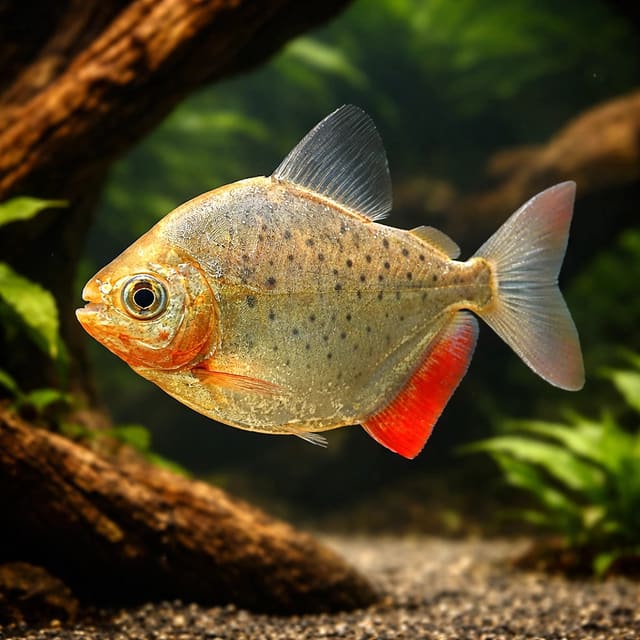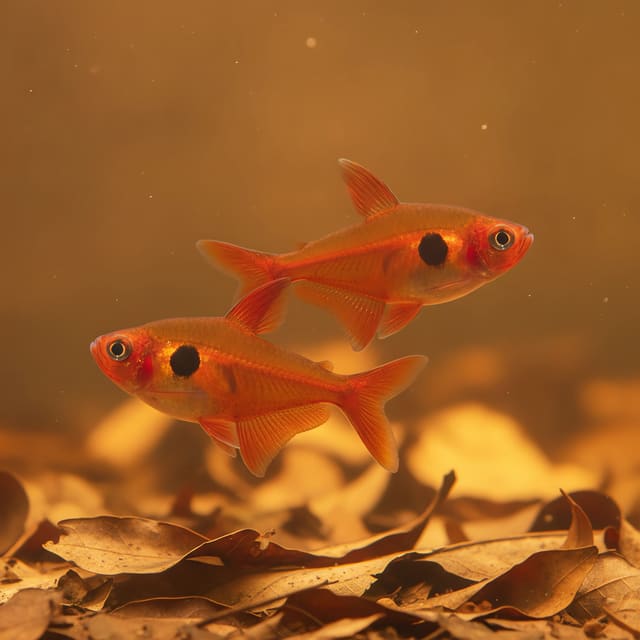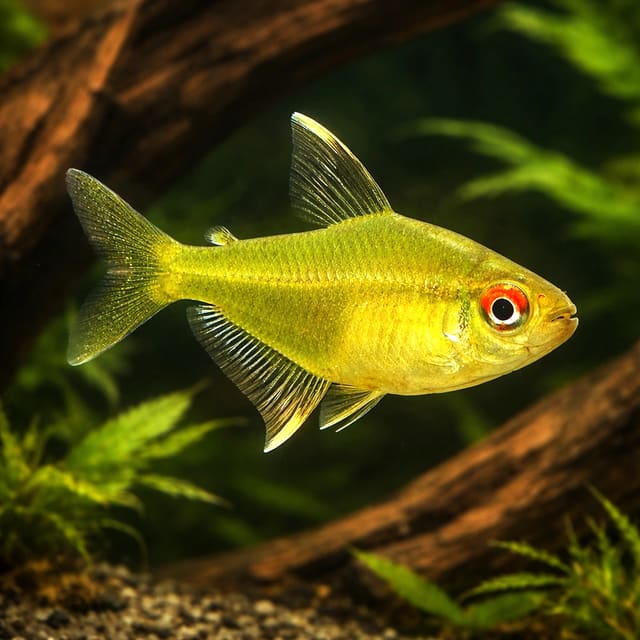
Lemon Tetra (Hyphessobrycon pulchripinnis)
22–27°C · pH 6.5–7.5 · 72L
£3.99

A hardy, peaceful South American schooling tetra that adds active movement and classic characin charm to community aquariums. Easy care, peaceful. 22-28C, pH 5.5-7.5.
Adult size is the maximum length this species reaches at full maturity (scientific sources). The livestock you receive will be younger and smaller — pick a size above for the actual shipping size. Product-photo provenance and any image-specific limitations are stated on the listing.
Astyanax bimaculatus
Save when buying multiple fish. Each quantity is one fish; sex and pair formation are not guaranteed unless the selected variant explicitly states them.
Confirm your email, then we’ll send an availability message for this exact item if it returns within 180 days.
This request is only for this product—no newsletter or other promotions. A mail-provider retry may very rarely duplicate the same availability message. Unconfirmed addresses are removed after 48 hours. See our privacy policy.
A hardy, peaceful South American schooling tetra that adds active movement and classic characin charm to community aquariums. Easy care, peaceful. 22-28C, pH 5.5-7.5.
Adult size is the maximum length this species reaches at full maturity (scientific sources). The livestock you receive will be younger and smaller — pick a size above for the actual shipping size. Product-photo provenance and any image-specific limitations are stated on the listing.
Maintain these water conditions for optimal health and vibrant colors
Hardy, fast and full of energy, the Two-Spot Astyanax (Astyanax bimaculatus) is a robust South American tetra for keepers who want classic characin movement on a bigger scale. Growing to around 14cm, it is a substantial schooling fish rather than a nano tetra, and its two-spot markings reflect the name it trades under.
This is one of the easier large tetras to keep. Adaptable across a wide range of water and undemanding by nature, it occupies the middle of the tank as a constantly active omnivore. Its size and pace mean it belongs in a roomy aquarium with plenty of swimming length and similarly capable tank mates.
Peaceful in temperament, it is well suited to community life provided its companions are big and quick enough not to be outpaced at feeding time. Kept in a group, it shows the coordinated, restless schooling that makes active characins so watchable.
Scale is the thing to get right with this tetra. At around 14cm it needs the swimming length a 150-litre or larger tank provides, ideally with open water in the middle region where it spends its time. It tolerates a wide band of conditions - 22 to 28°C, pH 5.5 to 7.5 and hardness from 2 to 15 dGH - which is part of why it earns its easy-care rating, though clean, stable water always serves it best.
As an omnivore it is undemanding at feeding time, taking flake, pellet and frozen foods readily. Kept in a group it schools with real purpose, and with a lifespan of up to five years it makes a long-running, low-fuss feature for an aquarist who has the volume to house an active large characin properly.
Good companions include other robust, similarly sized peaceful schooling fish, Corydoras catfish, peaceful medium-sized loricariids and peaceful, non-aggressive cichlids of similar size. Avoid large predatory fish, fin-nipping species, very slow or long-finned fish, highly aggressive cichlids, and tiny fry or shrimp that may be eaten. Your fish are sent with a licensed live-animal courier and our live arrival guarantee applies.
No reviews for this item yet. Bought one? Honest reviews only, good or bad.
What customers say about ordering from us
I have a small group of long finned mountain minnows. So was delighted to be able to order ten of this variety to increase the genetics in my tank . The ones I recieved are healthy but it’s to early to give a verdict on wether they are of a long finned type since they are small currently.
Gordon Walker · 23 Sept 2026
100% success travel and "installation". Pleased with quality of purchase. The Siamese fighter a bit "shy" so have not yet seen him at his best yet but looking good. Happy customer. GG
George E Garratt · 21 Sept 2026
Reviews of our shop, collected by Judge.me, an independent third-party review collector. Newest first.