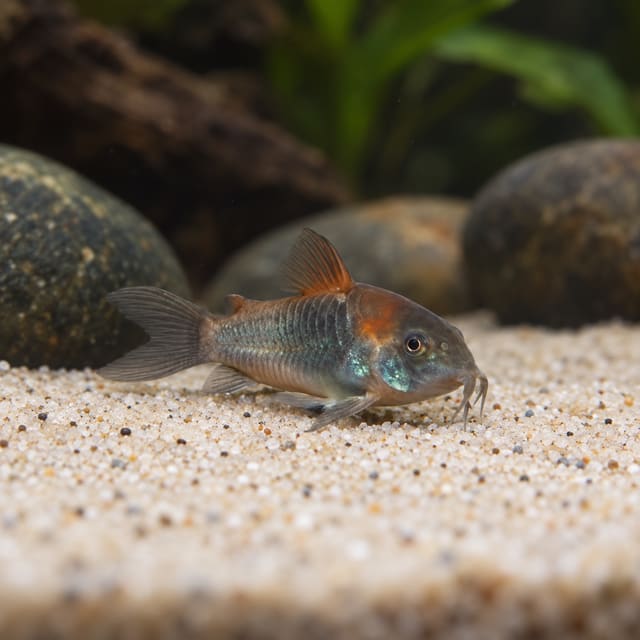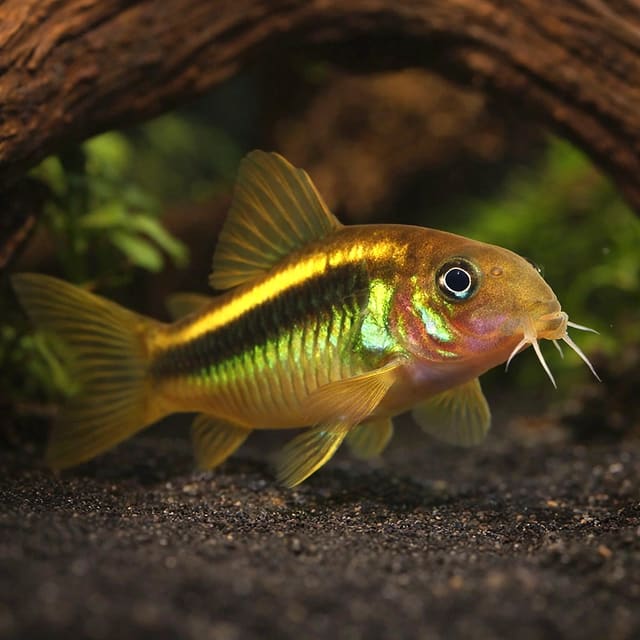
Gold Laser Cory (Osteogaster sp.) — CW010
22–27°C · pH 6–8
£24.99

A tiny, peaceful bottom-dwelling catfish that adds constant activity and charm to well-kept community aquariums. Easy care, peaceful. 22-26C, pH 6.0-8.0.
Adult size is the maximum length this species reaches at full maturity (scientific sources). The livestock you receive will be younger and smaller — pick a size above for the actual shipping size. Product-photo provenance and any image-specific limitations are stated on the listing.
Corydoras schwartzi
Shoaling fish: kept in a group they feel safer, stay calmer and show their best colour.
Confirm your email, then we’ll send an availability message for this exact item if it returns within 180 days.
This request is only for this product—no newsletter or other promotions. A mail-provider retry may very rarely duplicate the same availability message. Unconfirmed addresses are removed after 48 hours. See our privacy policy.
A tiny, peaceful bottom-dwelling catfish that adds constant activity and charm to well-kept community aquariums. Easy care, peaceful. 22-26C, pH 6.0-8.0.
Adult size is the maximum length this species reaches at full maturity (scientific sources). The livestock you receive will be younger and smaller — pick a size above for the actual shipping size. Product-photo provenance and any image-specific limitations are stated on the listing.
Identify the exact cory catfish before choosing care. Our starting policy for many common medium species is six compatible conspecifics, a mature 60 x 30 cm aquarium of about 60 litres, smooth fine sand and measured species-appropriate water.
Maintain these water conditions for optimal health and vibrant colors
The Schwartz's catfish, scientifically known as Corydoras schwartzi, represents an ideal choice for aquarists seeking small tropical aquarium fish that combine manageable size with constant activity. This delightful species originates from the Purus River basin in Brazil, where it forms shoals across sandy substrates in slow-flowing waters. At 3-4cm in the currently available size, these peaceful bottom dwellers already display the charming behaviours that make Corydoras species universally popular amongst UK fishkeepers. Available for sale UK through specialist suppliers, Schwartz's catfish thrives in community aquariums from just 60 litres, making it accessible to aquarists with modest space. The easy care level combined with the species' social nature and beneficial scavenging behaviours makes this an excellent choice for both beginners establishing their first community and experienced keepers seeking reliable, attractive bottom dwellers.
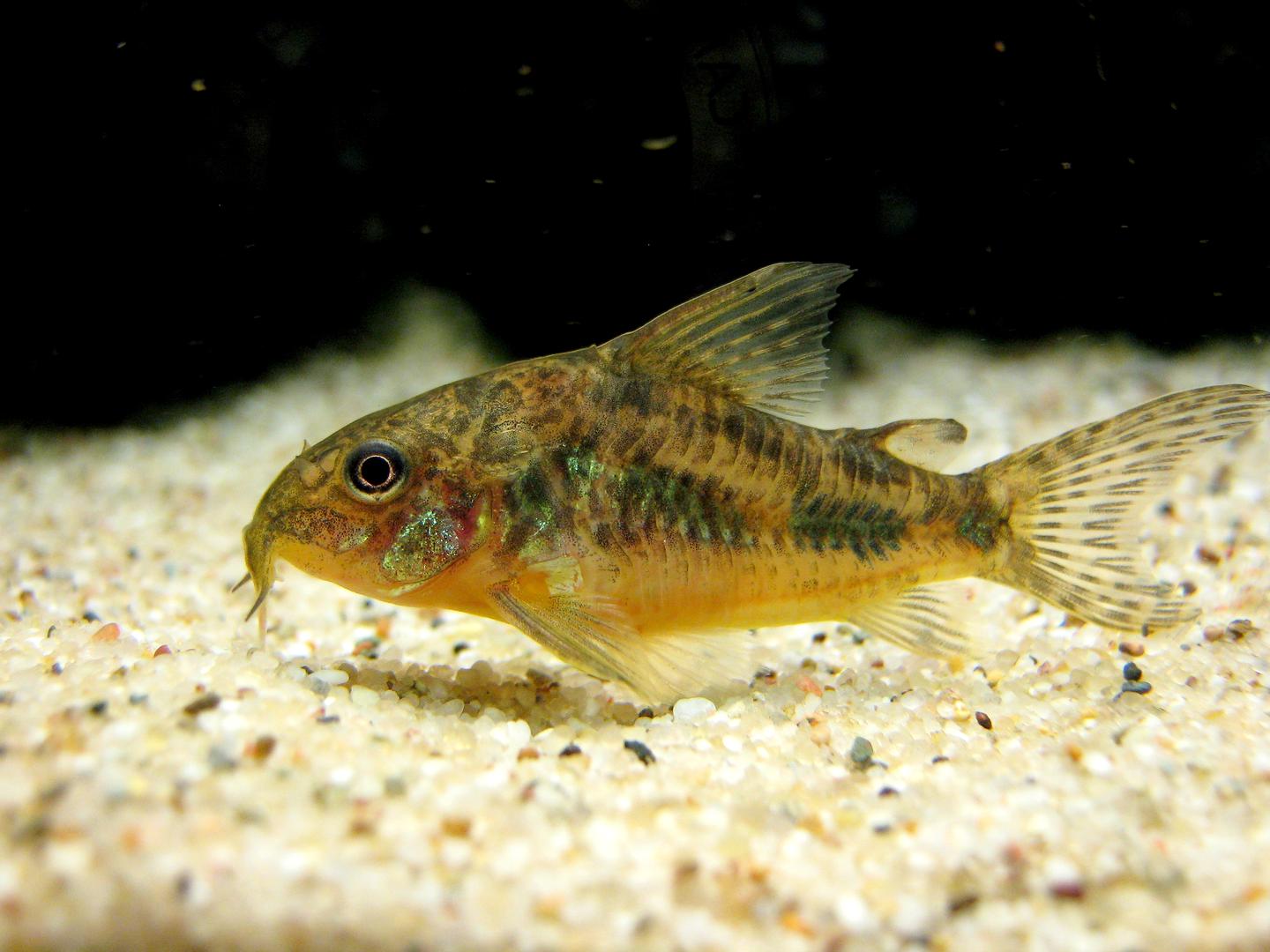
Corydoras schwartzi displays subtle yet attractive patterning that distinguishes it from the numerous other Corydoras species. The body exhibits pale cream to silver-grey base colouration overlaid with darker markings that typically include a horizontal stripe running from the snout through the eye towards the tail, alongside variable spotting or reticulated patterns across the flanks. At the compact 3.9cm adult size, this species remains one of the smaller Corydoras, making it particularly suitable for modest aquarium volumes. The characteristic armoured plates covering the body provide protection whilst the distinctive barbels framing the downturned mouth serve as sensitive organs for locating food particles within the substrate. The rounded body shape and short fins create an endearing appearance, whilst the large eyes convey the alertness typical of these social catfish. Sexual dimorphism becomes apparent in mature specimens, with females developing noticeably rounder, fuller bodies compared to the more streamlined males.
Corydoras schwartzi inhabits the Purus River basin within Brazil's vast Amazon drainage system. Natural environments comprise slow to moderately flowing waters over fine sand or silt substrates, often amongst submerged vegetation, leaf litter, and driftwood. These habitats feature warm temperatures year-round with slightly acidic to neutral water chemistry typical of many Amazonian tributaries. Seasonal flooding creates dynamic conditions, with water levels rising dramatically during wet seasons before receding to expose different shoreline areas. The species forms shoals that patrol sandy areas searching for food particles, insect larvae, and organic matter. Dense marginal vegetation provides shelter whilst riparian forest creates dappled lighting conditions. Understanding these natural conditions helps replicate appropriate aquarium environments supporting the species' social behaviours, natural foraging patterns, and long-term health in community settings.
A minimum 60-litre aquarium provides appropriate space for maintaining a shoal of Corydoras schwartzi alongside compatible community fish. The substrate choice proves critical — fine sand represents the ideal option, allowing natural foraging behaviours without risk of barbel damage that occurs with sharp gravel. Very smooth, small-grade gravel provides an acceptable alternative if sand proves impractical, though sand remains strongly preferred. The aquascape should include driftwood branches, smooth rocks, and robust plants such as Amazon Swords, Anubias, and Java Fern positioned to create open sandy areas for foraging alongside planted zones offering shelter. Avoid sharp décor edges that might injure these bottom dwellers. Moderate filtration maintains water quality without creating excessive current that might stress these fish adapted to slower-flowing waters. Subdued lighting suits Corydoras preferences, achieved through floating plants or carefully positioned hardscape. Ensure excellent oxygenation through adequate surface agitation, as Corydoras supplement gill respiration by gulping air at the surface.
Maintaining appropriate water conditions for Corydoras schwartzi requires consistent attention to fundamental parameters. Temperature should remain between 22-26°C, providing comfortable warmth without excessive heat. The species demonstrates remarkable pH tolerance spanning 6.0-8.0, accommodating both soft acidic conditions replicating natural Amazonian waters and harder alkaline UK tap water following proper acclimatisation. This adaptability makes Schwartz's catfish suitable for diverse community setups. Weekly water changes of 25-30% prevent accumulation of metabolic wastes whilst replenishing beneficial minerals. Efficient biological filtration maintains undetectable ammonia and nitrite levels whilst keeping nitrates below 30ppm. Water hardness proves less critical than stability, with the species adapting to soft through moderately hard conditions. Corydoras demonstrate sensitivity to poor water quality and dissolved metabolites, making regular maintenance essential. The easy care rating reflects the species' tolerance for reasonable parameter variations rather than immunity to neglect — consistent husbandry remains important for long-term health.
Maintain Corydoras schwartzi in groups of at least six individuals — solitary specimens or pairs exhibit subdued colouration, reduced activity, and stressed behaviours, whilst proper shoals display confident foraging, natural social interactions, and more intense colouration that makes these charming catfish truly shine.
Corydoras schwartzi demonstrates omnivorous feeding preferences, consuming a varied diet of sinking foods and benthic invertebrates. Quality sinking Corydoras pellets or wafers formulated for bottom feeders provide dietary foundation, whilst supplementary frozen or live foods including bloodworms, daphnia, brine shrimp, and other small invertebrates support optimal conditioning and colouration. Feed during evening hours when Corydoras become most active, distributing food across open sandy areas where the shoal can forage naturally. The species' scavenging behaviour makes it valuable for consuming uneaten food that falls to the substrate, though dedicated feeding remains essential — Corydoras should never be expected to survive solely on leftovers from other fish. Vary the diet regularly to provide balanced nutrition and prevent dietary deficiencies. Small, frequent feedings prove superior to occasional large portions, allowing all shoal members adequate feeding opportunities without overwhelming water quality. Monitor feeding carefully to ensure bottom dwellers receive sufficient nutrition despite competition from more assertive midwater fish.
Schwartz's catfish exhibits pronounced social behaviour, thriving only when maintained in groups of six or more individuals. Within appropriately sized shoals, these catfish display constant activity throughout the day, patrolling sandy substrates in loose aggregations whilst foraging for food particles. The species demonstrates peaceful temperament towards all tankmates, making it ideal for community aquariums. Social interactions include following behaviours where individuals trail behind shoal mates, coordinated resting periods where groups settle together on the substrate, and occasional bursts of rapid swimming when startled or excited. Corydoras regularly ascend to the surface to gulp air, supplementing dissolved oxygen obtained through gill respiration — this natural behaviour should not be mistaken for distress. The species' diurnal activity patterns mean regular observation opportunities throughout daylight hours, allowing appreciation of their endearing barbel-twitching foraging behaviours and charming social dynamics that make Corydoras amongst the most engaging bottom dwellers available.
Corydoras schwartzi coexists harmoniously with virtually all peaceful community fish sharing similar water parameter requirements. Suitable companions include small tetras, rasboras, livebearers, peaceful barbs, dwarf cichlids, gouramis, and other Corydoras species. The peaceful temperament and bottom-dwelling habits mean this species occupies different ecological niches from most community fish, reducing competition and conflict. Avoid large predatory fish capable of consuming Corydoras, aggressive cichlids that might harass bottom dwellers, and persistent fin-nippers. Very boisterous tankmates that create constant disturbance or outcompete Corydoras during feeding prove problematic. Invertebrates including snails and larger shrimp generally coexist peacefully, though very small shrimp fry may be consumed opportunistically. The species' adaptable nature regarding water parameters allows successful combination with diverse community fish provided temperature and basic chemistry requirements overlap adequately.
Breeding Corydoras schwartzi in home aquaria proves achievable with appropriate environmental manipulation and conditioning. Successful spawning typically follows the classic Corydoras pattern, triggered by excellent water quality, protein-rich conditioning foods, and cooler water changes simulating seasonal rainfall. Prepare breeding groups by feeding substantial frozen foods including bloodworms and brine shrimp for 2-3 weeks, conditioning adults to optimal fitness. Execute a substantial cool water change (3-4°C cooler than tank temperature) using soft, clean water, often triggering spawning behaviour within 24-48 hours. Females carrying eggs adopt the characteristic "T-position" with males, collecting milt before depositing adhesive eggs on aquarium glass, plant leaves, or décor. Remove adults following spawning as Corydoras readily consume their own eggs. Eggs hatch in 3-5 days depending on temperature, with tiny fry requiring microscopic foods initially before transitioning to newly hatched brine shrimp. Successful breeding requires dedication to water quality and fry feeding, though Schwartz's catfish breeds more readily than many aquarium species.
Tropical Fish Co specialises in healthy, well-conditioned Corydoras species including charming varieties like Schwartz's catfish. Our specimens arrive after thorough quarantine in soft-substrate systems, ensuring active, robustly feeding individuals free from parasites and stress-related conditions. We provide comprehensive guidance on group sizes, substrate selection, and tank mates essential for success with social catfish. Expert staff help customers understand the importance of shoal keeping and appropriate feeding strategies before purchase, preventing common issues arising from inadequate group sizes or poor nutrition. We maintain ethical sourcing practices and work with reputable suppliers who understand proper handling of delicate bottom dwellers. Specialist livestock transport uses insulated packaging with oxygen-rich water and careful temperature management, ensuring your Corydoras arrive safely regardless of UK location. Choose Tropical Fish Co for genuine expertise in South American community fish, healthy livestock maintained in optimal conditions, and ongoing support from aquarists passionate about creating thriving community aquariums featuring delightful bottom dwellers like Corydoras schwartzi.
No reviews for this item yet. Bought one? Honest reviews only, good or bad.
What customers say about ordering from us
I have a small group of long finned mountain minnows. So was delighted to be able to order ten of this variety to increase the genetics in my tank . The ones I recieved are healthy but it’s to early to give a verdict on wether they are of a long finned type since they are small currently.
Gordon Walker · 23 Sept 2026
100% success travel and "installation". Pleased with quality of purchase. The Siamese fighter a bit "shy" so have not yet seen him at his best yet but looking good. Happy customer. GG
George E Garratt · 21 Sept 2026
Reviews of our shop, collected by Judge.me, an independent third-party review collector. Newest first.