

Easy
Microrasbora kubotai - Tropical Fish for Sale UK
22–26°C · pH 6–7.5 · 30L
£4.99

A peaceful, attractive bottom-dwelling catfish with a striking reticulated pattern that thrives in social community aquariums. Easy care, peaceful. 22-28C, pH 6.0-8.0.
Adult size is the maximum length this species reaches at full maturity (scientific sources). The fish you receive will be younger and smaller — pick a size variant above for the actual shipping size. Photos are AI-enhanced, so the live fish may show subtle colour or marking differences.
Corydoras reticulatus
Not home? Message us and we'll delay delivery.
A peaceful, attractive bottom-dwelling catfish with a striking reticulated pattern that thrives in social community aquariums. Easy care, peaceful. 22-28C, pH 6.0-8.0.
Adult size is the maximum length this species reaches at full maturity (scientific sources). The fish you receive will be younger and smaller — pick a size variant above for the actual shipping size. Photos are AI-enhanced, so the live fish may show subtle colour or marking differences.
Maintain these water conditions for optimal health and vibrant colors
Corydoras reticulatus, known as the Reticulated Corydoras or Network Corydoras, is a peaceful attractive bottom-dwelling catfish that brings striking patterning and constant activity to community aquariums. Available for sale UK through Tropical Fish Co, this Brazilian species reaches 3.5cm and displays distinctive reticulated (net-like) markings across its armoured body. The easy care requirements, peaceful temperament, and social nature make it an ideal choice for aquarists seeking engaging bottom dwellers that thrive in well-maintained community setups. The species' adaptability to varying water conditions offers flexibility whilst maintaining the characteristic busy foraging behaviour that makes Corydoras so endearing.
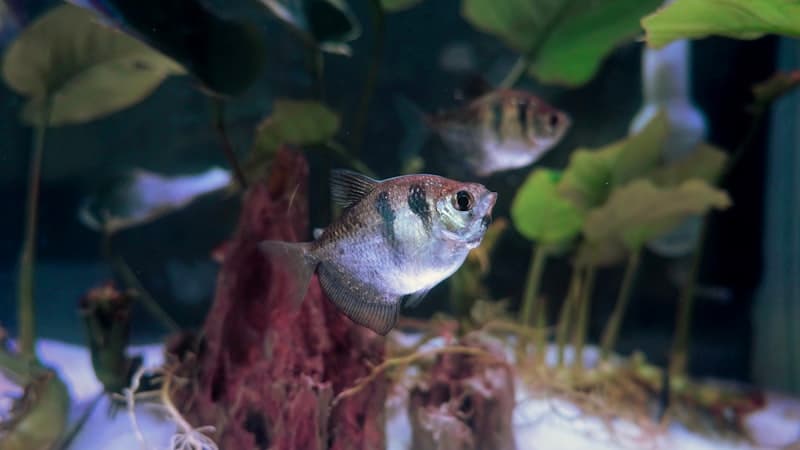
The Reticulated Corydoras displays stocky classic Corydoras morphology with armoured body covered in overlapping bony plates (scutes) and rounded snout featuring well-developed barbels. The species' most distinctive feature is the striking reticulated or network pattern—intricate lines creating net-like or mosaic appearance across the body and finnage. This patterning consists of dark lines or spots forming interconnected geometric patterns against a lighter base colour, typically cream, tan, or light grey. The pattern intensity varies between individuals, with some showing bold contrast whilst others display more subtle markings. The ventral surface is lighter, and two rows of protective scutes line each flank. Pectoral and dorsal fins possess characteristic locking spines, whilst the prominent adipose fin distinguishes the Callichthyidae family.
Corydoras reticulatus inhabits the lower Amazon River basin in Brazil, occupying slow to moderate-flowing rivers, streams, and associated floodplain habitats. These freshwater environments feature soft, slightly acidic water with substrates of fine sand or silt accumulated with leaf litter and organic debris. Overhanging rainforest vegetation creates dappled lighting conditions and contributes botanical material supporting rich biofilm and invertebrate communities. Seasonal floods bring dramatic increases in water volume and access to nutrient-rich inundated forest areas, whilst dry seasons concentrate fish in permanent channels and deeper pools. The benthic environment provides abundant micro-invertebrates, insect larvae, and detritus that constitute the primary diet for these bottom-feeding catfish.
A minimum 40-litre aquarium provides adequate space for a small group of Reticulated Corydoras. Use exclusively soft sand substrate—never gravel or sharp substrate that damages the delicate barbels essential for feeding. Furnish with smooth driftwood, rounded stones, and live plants creating naturalistic Amazon biotope whilst ensuring open sand areas remain for foraging behaviour. Gentle filtration providing moderate flow suits their preference for calmer waters. Moderate lighting with floating plants creates security whilst allowing observation of their attractive patterning. Good oxygenation through gentle surface agitation supports their active metabolism—watch for their characteristic surface gulping where they dash upward to breathe atmospheric air, a supplementary respiratory mechanism allowing survival in oxygen-poor environments.
Maintain stable temperatures between 22-28°C—this species tolerates a relatively broad temperature range offering flexibility. Water should be soft to moderately hard with pH 6.0-8.0 (notably adaptable, tolerating more alkaline conditions than many Amazonian species). This adaptability makes the Reticulated Corydoras suitable for various community setups. However, like all Corydoras, it remains sensitive to declining water quality and accumulated metabolites. Ammonia and nitrite must remain at zero, whilst nitrates should be kept below 20ppm through regular 25-30% weekly water changes. Good oxygenation supports their active lifestyle. Despite broad parameter tolerance, consistency remains important—avoid drastic fluctuations that trigger stress responses.
Corydoras reticulatus is an omnivorous bottom feeder that naturally consumes micro-invertebrates, insect larvae, and organic detritus sifted from substrate. In captivity, provide varied sinking diet: quality Corydoras pellets or wafers daily, supplemented regularly with frozen or live foods such as bloodworms, daphnia, brine shrimp, and finely chopped meaty foods. Feed twice daily in moderate amounts, ensuring food reaches the substrate. Despite their scavenging reputation, these catfish require proper dedicated feeding—they cannot survive solely on leftover food and will gradually decline if not fed appropriately. Their easy-going nature means they typically compete well at feeding time, though avoid housing with aggressive feeders that monopolize food.
Unlike nocturnal catfish, Reticulated Corydoras are diurnal and display constant activity throughout daylight hours, busily sifting substrate in tireless search for food particles. They are highly social fish forming cohesive groups—maintain them in groups of 6+ individuals where synchronized foraging becomes most apparent and natural behaviours are fully expressed. Watch for their characteristic bottom-sifting as they process mouthfuls of sand, extracting edible particles and expelling cleaned sand through their gills. Periodic surface dashes to gulp atmospheric air are normal, utilizing modified intestinal respiration. Occasional bursts of energetic swimming (the "cory dance") indicate healthy, settled fish engaging in normal social or spawning-related behaviours.
This peaceful Corydoras thrives alongside small, non-aggressive community fish occupying mid to upper water levels. Excellent companions include small tetras, rasboras, danios, livebearers, and other peaceful bottom dwellers. The species' broad parameter tolerance means it can coexist with fish requiring slightly different water chemistry, making it versatile for various community combinations. Avoid large aggressive fish, predatory species, notorious fin-nippers, and very boisterous bottom dwellers that might intimidate or injure the Corydoras. The easy temperament and adaptability make this species one of the most accommodating Corydoras for community aquariums.
Breeding Corydoras reticulatus follows typical genus spawning behaviour and represents a good starter species for aquarists interested in Corydoras breeding. Condition groups with abundant high-quality frozen and live foods until females visibly swell. Trigger spawning through substantial cool water changes (drop 2-3°C) combined with increased oxygenation, simulating rainy season conditions. The classic T-position mating sees males clustering around females, with eggs being fertilized then carried in the female's ventral fin cup before being attached as adhesive eggs on aquarium glass, plant leaves, or décor. Eggs hatch within 3-5 days. Remove adults to prevent predation, or transfer eggs to separate rearing tank. Fry initially require microscopic foods before accepting newly hatched brine shrimp as they develop.
Tropical Fish Co supplies healthy, quarantined Corydoras reticulatus that have been carefully acclimated to UK water conditions and are feeding actively on prepared foods. Each specimen is hand-selected for vibrant reticulated patterning, excellent body condition, and intact barbels—critical for long-term health. Our experienced team understands Corydoras social requirements and can advise on appropriate group sizes and compatible tankmates for your community setup. With specialist packaging designed for small delicate species and next-day UK delivery, your new Reticulated Corydoras arrive safely in peak condition. We're committed to sustainable sourcing and work only with responsible suppliers who prioritize fish welfare and ethical collection practices.
Dispatched Tue or Wed, delivered Wed or Thu — every order tracked and insured.
22–26°C · pH 6–7.5 · 30L

24–28°C · pH 7.5–8.5 · 150L


24–28°C · pH 7.5–8.5 · 200L

18–25°C · pH 6–8 · 100L


24–27°C · pH 7.5–8.8 · 150L

22–26°C · pH 6–7.5 · 60L

24–28°C · pH 5.5–7 · 60L

18–28°C · pH 6.5–8 · 20L

24–28°C · pH 7.5–8.5 · 40L

24–28°C · pH 7.5–8.5 · 400L

22–26°C · pH 6–7.5 · 150L

22–28°C · pH 7–8.5 · 10L

23–27°C · pH 5.5–7.5 · 80L

24–27°C · pH 7.5–9 · 250L