Nyasa Blue Cichlid, Zebra M (Pseudotropheus zebra)
23–27°C · pH 8–8.6 · 205L
£5.99

A striking, hardy Lake Malawi mbuna with vivid cobalt coloration and a bold personality. Moderate care, aggressive. 24-26C, pH 7.5-8.5.
Adult size is the maximum length this species reaches at full maturity (scientific sources). The livestock you receive will be younger and smaller. Product-photo provenance and any image-specific limitations are stated on the listing.
Pseudotropheus sp. red top cobalt
Shoaling fish: kept in a group they feel safer, stay calmer and show their best colour.
Confirm your email, then we’ll send an availability message for this exact item if it returns within 180 days.
This request is only for this product—no newsletter or other promotions. A mail-provider retry may very rarely duplicate the same availability message. Unconfirmed addresses are removed after 48 hours. See our privacy policy.
A striking, hardy Lake Malawi mbuna with vivid cobalt coloration and a bold personality. Moderate care, aggressive. 24-26C, pH 7.5-8.5.
Adult size is the maximum length this species reaches at full maturity (scientific sources). The livestock you receive will be younger and smaller. Product-photo provenance and any image-specific limitations are stated on the listing.
Cichlids are a family of roughly 1,800 accepted species, not one care type. Before buying, identify the exact species and source, then compare adult measurement, usable tank dimensions, social system, territory, tested water, diet and an exit plan. No family-wide minimum tank, water range or tank-mate list is safe.
Maintain these water conditions for optimal health and vibrant colors
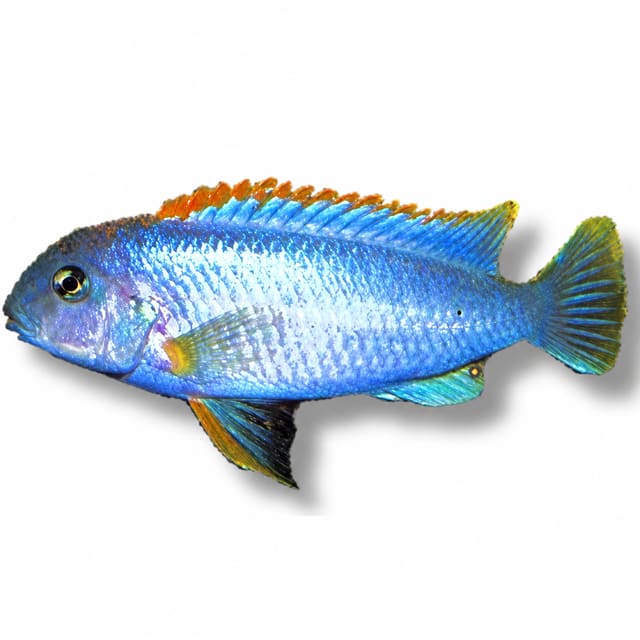
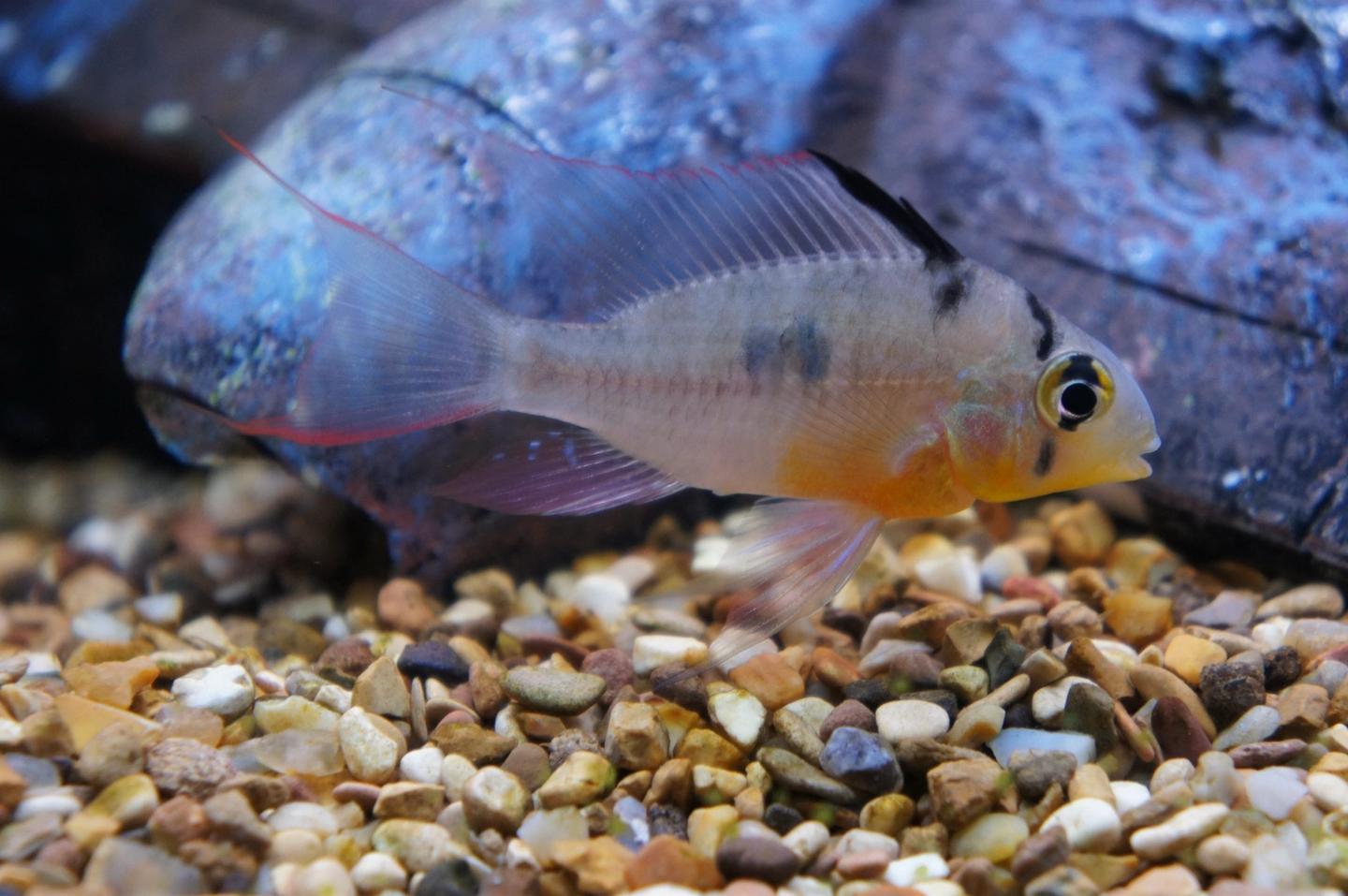
The Red Top Cobalt (Pseudotropheus sp. red top cobalt) is a striking, hardy Lake Malawi mbuna with vivid cobalt coloration and a bold personality. Originating from the rocky shorelines of Lake Malawi in East Africa, this medium-sized mbuna reaches around 10 cm in adult length and displays the characteristic aggressive territoriality and vibrant coloration of Lake Malawi cichlids. Now available for sale UK from Tropical Fish Co, this species brings dynamic energy and stunning visual appeal to dedicated mbuna aquariums.
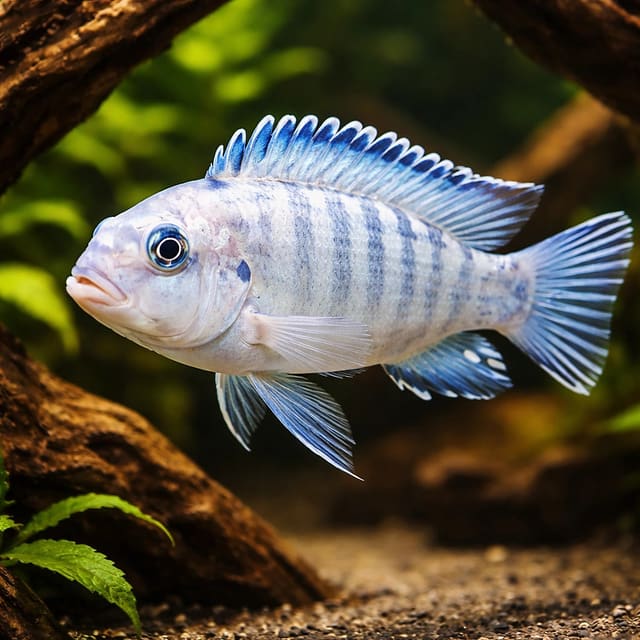
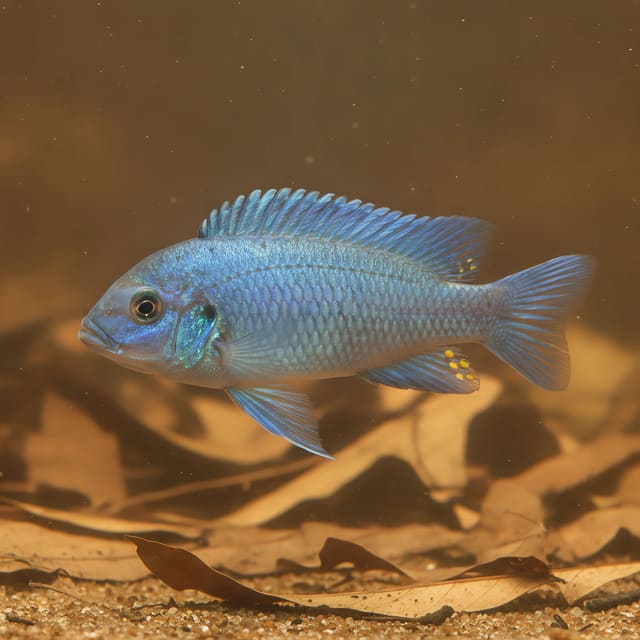
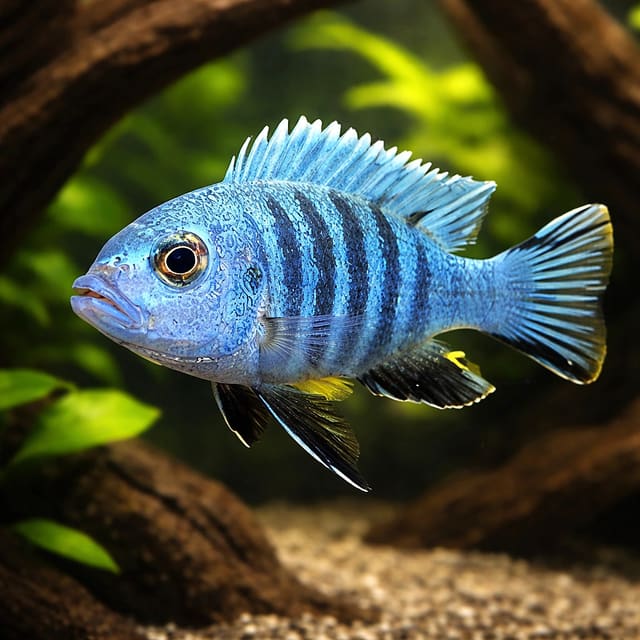
Adult males of Pseudotropheus sp. red top cobalt display stunning electric blue body coloration with a distinctive red or orange cap on the dorsal area, creating a striking two-tone effect. Females and juveniles are typically less vividly colored, often displaying muted blue or grey tones with less pronounced red coloration. Dominant males intensify their colors dramatically when displaying to females or defending territories. The robust, laterally compressed body and upturned mouth are characteristic of mbuna cichlids adapted for grazing algae from rocky surfaces. Juveniles are typically pale or grey-brown, developing adult coloration as they mature and establish social hierarchies.
Lake Malawi is one of the African Great Lakes, renowned for its clear, warm, highly alkaline water and exceptional cichlid diversity. Pseudotropheus sp. red top cobalt inhabits the rocky littoral zones known as the "mbuna" habitat, where it feeds on algae and microorganisms growing on submerged boulders. The lake's stable chemistry—hard, alkaline, well-oxygenated water with minimal seasonal variation—has driven the evolution of hundreds of specialized cichlid species. Replicating these conditions is essential for the health and vibrant coloration of this species in captivity.
A minimum tank size of 250 litres is recommended to house a small colony of Red Top Cobalt alongside other mbuna species. The aquascape should feature extensive rockwork arranged to create numerous caves, crevices, and line-of-sight breaks, mimicking the natural rocky habitat of Lake Malawi. Use a sandy substrate to allow natural digging behavior and to prevent injury to the fish. Avoid plants, as mbuna are notorious for uprooting and eating vegetation. Strong filtration (aim for 8-10x tank volume per hour) and regular water changes (30-40% weekly) are essential to maintain pristine conditions and stable alkaline pH. Ensure the tank is well-covered, as mbuna can be capable jumpers when startled.
The Red Top Cobalt is primarily herbivorous, adapted to graze algae and aufwuchs (biofilm containing algae, diatoms, and microorganisms) from rocks. In captivity, provide a diet based on high-quality spirulina or algae-based cichlid pellets or flakes. Supplement with blanched vegetables such as zucchini, spinach, or peas, and offer occasional protein-rich foods (bloodworms, brine shrimp) in very small amounts and in moderation to avoid digestive issues. Overfeeding protein can lead to bloat—a potentially fatal condition in herbivorous mbuna. Feed small portions two to three times daily, and allow algae to grow naturally on rocks and glass to encourage grazing behavior.
This species is classified as aggressive, with males highly territorial and intolerant of rivals. In the confines of an aquarium, dominant males establish and defend rocky territories, often chasing subordinate males and harassing females not ready to spawn. The typical mbuna setup involves overstocking (within safe filtration limits) to disperse aggression across many individuals, reducing the risk of any single fish being bullied excessively. Females and subdominant males form loose hierarchies and are generally more tolerant of one another. Observing the dynamic social interactions and vivid displays of the Red Top Cobalt is one of the great rewards of keeping mbuna, but requires careful planning and management.
Top Tip: Use the mbuna "crowding" technique to reduce aggression: moderately overstock the tank (within safe filtration limits) with multiple species of similar size and temperament. This disperses territorial disputes and prevents dominant males from fixating on a single target. Always prioritize excellent filtration and water quality when using this strategy.
Ideal tankmates for the Red Top Cobalt include other Lake Malawi mbuna of similar size and temperament, such as Labidochromis caeruleus, Melanochromis species, and Cynotilapia species. Robust African cichlids with comparable water requirements can also work. Synodontis catfish make good bottom-dwelling companions. Avoid housing with peaceful community fish, small fish, shrimp and other small invertebrates, slow-moving or long-finned fish, and non-African fish with soft-water requirements. The goal is to maintain a balanced mbuna community of species with similar size, temperament, and dietary needs.
The Red Top Cobalt is a maternal mouthbrooder, with females incubating eggs and fry in their mouths for approximately 18-21 days. Breeding is triggered by stable alkaline water, warm temperatures (25-26°C), and a protein-enriched diet. Males establish territories and court females. Provide rockwork and multiple hiding places, and remove fry or use a species tank if selective breeding is desired. After spawning, the female collects the fertilized eggs in her mouth and retreats to a sheltered area, refusing food during the incubation period. Once released, fry are free-swimming and can be fed on finely crushed spirulina flake, newly hatched brine shrimp, or specialized fry powder. Separate fry to a rearing tank if you wish to maximize survival, as tankmates will readily predate on small juveniles.
Maintain exceptional water quality with powerful filtration and frequent partial water changes, as mbuna produce significant waste and are intolerant of elevated nitrates. Best kept in a hard, alkaline Malawi cichlid setup with abundant rock caves and strong filtration. Avoid overfeeding protein-heavy foods, as mbuna are prone to bloat and digestive problems. Provide a stable, well-structured environment with plenty of hiding places to minimize stress and aggression. Quarantine new arrivals to prevent disease introduction, and monitor for common cichlid ailments such as ich, fin rot, and Malawi bloat. With proper care, the Red Top Cobalt is a hardy, long-lived species that will thrive for many years.
Tropical Fish Co is the UK's trusted source for healthy, vibrant Lake Malawi cichlids and rare African species. Every Red Top Cobalt is hand-selected for health, coloration, and vitality, and shipped with expert care to ensure safe arrival. We provide comprehensive care guidance, ongoing support, and a live arrival guarantee on all orders. Our commitment to quality, ethical sourcing, and customer satisfaction makes us the preferred choice for mbuna enthusiasts across the UK. Order your Pseudotropheus sp. red top cobalt today and experience the vibrant energy of Lake Malawi in your own aquarium.
No reviews for this item yet. Bought one? Honest reviews only, good or bad.
What customers say about ordering from us
I have a small group of long finned mountain minnows. So was delighted to be able to order ten of this variety to increase the genetics in my tank . The ones I recieved are healthy but it’s to early to give a verdict on wether they are of a long finned type since they are small currently.
Gordon Walker · 23 Sept 2026
100% success travel and "installation". Pleased with quality of purchase. The Siamese fighter a bit "shy" so have not yet seen him at his best yet but looking good. Happy customer. GG
George E Garratt · 21 Sept 2026
Reviews of our shop, collected by Judge.me, an independent third-party review collector. Newest first.