Moderate
Zebra Acara (Nannacara adoketa)
22–28°C · pH 4.5–6
£48.99
A striking South American cichlid with an eye-catching pattern, moderate care needs, and rewarding pair-bond behavior. Moderate care, semi-aggressive. 24-30C, pH 5.5-7.5.
Adult size is the maximum length this species reaches at full maturity (scientific sources). The livestock you receive will be younger and smaller — pick a size above for the actual shipping size. Product-photo provenance and any image-specific limitations are stated on the listing.
Heros notatus
Save when buying multiple fish. Each quantity is one fish; sex and pair formation are not guaranteed unless the selected variant explicitly states them.
Confirm your email, then we’ll send an availability message for this exact item if it returns within 180 days.
This request is only for this product—no newsletter or other promotions. A mail-provider retry may very rarely duplicate the same availability message. Unconfirmed addresses are removed after 48 hours. See our privacy policy.
A striking South American cichlid with an eye-catching pattern, moderate care needs, and rewarding pair-bond behavior. Moderate care, semi-aggressive. 24-30C, pH 5.5-7.5.
Adult size is the maximum length this species reaches at full maturity (scientific sources). The livestock you receive will be younger and smaller — pick a size above for the actual shipping size. Product-photo provenance and any image-specific limitations are stated on the listing.
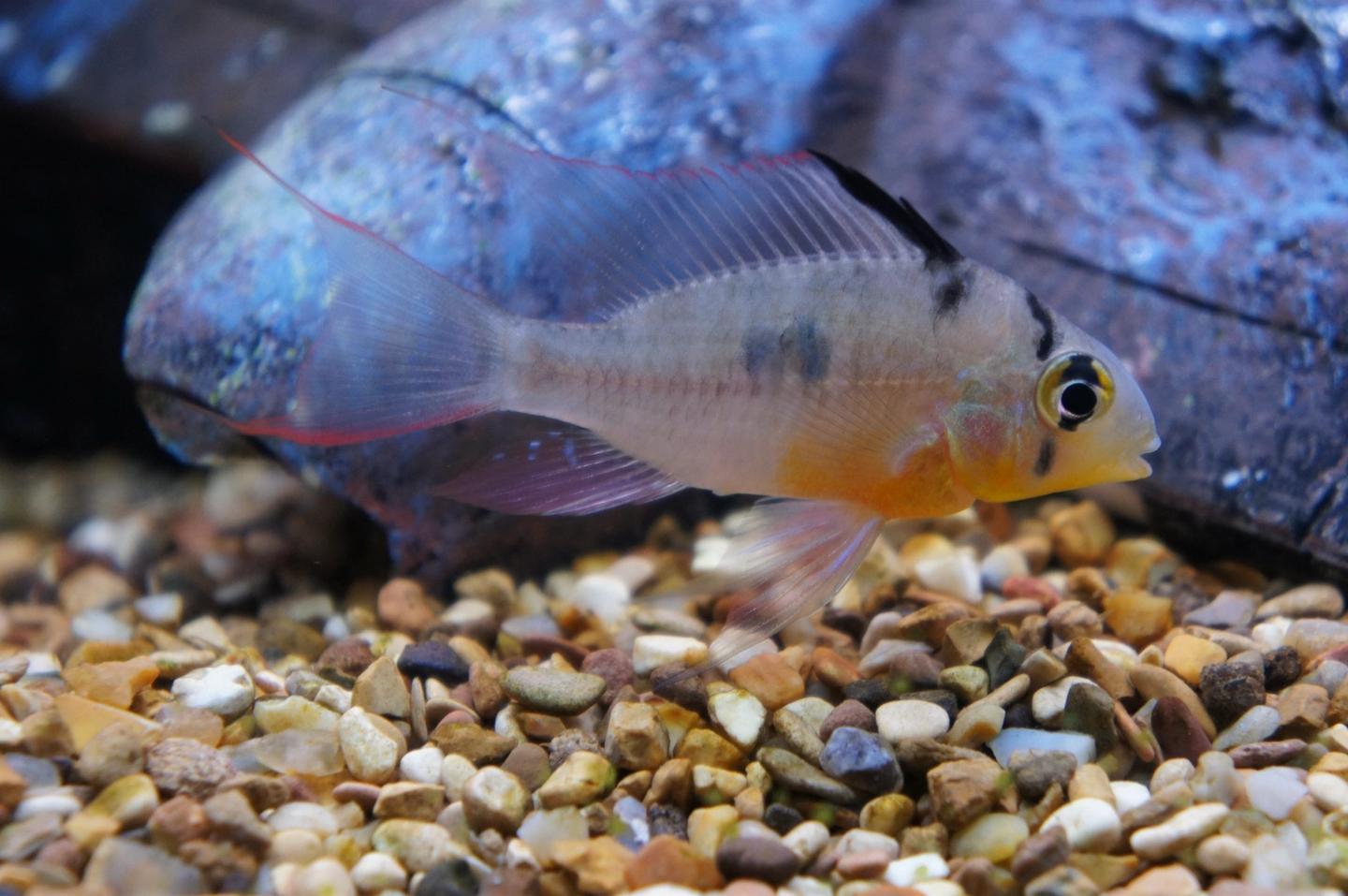
Cichlids are a family of roughly 1,800 accepted species, not one care type. Before buying, identify the exact species and source, then compare adult measurement, usable tank dimensions, social system, territory, tested water, diet and an exit plan. No family-wide minimum tank, water range or tank-mate list is safe.
Maintain these water conditions for optimal health and vibrant colors
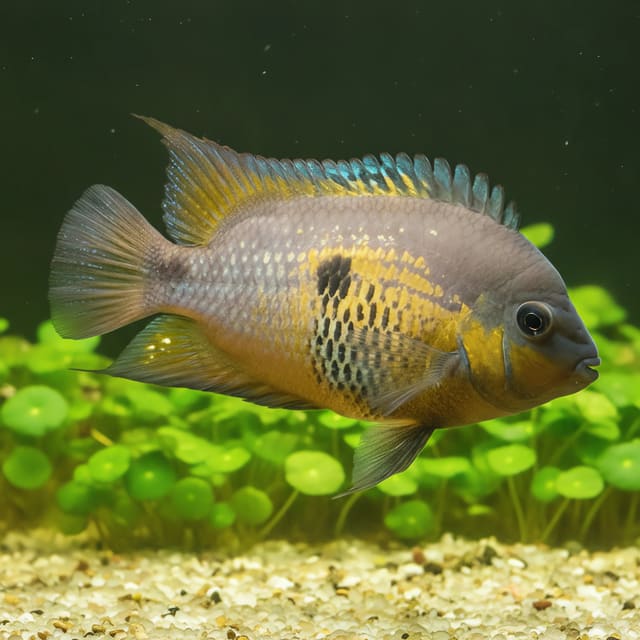
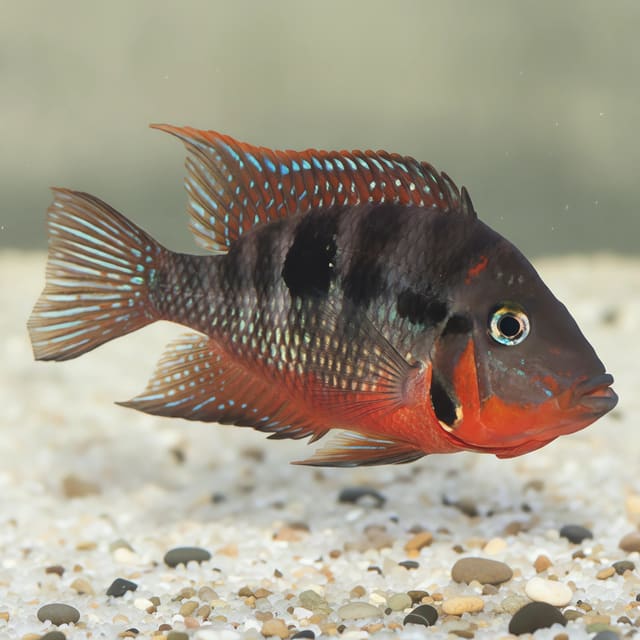
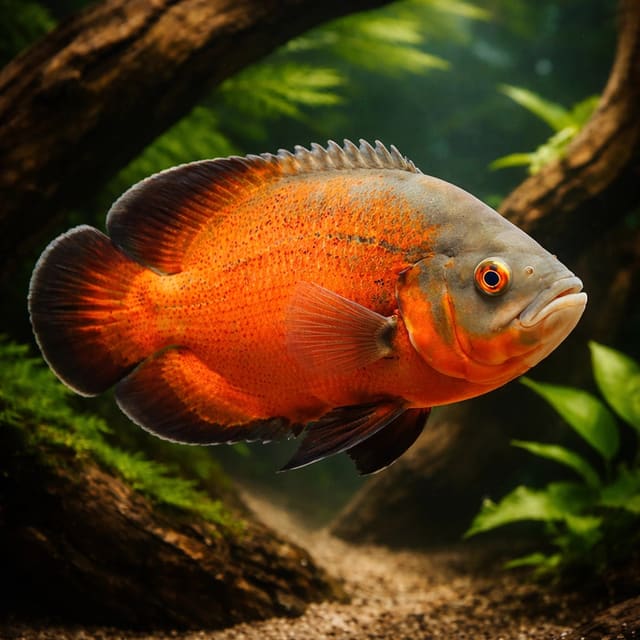
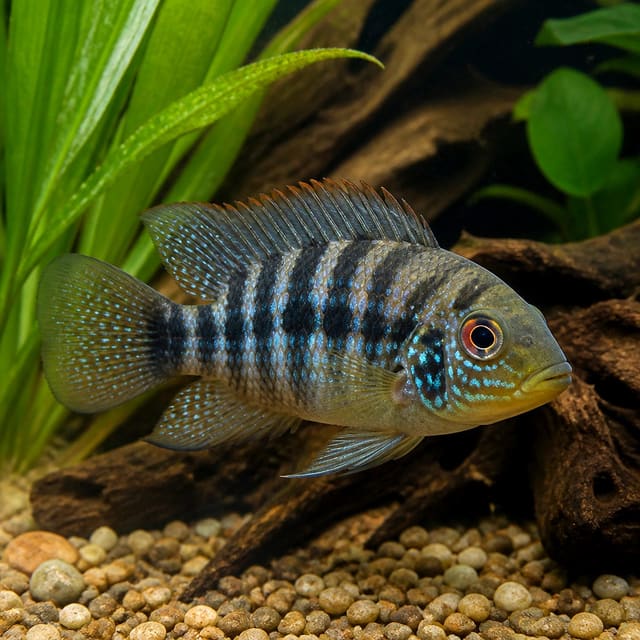
The Eye spot Cichlid (Heros notatus) is a captivating South American cichlid that brings both beauty and personality to larger freshwater aquariums. Native to the blackwater tributaries of the Rio Negro and Essequibo River basins, this striking species showcases an eye-catching pattern of spots and iridescent scales that shimmer under aquarium lighting. Growing to approximately 22cm in the home aquarium, these cichlids form endearing pair bonds and exhibit fascinating parental care behaviors. For aquarists seeking a moderately challenging cichlid with rewarding breeding potential, the Eye spot Cichlid represents an excellent choice. Available for sale UK-wide with specialist delivery, Heros notatus combines manageable care requirements with the engaging temperament that makes South American cichlids so popular among experienced hobbyists.
The Eye spot Cichlid earns its common name from the prominent ocellated spots adorning its lateral body, which serve as false eye markings to confuse predators in the wild. The body displays a robust, laterally compressed shape typical of heroini cichlids, with a high-backed profile that becomes more pronounced with age. Coloration varies from olive-brown to golden-tan, overlaid with irregular dark vertical bars and scattered iridescent blue-green spangling across the scales. The dorsal and anal fins extend into elegant points, particularly in mature males, whilst the caudal fin shows subtle orange or red highlights. During breeding periods, both sexes intensify in color, with females developing a more pronounced belly coloration. Juveniles display more subdued patterning that gradually develops into the adult's striking appearance as they mature.
In their native South American waters, Heros notatus inhabit slow-moving tributaries, flooded forest areas, and river margins where submerged root systems and fallen timber create complex structural environments. These blackwater habitats are characterised by soft, acidic water stained tea-brown by dissolved tannins from decomposing organic matter. The substrate typically consists of fine sand and leaf litter, whilst overhanging vegetation provides dappled lighting. Wild populations feed opportunistically on small invertebrates, insect larvae, plant matter, and organic detritus. During the wet season, they move into flooded areas to spawn, selecting flat surfaces or cleaned rocks within defended territories. The stable, warm water temperatures and low mineral content of their native range inform the captive care requirements for this species.
A minimum aquarium capacity of 300 litres provides adequate swimming space and territory for a pair of Eye spot Cichlids, with larger volumes strongly recommended for community setups. The substrate should be fine sand or smooth gravel to protect their delicate sensory organs when sifting. Incorporate substantial pieces of driftwood, smooth rocks, and flat stones to create visual barriers and potential spawning sites. Whilst not essential, robust plants such as Anubias, Java fern, or Echinodorus species can be added, though they may be rearranged during breeding. Subdued lighting mimics their blackwater origins and reduces stress, whilst floating plants help diffuse bright illumination. Strong mechanical and biological filtration maintains water quality, though flow should not be excessive—create gentle circulation rather than strong currents. A tight-fitting lid prevents escape during territorial displays.
As omnivores, Eye spot Cichlids thrive on a varied diet that includes both meaty and vegetable-based components. High-quality cichlid pellets or granules should form the dietary foundation, supplemented with frozen or live foods such as bloodworms, brine shrimp, mysis shrimp, and mosquito larvae. Blanched vegetables including courgette, spinach, and peas provide essential fibre and micronutrients, whilst spirulina-based foods enhance coloration. Feed adult specimens twice daily in portions they can consume within two to three minutes, adjusting quantities based on their body condition. Breeding pairs require increased protein intake, particularly live foods, to condition them for spawning. Avoid overfeeding, which compromises water quality and can lead to digestive issues. Fasting one day per week promotes digestive health and prevents obesity in this relatively sedentary species.
Eye spot Cichlids exhibit semi-aggressive temperaments that intensify during breeding periods. Outside spawning, they display relatively peaceful behavior for medium-sized cichlids, occupying specific territories but generally tolerating appropriately sized tankmates. Pairs form strong, often lifelong bonds and display coordinated territorial defense. When spawning approaches, territoriality increases substantially, with the pair defending a breeding area against all intruders. Spawning pairs exhibit fascinating biparental care, with both parents guarding eggs and subsequently herding free-swimming fry. Males display more assertive territorial behavior whilst females focus on direct offspring care. These cichlids communicate through body language including lateral displays, fin spreading, and color intensification. During non-breeding periods, they spend time foraging along the substrate and resting among decorations.
When establishing a breeding pair, introduce multiple juveniles and allow natural pairing to occur. Forced pairings of adults often result in aggression and spawning failure. Once a pair forms, they typically remain bonded for life and produce consistent spawns with proper care.
Suitable companions for Heros notatus include other medium-sized peaceful to semi-aggressive South American species that can hold their own without excessive aggression. Large-bodied tetras such as Myleus species, silver dollars, or Congo tetras work well in spacious aquariums. Peaceful armored catfish including larger Corydoras species, Brochis, and medium-sized plecos occupy different zones without conflict. Other South American cichlids of similar temperament—such as Geophagus species, peaceful Acarichthys, or Satanoperca—can coexist in sufficiently large setups. Avoid very small fish that may be viewed as prey, fin-nipping species like certain barbs or tetras, and highly aggressive cichlids that would create constant stress. During breeding, temporarily separate tankmates if aggression escalates beyond tolerable levels.
Eye spot Cichlids are substrate spawners that form devoted pair bonds and exhibit exemplary biparental care. Breeding is typically triggered by warmer water temperatures (28-30°C), frequent partial water changes with soft, slightly acidic water, and conditioning with protein-rich live foods. The pair selects a flat surface—usually a smooth rock or slate—which they meticulously clean before spawning. The female deposits 100-300 adhesive eggs whilst the male follows behind to fertilize them. Both parents fan the eggs continuously to maintain oxygen circulation and remove any fungused eggs. Eggs hatch within 48-72 hours depending on temperature, with the larvae remaining attached via adhesive glands. After approximately five to seven days, the fry become free-swimming and are shepherded by both parents. Feed newly free-swimming fry microworms, newly hatched brine shrimp, or specialized fry foods. Parents often continue guarding fry for several weeks.
Stable water conditions with soft to moderately hard, slightly acidic water replicate their natural environment and support optimal health. Provide abundant hiding places using driftwood, rock caves, and dense plant clusters to reduce territorial stress, particularly important during breeding. Can become intensely territorial when spawning, so ensure tankmates are robust enough to withstand temporary aggression or provide options to separate fish if necessary. Regular water changes of 25-30% weekly maintain water quality and remove accumulated organic waste. Monitor for common cichlid ailments including ich, fungal infections, and bacterial issues, treating promptly with appropriate medications. These cichlids may dig and rearrange substrate, particularly when establishing territories or preparing spawning sites—use smooth materials to prevent injury. Their relatively large adult size requires planning for long-term accommodation as juveniles grow.
At Tropical Fish Co, we supply healthy, quarantined Eye spot Cichlids sourced from reputable breeders and importers. Each specimen is carefully selected for vigor, excellent coloration, and good body condition before being offered for sale. Our fish undergo comprehensive health checks and observation periods to ensure they're feeding well and displaying normal behavior. We provide detailed care guidance specific to Heros notatus, including setup recommendations, compatible tankmates, and breeding tips. Our secure packaging and tracked courier delivery service ensures your fish arrive safely anywhere in the UK. We're committed to supporting your success with this rewarding species through expert advice and quality livestock. With Tropical Fish Co, you're investing in premium South American cichlids backed by genuine aquatic expertise.
No reviews for this item yet. Bought one? Honest reviews only, good or bad.
What customers say about ordering from us
Easy website plenty of info on fish your buying great to pick a time slot
TRACEY DURRANT · 7 Oct 2026
Got some lovely fish thank you
Kevin Mackie · 7 Oct 2026
Reviews of our shop, collected by Judge.me, an independent third-party review collector. Newest first.