−11%
Advanced
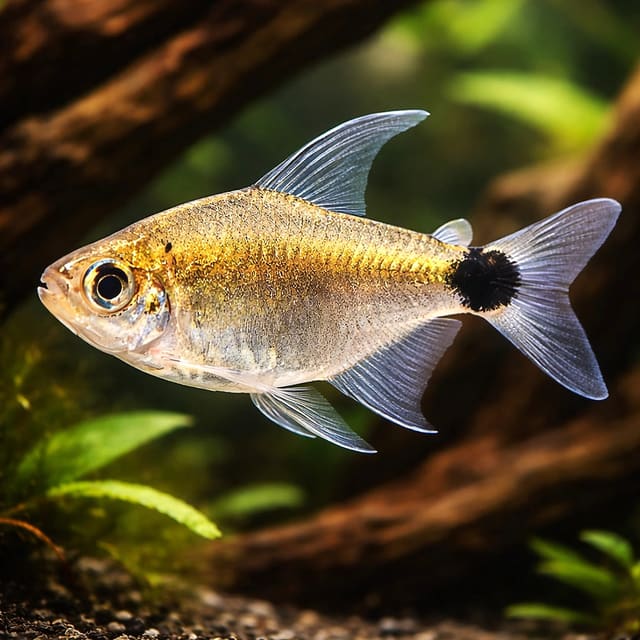
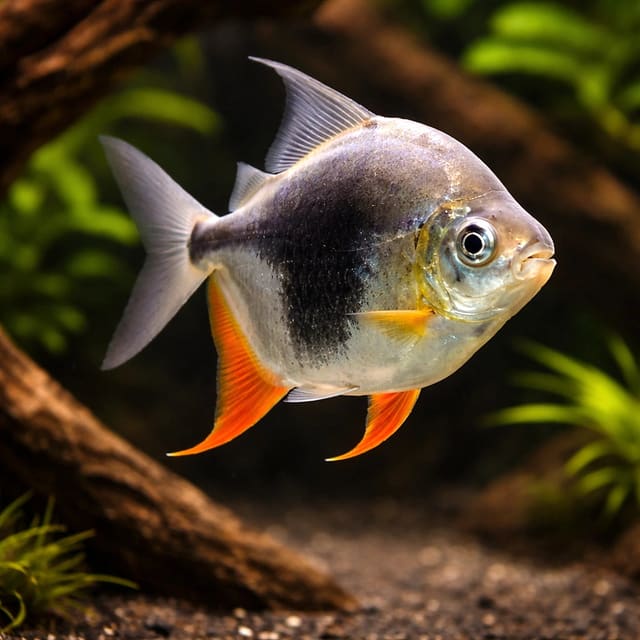
Blackberry Silver Dollar (Myleus sp. "Lamax III")
24–28°C · pH 6–7.5 · 500L
£140.61£157.99

A hardy, active South American tetra with bright red fins and a lively shoaling display. Easy care, peaceful. 20-28C, pH 6.0-7.5.
Adult size is the maximum length this species reaches at full maturity (scientific sources). The livestock you receive will be younger and smaller — pick a size above for the actual shipping size. Product-photo provenance and any image-specific limitations are stated on the listing.
Aphyocharax anisitsi
Shoaling fish: kept in a group they feel safer, stay calmer and show their best colour.
Confirm your email, then we’ll send an availability message for this exact item if it returns within 180 days.
This request is only for this product—no newsletter or other promotions. A mail-provider retry may very rarely duplicate the same availability message. Unconfirmed addresses are removed after 48 hours. See our privacy policy.
A hardy, active South American tetra with bright red fins and a lively shoaling display. Easy care, peaceful. 20-28C, pH 6.0-7.5.
Adult size is the maximum length this species reaches at full maturity (scientific sources). The livestock you receive will be younger and smaller — pick a size above for the actual shipping size. Product-photo provenance and any image-specific limitations are stated on the listing.
Maintain these water conditions for optimal health and vibrant colors
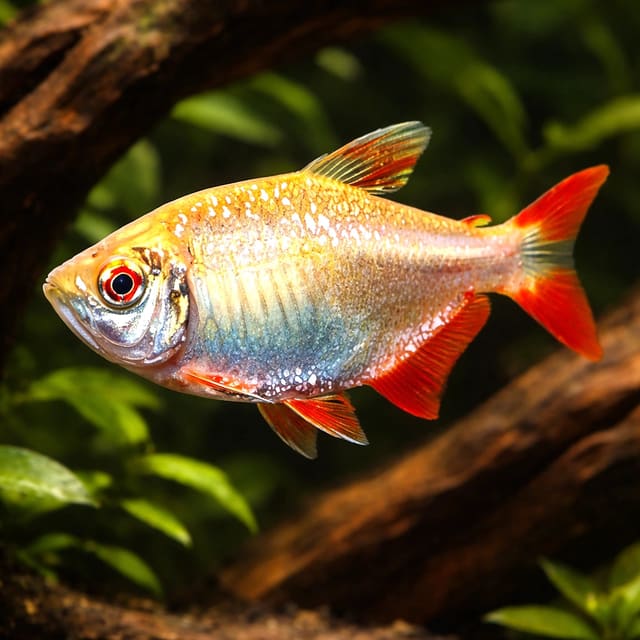
The False Bloodfin (Aphyocharax anisitsi) is a hardy, active South American tetra celebrated for its bright red fins and peaceful shoaling behavior. Native to the Paraná–Paraguay river basin, this resilient species adapts well to a variety of water conditions and is an excellent choice for planted community aquariums. Available for sale UK-wide, the False Bloodfin brings vibrant color and lively movement to any tropical setup, making it ideal for both beginners and experienced aquarists.
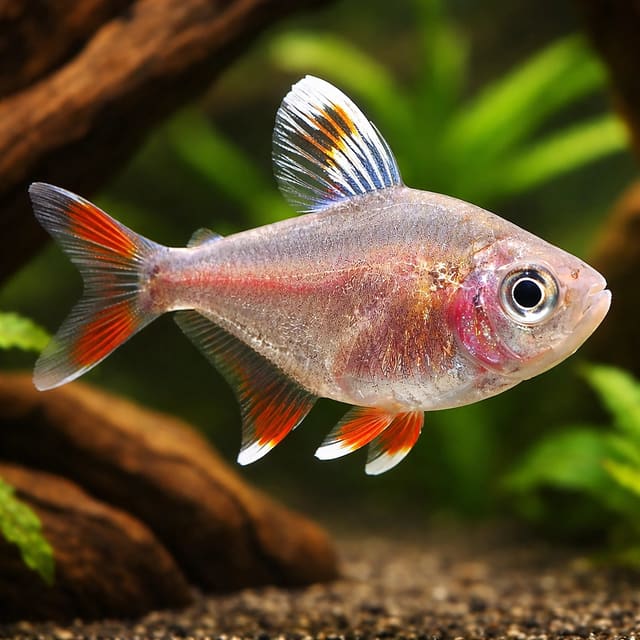
Aphyocharax anisitsi displays a sleek, silver body with a distinctive red to orange coloration on the dorsal, anal, and caudal fins. This vibrant fin color intensifies under optimal conditions and good diet. The species is compact and streamlined, with a subtle lateral line and large, expressive eyes. Males may be slightly slimmer and more colorful than females, particularly during spawning periods.
The False Bloodfin inhabits slow-moving rivers, streams, and floodplain areas of the Paraná–Paraguay river basin across Argentina, Paraguay, Uruguay, and southern Brazil. These habitats feature soft to moderately hard water, abundant vegetation, and seasonal fluctuations in water level and temperature. The fish form large shoals in the wild, sheltering among plants and foraging for small invertebrates and organic matter.
A minimum 80-litre aquarium is recommended for a school of at least 8-10 False Bloodfins. Provide open swimming areas combined with planted zones using species like Vallisneria, Amazon Sword, or Java Fern. A dark substrate enhances the fish's coloration, and driftwood or leaf litter creates a naturalistic environment. Moderate filtration maintains water clarity without creating excessive current, as this species prefers gentle to moderate flow.
Maintain soft to moderately hard water with pH 6.0-7.5 and temperatures between 20-28°C. General hardness (GH) of 5-12 dGH is ideal. The False Bloodfin is adaptable and tolerates a range of conditions, but stable parameters promote best health and coloration. Perform weekly water changes of 20-25% to control nitrate and maintain water quality. A secure lid is essential, as tetras can jump when startled.
Aphyocharax anisitsi is an omnivore with a preference for small live and frozen foods. Offer quality flake or micro-pellets as a staple, supplemented with frozen or live daphnia, brine shrimp, bloodworms, and cyclops. Occasional vegetable matter or spirulina-based foods provide balanced nutrition. Feed small portions 1-2 times daily, ensuring food is consumed within a few minutes to prevent water quality issues.
The False Bloodfin's red fin coloration is most vibrant when fed a varied diet rich in carotenoids. Incorporate high-quality frozen foods and color-enhancing flakes for best results.
The False Bloodfin is a peaceful, active schooling fish that thrives in groups. Shoaling behavior is most pronounced when kept in larger numbers, with the fish moving together in synchronized patterns. This species is generally non-aggressive but may nip fins if kept in too small a group or with long-finned, slow-moving tank mates. They occupy the mid to upper water column and are constantly on the move, making them an engaging addition to community tanks.
Ideal tank mates include other peaceful small to medium community fish such as other tetras, rasboras, danios, Corydoras catfish, and small peaceful plecos. Avoid large predatory fish, aggressive cichlids, fin-nipping species, very small shrimp and fry, and large boisterous species that may outcompete them for food. The False Bloodfin coexists well with similarly sized, peaceful fish in a well-planted aquarium.
Aphyocharax anisitsi is an egg scatterer that may spawn among fine-leaved plants or spawning mops. Breeding is most successful in a separate spawning tank with soft, slightly acidic water (pH 6.0-6.5), dim lighting, and fine-leaved plants or Java moss. Condition adults with live foods, then introduce a pair or small group. Remove adults immediately after spawning, as they will consume eggs. Fry are tiny and require infusoria or liquid fry food initially, graduating to baby brine shrimp within a week.
Tropical Fish Co offers healthy, vibrant False Bloodfins sourced from reputable breeders and quarantined for your peace of mind. We provide expert advice on community tank setup, water chemistry, and stocking ratios to ensure your tetras thrive. With fast, reliable delivery across the UK and a commitment to sustainable fishkeeping, Tropical Fish Co is your trusted partner for quality freshwater fish.
No reviews for this item yet. Bought one? Honest reviews only, good or bad.
What customers say about ordering from us
I have a small group of long finned mountain minnows. So was delighted to be able to order ten of this variety to increase the genetics in my tank . The ones I recieved are healthy but it’s to early to give a verdict on wether they are of a long finned type since they are small currently.
Gordon Walker · 23 Sept 2026
100% success travel and "installation". Pleased with quality of purchase. The Siamese fighter a bit "shy" so have not yet seen him at his best yet but looking good. Happy customer. GG
George E Garratt · 21 Sept 2026
Reviews of our shop, collected by Judge.me, an independent third-party review collector. Newest first.