

−13%
Polypterus senegalus - Tropical Fish for Sale UK
£18.26£20.99

Add bold colour and personality with Apistogramma Hongsloi Red Stroke. A stunning moderate-care dwarf cichlid for planted tanks. Buy now for UK delivery.
Adult size is the maximum length this species reaches at full maturity (scientific sources). The fish you receive will be younger and smaller — pick a size variant above for the actual shipping size. Photos are AI-enhanced, so the live fish may show subtle colour or marking differences.
Apistogramma hongsloi
Not home? Message us and we'll delay delivery.
Add bold colour and personality with Apistogramma Hongsloi Red Stroke. A stunning moderate-care dwarf cichlid for planted tanks. Buy now for UK delivery.
Adult size is the maximum length this species reaches at full maturity (scientific sources). The fish you receive will be younger and smaller — pick a size variant above for the actual shipping size. Photos are AI-enhanced, so the live fish may show subtle colour or marking differences.
Maintain these water conditions for optimal health and vibrant colors
If you are looking for dwarf cichlids for sale UK hobbyists can keep in a beautifully aquascaped community aquarium, Apistogramma hongsloi “Red Stroke” deserves a close look. This striking South American species combines the charm of a true dwarf cichlid with vivid red flank markings, elegant finnage, and a personality that feels far bigger than its 7 cm adult size. Among Apistogramma for sale UK listings, this variety stands out for its warm red patterning, manageable footprint, and fascinating parental care. Native to the Amazon Basin, it is one of the more rewarding South American cichlids for sale UK aquarists choose when they want colour without the size and aggression of larger cichlids.
This fish is best described as peaceful but territorial in the lower levels of the aquarium, especially around caves during breeding. With the right Apistogramma Hongsloi «Red Stroke» tank size, soft water, and a thoughtful dwarf cichlid planted tank setup, it thrives in a calm display with tetras, pencilfish, and other gentle companions. Many keepers searching for tropical dwarf fish UK options also appreciate that the Apistogramma Hongsloi «Red Stroke» lifespan can reach around 5 years. See our detailed photos showing the red lateral strokes, body contrast, and finnage that make this a standout choice for anyone wanting colourful, characterful dwarf cichlids UK aquariums can showcase. For fishkeepers wanting a moderate-care species with real display value, this is a superb choice.
Apistogramma hongsloi belongs to the dwarf cichlid group prized by aquarists for compact size, intense colour, and complex behaviour. Within the hobby, hongsloi types are especially valued because males develop rich red patterning while females show strong brood care. This places them among the most interesting freshwater cichlids UK fishkeepers can keep in smaller South American aquariums.
The Apistogramma Hongsloi «Red Stroke» habitat is rooted in South America, specifically within the Amazon Basin and associated slow-moving tributary systems. In nature, these fish are found in calm margins, leaf-litter zones, shallow flooded areas, and soft-bottom streams where the water is often tea-stained by tannins. This blackwater influence matters in captivity because it explains why Apistogramma Hongsloi «Red Stroke» ideal water conditions lean toward soft, slightly acidic water rather than hard, alkaline community conditions.
Wild fish spend much of their time close to the substrate, weaving through roots, branches, and fallen leaves in search of tiny invertebrates, insect larvae, and organic matter. That natural feeding style is why a fine sand base and multiple cave options work so well in the aquarium. If you want a realistic Apistogramma Hongsloi «Red Stroke» aquarium ideas layout, think shaded areas, driftwood tangles, scattered catappa leaves, and pockets of open sand between plants.
These are not open-water swimmers. They prefer cover, visual barriers, and clearly defined territories. In the wild, males patrol a wider area while females remain closer to spawning sites. This natural division explains much of the Apistogramma Hongsloi «Red Stroke» behaviour seen in captivity, especially when a pair forms or when a female is guarding eggs. It also explains why the species works so well in a carefully planned dwarf cichlid nano tank setup or compact display, provided the footprint is sensible and the layout breaks sight lines.
For aquarists exploring South American cichlids UK collections, this species offers a classic blackwater dwarf cichlid profile: warm water, low dwarf cichlid water hardness, subdued lighting, and a habitat built around shelter rather than open rockwork. Mimicking that environment does more than reduce stress. It improves feeding confidence, colour development, and breeding success.
Mimicking the natural habitat with leaf litter, caves, and soft acidic water often brings out stronger red patterning, calmer social behaviour, and more confident feeding. In my experience, hongsloi settle much faster when the tank has shaded retreats instead of bright, exposed décor.
A successful Apistogramma Hongsloi «Red Stroke» care guide starts with floor space, cover, and water chemistry. Although this fish stays small, it is still a cichlid, so territory matters more than raw water volume alone. The Apistogramma Hongsloi «Red Stroke» minimum tank size is 60 litres for a pair or one male with one female, but a longer tank with a larger footprint is always better than a tall tank. If you plan to keep one male with two females, aim for 75-90 litres so each female can claim a separate cave zone.
The ideal Apistogramma Hongsloi «Red Stroke» tank size depends on stocking. A pair can work in 60 litres if heavily structured, but a more forgiving setup is 80 litres or more. This species is often suggested as Apistogramma Hongsloi «Red Stroke» for small aquarium keeping, yet “small” should still mean enough bottom area for territories. For a true dwarf cichlid planted tank setup, use wood, plants, caves, and leaf litter to divide the base into zones.
The best Apistogramma Hongsloi «Red Stroke» water parameters are stable rather than extreme: 24-28°C, pH 5.5-7.0, and 1-10 dGH. In practical terms, the safest target for long-term care is 25-27°C with soft water and a pH around 6.0-6.8. These values suit the species while still being manageable for many home aquariums. The correct Apistogramma Hongsloi «Red Stroke» water temperature also supports appetite, immune function, and spawning readiness. If customers ask about dwarf cichlid temperature requirements, this species sits comfortably in the classic warm tropical range.
Many aquarists specifically ask about the Apistogramma Hongsloi «Red Stroke» pH level. While the species can live across a moderate range, breeding and best colour usually happen in softer, more acidic water. If your tap water is hard, mixing with RO water may be useful. This is especially important when trying to match true Apistogramma Hongsloi «Red Stroke» aquarium requirements.
Use gentle but efficient filtration. A mature sponge filter, a compact internal filter with flow diffused by plants, or a small external canister all work well. The goal is clean water without blasting the fish around the tank. Bottom-oriented dwarf cichlids dislike constant strong current, particularly near breeding caves. Add a reliable aquarium heater and thermometer so the Apistogramma Hongsloi «Red Stroke» ideal water conditions remain stable day and night.
For similar species displays, many keepers pair this fish with a calm, well-cycled setup and browse other dwarf cichlid options when planning a South American theme. If you are comparing stocking ideas, the Apistogramma Agassizii and Apistogramma Cf. Viejita Gold are useful reference points for territory and layout planning.
The best dwarf cichlid substrate preference is fine sand. Sand allows natural sifting behaviour, protects delicate mouthparts, and gives the fish a more secure feel than sharp gravel. Use a depth of 2-4 cm, with leaves and botanicals scattered over parts of the substrate. Darker substrate also helps the red markings stand out, making this fish a stronger visual focal point in the aquarium.
Apistogramma Hongsloi «Red Stroke» for planted tank setups work extremely well. Use rooted plants like Cryptocoryne, Amazon swords in larger tanks, and epiphytes such as Anubias and Java fern attached to wood. Floating plants can help diffuse light. Caves are essential: half coconut shells, ceramic caves, or wood hollows all work. The species appreciates multiple entrances and hidden recesses more than decorative ornaments.
If you enjoy comparing species for a planted display, the elegant Apistogramma Elizabethae and the bolder Andinoacara Pulcher “Neon Blue” show how different cichlids use décor in different ways. For this species, think low, shaded, and cave-rich rather than open and bright.
Moderate lighting is ideal. Bright lighting is fine if softened by floating plants, wood shadows, or tannins. Run lights for around 6-8 hours in newer tanks and 8-10 hours in mature planted systems. Too much light without cover can make fish timid and washed out.
Always cycle the tank for 4-6 weeks before adding this species. Apistogramma are far less forgiving of immature conditions than many standard community fish, and unstable water is one of the fastest ways to lose colour, appetite, and breeding potential.
The Apistogramma Hongsloi «Red Stroke» diet is best described as omnivorous with a heavy preference for meaty foods. In the wild, these fish pick through leaf litter and substrate for tiny crustaceans, insect larvae, worms, and biofilm-associated morsels. In captivity, they do best when fed a varied menu rather than one single staple. This matters because many people who search for live Apistogramma Hongsloi «Red Stroke» for sale UK or Apistogramma Hongsloi for sale UK want to know whether the species is fussy. The answer is that healthy specimens usually feed well, but they strongly prefer small, high-quality foods.
A good Apistogramma Hongsloi «Red Stroke» feeding guide starts with quality micro pellets or soft granules designed for small cichlids. Choose a protein-rich staple that sinks slowly. Feed only what they can eat in 1-2 minutes. In a mixed aquarium, make sure faster midwater fish do not steal everything before the Apistogramma reaches it.
Frozen bloodworms, brine shrimp, daphnia, cyclops, and finely chopped mysis are excellent additions. These foods improve body condition and often intensify the red markings that make this one of the more colourful dwarf cichlids in the hobby. Live foods can be especially useful for shy new arrivals or conditioning adults before breeding.
For fish being prepared for Apistogramma Hongsloi «Red Stroke» breeding, increase variety and feed smaller portions twice daily. Brine shrimp and bloodworms are particularly effective for bringing adults into spawning condition. This is also when many keepers notice stronger Apistogramma Hongsloi «Red Stroke» spawning behaviour, with females inspecting caves and males intensifying their display colours.
Adults do well on two small meals per day. Juveniles can be fed three smaller meals if water quality is excellent. Avoid large dumps of food. These fish are bottom-oriented, and uneaten food trapped in décor quickly harms water quality and can affect Apistogramma Hongsloi «Red Stroke» health.
| Time | Food | Amount |
|---|---|---|
| Morning | Micro pellet or soft granule | Small pinch, eaten in 1-2 minutes |
| Evening | Frozen brine shrimp or bloodworms | Very small portion, no leftovers |
Avoid oversized pellets, fatty feeder foods, and any feeding routine that leaves excess food on the substrate. Also avoid relying on bloodworms alone; they are useful, but not a complete long-term diet. If medications are ever used in food or water, dose carefully and avoid unnecessary treatments.
Overfeeding causes ammonia spikes, bacterial growth, and poor water quality. Dwarf cichlids often beg confidently, but that does not mean they need more food. Small, varied meals are far safer than one heavy feed.
Useful as a comparison species if you are deciding between warm-water micro-predatory cichlids with similar frozen food preferences.
Another South American dwarf cichlid often fed on the same mix of micro pellets, brine shrimp, and bloodworms.
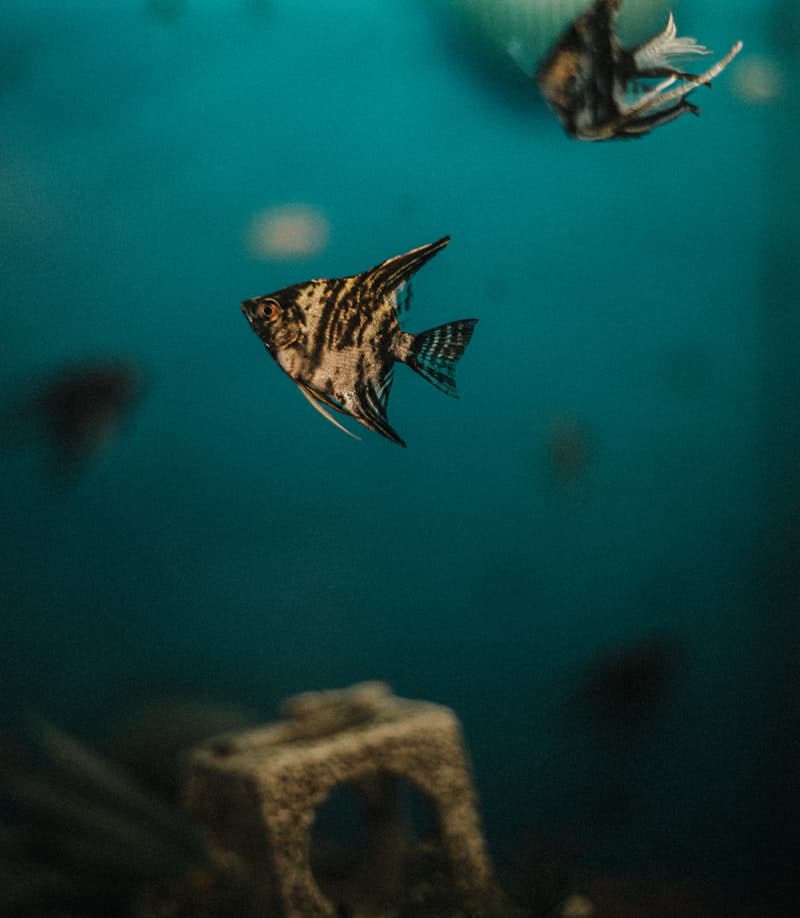
This fish is popular because it looks refined rather than flashy in a crude way. Adult males typically reach around 7 cm and show an elongated body, pointed finnage, and a warm base colour overlaid with red to crimson lateral strokes. The “Red Stroke” name refers to the vivid red markings along the flanks and fins, which become more intense under good diet, low stress, and darker surroundings. Among the most colourful dwarf cichlids, this form has a particularly attractive balance of red, cream, and darker body contrast.
Females are smaller, deeper-bodied, and usually less extravagant in finnage, but they become stunning in their own way during breeding. When guarding eggs or fry, females often shift to a brighter yellow brood dress with bold black markings. This dramatic change is one reason the species is so rewarding to keep. The sexual dimorphism is clear enough that experienced keepers can usually sex adults without difficulty.
When customers compare Apistogramma Hongsloi «Red Stroke» colour variants, they are usually asking how this fish differs from standard hongsloi lines. The answer is in the stronger red striping and the way those markings stand out under suitable conditions. Our photos show the contrast best when fish are kept over dark sand, among wood and leaves, with stable warm water and a varied diet.
If you want the best display, combine a dark substrate, warm-spectrum lighting, and a calm social setup. These details enhance body colour far more effectively than chasing overly bright lighting. This is one of those colourful dwarf cichlids that looks best in a naturalistic aquascape rather than a bare, sterile tank.
The species is generally peaceful, which is why it is often recommended among peaceful dwarf cichlids for community tank setups. That said, peaceful does not mean passive. Like most Apistogramma, it becomes territorial around caves and brood sites. The best Apistogramma Hongsloi «Red Stroke» tank mates are calm, non-aggressive fish that occupy different levels of the aquarium and do not harass the bottom zone.
Small tetras, pencilfish, Corydoras, and Otocinclus are classic companions. Many aquarists specifically ask about Apistogramma Hongsloi «Red Stroke» with tetras, and in most cases the answer is yes. Ember tetras, rummynose tetras, and other small schooling species help the cichlids feel secure without competing for territory. Corydoras can work, though in breeding tanks they may wander too close to caves and annoy a guarding female.
If you are exploring related species in the same broader category, the Apistogramma Agassizii, Apistogramma Elizabethae, and Apistogramma Cf. Viejita Gold are all useful comparisons when building a list of dwarf cichlids for a South American project. For aquarists considering something different but still compact, the Mikrogeophagus Ramirezi “Blue Brilliant” is another familiar choice.
Avoid large cichlids, fin-nipping barbs, hyperactive bottom fish, and additional male Apistogramma in cramped tanks. This is especially important if you are keeping a pair in the Apistogramma Hongsloi «Red Stroke» minimum tank size. Also avoid mixing with fish that demand hard alkaline water. While some people compare them with african dwarf cichlids, the care style is quite different, and the water chemistry usually is not compatible.
In a 60 litre tank, a pair with a small group of upper-level pencilfish can work well. In 80-100 litres, one male, two females, and a modest tetra shoal is often more stable. In larger planted displays, you can create a layered South American community with wood, leaves, and soft water. This is one reason south american dwarf cichlids for sale uk searches remain popular: they suit planted tanks better than many larger cichlids.
Snails are usually fine. Small shrimp may be hunted, especially shrimplets. Adult Amano shrimp sometimes coexist, but there is no guarantee. If breeding the cichlids, expect the female to defend a broad area around her cave.
| Species | Compatible? | Notes |
|---|---|---|
| Apistogramma Elizabethae | ⚠️ Caution | Only in larger specialist setups; avoid multiple territorial dwarf cichlids in small tanks. |
| Mikrogeophagus Ramirezi “Blue Brilliant” | ⚠️ Caution | Possible in larger calm aquariums, but both species need warm, stable water and space. |
| Large aggressive cichlids | ❌ Avoid | Stress, intimidation, and likely territorial conflict. |
When people search buy dwarf cichlids online UK, live dwarf cichlid delivery UK, or dwarf cichlid for sale, they often want to know whether this species is suitable for a mixed aquarium. The honest answer is yes, if the tank is warm, soft, structured, and stocked with gentle companions. That makes it a strong option among freshwater cichlids UK buyers wanting a natural community rather than a species-only setup.
Always quarantine new arrivals for 2-4 weeks before adding them to an Apistogramma tank. Even a peaceful dwarf cichlid can become stressed by sudden introductions, and quarantine greatly reduces the risk of parasites entering a settled display.
Apistogramma Hongsloi «Red Stroke» breeding is moderate in difficulty and one of the most rewarding parts of keeping this species. A healthy pair or a male with one or two females may spawn in a mature, quiet aquarium with soft, warm water and multiple caves. The female usually chooses the spawning site and becomes far more assertive once eggs are laid.
Use at least 60 litres for a pair, though more space helps. Keep the water warm at 26-28°C, pH on the acidic side, and hardness low. Add several cave choices: coconut shells, ceramic caves, and wood hollows all work. Condition adults with frozen and live foods for 1-2 weeks. This often triggers stronger courtship and more obvious Apistogramma Hongsloi «Red Stroke» spawning behaviour.
The female normally leads the process by selecting a cave and displaying to the male. Once spawning begins, she lays adhesive eggs on the cave roof or wall. The male patrols the territory while the female fans and guards the clutch. During this period, the female may become bright yellow with bold dark markings and aggressively drive away intruders.
Eggs usually hatch in around 2-4 days depending on temperature, and wrigglers become free-swimming a few days later. Keep disturbance low, avoid strong current near the cave, and do not over-clean the tank during this stage. Stable water is far more important than chasing perfect numbers.
Once fry are free-swimming, feed infusoria, vinegar eels, or newly hatched brine shrimp. The female often shepherds the brood around the tank, and watching this behaviour is one of the highlights of keeping Apistogramma. Frequent tiny feeds and excellent hygiene are the keys to raising fry successfully.
Common problems include infertile eggs, first-time parents eating the spawn, and fry losses caused by poor water quality. If a community tank is too busy, move the pair to a dedicated breeding setup. Soft water also improves hatch rates in many cases.
If you want better hatch rates, lower conductivity gradually rather than making sudden changes. In my experience, Apistogramma pairs respond better to stable, very clean soft water than to dramatic last-minute parameter swings.
Comparisons matter because not all dwarf cichlids behave the same way, even when they look similar in online listings. Buyers searching best dwarf cichlids comparison pages often want to know whether this fish is a better fit than a ram, a cacatuoides, or even a kribensis. The answer depends on your water, tank style, and what kind of behaviour you want to watch.
| Feature | Apistogramma Hongsloi “Red Stroke” | German Blue Ram |
|---|---|---|
| Max Size | 7 cm | 6-7 cm |
| Care Level | Moderate | Moderate to demanding |
| Temperature | 24-28°C | 27-30°C |
| Price | Varies by specimen | Varies by strain |
| Best For | Soft-water planted tanks with caves | Very warm peaceful community tanks |
In the common Apistogramma Hongsloi «Red Stroke» vs German blue ram discussion, hongsloi usually wins for aquarists who want stronger cave-based behaviour and classic Apistogramma brood care. Rams are often more exposed and social in open areas, but they also demand consistently warmer water.
| Feature | Apistogramma Hongsloi “Red Stroke” | Apistogramma cacatuoides |
|---|---|---|
| Temperament | Peaceful but territorial | Often bolder and more adaptable |
| Water Preference | Softer, more acidic preferred | Often tolerates a wider range |
| Display Style | Elegant red flank patterning | Flashy dorsal fin and orange-red finnage |
| Best For | Natural blackwater-style aquascapes | Beginners wanting a hardy Apisto type |
| Community Use | Excellent with careful stocking | Excellent in many planted tanks |
The Apistogramma Hongsloi «Red Stroke» vs Apistogramma cacatuoides choice usually comes down to aesthetics and water. Cacatuoides is often listed among the easiest Apistogramma species and even among the best dwarf cichlids for beginners. Hongsloi “Red Stroke” is slightly more specialised but rewards that extra care with subtler, more refined colour and behaviour.
Against kribensis, the Apistogramma Hongsloi «Red Stroke» vs kribensis comparison favours hongsloi for soft-water South American displays and kribensis for harder-water West African setups. If you are browsing cockatoo cichlid for sale uk, black ram cichlid for sale uk, or even starry night cichlid for sale uk, remember these fish suit very different aquariums despite all being cichlids.
Healthy fish show strong appetite, alert posture, full finnage, and steady interest in their surroundings. Good specimens hold their position confidently near the bottom, investigate food quickly, and display clear eyes with no clamped fins. Monitoring Apistogramma Hongsloi «Red Stroke» health is mostly about noticing subtle changes early, because dwarf cichlids often decline quietly when stressed.
The main risks are stress-related bacterial issues, external parasites, white spot, and wasting caused by poor diet or chronic bullying. Because this is a soft-water species, it can also react badly to sudden changes in pH, hardness, or temperature. A fish hiding constantly, refusing food, darkening excessively, or breathing rapidly should be checked immediately.
Start with water quality. Test ammonia, nitrite, nitrate, pH, and temperature before reaching for medication. Many problems improve with large but careful water changes, better oxygenation, and reduced stress. If medication is needed, use products appropriate for dwarf cichlids and remove chemical media if required by the manufacturer.
Prevention is far easier than cure. Keep the tank mature, avoid overstocking, feed a varied diet, and maintain stable Apistogramma Hongsloi «Red Stroke» water parameters. Quarantine all new fish, and do not mix this species with aggressive tank mates. Good husbandry is the foundation of long-term success for all South American cichlids UK keepers maintain.
Never use copper-based medications in a tank containing shrimp or sensitive invertebrates. Copper can be lethal to them, and stressed dwarf cichlids may also react poorly to unnecessary heavy dosing.
The everyday Apistogramma Hongsloi «Red Stroke» behaviour is one of the species’ biggest attractions. These fish are observant, intelligent, and constantly aware of their environment. Rather than swimming all over the tank, they patrol the lower levels, inspect caves, sift through sand, and interact with each other in subtle but fascinating ways.
Males are more territorial and display-oriented, especially when another male is nearby. Females are usually calmer until breeding starts, at which point they become highly defensive around eggs and fry. This shift is normal and not a sign that the fish has become unsuitable for a community aquarium. It simply reflects natural cichlid parenting.
To encourage natural behaviour, provide line-of-sight breaks, leaf litter, and quiet upper-level dither fish. In sparse tanks, these fish can seem shy. In well-structured aquariums, they become much more visible and confident. This is one reason the species is so popular among aquarists who enjoy behaviour as much as colour.
When customers look for Apistogramma Hongsloi «Red Stroke» for sale UK, buy Apistogramma Hongsloi «Red Stroke» UK, or order Apistogramma Hongsloi «Red Stroke» online UK, they are not just buying a fish name on a list. They are buying condition, preparation, and the odds of long-term success. For a species like this, those details matter. Red Stroke hongsloi show their best colour and temperament only when they have been settled properly, fed well, and shipped with care.
Our approach focuses on stability before sale. Fish are observed for feeding response, body condition, and normal social behaviour before dispatch. Because this species can be sensitive to rough transitions, we prioritise fish that are feeding confidently on prepared and frozen foods. That gives buyers a better starting point than receiving newly imported, unsettled stock. Customers looking for live Apistogramma Hongsloi «Red Stroke» for sale UK or rare dwarf cichlids UK often value this preparation more than anything else.
For Apistogramma Hongsloi «Red Stroke» delivery UK, fish are packed in insulated boxes with professional bagging methods, and heat packs are used in cold weather when needed. Tracked delivery helps reduce transit time, and acclimation guidance is provided so fish move into the aquarium with less stress. If you are comparing Apistogramma Hongsloi «Red Stroke» price UK options, remember that healthy, feeding, well-prepared stock is worth more than a cheaper fish that arrives weak or unconditioned.
Whether you are searching buy dwarf cichlid UK, dwarf cichlids for sale in uk, or south american dwarf cichlids for sale uk, this species is a rewarding choice for planted soft-water aquariums. Order your fish with confidence and build a display around one of the most elegant small cichlids in the hobby.
If you are building a South American cichlid display, consider the graceful Apistogramma Elizabethae for a more delicate blackwater look, or the colourful Apistogramma Agassizii if you want another classic Apisto profile. For a different style of dwarf cichlid, the Stunning Mikrogeophagus Ramirezi “Balloon” Balloon Ram offers a compact ram body shape and bold colour. If you prefer broader browsing, explore our wider Apistogramma for sale UK collection to compare species, temperament, and tank requirements. You can also review the Guianacara Dacrya Bandit Cichlid if you are planning a larger cichlid-themed South American setup.
Dispatched Tue or Wed, delivered Wed or Thu — every order tracked and insured.

24–28°C · pH 5.5–7 · 60L


24–28°C · pH 7.5–8.5 · 400L


22–26°C · pH 6–7.5 · 150L


23–27°C · pH 5.5–7.5 · 80L

22–26°C · pH 6–7.5 · 30L

24–28°C · pH 7.5–8.5 · 150L

24–28°C · pH 7.5–8.5 · 200L

18–25°C · pH 6–8 · 100L

18–28°C · pH 6.5–8 · 20L

24–27°C · pH 7.5–8.8 · 150L

22–26°C · pH 6–7.5 · 60L

24–28°C · pH 7.5–8.5 · 40L