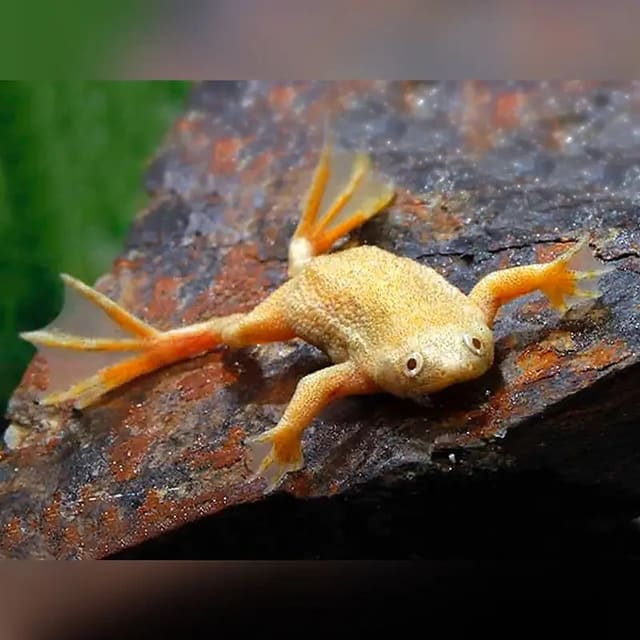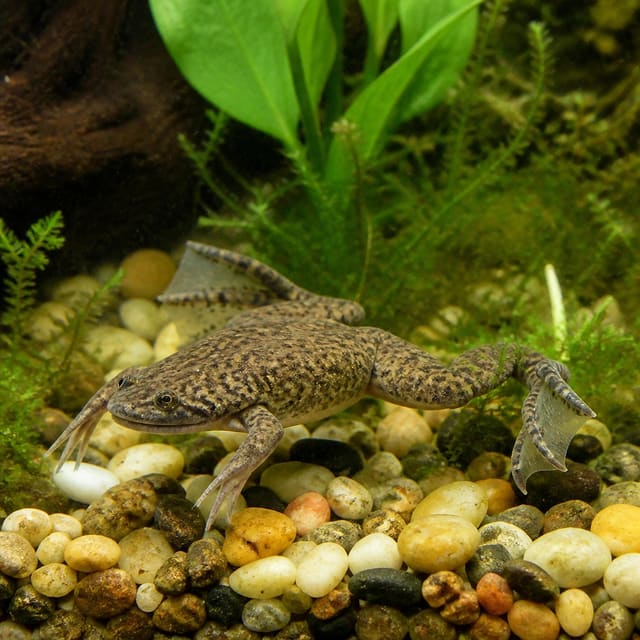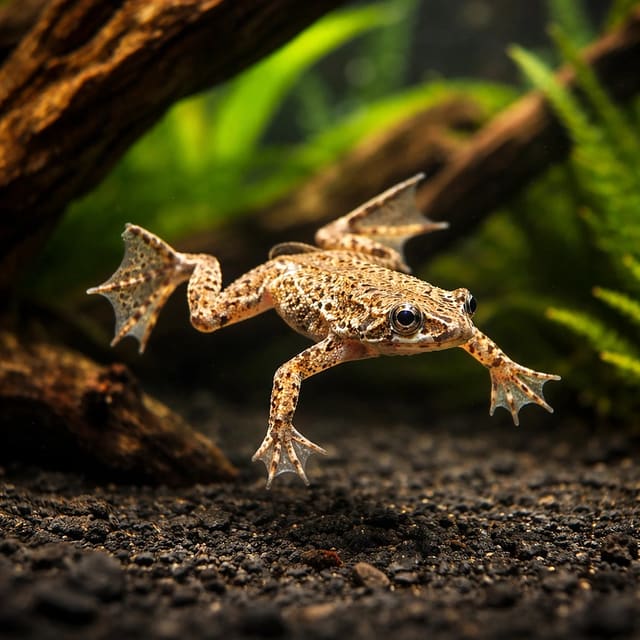
African Dwarf Frog (Hymenochirus sp.)
22–25°C · pH 7–8
£5.39

A tiny, peaceful Asian frog with a distinctive floating posture and specialized care needs, ideal for a quiet species-only paludarium or aquarium. Moderate care, peaceful. 22-28C, pH 6.0-7.5.
Adult size is the maximum length this species reaches at full maturity (scientific sources). The livestock you receive will be younger and smaller. Product-photo provenance and any image-specific limitations are stated on the listing.
Occidozyga lima
Confirm your email, then we’ll send an availability message for this exact item if it returns within 180 days.
This request is only for this product—no newsletter or other promotions. A mail-provider retry may very rarely duplicate the same availability message. Unconfirmed addresses are removed after 48 hours. See our privacy policy.
A tiny, peaceful Asian frog with a distinctive floating posture and specialized care needs, ideal for a quiet species-only paludarium or aquarium. Moderate care, peaceful. 22-28C, pH 6.0-7.5.
Adult size is the maximum length this species reaches at full maturity (scientific sources). The livestock you receive will be younger and smaller. Product-photo provenance and any image-specific limitations are stated on the listing.
Maintain these water conditions for optimal health and vibrant colors
Amphibians for sale UK enthusiasts seeking a fascinating miniature species will find Occidozyga lima, commonly known as the green puddle frog or floating frog, a captivating choice for specialized aquatic or paludarium setups. This tiny amphibian originates from South and Southeast Asia, inhabiting shallow still waters, rice paddies, and flooded areas. Available for sale UK in sizes around 3cm, the species remains one of the smallest fully aquatic frogs at maturity, making it suitable for nano aquariums and small paludariums. Peaceful temperament, unique floating behavior, and specialized care requirements appeal to aquarists with experience maintaining aquatic amphibians. Moderate care level suits dedicated keepers prepared to provide species-specific housing and feeding.
Occidozyga lima features a small, robust body with distinctive rough, pearly skin covered in small tubercles. Coloration ranges from olive-green to brown with darker mottling or spotting that provides camouflage in vegetated waters. The skin appears slightly translucent in certain lighting. The head is small and pointed, with large, protruding eyes positioned dorsally allowing the frog to observe its surroundings while floating at the surface. The limbs are short and webbed, adapted for swimming rather than terrestrial movement. Overall appearance is compact and distinctive, with the frog spending most time floating motionless at the water surface with just the eyes and nostrils above water—hence the "floating frog" common name. Size remains tiny throughout life, making this one of the smallest aquatic amphibians available in the hobby.
This species inhabits shallow still or slow-moving waters throughout South and Southeast Asia, including rice paddies, ponds, marshes, flooded grasslands, and temporary pools. Water conditions are typically warm, soft, slightly acidic to neutral, and heavily vegetated. The frog spends virtually all time in water, floating at the surface among aquatic vegetation or resting on floating leaves. Natural habitats experience seasonal flooding and drying, with frogs concentrating in permanent water bodies during dry seasons. The species feeds on small aquatic invertebrates, insect larvae, and tiny organisms floating at or near the water surface. Dense aquatic vegetation provides security from predators and supports abundant prey populations.
A minimum 40-litre aquarium provides suitable housing for a small group of green puddle frogs. Use fine sand substrate and densely plant the tank with floating plants (water lettuce, frogbit, Amazon frogbit) and submerged vegetation (Java moss, Java fern, Anubias) to create security and replicate natural habitat. The species appreciates calm water—avoid strong currents or vigorous filtration that disrupts surface calm. Sponge filters provide gentle filtration without creating excessive water movement. Subdued to moderate lighting suits the species and encourages natural behavior. Ensure a tight-fitting lid with no gaps, as these tiny frogs are accomplished escape artists and will exploit any opening. Maintain excellent water quality, as the species is sensitive to poor conditions. Shallow water depth (15-25cm) is preferable to deeper setups.
Expert Tip: Provide extensive floating plants to create calm surface areas where frogs can rest and feed. Strong surface agitation stresses the frogs and disrupts their characteristic floating behavior.
Maintain temperatures between 22-28°C, with 24-26°C representing optimal conditions. The species tolerates slight variations but requires stability. pH should remain between 6.0-7.5, with slightly acidic to neutral values (6.5-7.0) ideal. Water hardness can range from soft to moderately hard, though soft to moderate hardness better replicates natural Asian conditions. Ammonia and nitrite must be undetectable, while nitrates should stay below 20 ppm through efficient biological filtration and weekly water changes of 20-25%. Amphibians are highly sensitive to poor water quality, ammonia, nitrite, and dissolved pollutants, responding with skin lesions, lethargy, or death. Never use tap water without dechlorinator, and avoid water treated with chloramine. Maintain pristine conditions at all times.
Occidozyga lima is a carnivore requiring small live or frozen invertebrates. Offer bloodworms, daphnia, baby brine shrimp, blackworms, and appropriately sized insect larvae. Live foods are strongly preferred and may be necessary initially, though some individuals eventually accept high-quality frozen foods. Feed small portions 4-5 times weekly in amounts consumed within a few minutes. The frog feeds at or near the water surface, snapping at prey with rapid tongue strikes. Ensure food is appropriately sized—items too large may be rejected or cause choking. Avoid overfeeding, which rapidly degrades water quality. A varied diet supports health and breeding condition. Monitor body condition—healthy frogs appear robust but not bloated.
Green puddle frogs are peaceful, calm amphibians that spend virtually all time floating motionless at the water surface with just the eyes and nostrils above water. This characteristic floating posture allows the frog to observe its surroundings while remaining inconspicuous. Activity increases during feeding periods, when the frog becomes alert and strikes at passing prey. The species is entirely peaceful toward tankmates and displays no aggression. Males may vocalize with soft chirping calls during breeding periods. The frog rarely ventures below the surface or explores the substrate, remaining a dedicated surface-dweller throughout life. Stress or poor water quality causes increased hiding among plants or erratic swimming.
Selecting tankmates for Occidozyga lima requires extreme caution due to the frog's tiny size, slow feeding behavior, and delicate nature. Best results come from species-only setups housing a small group of frogs alone. If attempting a community setup, only very small, extremely peaceful fish such as micro rasboras or small livebearers that do not compete aggressively for food may coexist, though risks remain. Absolutely avoid large fish, fast-feeding fish, aggressive species, fish that may nip or eat frogs (bettas, gouramis, cichlids), and predatory invertebrates. Even seemingly peaceful fish may opportunistically consume tiny frogs. In practice, dedicated species-only aquariums yield the best results and allow the frogs to display natural behavior without competition or stress.
Breeding Occidozyga lima in captivity is possible but uncommon. Successful spawning typically requires seasonal cues such as temperature fluctuations or increased water changes, shallow still water, abundant live foods for conditioning, and low stress. Males vocalize to attract females, and eggs are laid in water, typically among vegetation or floating plants. Tadpoles develop in aquatic conditions and require microscopic foods such as infusoria or liquid fry food initially, transitioning to larger foods as they grow. Tadpoles metamorphose into miniature frogs within several weeks. Raising tadpoles and froglets demands exceptional water quality and specialized feeding. Breeding success depends on stable conditions, well-conditioned adults, and appropriate environmental cues.
Tropical Fish Co supplies healthy, active green puddle frogs carefully selected for good body condition and natural floating behavior. We ensure all specimens are feeding confidently on live or frozen foods before dispatch. Our expert team provides comprehensive care guidance covering the specialized requirements for aquatic amphibian housing, water quality, feeding, and the importance of species-only or carefully selected community setups. With reliable UK delivery using specialist amphibian packaging, your frogs arrive safely in insulated boxes with oxygen and thermal protection. We support responsible amphibian keeping and offer ongoing advice to help you succeed with this unique miniature species. Choose Tropical Fish Co for rare, specialist livestock and expert customer support.
No reviews for this item yet. Bought one? Honest reviews only, good or bad.
What customers say about ordering from us
I have a small group of long finned mountain minnows. So was delighted to be able to order ten of this variety to increase the genetics in my tank . The ones I recieved are healthy but it’s to early to give a verdict on wether they are of a long finned type since they are small currently.
Gordon Walker · 23 Sept 2026
100% success travel and "installation". Pleased with quality of purchase. The Siamese fighter a bit "shy" so have not yet seen him at his best yet but looking good. Happy customer. GG
George E Garratt · 21 Sept 2026
Reviews of our shop, collected by Judge.me, an independent third-party review collector. Newest first.