Elephant Fish (Gnathonemus petersii, Exotic Tropical Fish for Thriving Freshwater Tanks, Ideal for Aquarium Enthusiasts and Community Fish Lovers, Stunning Addition for Your Aquatic Ecosystem) - Live tropical fish for sale UK

Elephantnose Fish (Gnathonemus petersii) - UK

£50.99In Stock

Distinctive Elephantnose Fish with a fascinating long snout and intelligent behaviour. Ideal for experienced keepers. Order now with UK delivery.

Bottom DwellerFishFreshwaterModerate CareOddball SpeciesPeacefulTropical Fish

Premium Quality

Healthy, vibrant fish from trusted suppliers

Expert Care

Detailed care guides and support

Live Arrival Guarantee

Your fish arrives healthy or we'll replace it

Acclimated

Properly quarantined and ready for your tank

Why Choose This Fish?

Distinctive Elephantnose Fish with a fascinating long snout and intelligent behaviour. Ideal for experienced keepers. Order now with UK delivery.

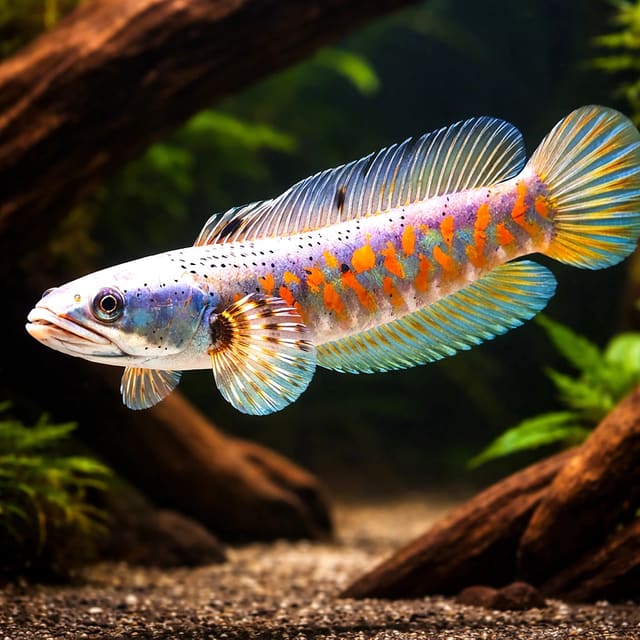
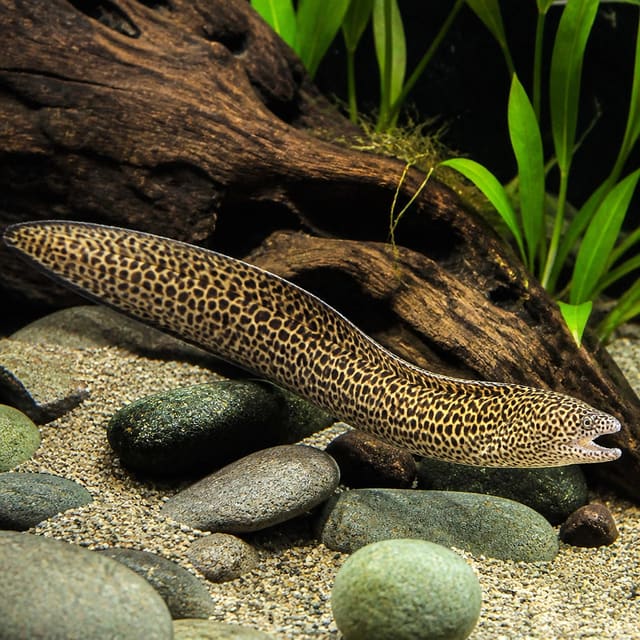
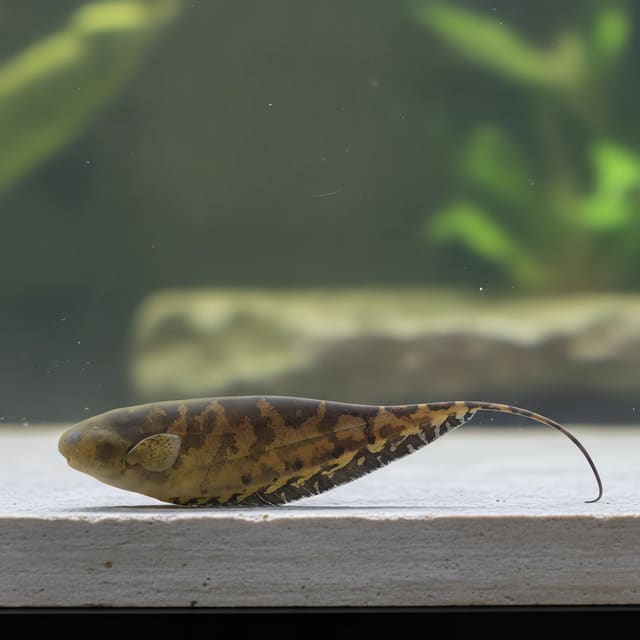
The Elephantnose Fish, Gnathonemus petersii, is one of the most unusual choices in the freshwater fish UK hobby. Known as the Elephant Fish, Elephant Trunk Fish, and Long-Nosed Elephant Fish, this remarkable African species uses a weak electric field to explore its surroundings, locate food, and communicate. That makes it a true elephantnose electric sense fish and a strong contender for the best electric sensing fish for aquarium enthusiasts who want something beyond standard tropical fish. Native to West and Central Africa, especially the Niger and Congo basins, it grows to an impressive elephant nose fish size of around 18-25 cm and can live 5-10 years when given the right care. It is peaceful but shy, bottom-oriented, nocturnal, and firmly in the category of elephantnose for experienced keepers because it needs stable water, soft substrate, dim lighting, and carefully chosen tank mates. See our detailed photos showing the elongated trunk-like chin appendage, velvety dark body, and elegant swimming posture in this stunning elephant nose fish. For aquarists searching for freshwater fish uk for sale, rare tropical fish UK stock, or a truly unique exotic fish UK specimen, Peters' Elephant Nose offers fascinating behaviour rather than flashy colour alone.

🔹 Quick Facts

  • Scientific Name: Gnathonemus petersii
  • Care Level: Advanced
  • Min Tank Size: 255 litres (56 gallons)
  • Recommended Tank Size: 400 litres+
  • Temperature: 23-28°C (73-82°F)
  • pH Range: 6.0-7.2
  • Lifespan: Up to 10 years
  • Temperament: Peaceful, shy, territorial with its own kind
  • Diet: Carnivore

Classification

  • Order: Osteoglossiformes
  • Family: Mormyridae
  • Genus: Gnathonemus

Gnathonemus petersii belongs to the mormyrids, a family of African weakly electric fishes famous for specialised sensory systems and large brain-to-body ratios. In the aquarium hobby it is often called Peters' Elephant Nose, and among keepers of oddball species it is widely considered the best mormyrid for aquarium display when housed correctly. If you have seen an elephant fish wiki page or compared mormyrids online, this is the species most aquarists mean when they talk about the classic Elephantnose.

Where Do Elephantnose Fish Come From? Natural Habitat Explained

The natural Gnathonemus petersii habitat spans parts of West and Central Africa, especially slow-moving tributaries and floodplain waters linked to the Niger and Congo systems. The phrase elephant fish congo river is common in hobby searches because Congo drainage habitats are central to understanding this species. In the wild, these fish live over soft mud, sand, leaf litter, and tangled roots where visibility is poor and electrical sensing becomes more useful than eyesight.

This is not one of the uk freshwater fish, freshwater uk fish, or freshwater fish species uk. It is an African import, so aquarists comparing it with uk freshwater fish species, freshwater fish in uk, freshwater fish in the uk, or freshwater fish of the uk should remember that its care needs are very different from native species. Search terms like uk fish species freshwater, common roach freshwater fish uk, or barbel freshwater fish uk refer to native or naturalised British fish, not tropical mormyrids.

In nature, Elephantnose Fish hunt insect larvae, worms, crustaceans, and other meaty foods among the substrate. Their weak electric field helps them detect prey hidden in sediment, which is why coarse gravel often causes problems in captivity. They do best in subdued light, tannin-stained water, and structurally complex environments with driftwood and shaded retreats. Aquarists who recreate this habitat usually see calmer behaviour, better feeding response, and fewer stress-related health issues.

People also ask about topics such as invasive fish species uk, rarest uk freshwater fish, and freshwater fish representative species. Those are useful comparisons when learning fish diversity, but the Elephantnose is best understood as a specialist tropical river fish rather than a general community species. It is not a fish for ponds, outdoor tubs, or coldwater systems.

💡 Expert Tip

Mimicking the natural habitat of Peters' Elephant Nose with soft sand, root tangles, dim zones, and gentle current usually improves feeding confidence within days. Keepers often notice that shy specimens start exploring earlier in the evening once the tank feels dark and secure.

How to Set Up the Perfect Tank for Elephantnose Fish

A proper elephantnose fish care guide starts with space, stability, and substrate. The minimum elephant nose fish tank size is 255 litres, but that is only suitable for a carefully planned single specimen with excellent filtration. A more realistic elephantnose tank size for long-term success is 400 litres or more, especially if you want a mature, stable display with medium-sized companions. Because this species reaches adult length slowly and produces a meaningful bioload, cramped setups often lead to stress, poor feeding, and territorial tension.

Tank Size Requirements

For a single adult, treat 255 litres as the floor and 400 litres as the recommended target. If you are planning a display with robust dither fish, more floor area matters more than height. This species is bottom-oriented and patrols the lower half of the tank, so footprint is critical. Keepers searching elephantnose tank setup advice are often surprised that open swimming lanes and multiple shaded retreats are both necessary.

Water Parameters

The ideal elephantnose water parameters are stable rather than extreme: 23-28°C, with an ideal around 26°C. The accepted elephantnose temperature range allows some flexibility, but sudden drops are poorly tolerated. Aim for an elephantnose temperature of 25-26°C for everyday care. The preferred elephantnose pH range is 6.0-7.2, with around 6.5 often giving the best results. Gnathonemus petersii water hardness should remain between 2-15 dGH, with soft to moderately soft water usually preferred.

23-28°C
Temperature
6.0-7.2
pH
2-15 dGH
Hardness
255L min
Tank Size

Filtration

Use oversized filtration with gentle to moderate flow. Elephantnose Fish do not enjoy being blasted by current, but they are sensitive to deteriorating water quality. A mature external canister filter is usually the best option for this African fish UK oddball because it gives strong biological filtration without filling the display with bulky hardware. Fine mechanical media helps remove suspended waste, and prefilter sponges protect delicate feeding behaviour near the substrate.

Substrate

Elephantnose substrate preference is simple: use soft sand. This is one of the most important parts of the setup. The fish probes constantly with its sensitive chin appendage, so sharp gravel can cause abrasions and secondary infection. A pale or natural sand bed 2-4 cm deep works well and also helps food remain accessible during elephantnose feeding.

Plants, Decor, and Lighting

An elephantnose for planted aquarium layout can work very well if it remains open at the bottom. Use sturdy plants attached to wood and decor that create shadows rather than dense carpets that block movement. Driftwood arches, smooth stones, and broad-leaved plants help the fish feel secure. Lighting should be dim to moderate, ideally with floating cover or shaded corners. Many keepers pair this species with unusual display fish such as the Elephant Nose Knifefish in separate themed setups, or compare its behaviour with oddballs like the Australian Bonytongue.

Quick Setup Checklist

  • Use 255 litres minimum, 400 litres recommended
  • Keep temperature at 25-26°C for best day-to-day stability
  • Maintain pH 6.0-7.2 and soft to moderately soft water
  • Choose fine sand, never sharp gravel
  • Add driftwood, caves, and shaded retreats
  • Use mature filtration with low to moderate flow
  • Keep lighting subdued and avoid sudden bright changes

💡 Pro Tip

Always cycle the aquarium for 4-6 weeks before adding an Elephantnose Fish. This species reacts badly to ammonia and nitrite, and newly set up tanks often fail because the fish stops feeding before obvious test-kit problems appear.

What Do Elephantnose Fish Eat? Complete Feeding Guide

The Elephantnose is a carnivore, so the right elephantnose diet is based on meaty foods rather than flakes. In the wild, it hunts worms, insect larvae, and small benthic invertebrates. In captivity, success depends on offering foods that sink, smell attractive, and are available when the fish is active. New keepers often worry about elephant fish eating because newly imported specimens can be shy and may only feed after lights dim.

The best elephant nose fish food options are bloodworm, blackworm, chopped earthworm, tubifex from trusted sources, quality carnivore pellets, and frozen foods such as mosquito larvae or brine shrimp as part of a varied plan. Good elephantnose feeding means offering small portions once or twice daily, ideally in the evening when this nocturnal fish UK favourite becomes more active. It is also one of the most interesting nocturnal tropical fish UK choices because feeding behaviour is exploratory and highly intelligent.

Searchers sometimes land on pages asking about freshwater fish to eat list, freshwater fish uk to eat, british fish to eat, edible freshwater fish uk, or even recipes for cooking elephant fish. For clarity, this product is an ornamental aquarium species, not a food fish. Likewise, terms such as elephant fish taste are unrelated to aquarium care. What matters here is nutrition, not culinary use.

Because this is a specialist feeder, monitor body condition closely. A healthy specimen should have a gently rounded belly after meals, not a pinched profile. If housed with fast midwater feeders, target feeding after lights out is often necessary. Many keepers of exotic tropical fish UK oddballs use feeding tongs or a turkey baster to deliver food directly to the fish's preferred area.

Time Food Amount
Morning Small sinking carnivore pellet or frozen bloodworm Very light feed, only what is eaten in 2-3 minutes
Evening Blackworm, chopped earthworm, or mixed frozen invertebrates Main meal, enough for a slight belly roundness
Elephant Nose Knifefish keepers often use the same style of meaty sinking foods, making it a useful comparison point if you are building an oddball feeding routine.
Chalceus erythrurus is a faster feeder, so if kept in a mixed display, feed the Elephantnose after dark to reduce competition.

⚠️ Feeding Warning

Overfeeding causes ammonia spikes and water quality issues, especially in tanks with deep decor and low flow areas. Remove uneaten food promptly, and never rely on floating foods for a bottom-feeding mormyrid.

Elephantnose Fish Appearance: Colors, Patterns & Varieties

The first thing most people notice is the signature trunk-like extension under the mouth. This flexible sensory organ is not a nose in the mammal sense, but it gives the species its common name and helps explain why it appears so often in searches for elephant fish pictures. The body is laterally compressed, long, and elegant, with a high rear profile and a narrow caudal peduncle. Adult Gnathonemus petersii size usually falls between 18 and 25 cm, so this is not one of the small freshwater fish uk options often listed for nano tanks.

Colour is usually dark brown, charcoal, or velvety black with subtle sheen rather than bright patterning. The fins may show pale edging, and healthy fish often display a refined contrast between the body and the lighter sensory appendage. Our photos show the intense chocolate-brown coloration achieved through subdued lighting, dark decor, and a stress-free environment. If you compare elephantnose vs black ghost knife, the Elephantnose is shorter-bodied, more bottom-oriented, and more obviously equipped for substrate probing.

There are no established ornamental colour strains in the hobby, so terms like yellow elephant nose fish are usually misidentifications, lighting effects, or unrelated species. Likewise, comparisons to orange tench or other unusual fish are not useful for care. Sexing adults is difficult, and external sexual dimorphism is subtle. Most hobbyists cannot reliably separate males from females without observing mature groups over time.

If you are browsing uk freshwater fish for sale, freshwater fish for sale uk, common freshwater fish uk, list of uk freshwater fish, or a freshwater fish uk list, the Elephantnose stands out because it combines oddball appearance with advanced behaviour rather than vivid colour morphs.

What Fish Can Live With Elephantnose Fish? Compatibility Guide

Elephant nose fish compatibility depends less on aggression and more on stress, competition, and sensory disturbance. This is a peaceful fish, but it is easily intimidated by boisterous tank mates and can become territorial with its own kind in limited space. If you are researching elephant nose fish tank mates or Gnathonemus petersii tank mates, the safest rule is to choose calm, medium-sized species that will not nip, outcompete, or harass a shy bottom-forager.

The species can work in a carefully planned elephantnose for community tank setup, but not in a random mixed tropical tank. Good companions include larger peaceful tetras, calm Synodontis catfish, and similarly non-aggressive fish that occupy different levels. Midwater species such as the X Rhombo Barb can provide movement without constant bottom competition in a large enough aquarium. For more unusual displays, aquarists sometimes compare stocking ideas with the Australian Bonytongue, though tank size and temperament must be considered carefully.

Other possible companions in spacious aquaria include the active but generally non-predatory Chalceus erythrurus, small peaceful upper-level species such as Four-Spotted Copeina - Pyrrhulina Spilota -, and select oddballs that do not contest the same feeding zone. Delicate bottom specialists such as Protomyzon pachychilus are usually better kept separately because their environmental needs and feeding style differ too much.

Avoid aggressive cichlids, fin nippers, highly competitive loaches, and most combinations with other Elephantnose Fish unless the tank is very large and structured with multiple territories. Search terms like elephant fighter fish are misleading; the Elephantnose is not a fighter, but it can spar with conspecifics in cramped quarters. Comparisons such as elephantnose vs baby whale fish also matter because similar electric fish may compete or communicate in ways that increase stress.

Questions like gudgeon freshwater fish uk, popular fish in uk, freshwater fish with red fins, and even unrelated searches such as elephant fish new zealand, elephant fish vietnam, or elephant fish nz sustainability appear in search results, but they do not change the core rule: pick peaceful, non-bullying tank mates that leave the bottom zone mostly free. Invertebrates are risky because very small shrimp may be treated as food, while larger snails are usually ignored.

Species Compatible? Notes
X Rhombo Barb ✅ Yes Active midwater fish that usually leaves the bottom zone free in a large aquarium.
Four-Spotted Copeina - Pyrrhulina Spilota - ⚠️ Caution Works only with a settled Elephantnose and careful feeding, as smaller fish may be intimidated.
Other Elephantnose Fish ❌ Avoid Territorial disputes are common unless the tank is very large and heavily structured.

💡 Compatibility Tip

Always quarantine new arrivals for 2-4 weeks before adding them to an Elephantnose aquarium. This species is sensitive to stress, and introducing parasites or a highly competitive feeder can set back acclimation very quickly.

How to Breed Elephantnose Fish: Complete Breeding Guide

Elephantnose breeding is considered very difficult, and this species is not reliably bred in home aquaria. Most specimens in the trade are wild-collected or produced through methods not commonly replicated by hobbyists. If you are looking for a straightforward breeding project, this is not it. The Elephantnose belongs to a group of fish with complex sensory communication, and factors such as electric signalling, maturity, social interaction, and environmental triggers are not fully understood in the hobby.

Many aquarists compare this species with the baby whale fish because both are weakly electric African fishes, but successful captive reproduction remains rare. The large relative elephant fish brain and advanced sensory processing are part of what makes the species so fascinating, yet also part of why breeding is difficult to decode. Searches such as elephant fish wiki, freshwater fish representative species, and small river fish species may provide background context, but practical breeding reports are limited.

If one were to attempt conditioning, a dedicated soft-water breeding tank with very stable chemistry, dim light, and abundant live foods would be essential. Adults would need to be well conditioned on worms and insect larvae, with excellent water quality and minimal disturbance. Even then, there is no dependable home-aquarium protocol for pairing, courtship, or fry raising. Unlike species where you can follow a standard formula, Elephantnose reproduction remains more of a research challenge than a repeatable hobby method.

Some search terms around fishkeeping, such as common bream freshwater fish uk, bream freshwater fish uk, protected freshwater fish species uk, catch and keep fishing uk, sea fishing laws uk, and what size sea fish can you keep, relate to angling and legal harvest rather than ornamental breeding. They are not relevant to breeding this species in the aquarium. For keepers, the realistic goal is long-term maintenance, not fry production.

Advanced Breeding Tip

If you ever observe repeated pair tolerance, synchronised night activity, and increased probing behaviour after heavy live-food conditioning, document water chemistry and timing carefully. With Elephantnose Fish, detailed observation may be more valuable than intervention because so little home-breeding data exists.

Elephantnose Fish vs Similar Species: Which Should You Choose?

Oddball fish buyers often compare the Elephantnose with knife fish, baby whale fish, and other sensory specialists before deciding what belongs in their aquarium. This matters because similar-looking species can have very different feeding styles, adult sizes, and social needs. If you are considering Peter's Elephant Nose, it helps to compare behaviour and care rather than just shape.

Feature Elephantnose Fish Black Ghost Knifefish
Max Size 18-25 cm 40-50 cm
Care Level Advanced Moderate to advanced
Temperature 23-28°C 23-28°C
Price £50.00 Varies
Best For Experienced keepers wanting electric sensing behaviour Larger oddball displays with more open swimming room
Feature Elephantnose Fish Aba Aba / Baby Whale Type Comparisons
Behaviour Shy, probing, bottom-oriented Often more predatory or more specialised depending on species
Social Tolerance Poor with own kind in small tanks Varies widely
Feeding Meaty sinking foods Often requires larger prey or more species-specific planning
Comparison Search elephantnose vs aba aba Useful when choosing between oddball electric fish
Best For Display of intelligence and sensory behaviour Collectors of specialist predators or rarer oddballs

In practical terms, choose the Elephantnose if you want a medium-sized, highly intelligent, electrically aware bottom fish rather than a large show predator. The search phrase elephantnose electric field sensing captures its main appeal: this fish behaves in a way few aquarium species can match. It is also a stronger choice than many obscure oddballs for keepers who value observation over spectacle.

If you enjoy comparing unusual species, you may also want to browse the Elephant Nose Knifefish, the graceful Australian Bonytongue, or colourful contrast species such as X Strawberry Rasbora for completely different display goals.

Common Health Problems in Elephantnose Fish & How to Prevent Them

The biggest health challenge with Elephantnose Fish is not one specific disease but stress. Poor substrate, bright lighting, unstable chemistry, and aggressive tank mates often lead to chronic hiding, weight loss, and opportunistic infection. A healthy fish should explore the substrate, respond to food, and maintain a full body profile without frayed fins or pale stress colour.

Common issues include starvation after import, bacterial infections from chin damage, external parasites, and sensitivity to poor water quality. Because this species is often sold to keepers who are used to common freshwater fish uk community species, it can be underestimated. It is not a simple freshwater fish uk for tank option for mixed setups, and it certainly is not suited to the rough handling sometimes associated with large freshwater fish uk displays.

Quarantine is strongly recommended. A separate mature tank allows you to monitor feeding, body condition, and waste production before introducing the fish to a display. Searchers looking for freshwater fish uk identification, freshwater fish list uk, pictures of freshwater fish in uk, list of freshwater fish uk, uk freshwater fish list, or british freshwater fish pictures may be comparing species visually, but health assessment depends on behaviour and condition as much as appearance.

Treatment should be cautious. Sensitive oddballs can react badly to strong medications, and many keepers avoid unnecessary chemical use unless a diagnosis is clear. Maintain excellent water quality, use soft sand, and feed a varied meaty diet to support immune function. If medication is needed, research carefully and avoid mixing treatments casually. Good prevention is far more effective than emergency treatment with this species.

⚠️ Health Warning

Do not use harsh medications without checking compatibility with sensitive oddball fish. Elephantnose Fish can react poorly to stress from sudden treatment changes, especially in immature aquariums or tanks with unstable pH.

Quarantine Protocol

  • Use a separate mature tank for 2-4 weeks
  • Provide sand, cover, and dim lighting
  • Monitor feeding response every evening
  • Test ammonia, nitrite, nitrate, pH, and temperature regularly
  • Check the chin appendage for abrasions or inflammation

Understanding Elephantnose Fish Behavior in the Aquarium

Elephantnose behaviour is what makes this species unforgettable. It is usually calm, cautious, and most active in the evening. During the day it may rest under wood or among shaded decor, then emerge to patrol the substrate with slow, deliberate movements. This is why it ranks among the most rewarding nocturnal tropical fish UK oddballs for patient keepers.

The weak electric field is central to its daily life. The fish uses electrical sensing to navigate, detect objects, and locate food, which is why cluttered tanks with sharp decor are such a poor fit. It is peaceful toward unrelated species when secure, but can become tense around conspecifics or fish that crowd its feeding zone. In well-designed tanks, many keepers describe the species as intelligent and interactive once acclimated.

To encourage natural behaviour, keep lighting low, provide multiple retreats, and feed after dusk. A settled specimen will often learn routines and emerge when it senses the aquarist approaching with food. That combination of intelligence, sensitivity, and unusual sensory biology is exactly why this fish remains one of the most sought-after rare tropical fish UK options.

Why Buy from Tropical Fish Co?

Elephantnose Fish are not forgiving impulse buys, so preparation before sale matters. When customers search buy elephant fish UK, buy elephantnose fish UK, buy elephantnose online UK, elephant nose buy UK, elephantnose for sale UK, elephant nose fish for sale, elephant nose fish for sale uk, or elephantnose fish for sale online UK, they need more than a stock image and a price. They need a properly conditioned fish that is already feeding and stable enough for transfer.

Our Elephantnose Fish are selected for alert posture, intact sensory appendage condition, and reliable feeding response before dispatch. We do not treat this species like a generic community fish. Each specimen is observed under subdued conditions, checked for body fullness, and held in stable soft-to-neutral water within the proper elephantnose pH range and temperature band. That attention is especially important for a species known as elephantnose for experienced keepers.

For UK delivery, fish are packed in insulated boxes with professional bagging methods, and heat packs are used in cold weather when needed. Tracked transport reduces time in transit, and acclimation guidance is included so customers can match temperature and chemistry carefully at home. If you are comparing elephant fish price UK, elephantnose fish price UK, elephant fish price, or simply looking for freshwater fish uk for sale, remember that a healthy, feeding specimen is worth more than a cheaper fish that fails to settle.

Whether you are building a specialist oddball display or adding a single centrepiece mormyrid fish UK specimen, order your Elephantnose Fish today with confidence and plan the setup around its needs from day one.

Why Choose Tropical Fish Co for Elephantnose Fish

  • Each specimen is checked for strong evening feeding response before sale
  • We focus on chin appendage condition and calm acclimation, which are critical for this species
  • UK shipping uses insulated packing and species-appropriate handling for sensitive oddball fish

If you enjoy unusual freshwater fish UK species, consider the Elephant Nose Knifefish for another oddball silhouette, or the Australian Bonytongue for a larger, more open-water show fish. For upper-level contrast in a spacious community, the X Rhombo Barb adds movement, while the X Strawberry Rasbora suits a completely different, smaller planted display. If you want a more active surface-to-midwater companion concept, look at Chalceus erythrurus. For specialist bottom-dweller browsing, Protomyzon pachychilus is worth exploring in a separate setup tailored to its own needs. You can also browse our wider freshwater fish UK collection for more oddballs, community fish, and rare imports.