Moderate
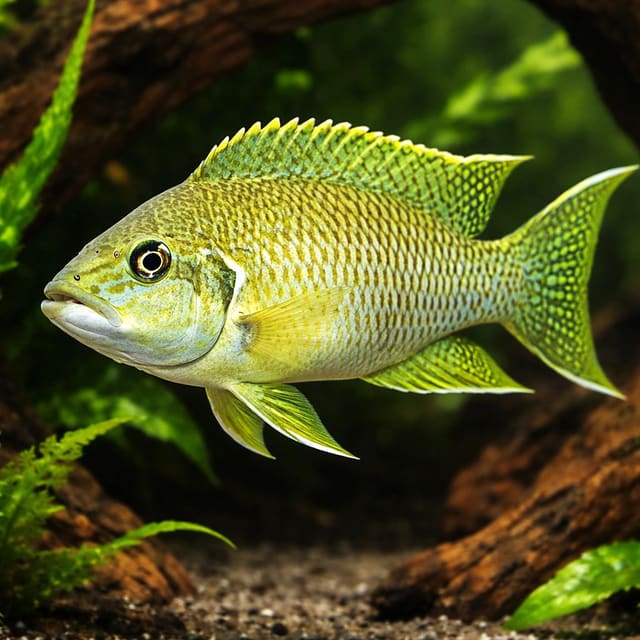
Olive Lamprologus (Lamprologus olivaceus)
23–27°C · pH 8–8.6
£15.99
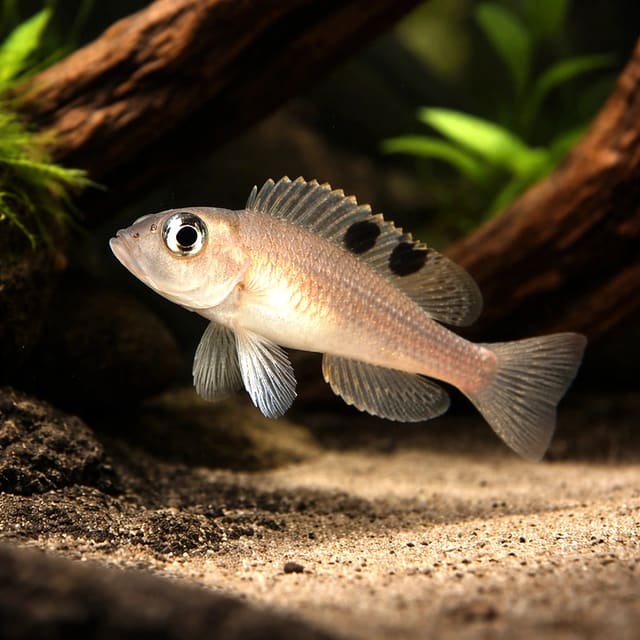
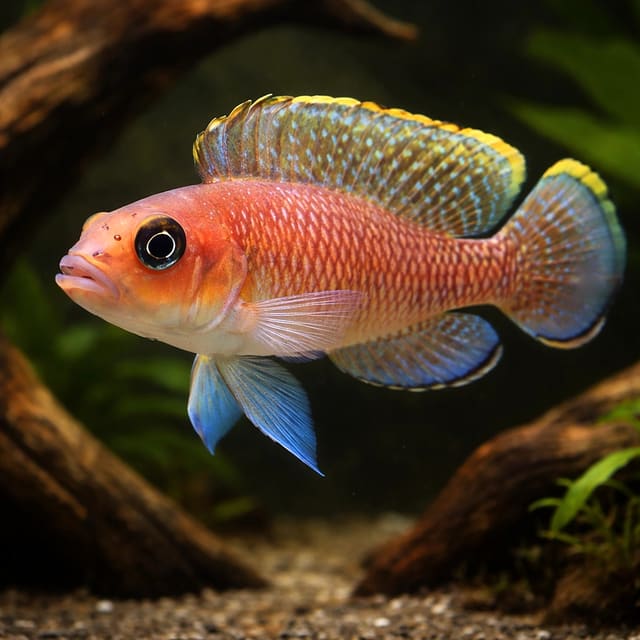
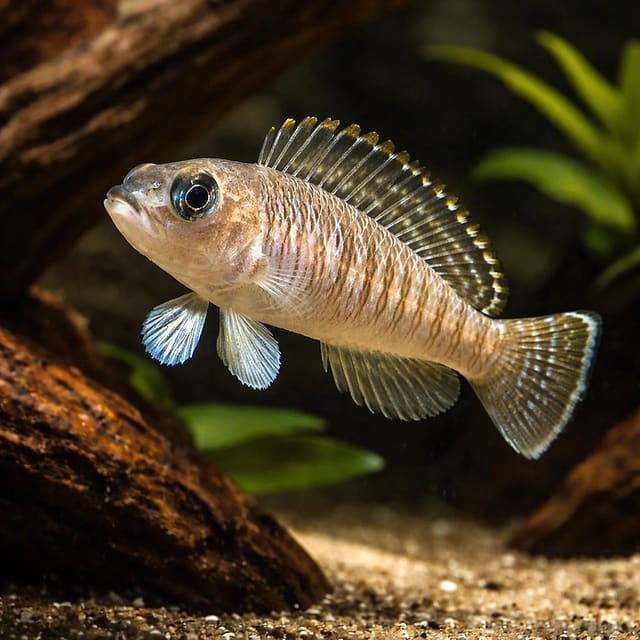
Gold form of Lamprologus mustax: a 5.5cm golden Tanganyikan for 60L+ hard, alkaline tanks with rocky territories. Semi-aggressive carnivore.
Adult size is the maximum length this species reaches at full maturity (scientific sources). The livestock you receive will be younger and smaller. Product-photo provenance and any image-specific limitations are stated on the listing.
Lamprologus mustax
Save when buying multiple fish. Each quantity is one fish; sex and pair formation are not guaranteed unless the selected variant explicitly states them.
Confirm your email, then we’ll send an availability message for this exact item if it returns within 180 days.
This request is only for this product—no newsletter or other promotions. A mail-provider retry may very rarely duplicate the same availability message. Unconfirmed addresses are removed after 48 hours. See our privacy policy.
Gold form of Lamprologus mustax: a 5.5cm golden Tanganyikan for 60L+ hard, alkaline tanks with rocky territories. Semi-aggressive carnivore.
Adult size is the maximum length this species reaches at full maturity (scientific sources). The livestock you receive will be younger and smaller. Product-photo provenance and any image-specific limitations are stated on the listing.
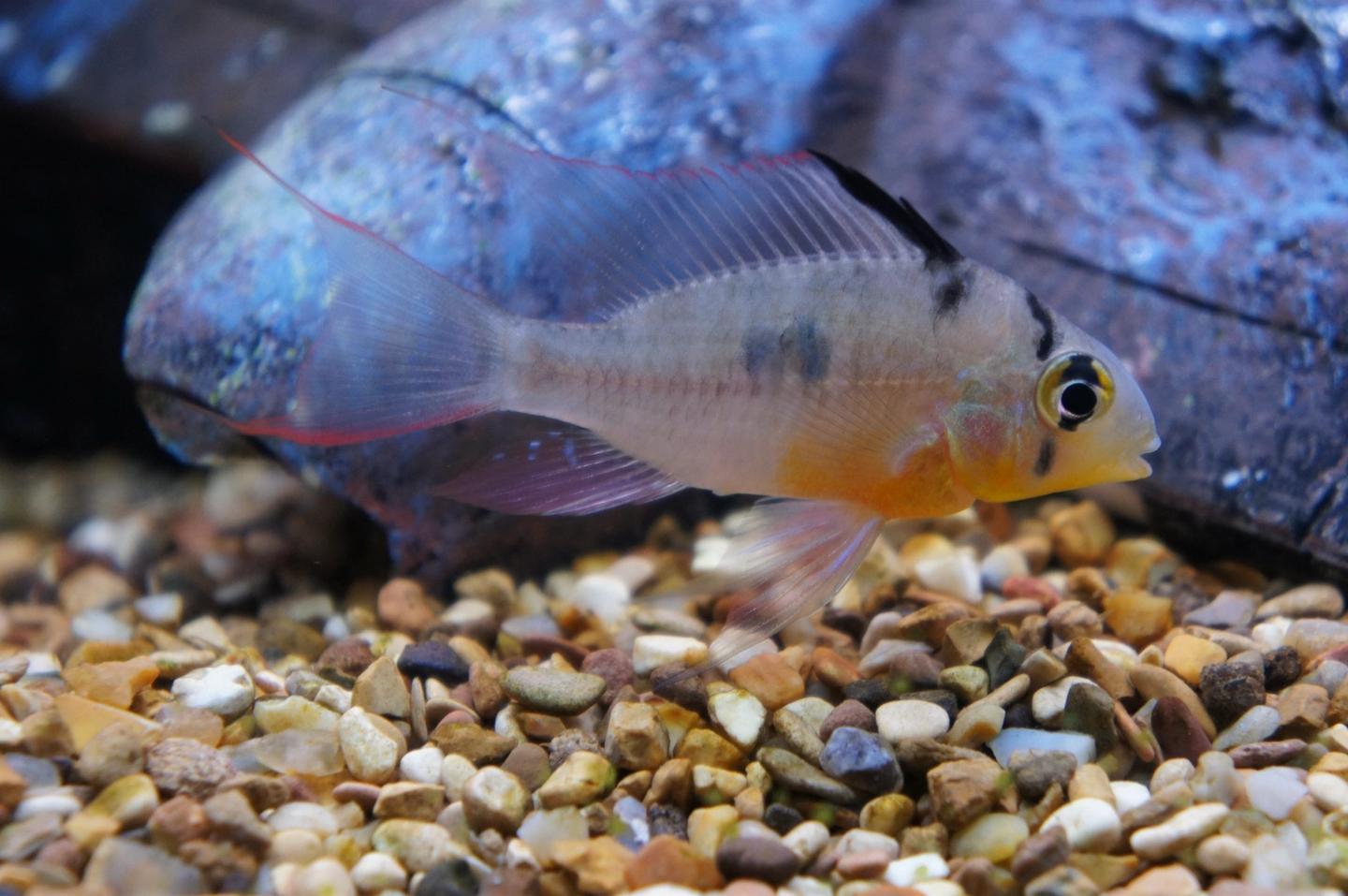
Cichlids are a family of roughly 1,800 accepted species, not one care type. Before buying, identify the exact species and source, then compare adult measurement, usable tank dimensions, social system, territory, tested water, diet and an exit plan. No family-wide minimum tank, water range or tank-mate list is safe.
Maintain these water conditions for optimal health and vibrant colors
Golden bodies are rare currency among Tanganyikan cichlids, which makes the Mustax gold (Lamprologus mustax gold) stand out immediately on any stock list. It wears the gold colouration its name promises on a compact 5.5 cm frame, and like the standard Mustax it lives low in the tank among the rockwork, where pale stone shows the colour off best.
Water chemistry on record is hard and alkaline — pH 7.5–8.5 with hardness from 10 up to a notably high 30 dGH — at temperatures of 23–27 °C. The minimum tank is just 60 litres, though its compatibility notes are clear that any tankmates need a spacious, well-structured layout with defined territories. It is a carnivore, rated at moderate care, semi-aggressive in temperament and specifically noted as territorial when breeding; the recorded lifespan is eight years, so plan for a long residency.
That 30 dGH ceiling deserves a second look — it is the highest hardness figure in this corner of our range, and it signals a fish with no patience for soft water in any form. The avoid list says the same thing from the other direction by naming tetras, discus and most livebearers explicitly. Build the tank for hard, alkaline conditions from the first bucket, hold the temperature at 23–27 °C, and the remainder of the care record is undemanding for anyone past their first cichlid. A 60-litre minimum keeps the entry cost modest, too.
House it with other small Tanganyikan cichlids of similar temperament in an appropriately sized, well-structured tank; small Tanganyikan catfish can join only where space and territories genuinely allow. The avoid list covers small fish that may be bullied or eaten, slow-moving or long-finned fish, aggressive large cichlids, and soft-water species such as tetras, discus and most livebearers.
Gold-form Mustax appear irregularly, so when your hard-water tank is ready it pays to move quickly. Dispatch to any UK address is by licensed live-animal courier with a live arrival guarantee.
No reviews for this item yet. Bought one? Honest reviews only, good or bad.
What customers say about ordering from us
Easy website plenty of info on fish your buying great to pick a time slot
TRACEY DURRANT · 7 Oct 2026
Got some lovely fish thank you
Kevin Mackie · 7 Oct 2026
Reviews of our shop, collected by Judge.me, an independent third-party review collector. Newest first.