Moderate
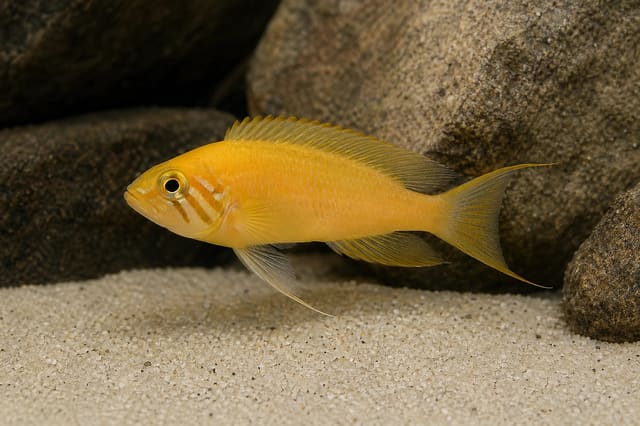
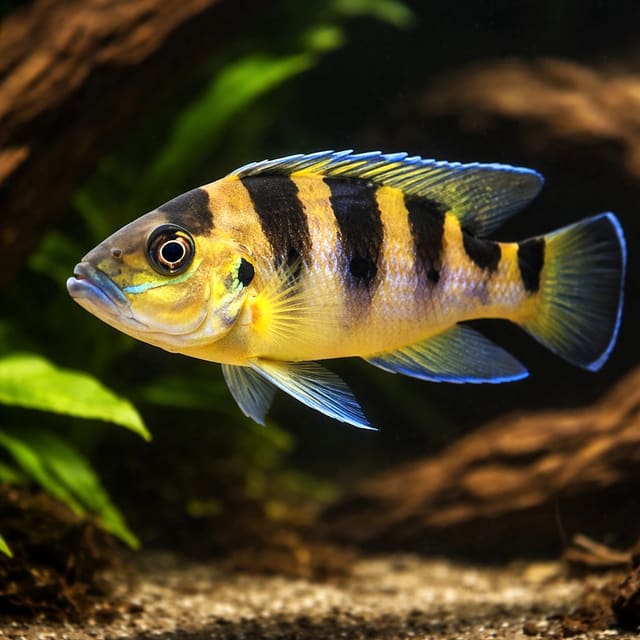
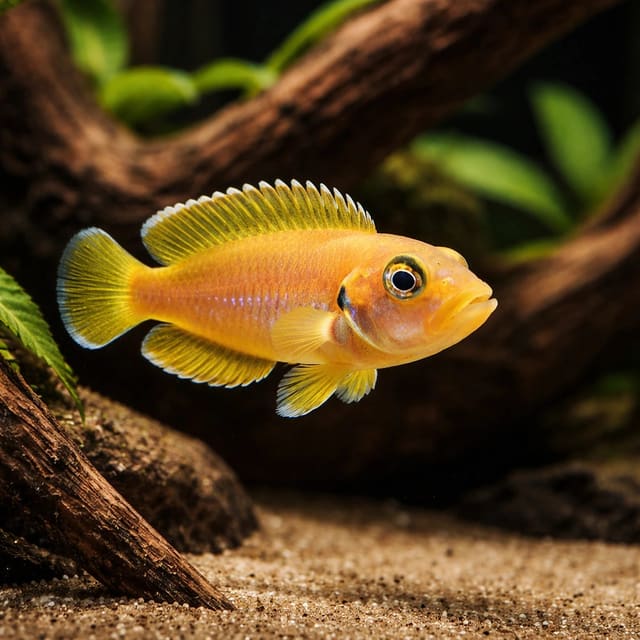
Gold Ocellatus Shell-Dweller (Neolamprologus ocellatus)
23–25°C · pH 8–9
£16.59
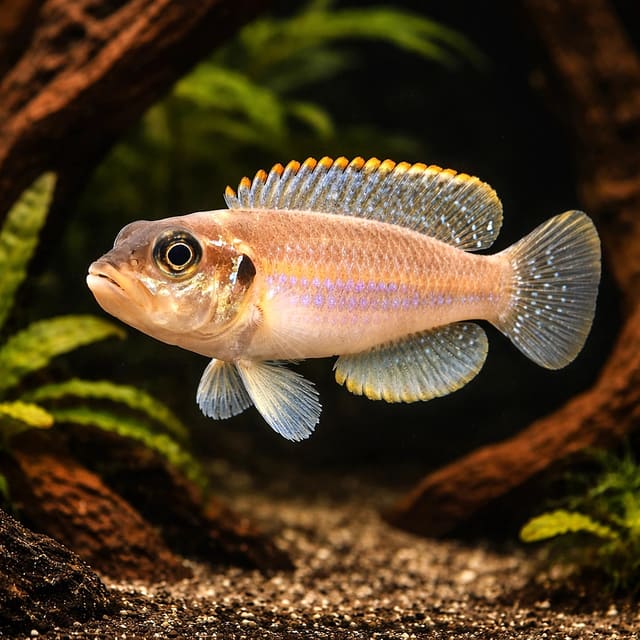
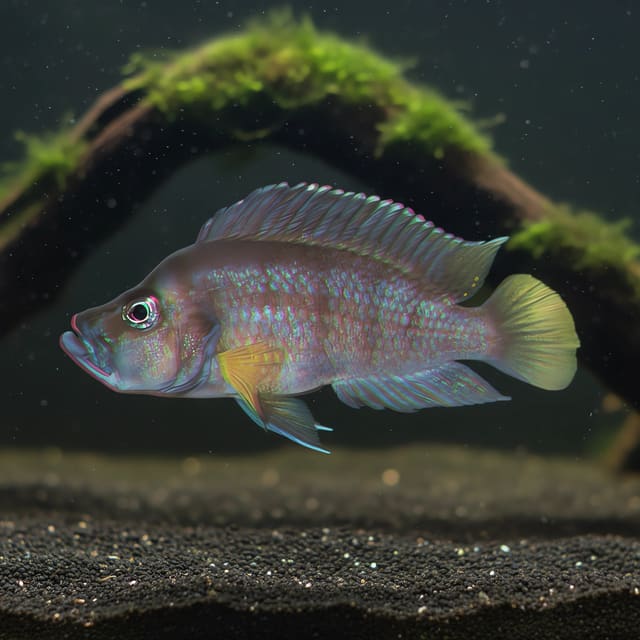
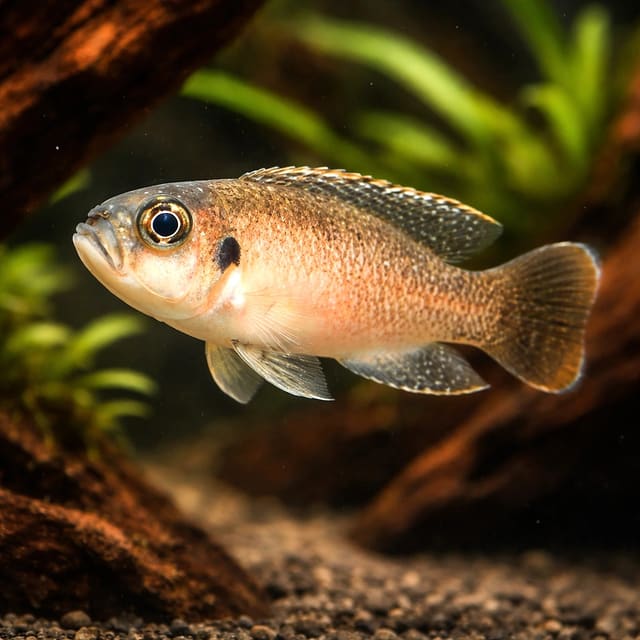
Lamprologus ornatipinnis is a Lake Tanganyika cichlid, sold as one live fish at 3.5–4 cm. It needs hard, alkaline water in a mature aquarium: OATA's broad guidance for African lake cichlids is 23–27°C and pH 8.0–8.6, with companions from Lake Tanganyika only.
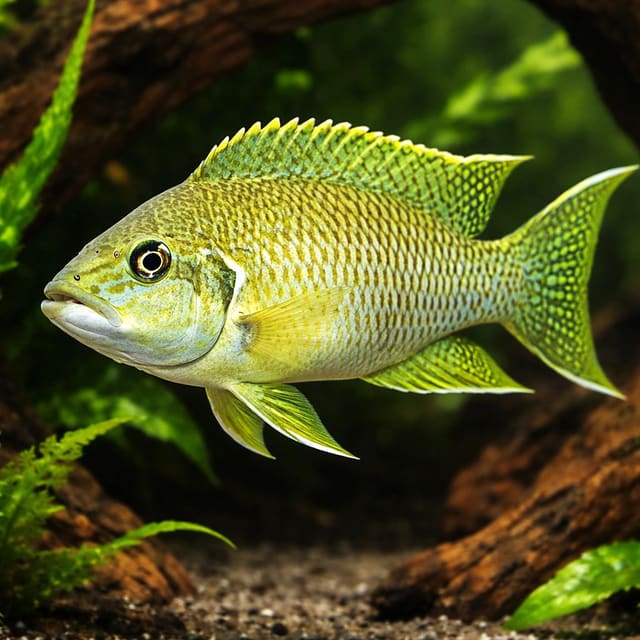
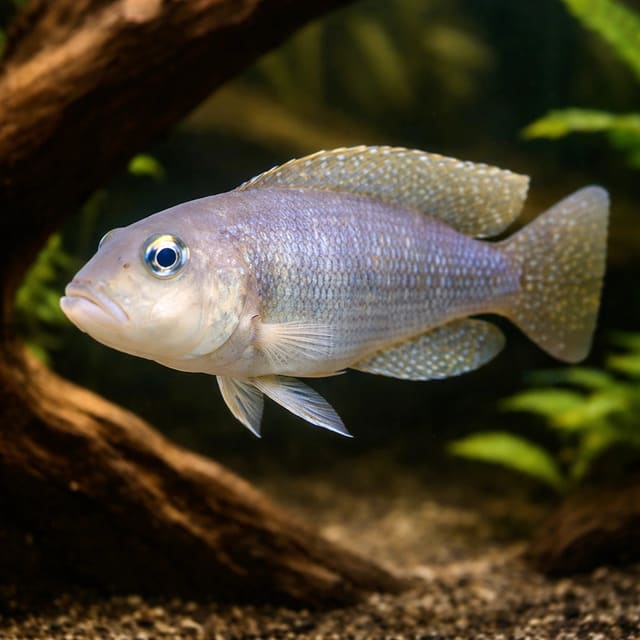
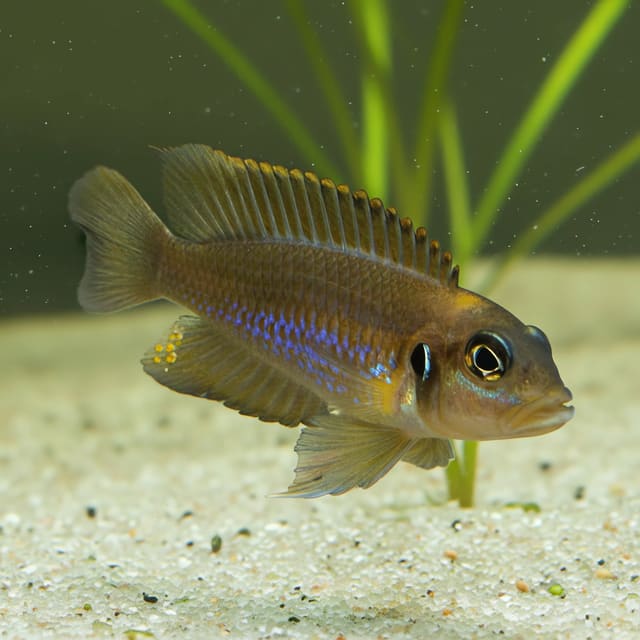
Lamprologus ornatipinnis
Save when buying multiple fish. Each quantity is one fish; sex and pair formation are not guaranteed unless the selected variant explicitly states them.
Lamprologus ornatipinnis is a Lake Tanganyika cichlid, sold as one live fish at 3.5–4 cm. It needs hard, alkaline water in a mature aquarium: OATA's broad guidance for African lake cichlids is 23–27°C and pH 8.0–8.6, with companions from Lake Tanganyika only.
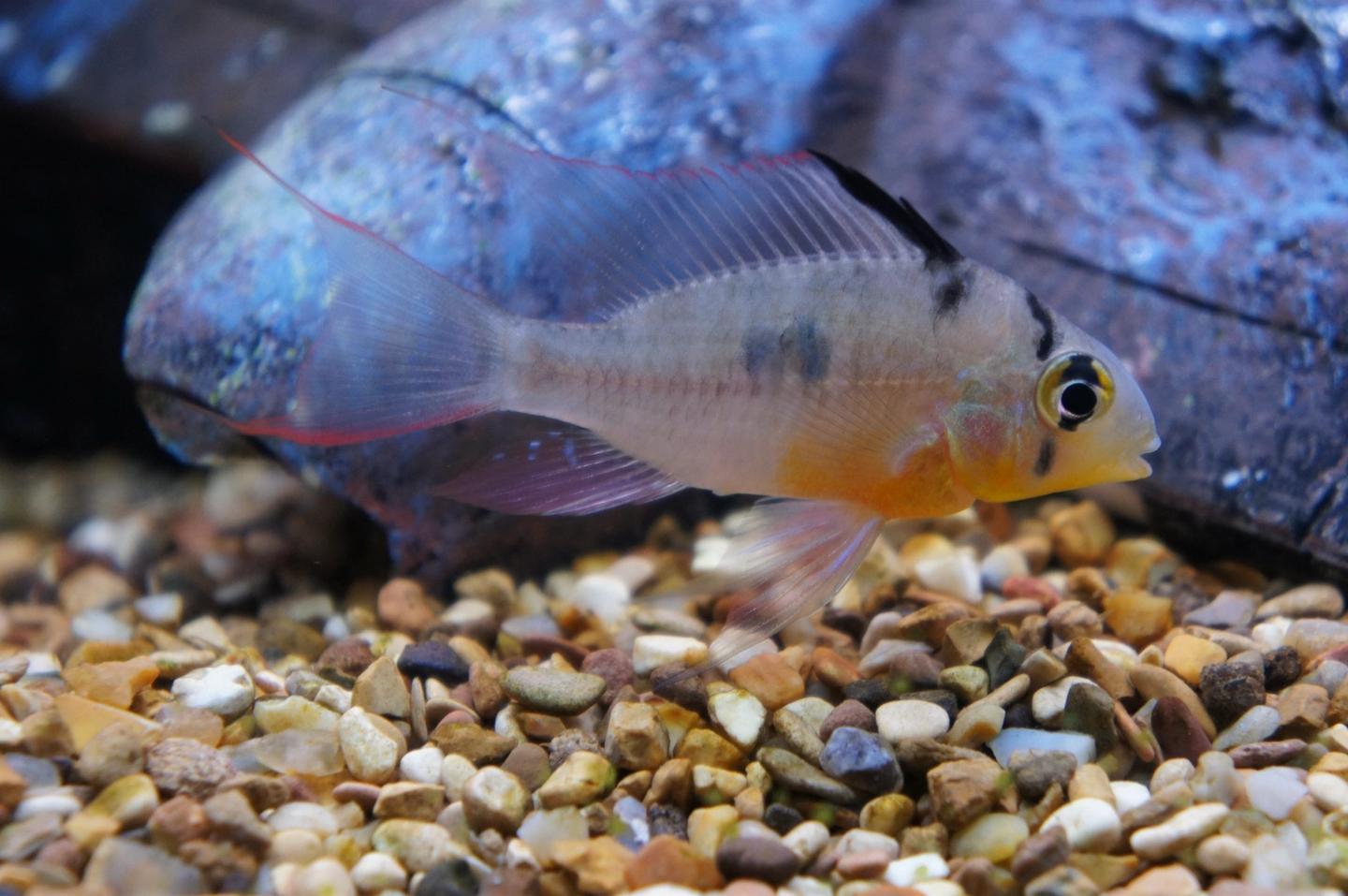
Cichlids are a family of roughly 1,800 accepted species, not one care type. Before buying, identify the exact species and source, then compare adult measurement, usable tank dimensions, social system, territory, tested water, diet and an exit plan. No family-wide minimum tank, water range or tank-mate list is safe.
Maintain these water conditions for optimal health and vibrant colors
Lamprologus ornatipinnis is a cichlid from Lake Tanganyika, the long rift-valley lake of East Africa, and it belongs in a Tanganyikan aquarium rather than alongside the better-known Malawi cichlids. Each purchase is one live fish, sent at 3.5–4 cm. The most important thing to know before ordering is that it needs hard, alkaline, very clean water, held steady in an aquarium that has already matured. If your tank is set up for soft or acidic water, it is not the right home for this fish.
The World Register of Marine Species lists Lamprologus ornatipinnis Poll, 1949 as an accepted species in the cichlid family, Cichlidae. You may also see it labelled Lamprologus ornatipinis, with a single "n" in the second word. Both labels are used for this same fish; ornatipinnis is the accepted spelling and the one used throughout this guide. It is normally sold under its scientific name, so that is the name to search for and to quote when you ask about it.
Sex is guaranteed only when the selected option explicitly states male or female. This Lamprologus ornatipinis listing has no sex-guaranteed option.
| Suits | Think again if |
|---|---|
| A keeper with a mature, cycled aquarium and a reliable test kit | The tank is new or has not finished maturing |
| Hard, alkaline water that you can keep stable week to week | Your aquarium runs soft or acidic water for other fish |
| A Lake Tanganyika community, or a tank planned around Tanganyikan fish | You hope to mix it with Lake Malawi cichlids |
| Buying more than one fish and planning space for them | You want one fish kept entirely on its own |
| A weekly routine of testing and a 25% water change | Maintenance often slips for a fortnight or longer |
Lake Tanganyika is one of Africa's famous cichlid lakes, alongside Lake Malawi and Lake Victoria. OATA names julies (Julidochromis species), fairy cichlids (Neolamprologus pulcher), Tropheus and frontosa (Cyphotilapia) among the most popular Tanganyikan cichlids in the aquarium trade, and African lake cichlids as a whole range from shell-dwelling species that grow to about 6 cm to frontosa at over 30 cm. Choosing Lamprologus ornatipinnis means planning the tank around Tanganyikan water and Tanganyikan companions from the start.
The care advice on this page follows the Ornamental Aquatic Trade Association's guidance for African lake cichlids as a group, together with the RSPCA's general advice on aquarium filtration. Those figures set out the water, tank and routine that Tanganyikan cichlids need; the care tab explains how to reach them and, just as important, how to hold them steady.
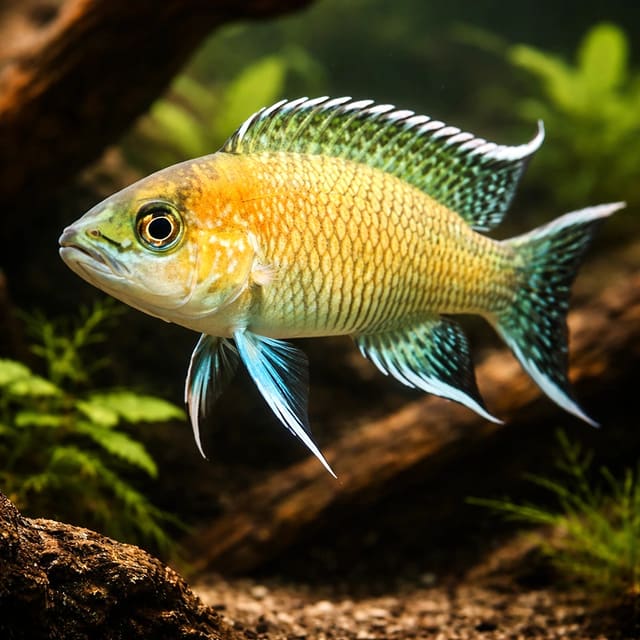
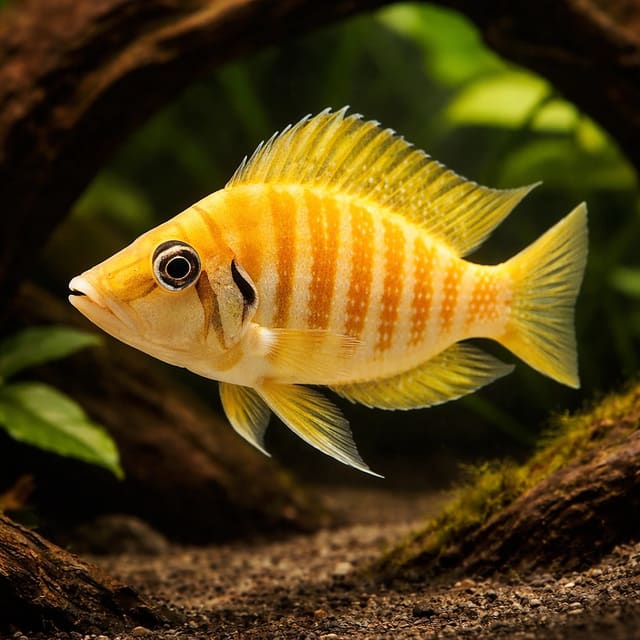
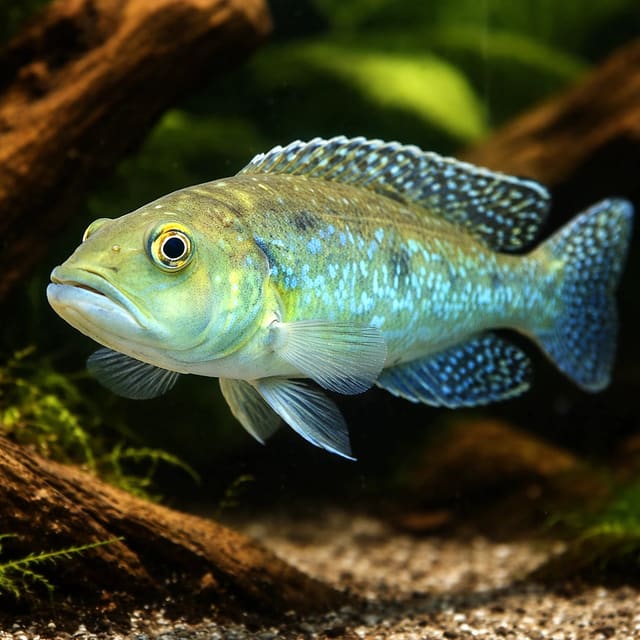
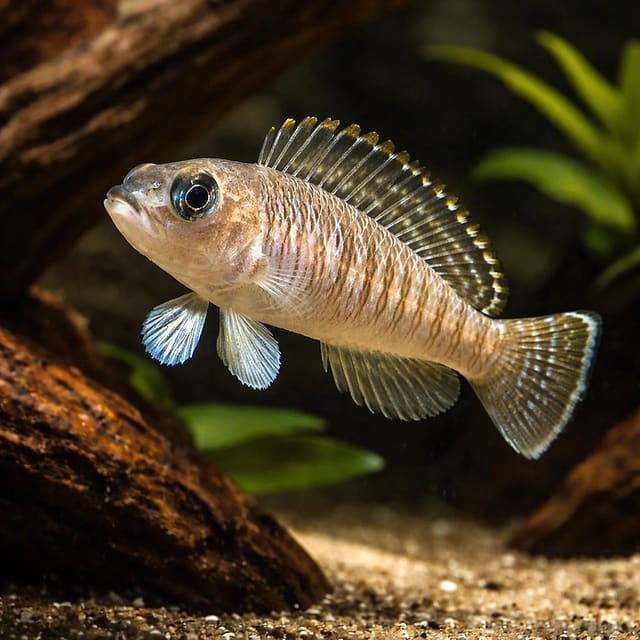
Gallery images have been digitally enhanced to improve image quality. Natural colour, pattern, size and maturity can vary between live animals.
A newly bought cichlid depends on a filter that is ready for it. Fish release ammonia into the water, and ammonia is toxic. In a working biological filter, beneficial bacteria convert that ammonia to nitrite, which is also toxic, and then to nitrate, which is safer. The RSPCA's aquarium welfare advice is blunt about it: no fish should be kept in a tank without a well set-up and maintained filter.
Those bacteria take time to build up, so set up, heat and run the aquarium well before you order, and check that ammonia and nitrite both read zero before the fish goes in. If this will be your first aquarium, our guide to preparing and maturing a first tropical tank takes you through the process step by step.
Stocking too quickly causes what OATA calls new tank syndrome. There are not enough nitrifying bacteria to deal with the extra waste, ammonia and nitrite rise to unhealthy levels, and fish may become ill or die. The bacterial population has to grow again every time more fish are added and feeding increases, so build up the numbers in stages rather than all at once.
OATA's advice for African lake cichlids is to buy, within reason, an aquarium as large as possible. A larger volume keeps its temperature and water quality more stable, and stability is what these fish depend on. For a sense of scale, OATA's group sheet says a pair of the smallest shell-dwelling species needs an aquarium at least 45 cm long, while frontosa, which can grow to over 30 cm, needs one of about 180 cm and sometimes more as the fish set up territories.
Those two figures mark the ends of a very wide range; neither is a measurement for this fish. For Lamprologus ornatipinnis, size the aquarium for the whole community you plan to keep, for adult fish rather than the size that arrives in the bag, and for the filtration that community will need. OATA expresses its minimums as tank length, so compare aquariums by length as well as by litres, and choose the longer tank when you are torn between two.
OATA recommends an oversized filter for African lake cichlids, because some lake communities are deliberately kept a little crowded, and vigorous aeration so there is plenty of dissolved oxygen. In practice that means a filter rated for a bigger aquarium than yours, run alongside an air pump or other aeration. An oversized filter also gives you more margin when you add fish, feed a little heavily or miss a maintenance day.
OATA recommends a fine coral sand, or a similar substrate, for African lake cichlid aquariums; coral sand helps to buffer the water towards the hard, alkaline conditions these fish need. OATA also notes that rearranging the décor can reduce aggression, as fish find new territories. That is a good reason to build the layout from separate groups of rock and ornaments that you can move without stripping the whole tank, with more than one place for a fish to settle.
A reliable heater with its own thermostat, checked against a separate thermometer, keeps the aquarium within the 23–27°C range given in the water section. Read the thermometer when you feed, so a failing heater is caught within hours rather than days.
The OATA care sheet for African lake cichlids describes these fish as specialised, needing particular water parameters. The values below are its guidance for the group, broad targets for lake cichlids generally rather than a species-specific optimum, and they are the range to keep Lamprologus ornatipinnis in.
| Measurement | Target for African lake cichlids |
|---|---|
| Temperature | 23–27°C |
| pH | 8.0–8.6 |
| General hardness (GH) | Hard, 12–18°dH |
| Carbonate hardness (KH) | Hard, 10–15°dKH |
| Ammonia | Zero |
| Nitrite | Zero |
| Nitrate | No more than 20 mg per litre above your tap water's level |
Nitrate is measured against your own tap water, so test the tap as well as the tank. If your tap water already carries 10 mg per litre, the aquarium should stay at or below 30.
Fill a clean container from the tap you will use for water changes, then test pH, general hardness and carbonate hardness. Enter the readings into our water matcher tool to see how they compare with the targets above. If the numbers are close, a coral sand substrate and regular water changes may be all you need to hold them. If your water is far softer or more acidic, you will be fighting it every week, and it is worth planning the tank around that before any fish arrives.
If the terms are unfamiliar, our guide to which aquarium water values to test and why explains what pH, GH and KH each describe and how they relate to one another.
| Reading | What to do |
|---|---|
| Ammonia or nitrite above zero | Feed less, carry out a partial water change with conditioned water, check the filter for blockages and test again the next day. Add no new fish until both read zero. |
| Nitrate more than 20 mg per litre above your tap water | Review how much you feed and keep to the weekly 25% change; if nitrate keeps climbing, change water more often. |
| pH below 8.0 | Check carbonate hardness, which helps hold pH steady, and make sure the substrate is coral sand or similar. Bring it up gradually over several water changes. |
| Temperature outside 23–27°C | Check the heater and thermometer against each other, and look for a heat source or draught near the tank. |
OATA strongly recommends a partial water change of 25% at least once every week for African lake cichlids. Good husbandry matters here because these fish can be stressed by even small amounts of ammonia, so the routine below is part of keeping them, not an optional extra.
The beneficial bacteria that turn ammonia into safer nitrate live in the filter media. Chlorine or chloramine in tap water can kill that bacterial population, which is why OATA advises never running a filter under the tap. Rinsing it lightly in the tank water you have just removed cleans off the sludge while losing far fewer of the bacteria.
A regular day each week works better than changing water whenever the tank looks dirty; a cichlid aquarium can look clear while nitrate is creeping upwards. If you go away, arrange for someone to test and change the water, or plan the break so the tank misses as little of its routine as possible.
OATA's guidance for African lake cichlids is to feed only what the fish can eat within a few minutes, twice a day. Take care not to overfeed. Uneaten food breaks down and releases toxic waste into the water, and in a hard-water cichlid tank that shows up first as rising ammonia and nitrite.
A fish sent at 3.5–4 cm needs food it can take in comfortably, so choose small pellets or granules, or crumble larger ones. Watch the first few feeds closely: you want to see the fish take food with interest and the portion gone within those few minutes.
Diets differ widely across African lake cichlids. OATA describes two ends of the range: herbivorous species such as Tropheus appreciate specialised cichlid foods with a high algae content, along with fresh vegetables, while some of the larger, more predatory species are carnivorous and need pellets with more animal content plus frozen foods such as brine shrimp, prawns or cockles.
For Lamprologus ornatipinnis, start with a good-quality cichlid food in a suitable size and build variety from there, noting what the fish accepts readily. If you are unsure what to offer, contact us with the foods you already have and we will help you choose.
OATA lists a change in body weight or condition, and a reduced intake or lack of interest in food, among the early warning signs of a problem, so a fish that stops feeding deserves a water test straight away.
Your fish is hand-packed by our team: hand-bagged in pure oxygen and packed in an insulated poly box, with a heat pack when the weather calls for it. A licensed live-animal courier carries the parcel on a tracked service, and we email the tracking number and your confirmed delivery date so you know when to be in. Someone must be at the address to receive it, because live fish cannot be left unattended. The full terms are on our delivery and Live Arrival Guarantee page.
The parcel must be opened and inspected on the day it arrives. If anything has gone wrong, contact us the same day, with WhatsApp the fastest route, sending your order number and the unboxing video, and we will arrange a replacement or refund.
Check before delivery day that ammonia and nitrite are at zero and that the temperature sits inside 23–27°C. OATA suggests adding some African lake cichlids in groups, so that no single newcomer receives unnecessary aggression while it settles, and adding more peaceful species before more aggressive ones. When you are building a new Tanganyikan community, plan the order of introductions before the first fish arrives.
The filter's bacteria have to catch up whenever fish are added and feeding increases, so test more often than weekly for the first couple of weeks after the fish goes in, and keep portions small. If ammonia or nitrite appear, follow the steps in the water section before adding anything else.
After release, watch rather than intervene, and give the fish time to explore and settle before you judge its behaviour.
OATA describes healthy fish as having clear, bright eyes, undamaged fins, intact scales and no ulcers or bumps. Look for those signs when the fish arrives, and use them as your yardstick afterwards.
Every fish varies a little in behaviour and appearance, but changes in the following areas help you spot a problem before it becomes serious:
If you are worried about any fish, test the water quality before anything else, then contact us with the readings. Because these cichlids can be stressed by even small amounts of ammonia, the test results are the first thing to check. A daily look at every fish at feeding time is the simplest early-warning system you have.
OATA's general rule for African lake cichlids is to stock them only with other species from the same location, which for Lamprologus ornatipinnis means a Lake Tanganyika community. Mixing Malawi and Tanganyikan cichlids is not generally recommended because of their differences in temperament and behaviour. Our African cichlid range includes fish from more than one lake, so check where each species comes from before you plan it into a tank with this one.
Sharing a lake does not make two cichlids good neighbours. African lake cichlids range from shell-dwelling species of about 6 cm to frontosa at over 30 cm, and their diets run from algae-grazing Tropheus to carnivorous predators. A Tanganyikan companion for Lamprologus ornatipinnis should also be close in size, similar in temperament and happy on the same foods, so that no fish is outgrown, bullied or outcompeted at feeding time.
Very few, if any, African lake cichlids do well when kept singly, and a fish kept alone is likely to become stressed. How many you should keep depends on the species, so plan for more than one fish and size the aquarium and filter to match. Each purchase is one fish and individual fish are not sexed, so if you are building a group, choose the number for the space you have rather than hoping for a particular mix.
Some lake cichlid species need slight overstocking, so that any aggression is spread out rather than falling on the weakest member of the group. That approach only works with the oversized filtration and weekly water changes described in the care tab.
African lake cichlids vary in size and temperament, so research each species' compatibility before you add it. OATA's practical advice fits naturally into a stocking plan:
Hard, alkaline, very clean water. OATA's broad guidance for African lake cichlids is 23–27°C, pH 8.0–8.6, general hardness 12–18°dH and carbonate hardness 10–15°dKH, with ammonia and nitrite at zero and nitrate no more than 20 mg per litre above your tap water.
Buy as large an aquarium as you reasonably can, because a bigger volume keeps temperature and water quality more stable. OATA's group guidance puts even a pair of the smallest shell-dwelling African lake cichlids in a tank at least 45 cm long, so size yours for the whole Tanganyikan community you plan to keep.
Plan for more than one. Very few, if any, African lake cichlids do well kept singly, and a lone fish is likely to become stressed. The right number depends on the species and your tank, so tell us the aquarium's length and current stock and we can help you plan.
It suits a keeper who already runs a mature, stable aquarium and is happy to test every week. African lake cichlids need particular water parameters and can be stressed by even small amounts of ammonia, so a brand-new tank is the wrong place to start.
Start with a good-quality cichlid food in pieces small enough to take comfortably, and add variety from there. Feed only what is eaten within a few minutes, twice a day, and avoid overfeeding, because uneaten food breaks down into toxic waste.
Treat it as a cichlid that may defend its own space. African lake cichlids vary in temperament, so add more peaceful species first, bring newcomers in as a group where you can, and rearrange the décor if one fish keeps being chased.
Other Lake Tanganyika species that share its hard, alkaline water and suit its size and temperament. OATA advises stocking African lake cichlids only with species from the same lake, and mixing Malawi and Tanganyikan cichlids is not generally recommended.
It is hand-bagged in pure oxygen, packed in an insulated poly box with a heat pack when needed, and carried by a licensed live-animal courier. Someone must be in to receive it. Record one continuous unboxing video from the sealed parcel to the fish still in its bag, then float the bag for 20–30 minutes before releasing it.
The care guidance on this page draws on these public sources. Each covers the scope described next to it.
Packing, courier and Live Arrival Guarantee details come from the Tropical Fish Co delivery page linked in the care tab.
No reviews for this item yet. Bought one? Honest reviews only, good or bad.
What customers say about ordering from us
Easy website plenty of info on fish your buying great to pick a time slot
TRACEY DURRANT · 7 Oct 2026
Got some lovely fish thank you
Kevin Mackie · 7 Oct 2026
Reviews of our shop, collected by Judge.me, an independent third-party review collector. Newest first.