

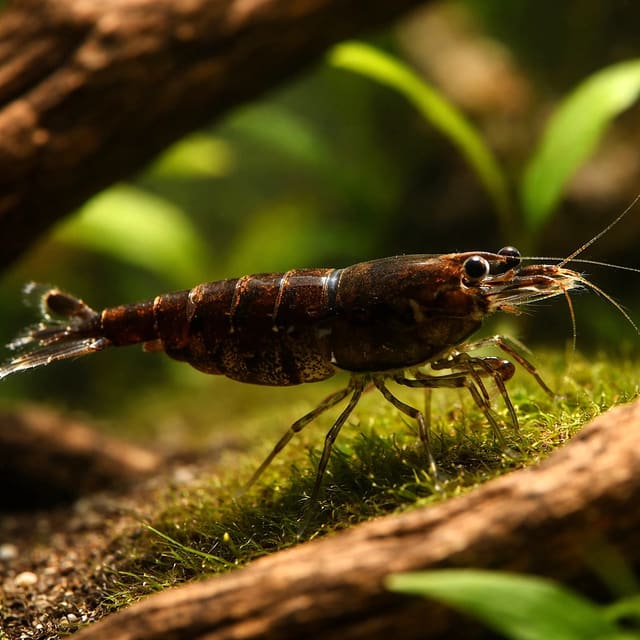
Easy to intermediate
Chocolate Cherry Shrimp (Neocaridina davidi)
18–26°C · pH 6.5–8 · 30L
£13.99

Specialist Lake Tanganyika featherfin cichlid for large hard-water aquariums, open swimming room and carefully planned tank mates. Best for experienced keepers.
Adult size is the maximum length this species reaches at full maturity (scientific sources). The livestock you receive will be younger and smaller — pick a size variant above for the actual shipping size. Product-photo provenance and any image-specific limitations are stated on the listing.
Ophthalmotilapia nasuta
Save when buying multiple fish. Each quantity is one fish; sex and pair formation are not guaranteed unless the selected variant explicitly states them.
Specialist Lake Tanganyika featherfin cichlid for large hard-water aquariums, open swimming room and carefully planned tank mates. Best for experienced keepers.
Adult size is the maximum length this species reaches at full maturity (scientific sources). The livestock you receive will be younger and smaller — pick a size variant above for the actual shipping size. Product-photo provenance and any image-specific limitations are stated on the listing.

Cichlids are one of the most diverse fish families in the hobby. From tiny apistogrammas to massive oscars, this guide covers the basics of keeping them well.
Maintain these water conditions for optimal health and vibrant colors
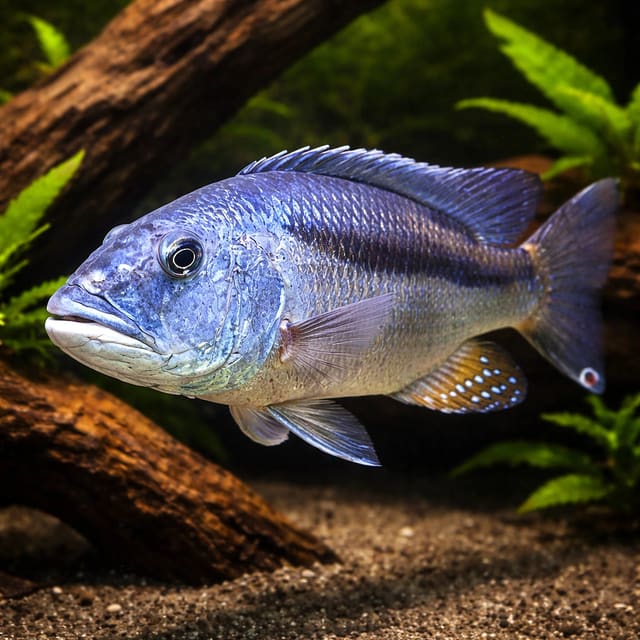
Long-Nosed Gold-Tip Cichlid (Ophthalmotilapia nasuta) is a specialist Lake Tanganyika featherfin cichlid for keepers who can offer hard, alkaline water and plenty of open swimming space. Young fish are already active and elegant, but adults become larger, territorial display fish, so plan the aquarium around their final behaviour rather than their sale size.
| Accepted scientific name | Ophthalmotilapia nasuta |
|---|---|
| Adult size | Up to about 18-20 cm |
| Minimum aquarium | 300 litres or larger; bigger for adult groups |
| Water | 23-27C, pH 7.5-8.5, hard alkaline water |
| Temperament | Active and semi-aggressive; best with planned Tanganyika tank mates |
Use fine sand, open swimming room and secure rockwork that breaks lines of sight without filling the whole tank. Strong filtration, high oxygen and steady mineral content matter more than heavy decoration. Avoid soft, acidic community setups.
Feed small floating or mid-water foods, fine cichlid pellets and frozen foods such as artemia, daphnia and mysis. Keep meals varied and controlled so the water stays clean.
Best choices are carefully selected Lake Tanganyika cichlids and suitable Synodontis in a large aquarium. Avoid timid fish, soft-water species, fin nippers and aggressive mbuna that may dominate the open water.
For other specialist Tanganyika setups, see our Nigriventris Cichlid, Titcha Mandarin Compressiceps and Yellow Head Kekese Cyprichromis.
Let me tell you about the Long-Nosed Gold-Tip Cichlid, Ophthalmotilapia nasuta. If you like Tanganyikan cichlids with real character, this one’s a gem. It’s got that unmistakable long snout, those golden fin tips, and a look that makes you stop and stare. At four to five centimetres, they’re still young, but you can already see the shape of the adult fish in there. And once they settle in and grow, they become one of those fish that really gives a specialist aquarium its identity. Now, this fish comes from Lake Tanganyika in East Africa, and that tells you a lot straight away.
This is one of the oldest and most mineral-rich lakes on Earth, and the water there is famously clear, hard, and alkaline. Ophthalmotilapia nasuta lives along rocky shorelines and intermediate depths, usually between five and forty metres. They’re found over sandy patches next to rocks, which gives them both shelter and open space. That mix matters. They’re not tucked away in dense cover all day. They’re out in the water column, feeding and displaying, with males setting up small territories and performing elaborate courtship dances.
There’s something really special about fish that come from a place with such stable conditions. You can almost see that ancient lake in the way they behave. What really stands out, of course, is the appearance. The body is sleek and laterally compressed, so they’ve got that elegant, streamlined Tanganyikan shape. But the long nose is the headline. It gives them a very distinctive profile, and it’s not just for show. It reflects the way they feed in the wild, targeting tiny organisms in the water column.
The males are the ones that really steal the scene. They develop intense golden-yellow tips on the dorsal and caudal fins, and that colour sits beautifully against a silvery-blue base. It’s a lovely contrast. Females are usually less colourful, but they still keep that characteristic long snout. When breeding males are in the mood, the golden accents deepen even more, and they may show vertical barring along the flanks. If you’ve ever watched a cichlid really switch on, you’ll know that moment. The whole fish seems to change.
For the tank, you’ll want to think spacious and structured at the same time. A minimum of three hundred litres is essential. That’s not the kind of fish you squeeze into a small setup and hope for the best. They need room to swim, room to establish territories, and room for their natural behaviour to come through. A Lake Tanganyika style aquarium suits them best. Start with a substrate of fine sand or small-grain gravel. Then build in substantial rockwork, with caves and clear boundaries.
Vertical rock structures are especially useful, but don’t overdo it to the point where the tank loses its open feel. These fish spend plenty of time in mid-water, so they need swimming space as much as shelter. Bright to moderate lighting works well, because it reflects the clear waters they come from. Strong water movement is important too, along with high oxygenation. Powerful filtration is a must, and supplemental circulation pumps can help keep things lively. If you like plants, use hardy types that can handle alkaline conditions, such as Vallisneria or Anubias.
Or simply go with rock décor alone. One really useful tip here is to keep a harem ratio of one male to three or four females. That helps reduce aggression and encourages more natural display behaviour. It also gives you a better chance of seeing those fascinating courtship interactions. Water quality needs to be right, and it needs to stay right. Keep the temperature between twenty-four and twenty-eight degrees Celsius. Maintain the pH between seven point eight and nine point zero. Hardness should sit around ten to twenty dGH.
This is hard, alkaline water, and that isn’t optional for this species. Stability is just as important as the numbers themselves. Sudden shifts can stress them out and lead to problems. Ammonia and nitrite should always be zero, and nitrates should be kept below twenty parts per million through regular water changes. Aim for around twenty-five to thirty per cent each week. Good oxygenation is crucial, because Tanganyikan cichlids really don’t like stagnant or oxygen-poor conditions. A reliable test kit is a very good idea, especially if you’re adjusting mineral levels.
This is one of those fish where the water really is the foundation of everything. Feeding them is straightforward once you understand what they are. Ophthalmotilapia nasuta is primarily a planktivore and micro-predator, so you want a varied diet centred on high-quality cichlid pellets or small floating foods. Then build around that with frozen and live foods such as mysis, brine shrimp, daphnia, and other small zooplankton-like foods. That kind of diet matches what they’re adapted to take in nature. Because they feed in the water column, floating foods make a lot of sense.
You’ll often see them taking food with that upturned mouth, almost picking delicately from the flow. Feed a balanced amount rather than overdoing it, and keep the diet varied. That helps support good condition and colour. If you’ve ever kept fish that only want one thing, you’ll appreciate how much easier life is when they accept a sensible mix. This species does best with regular, thoughtful feeding rather than random treats. Behaviour-wise, they’re active, but not in a frantic way. They spend time in the middle of the tank, and they can be very engaging to watch.
You’ll notice them moving through the open water, then pausing near the rockwork, then back out again. Males are especially interesting because they establish small display territories and perform courtship dances. That’s one of the joys of keeping Tanganyikan cichlids. There’s always something going on, even when the tank looks calm at first glance. They can become territorial, though, so don’t mistake their elegance for softness. They’ve got a semi-aggressive temperament, and they’ll let other fish know when they’re too close. The good news is that, in the right setup, their behaviour becomes part of the appeal rather than a problem.
Compatibility needs a bit of care, and this is where experience really helps. The best tank mates are other Lake Tanganyika cichlids of similar size and temperament. That’s the safest and most natural route. Some peaceful Tanganyikan cichlids can also work, but only in appropriately sized tanks where everyone has space. Synodontis catfish are another good option, and they fit the African cichlid feel very well. What you want to avoid are small fish that could be bullied or eaten. Soft-water community fish are out too, because they need very different conditions.
Very aggressive Mbuna or large predatory cichlids are a bad match, since they’ll create stress and likely push this fish around. Fin-nipping species are also a poor choice, because those lovely golden tips are exactly the sort of thing that gets targeted. Overly timid species won’t fare well either, because a territorial Tanganyikan setup can be too much for them. The key is matching size, temperament, and water requirements. If you do that, the tank makes much more sense, and the fish settle far better.
Breeding is one of the most interesting parts of keeping them. Males establish display territories and put on quite a show. In a proper harem setup, with one male and three or four females, you’re more likely to see natural behaviour and less likely to see unnecessary aggression. Breeding males become even more striking, with stronger golden fin accents and those vertical bars on the flanks. The courtship itself is all about display and interaction, which is exactly what makes Tanganyikan cichlids so rewarding. You don’t need to get too deep into breeding to appreciate it.
Even just seeing the male work his territory and court the females gives you a real sense of the species’ natural rhythm. In terms of health, the big thing is water stability. These fish are intolerant of poor conditions, stagnant water, or oxygen depletion. That’s where most problems start. Keep ammonia and nitrite at zero, and don’t let nitrates creep up. Regular water changes really matter here. Because they need hard, alkaline water, using the right mineral balance is part of prevention too. Stress from unsuitable tank mates or sudden parameter changes can also cause trouble.
If you keep the environment steady and the diet varied, you’re giving them a much better chance of staying in good condition. What I love about this species is that it rewards proper setup. It’s not a fish for cutting corners, but it’s absolutely worth the effort. You get that unique long-snouted profile, the golden fin tips, the Tanganyikan behaviour, and a fish that really brings a specialist aquarium to life. At Tropical Fish Co, we’re all about helping you choose fish that suit your tank and your experience level, and this is exactly the kind of species where good advice makes all the difference.
If you’re building a Lake Tanganyika setup and want something with personality, colour, and a bit of presence, the Long-Nosed Gold-Tip Cichlid is a brilliant choice.
18–26°C · pH 6.5–8 · 30L
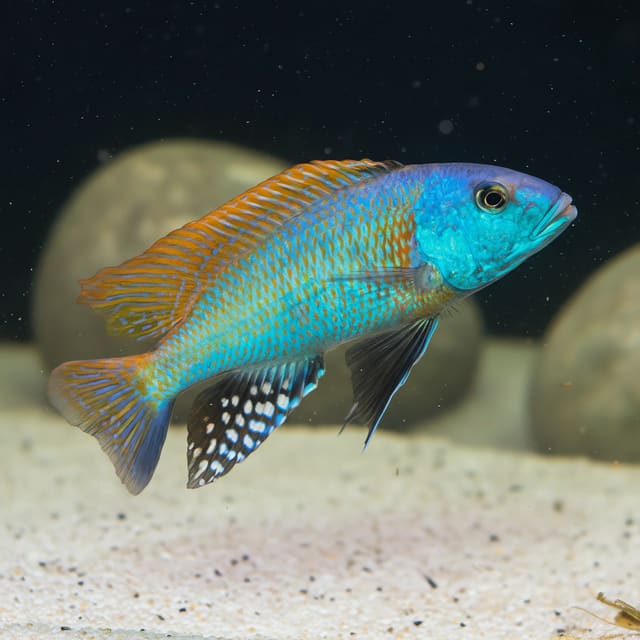
23–27°C · pH 7.4–8.4 · 1000L
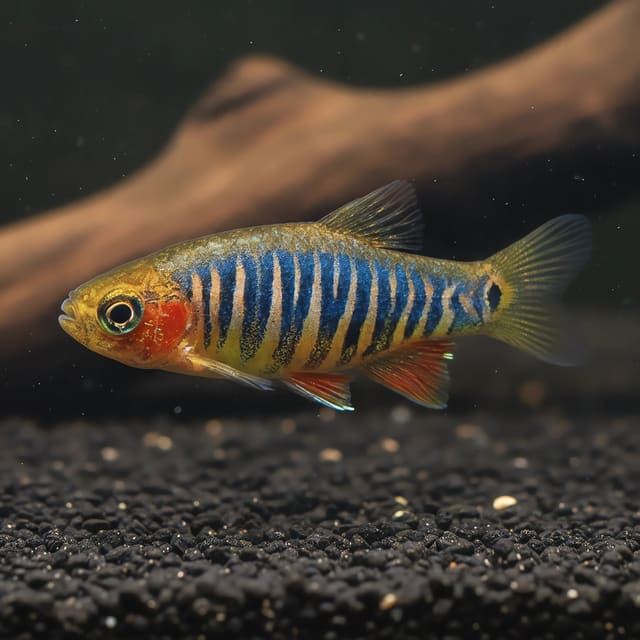
20–24°C · pH 7–8 · 45L
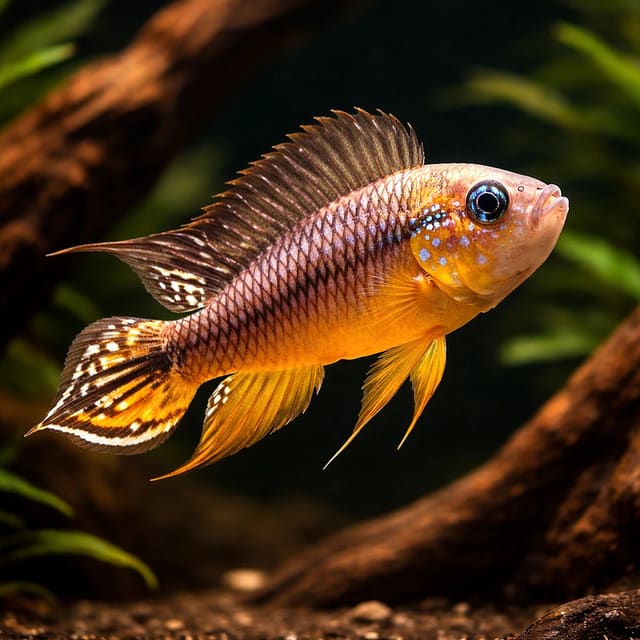
24–28°C · pH 5.5–7 · 60L
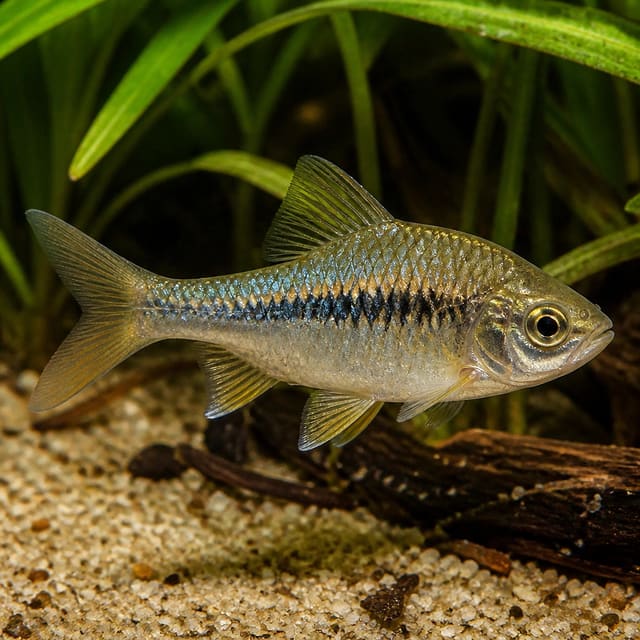
18–25°C · pH 6–8 · 100L
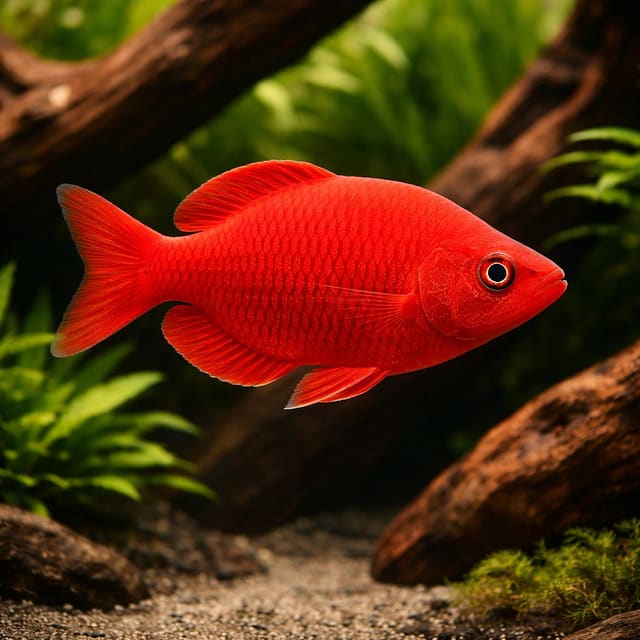
24–28°C · pH 7–8 · 120L
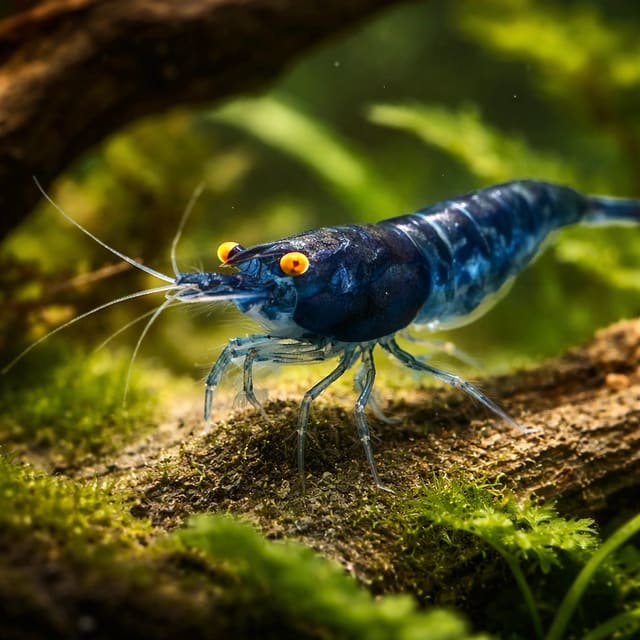
18–28°C · pH 6.5–8 · 20L
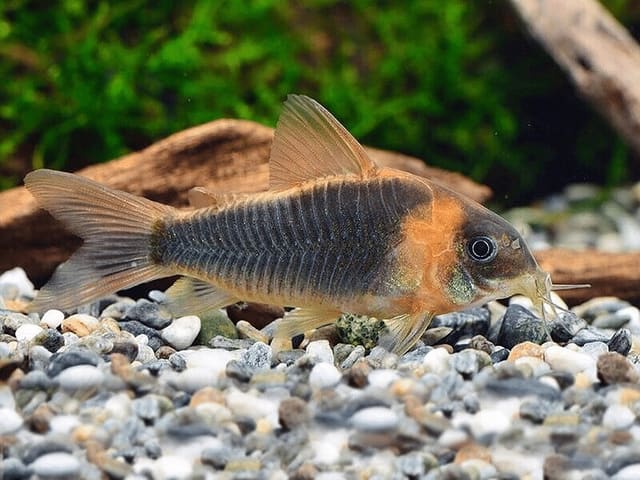
22–26°C · pH 6–7.5 · 60L
24–28°C
24–28°C · pH 7.5–8.5 · 500L
22–28°C · pH 7–8.5 · 10L
24–27°C · pH 7.5–9 · 250L
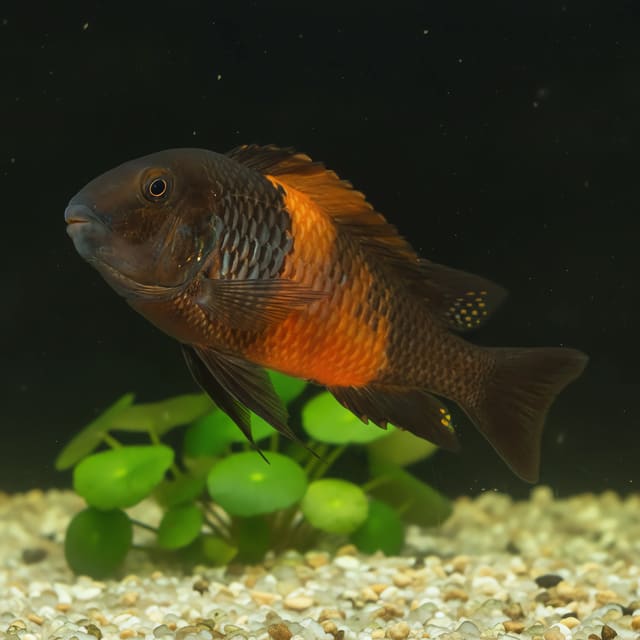
24–28°C · pH 8–9 · 300L
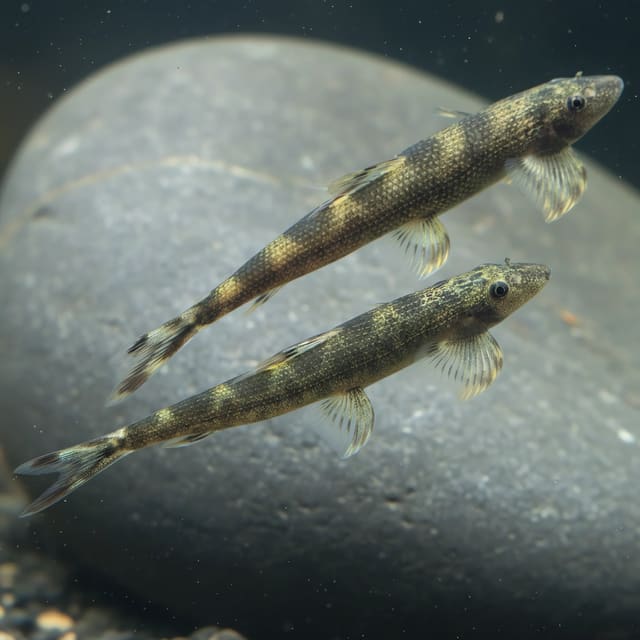
20–25°C · pH 6–7.5 · 80L
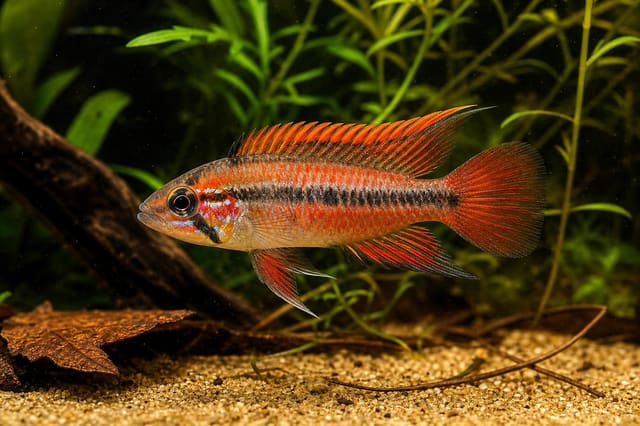
24–28°C · pH 5.5–7 · 60L
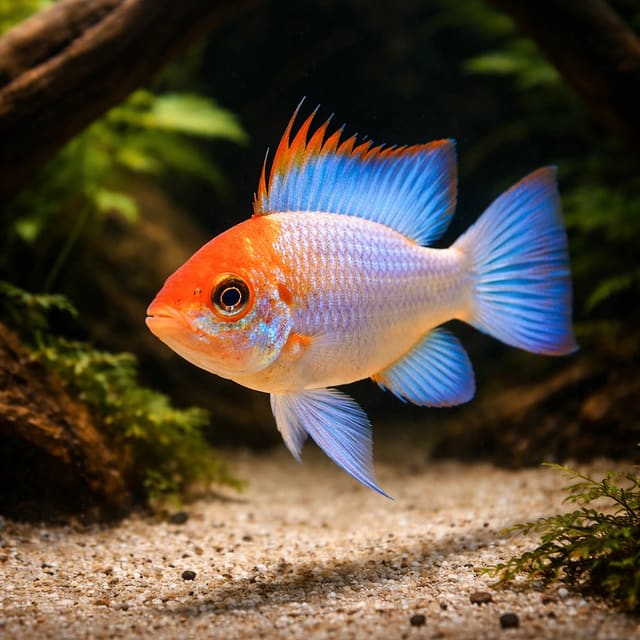
26–30°C · pH 5.5–7 · 60L