Aulonocara sp. 'Firefish' - Tropical Fish for Sale UK
24–28°C · pH 7.5–8.5 · 200L

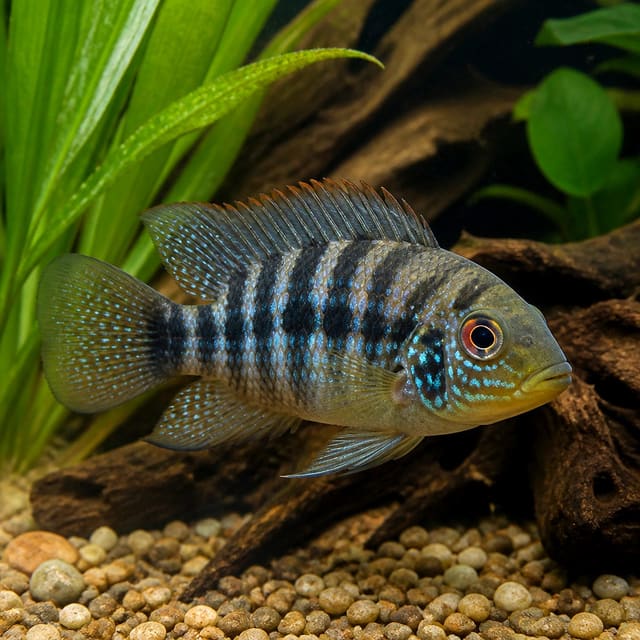
Parachromis motaguensis
A striking, powerful Central American cichlid with bold patterning and a commanding presence, best suited to experienced keepers with very large aquar.
Maintain these water conditions for optimal health and vibrant colors
The imposing Motaguense Cichlid (Parachromis motaguensis) represents one of Central America's most impressive and challenging freshwater predators. This magnificent species originates from the river systems of Honduras through Costa Rica, where it has evolved into a powerful, intelligent, and beautifully patterned apex predator. Now available for sale UK through specialist suppliers of large cichlids, this species brings commanding presence and fascinating behavior to appropriately sized aquariums. The Motaguense Cichlid appeals particularly to experienced aquarists seeking a true showpiece predator with substantial size, complex behavior, and striking appearance. However, prospective keepers must fully understand and commit to providing the very large aquarium, specialized care, and long-term dedication this demanding Central American requires for successful maintenance.
The Motaguense Cichlid showcases impressive size and powerful build, reaching an imposing 35-40 cm in length with robust, deep-bodied proportions reflecting its predatory lifestyle. The species displays variable coloration that shifts dramatically with mood, stress level, and breeding condition. Base coloration typically ranges from grey-silver to golden-tan, overlaid with bold black barring or spotting patterns that may be more or less prominent depending on circumstances. Many specimens develop rich copper, orange, or reddish tones particularly around the head and ventral regions. The pattern often consists of large irregular blotches or broken barring rather than the clean vertical stripes seen in some related species. Males develop a pronounced nuchal hump on the forehead as they mature, becoming particularly prominent in dominant individuals and during breeding periods. The mouth is large and powerful, equipped with substantial teeth capable of inflicting serious damage to tankmates or unwary hands during maintenance. Finnage is substantial and well-developed, with the dorsal fin showing impressive height and length. The eyes are relatively large with intelligent, alert expression. Juvenile coloration differs markedly from adults, typically showing more pronounced barring that gradually breaks up into the adult pattern as fish mature over 12-18 months.
Throughout its Central American range, particularly in the Lake Managua region of Nicaragua and river systems from Honduras to Costa Rica, Parachromis motaguensis inhabits diverse freshwater environments including rivers, lakes, lagoons, and associated backwaters. The species occupies apex predator niches in these ecosystems, hunting smaller fish, invertebrates, and occasionally terrestrial prey items that fall into the water. Natural habitat features varied substrates from sandy and muddy bottoms to rocky areas with caves, submerged logs, and root systems providing ambush points and territorial markers. Water chemistry tends toward neutral to slightly alkaline with moderate to high hardness, though the species tolerates considerable variation. Temperatures remain consistently warm throughout most of the range, typically 24-30°C year-round. Water flow varies from still or slow-moving in lakes and backwaters to moderate current in river environments. The ecosystem features intense competition among predatory species for food resources and territory, contributing to the Motaguense's aggressive nature and territorial behavior. Seasonal flooding can dramatically alter habitat structure and food availability, with the species adapting its behavior and territory selection to changing conditions. The natural diet consists predominantly of smaller fish, with additional protein from large invertebrates, insects, and crustaceans opportunistically consumed.
Housing a Motaguense Cichlid represents a substantial commitment requiring aquarium dimensions and volume far exceeding standard setups. An absolute minimum 750-litre aquarium is essential, with 1000+ litres strongly recommended for optimal welfare and any hope of community keeping. The tank must be robustly constructed with reinforced seams and stand capable of supporting such massive water volume. Provide secure, well-fitted heavy lids as these powerful fish can jump and may attempt escape if startled. Substrate should be sand or fine gravel 4-6 cm deep—expect significant digging and territory rearrangement regardless of substrate choice. Aquascaping must balance open swimming space with territorial markers and visual barriers. Use only large, extremely heavy rocks and massive driftwood pieces positioned directly on tank base to prevent toppling, as these fish possess strength to move substantial objects. Create distinct territory zones if attempting any tankmate housing. Planting is generally unsuccessful given the species' destructive tendencies, though extremely robust species like large Amazon swords positioned in protected corners may survive temporarily. Filtration must be industrial-strength, capable of handling the immense bioload these large predators produce—target turnover rates of 10+ times tank volume hourly using oversized canister systems, sumps, or multiple filters operating together. Water movement should be moderate, ensuring excellent oxygenation throughout such large volume. Lighting is flexible, as the species adapts to varying levels. Maintain pristine water quality through massive weekly water changes of 50%+ using a python system or similar efficient method—water quality management in very large systems requires dedication and appropriate equipment. Never underestimate the space, filtration, and maintenance requirements these impressive cichlids demand.
The Motaguense Cichlid is a dedicated carnivore requiring substantial protein intake to support its large size and active metabolism. Quality carnivore pellets or sticks designed specifically for large predatory fish should form the dietary foundation, providing balanced nutrition including essential vitamins and minerals often lacking in whole-prey diets. Supplement generously with frozen foods including large prawns, krill, mussel meat, whole fish items, and squid. Earthworms provide excellent nutrition and enrichment. Whole fish can be offered occasionally but should never form the bulk of diet due to thiaminase concerns and disease transmission risk—always quarantine and feed responsibly sourced food fish if used at all. Avoid mammalian meats (beef heart, chicken) which can cause digestive issues and fatty deposits over time despite their popularity with some keepers. Feed juveniles daily with portions they can consume within 5 minutes, reducing to 4-5 times weekly as adults reach full size to prevent obesity. Large predatory cichlids can become remarkably obese in captivity when fed excessively without natural exercise opportunities. The species displays vigorous, often aggressive feeding behavior—use feeding tongs to deliver food safely and avoid placing hands in the tank during feeding time. Remove any uneaten food promptly to maintain water quality in these high-bioload systems. Some specimens may become trained to hand-feed, though this practice carries injury risk given the powerful jaws and should be approached with extreme caution.
Invest in truly massive filtration from the outset rather than upgrading incrementally—large predatory cichlids produce extraordinary waste, and water quality lapses in very large systems are difficult and expensive to correct. Dual canister filters or a sump system with protein skimmer provide the robust filtration these species absolutely require.
The Motaguense Cichlid exhibits powerful territorial behavior and predatory instincts that dominate every aspect of its aquarium life. Males establish extremely large territories encompassing entire aquariums smaller than recommended minimums, defending these domains aggressively against all perceived competitors. Territorial displays involve impressive fin spreading, body intensification, and aggressive charges toward intruders—when displays fail to resolve conflict, violent physical combat can result in serious injury or death. The species demonstrates considerable intelligence, learning to recognize individual keepers, anticipating feeding schedules, and even manipulating owners for additional food. Despite size and aggression toward other fish, many specimens become remarkably interactive with trusted keepers, approaching glass when people enter the room and displaying apparent awareness beyond typical fish cognition. Hunting behavior is fascinating to observe—the fish stalks prey with patient stealth before launching explosive strikes of surprising speed given its bulk. Resting behavior often sees the species wedged into caves or lying against the substrate, perfectly still while conserving energy between feeding and territory patrol. Constant aquascaping rearrangement is typical, with fish digging extensively and moving decor according to their preferences regardless of the aquarist's original design. When breeding pairs form, their bond becomes intense with coordinated territory defense, though the breeding aggression can be overwhelming even in very large aquariums.
In practical terms, tankmate options for the Motaguense Cichlid are extremely limited, with species-only setups representing the safest and most practical approach for most aquarists. Any community attempts require truly massive aquariums exceeding 1500 litres with extensive territory divisions, and even then success depends heavily on individual temperament and considerable luck. Potential companions exist only among the largest, most robust Central American cichlids of similar size and aggression levels—species like adult Dovii, Umbee cichlids, or other Parachromis species, though mixing such aggressive predators creates volatile, high-risk situations. Large, heavily armored catfish like massive common or sailfin plecos may survive if the aquarium provides adequate bottom territory, though harassment remains possible. Extremely large silver dollars or pacus might coexist in truly enormous aquariums due to their non-competitive nature and swimming speed, though even these face potential predation. Absolutely avoid all small to medium fish which will be immediately viewed as food, slow-moving species that cannot escape attacks, and any fish lacking size and temperament to defend themselves. The overwhelming majority of successful Motaguense keepers maintain these impressive predators individually or as bonded pairs in dedicated species aquariums where their magnificent presence can be appreciated without constant concern for tankmate welfare. Accept that this species' nature fundamentally limits community possibilities—attempting inappropriate combinations typically results in dead tankmates and expensive lessons.
Breeding the Motaguense Cichlid offers experienced aquarists fascinating insights into large predatory cichlid reproduction, though the process intensifies their already formidable aggression to potentially dangerous levels. Pairs form naturally from juveniles raised together, as introducing adults almost inevitably results in violence. Bonded pairs demonstrate remarkable coordination and devotion, though their combined aggression during spawning makes tankmate casualties virtually inevitable. Spawning occurs on carefully selected flat surfaces including large rocks or aquarium glass, which the pair cleans meticulously before egg deposition. The female lays hundreds to over a thousand adhesive eggs in organized rows while the male follows to fertilize them. Both parents share intensive guarding duties with remarkable dedication, fanning eggs constantly and aggressively attacking anything approaching the spawn—including their keeper's hands during tank maintenance. Eggs hatch in 3-5 days depending on temperature, with fry becoming free-swimming approximately one week later. Parents continue devoted care, excavating pits and herding fry while maintaining perimeter defense. Free-swimming fry accept newly hatched brine shrimp and finely crushed carnivore pellets immediately, growing at extraordinary rates when fed 4-5 times daily. For breeding success, provide truly massive aquarium space (minimum 1000 litres for breeding pair), pristine water quality, elevated temperature 26-28°C, and appropriate flat spawning surfaces. Remove all tankmates before spawning to prevent casualties from parental aggression. Provide one parent with refuge areas in case conflict between pair members escalates—not uncommon in less-than-ideal space. Successful breeding requires commitment to extraordinary space requirements and acceptance of the species' intense aggression during reproduction.
Tropical Fish Co specializes in large, demanding predatory cichlids, ensuring your Motaguense arrives in exceptional health from our purpose-built large-fish systems. Our specimens undergo extended quarantine in spacious tanks with specialized filtration, allowing comprehensive health assessment and temperament evaluation before offering for sale. We provide honest, detailed information about size at purchase, expected adult size, and realistic care requirements—many retailers dramatically understate the commitment these fish represent. Your Motaguense receives species-appropriate carnivore nutrition during its time in our facility, promoting robust growth and optimal condition. We offer guidance on appropriate aquarium dimensions, filtration requirements, and potential tankmates based on decades of combined staff experience with large Central American cichlids. Our packaging protocol for large, powerful fish includes extra-thick bags, secure insulation, and heat packs calibrated for UK delivery conditions and seasonal variation. We include comprehensive care documentation covering feeding protocols, aggression management, tank requirements, and growth expectations based on real-world experience rather than generic information. When you purchase a Motaguense Cichlid from Tropical Fish Co, you gain access to ongoing expert support from aquarists who personally maintain large predatory species and understand both the magnificent rewards and significant challenges they present. We're committed to ensuring only appropriately experienced keepers with adequate resources attempt this species, and we provide the support needed for long-term success with one of Central America's most impressive freshwater predators.
Healthy, vibrant fish from trusted suppliers
Detailed care guides and support
Your fish arrives healthy or we'll replace it
Properly quarantined and ready for your tank

24–28°C · pH 7.5–8.5 · 200L


24–28°C · pH 7.5–8.5 · 500L

24–28°C · pH 5.5–7 · 60L

22–28°C · pH 6.5–8 · 20L

22–26°C · pH 6–7.5 · 30L

22–28°C · pH 6–7.5 · 60L

24–28°C · pH 7.5–8.5 · 150L

22–28°C · pH 7.5–8 · 40L
22–28°C · pH 7–8.5 · 100L

22–27°C · pH 6–7.5 · 80L

24–28°C · pH 6–7.5 · 40L

24–28°C · pH 6–7.5 · 80L

24–28°C · pH 6.5–7.5 · 2000L
22–28°C · pH 7–8.5 · 60L

24–28°C · pH 7.5–8.5 · 200L