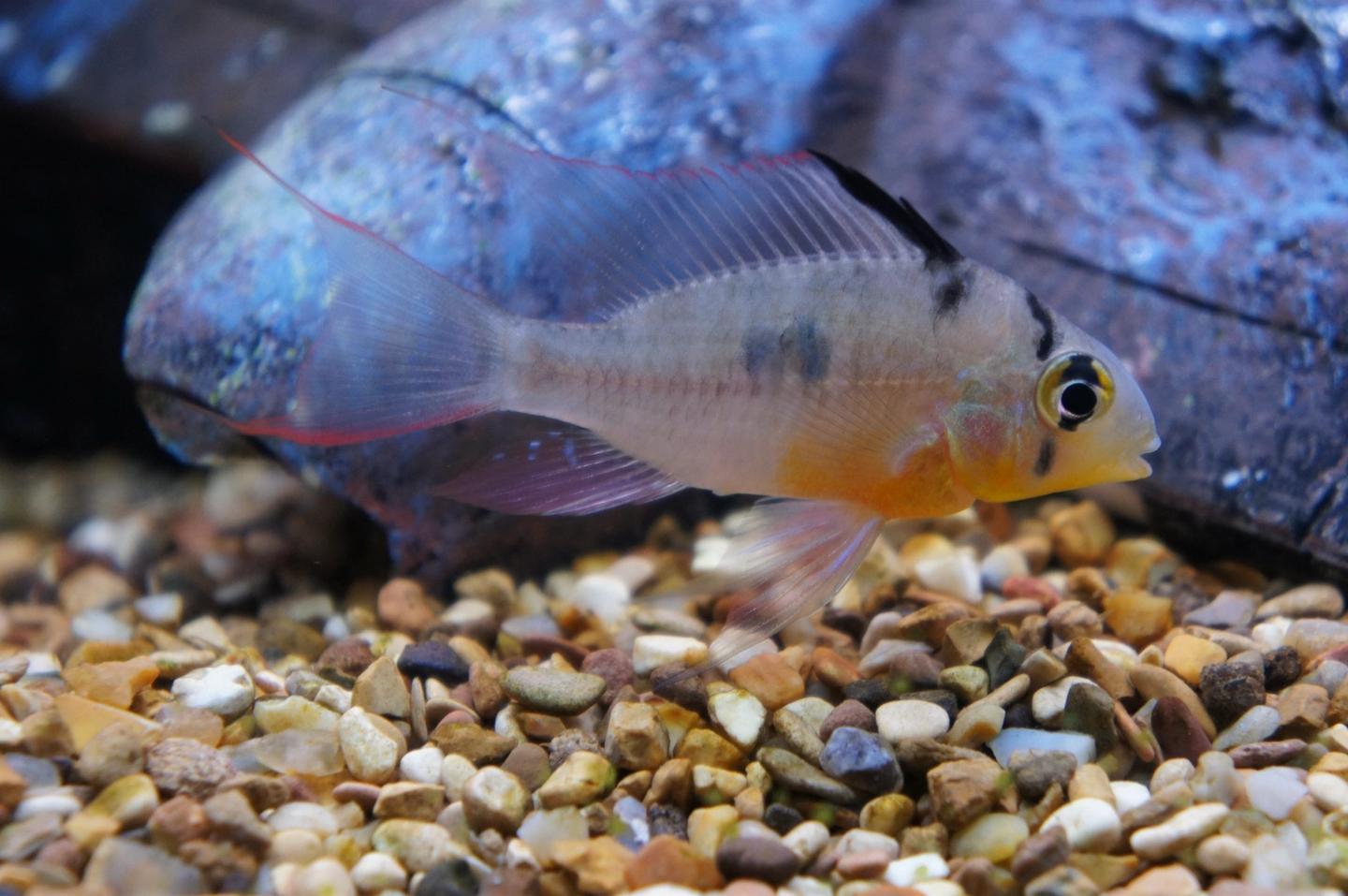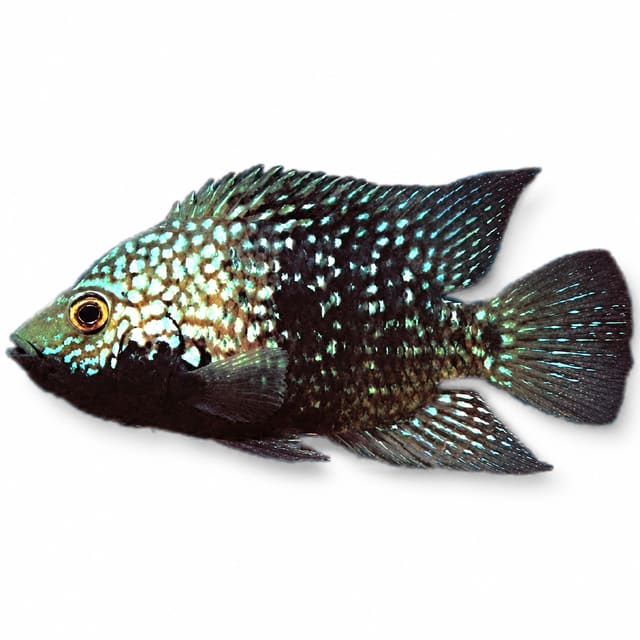
Aulonocara sp. 'Firefish' - Tropical Fish for Sale UK
24–28°C · pH 7.5–8.5 · 200L

Amphilophus citrinellus
A bold, intelligent, and strikingly colored Central American cichlid best suited to experienced aquarists with a large tank. Moderate care, aggressive. 24-28C, pH 7-8.5.
Maintain these water conditions for optimal health and vibrant colors
The red devil cichlid, scientifically classified as Amphilophus citrinellus, stands as one of the most iconic, intelligent, and visually impressive Central American cichlid species available to advanced freshwater aquarists. Also commonly known as the midas cichlid, this species originates from Nicaragua and Costa Rica, particularly the San Juan River system, Lake Nicaragua, Lake Managua, and adjacent watersheds, where it inhabits diverse freshwater environments ranging from rocky lake shorelines to slow-moving river sections. The species is characterised by its bold personality, impressive size reaching 35 cm, exceptional intelligence, and spectacular coloration that can range from bright orange-red to yellow, white, or even black depending on individual genetics and environmental factors. With a highly aggressive temperament and substantial space requirements, the red devil cichlid demands exceptionally large aquariums and is best suited to experienced aquarists prepared to dedicate significant resources to a single impressive specimen. Now available for sale UK-wide, Amphilophus citrinellus offers a rewarding challenge for dedicated cichlid keepers seeking a truly interactive and visually stunning centrepiece species.
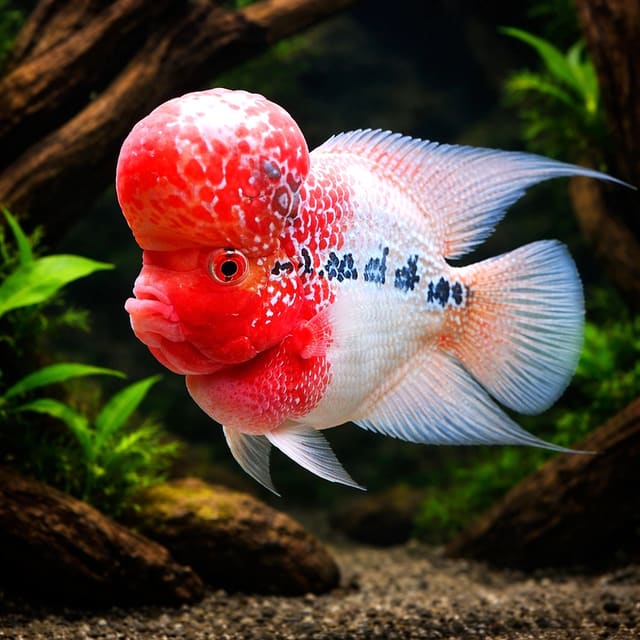
Amphilophus citrinellus displays remarkable color variation, with individual fish exhibiting bright orange-red, yellow, white, grey, or black coloration depending on genetics, diet, water chemistry, and mood. The most prized specimens develop intense orange-red to crimson coloration reminiscent of the common name "red devil," though the species is equally striking in other color morphs. Mature males develop a pronounced nuchal hump (forehead bulge) that becomes increasingly prominent with age, creating an imposing, powerful appearance. The body is robust, deep, and laterally compressed, with thick lips and a large mouth equipped with strong jaws capable of crushing hard-shelled prey. Adults can reach an impressive 35 cm in length, making this one of the largest commonly available Central American cichlids and necessitating exceptionally spacious housing. Females are generally smaller and less colourful than males, with less pronounced humps. The fins are well-developed, and the overall appearance is muscular, bold, and commanding, particularly in dominant, well-conditioned specimens.
In its native Central American range, Amphilophus citrinellus inhabits diverse freshwater environments including the San Juan River, Lake Nicaragua, Lake Managua, and adjacent watersheds in Nicaragua and Costa Rica. Natural habitats feature rocky substrates, sandy areas, submerged roots, and abundant hiding places formed by boulders, crevices, and fallen timber. Water chemistry tends toward neutral to alkaline pH with moderate hardness, and temperatures remain warm and stable year-round between 24-28°C. The species is highly adaptable, occupying shallow vegetated margins as well as deeper rocky areas, and displaying opportunistic feeding behavior that includes invertebrates, small fish, plant matter, and organic detritus. The red devil cichlid is territorial and aggressive in the wild, establishing and defending feeding and breeding territories vigorously. Understanding these natural behaviors is essential for managing the species' aggressive temperament in captivity.
A minimum aquarium volume of 600 litres is required for adult Amphilophus citrinellus, with larger setups strongly recommended to accommodate the species' eventual size and activity level. The substrate should consist of fine sand or smooth gravel, as the species is an enthusiastic digger that constantly rearranges substrate. The aquascape should feature large, heavy rocks, substantial driftwood pieces, and securely positioned artificial caves, all arranged to create visual interest while being robust enough to withstand constant rearrangement. Live plants are generally unsuitable, as they will be uprooted, destroyed, or eaten; if vegetation is desired, use extremely hardy, well-secured species like Anubias attached to heavy decor. Filtration must be exceptionally powerful, ideally oversized canister filters or sump systems capable of handling the substantial waste production of large cichlids. Weekly water changes of 30-50% are essential to maintain pristine conditions. The tank must be covered with a secure, weighted lid, as this species is a powerful jumper capable of escaping from open aquariums. Expect continuous substrate excavation and decor rearrangement.
Amphilophus citrinellus is an omnivore requiring a varied diet to maintain optimal health and vibrant coloration. Offer a balanced diet consisting of high-quality cichlid pellets or sticks as the staple, supplemented with frozen or live meaty foods such as earthworms, prawns, mussels, bloodworms, and insects. Vegetable matter should also be included regularly, with occasional offerings of blanched spinach, courgette, peas, and spirulina-based foods providing essential fibre and nutrients. Feed once daily for adults, adjusting portion size based on body condition and activity level. Avoid overfeeding and limit fatty foods, as this species is prone to obesity and digestive issues when overfed or provided with excessively rich diets. The species is an aggressive and competitive feeder, and solitary housing eliminates competition concerns. Dietary variety and inclusion of color-enhancing foods rich in carotenoids (krill, spirulina) are essential for maintaining the species' spectacular red or yellow coloration.
Amphilophus citrinellus exhibits exceptionally aggressive and territorial behavior, making it unsuitable for community setups and best kept as a solitary specimen. The species is highly intelligent, displaying problem-solving abilities, recognition of keepers, and interactive behavior that makes it a fascinating single-specimen pet. Territorial behavior includes vigorous displays, substrate excavation, constant decor rearrangement, and aggressive defense against any perceived intruders, including the aquarist's hands during maintenance. Aggression extends to tankmates of all sizes, and even large, robust fish are at serious risk of injury or death. The species is diurnal and highly active throughout the day, constantly patrolling its territory and engaging with its environment. Solitary specimens often become remarkably interactive with their keepers, responding to feeding cues and displaying curiosity. This species is best appreciated as a single, impressive centrepiece rather than as part of a community.
Due to its exceptionally aggressive nature, Amphilophus citrinellus is best kept alone in a species-only setup. Tankmate options are virtually non-existent, as the species will attack, injure, or kill almost any fish introduced to its territory. In extraordinarily large aquariums exceeding 1,000 litres, very carefully chosen large, equally aggressive tankmates might be attempted with significant risk, but success is rare and injuries common. Large armored catfish such as robust Plecostomus species may be possible only with extreme caution, ample space, and continuous monitoring for aggression. Small fish, slow-moving fish, long-finned fish, shrimp, and snails must all be excluded without exception, as they will be killed or eaten. The species' aggressive nature, combined with its size and power, makes solitary housing the only reliably safe and humane option. Aquarists seeking a community setup should select a different species.
Amphilophus citrinellus is exceptionally intelligent and can become remarkably interactive with dedicated keepers. Hand-feeding, regular interaction, and environmental enrichment (rearranging decor, introducing new objects) can enhance the species' quality of life and create a rewarding pet-like relationship. However, always exercise caution during tank maintenance, as even "friendly" specimens can deliver powerful, painful bites if startled or territorial.
Breeding Amphilophus citrinellus in captivity is achievable but presents significant challenges due to the species' aggressive nature. Successful breeding requires a compatible, bonded pair, which can be difficult to establish as potential mates may fight to the death if incompatible. Once bonded, pairs become highly territorial during spawning, attacking any nearby fish with extreme aggression. Provide flat rocks or similar spawning surfaces, excellent water quality, and exceptional space. The female deposits adhesive eggs, which both parents guard aggressively, fanning them to ensure oxygenation. Eggs hatch within several days, and fry become free-swimming under parental protection. Parents may need to be separated if aggression escalates or if they begin consuming eggs or fry. Fry can be fed newly hatched brine shrimp and finely crushed foods. Due to the extreme aggression during breeding, a dedicated, very large breeding setup is essential.
At Tropical Fish Co, we specialise in sourcing healthy, carefully selected specimens of impressive species like Amphilophus citrinellus. Each red devil cichlid we supply has undergone comprehensive quarantine and health assessment to ensure it arrives in excellent condition, displaying vibrant coloration and feeding enthusiastically. Our expert team provides detailed care advice tailored to large, aggressive cichlids, helping you create the optimal environment for long-term success and interactive pet-keeping. We use professional-grade packing methods with insulated containers and appropriate heat packs to guarantee safe delivery across the UK, regardless of season. Whether you're establishing a dedicated single-specimen showcase, seeking an intelligent and interactive aquatic pet, or pursuing a challenging breeding project, our commitment to quality livestock, expert support, and ethical sourcing makes Tropical Fish Co your trusted partner in freshwater fishkeeping excellence.
Healthy, vibrant fish from trusted suppliers
Detailed care guides and support
Your fish arrives healthy or we'll replace it
Properly quarantined and ready for your tank

24–28°C · pH 7.5–8.5 · 200L


24–28°C · pH 7.5–8.5 · 500L

24–28°C · pH 5.5–7 · 60L

22–28°C · pH 6.5–8 · 20L

22–26°C · pH 6–7.5 · 30L

22–28°C · pH 6–7.5 · 60L

24–28°C · pH 7.5–8.5 · 150L

22–28°C · pH 7.5–8 · 40L
22–28°C · pH 7–8.5 · 100L

22–27°C · pH 6–7.5 · 80L

24–28°C · pH 6–7.5 · 40L

24–28°C · pH 6–7.5 · 80L

24–28°C · pH 6.5–7.5 · 2000L
22–28°C · pH 7–8.5 · 60L

24–28°C · pH 7.5–8.5 · 200L