Easy
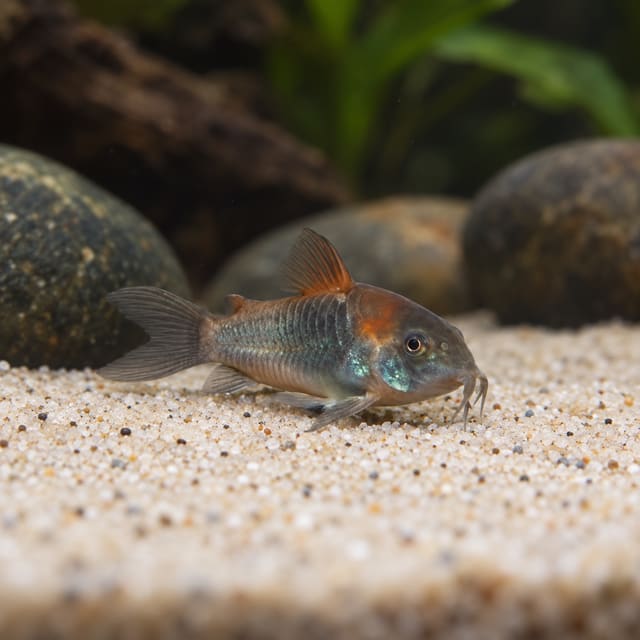
Three-Stripe Cory (Hoplisoma trilineatum)
22–26°C · pH 6–7.2 · 41L
£14.99

A peaceful, slender Amazonian catfish that thrives in calm community aquariums and adds subtle activity to the bottom zone. Moderate care, peaceful. 22-28C, pH 5.5-7.5.
Adult size is the maximum length this species reaches at full maturity (scientific sources). The livestock you receive will be younger and smaller — pick a size above for the actual shipping size. Product-photo provenance and any image-specific limitations are stated on the listing.
Dianema longibarbis
Confirm your email, then we’ll send an availability message for this exact item if it returns within 180 days.
This request is only for this product—no newsletter or other promotions. A mail-provider retry may very rarely duplicate the same availability message. Unconfirmed addresses are removed after 48 hours. See our privacy policy.
A peaceful, slender Amazonian catfish that thrives in calm community aquariums and adds subtle activity to the bottom zone. Moderate care, peaceful. 22-28C, pH 5.5-7.5.
Adult size is the maximum length this species reaches at full maturity (scientific sources). The livestock you receive will be younger and smaller — pick a size above for the actual shipping size. Product-photo provenance and any image-specific limitations are stated on the listing.
Maintain these water conditions for optimal health and vibrant colors
The tropical catfish Dianema longibarbis, commonly known as the porthole catfish or long-barbel porthole catfish, is a peaceful, slender Amazonian species that thrives in calm community aquariums. Native to the Amazon River basin across Brazil, Ecuador, Colombia, Bolivia, and Peru, this elegant catfish reaches just 4.5 cm in adult size, making it one of the smallest and most delicate South American catfish available for sale UK. The porthole catfish earns its name from the distinctive dark spots along its flanks, which resemble ship portholes. Available from Tropical Fish Co, these charming bottom-dwellers are ideal for planted community setups and bring subtle activity to the lower water column without disturbing plants or smaller tank mates, making them a favorite among tropical fish for sale UK enthusiasts.
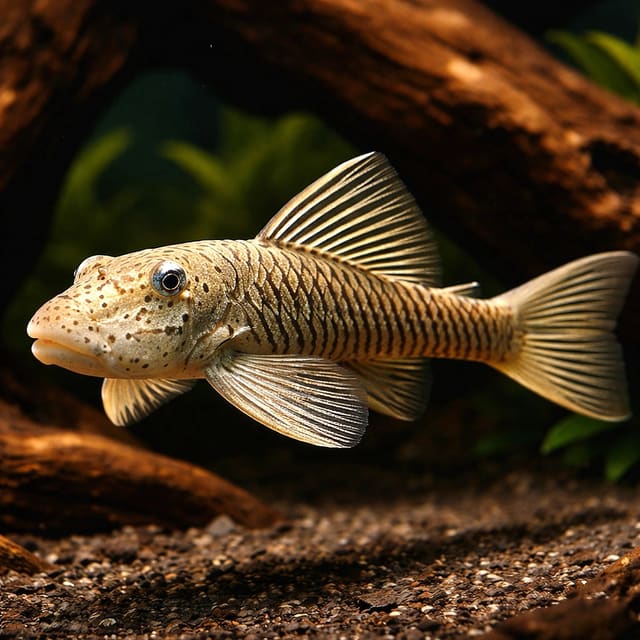
Dianema longibarbis displays a slender, elongated body with a silvery-brown to pale tan base color and a series of dark, rounded spots along the lateral line that give the species its "porthole" common name. The body is partially armored with bony scutes, typical of the Callichthyidae family. The barbels are long and delicate, helping the fish sense food and navigate low-visibility environments. The fins are translucent with subtle patterning, and the tail is moderately forked. Healthy specimens show clear eyes, smooth scales, intact fins, and a gently rounded belly, indicating good nutrition and water quality. Juveniles and adults look similar, with the patterning remaining consistent throughout their life.
In the wild, Dianema longibarbis inhabits slow-moving rivers, forest streams, and flooded areas throughout the Amazon River basin. The natural environment features soft, sandy or muddy substrates with abundant leaf litter, submerged wood, and overhanging vegetation. Water conditions are warm, slightly acidic to neutral, with moderate tannin staining from decomposing organic matter. These fish hide among roots and vegetation during the day, emerging at dusk to forage for small invertebrates and detritus. During the rainy season, they move into flooded forest zones where food is plentiful and hiding spots are abundant. Replicating these calm, shaded conditions in the aquarium promotes natural behavior and reduces stress.
A minimum 75-litre aquarium is recommended for a small group of Dianema longibarbis. Use a soft, fine sand substrate to protect their delicate barbels and ventral surface. Provide plenty of hiding places using driftwood, smooth stones, caves, and dense plant cover such as Java fern, Amazon sword, and Cryptocoryne species. Floating plants like water sprite or Amazon frogbit help diffuse lighting and create shaded areas that replicate their natural habitat. Gentle filtration with minimal water flow is ideal, as these fish do not thrive in strong currents. A tightly fitted lid is essential, as porthole catfish can be shy and may jump if startled. Subdued lighting enhances their comfort and encourages daytime activity.
Porthole catfish thrive in water with a pH of 5.5-7.5 and temperatures between 22-28°C. Maintain excellent water quality with weekly partial water changes of 25-30%, keeping ammonia and nitrite at zero and nitrate below 20 ppm. Soft to moderately hard water is preferred, replicating the natural Amazonian conditions. Use a reliable heater and thermometer to prevent temperature fluctuations, which can stress the fish and compromise immune function. Ensure good oxygenation with gentle filtration, but avoid strong surface agitation. Stable, clean water conditions are critical for long-term health and to prevent common diseases such as ich and bacterial infections.
Dianema longibarbis is an omnivore that accepts a varied sinking diet. Offer quality catfish pellets or wafers as a staple, supplemented with frozen or live foods such as bloodworms, brine shrimp, and daphnia. They will also graze on biofilm and scavenge leftover food from the substrate. Feed once daily in the evening, as these fish are most active after dusk. Avoid overfeeding, which can degrade water quality and lead to obesity. Only occasional vegetable matter or algae-based foods are necessary, as their diet is primarily carnivorous. A varied, protein-rich diet supports healthy growth, vibrant coloration, and robust immune function, ensuring your small tropical catfish remains active and healthy.
Dianema longibarbis is a peaceful, nocturnal species that spends most daylight hours hiding under cover or resting among plant roots. As evening approaches, they become more active, gently foraging along the substrate and exploring the lower water column. They are shy and easily startled by sudden movements or bright lighting. In groups, they may occasionally be seen resting together in sheltered spots. Despite their timid nature, they are non-aggressive and pose no threat to other tank inhabitants. Their calm temperament and small size make them ideal additions to community aquarium fish setups with other peaceful, similarly sized species.
Ideal tank mates for porthole catfish include small peaceful tetras such as neon or ember tetras, rasboras, dwarf cichlids like Apistogramma species, peaceful Corydoras catfish, and small peaceful livebearers. Avoid large aggressive cichlids, fin-nipping fish, very large predatory species, and highly territorial bottom dwellers. Shrimp and snails coexist well, though very small shrimp fry may occasionally be eaten if the catfish are underfed. Multiple Dianema longibarbis should be kept together to promote confidence and natural behavior. Their delicate nature means they are best suited to calm, well-planted community tank fish environments with minimal competition for food and space.
Breeding Dianema longibarbis in home aquariums is uncommon and not well documented. Like other callichthyid catfish, spawning may involve a bubble nest or egg deposition near the water surface, with the male guarding the eggs. Soft, warm, well-conditioned water with plenty of hiding spots and a protein-rich diet may encourage breeding behavior. Provide floating plants or broad-leaved plants near the surface as potential spawning sites. Eggs, if laid, should be closely monitored for fungus, and fry will require very fine foods such as infusoria or liquid fry food initially, progressing to newly hatched brine shrimp as they grow. Patience and a naturalistic setup are key to any breeding attempts.
Tropical Fish Co is your trusted source for healthy, captive-bred porthole catfish for sale and other rare freshwater tropical catfish species. Each Dianema longibarbis is quarantined, health-checked, and carefully acclimatized before dispatch, ensuring you receive vibrant, disease-free specimens ready to thrive in your aquarium. Our expert team provides personalized care advice, aquarium setup guidance, and ongoing support to help you succeed with these delicate South American catfish. With secure packaging, tracked UK delivery across the UK, and a commitment to sustainable aquarium practices, Tropical Fish Co is the best place to buy tropical fish online UK. Whether you're building a peaceful biotope tank or seeking a subtle, elegant addition to your community setup, our porthole catfish deliver both charm and function.
No reviews for this item yet. Bought one? Honest reviews only, good or bad.
What customers say about ordering from us
I have a small group of long finned mountain minnows. So was delighted to be able to order ten of this variety to increase the genetics in my tank . The ones I recieved are healthy but it’s to early to give a verdict on wether they are of a long finned type since they are small currently.
Gordon Walker · 23 Sept 2026
100% success travel and "installation". Pleased with quality of purchase. The Siamese fighter a bit "shy" so have not yet seen him at his best yet but looking good. Happy customer. GG
George E Garratt · 21 Sept 2026
Reviews of our shop, collected by Judge.me, an independent third-party review collector. Newest first.