−14%
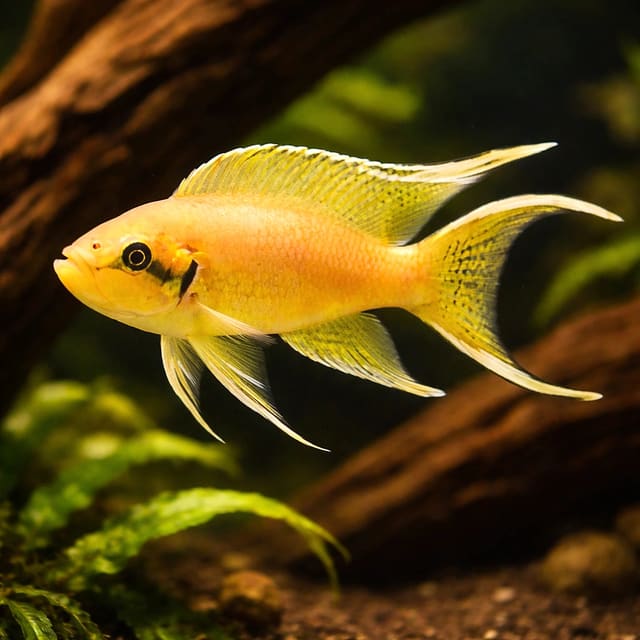
Fairy Cichlid (Neolamprologus brichardi)
23–27°C · pH 8–9 · 108L
£8.59£9.99

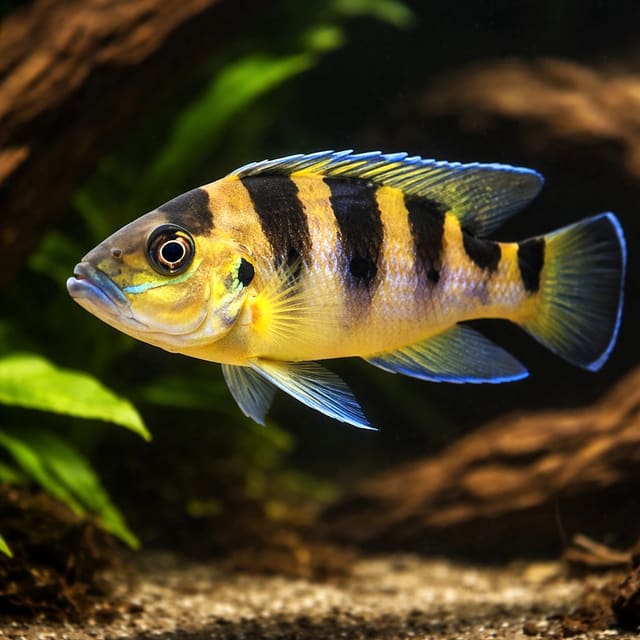
Pearl-lined Lamprologus tetracanthus, a 5.5cm Tanganyikan carnivore for 80L+ hard-water tanks. Semi-aggressive, territorial when breeding.
Adult size is the maximum length this species reaches at full maturity (scientific sources). The livestock you receive will be younger and smaller — pick a size above for the actual shipping size. Product-photo provenance and any image-specific limitations are stated on the listing.
Lamprologus tetracanthus
Save when buying multiple fish. Each quantity is one fish; sex and pair formation are not guaranteed unless the selected variant explicitly states them.
Confirm your email, then we’ll send an availability message for this exact item if it returns within 180 days.
This request is only for this product—no newsletter or other promotions. A mail-provider retry may very rarely duplicate the same availability message. Unconfirmed addresses are removed after 48 hours. See our privacy policy.
Pearl-lined Lamprologus tetracanthus, a 5.5cm Tanganyikan carnivore for 80L+ hard-water tanks. Semi-aggressive, territorial when breeding.
Adult size is the maximum length this species reaches at full maturity (scientific sources). The livestock you receive will be younger and smaller — pick a size above for the actual shipping size. Product-photo provenance and any image-specific limitations are stated on the listing.

Cichlids are a family of roughly 1,800 accepted species, not one care type. Before buying, identify the exact species and source, then compare adult measurement, usable tank dimensions, social system, territory, tested water, diet and an exit plan. No family-wide minimum tank, water range or tank-mate list is safe.
Maintain these water conditions for optimal health and vibrant colors
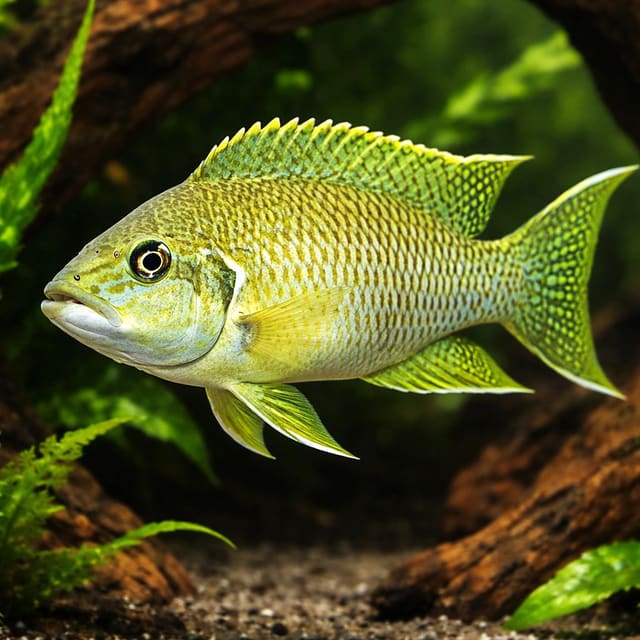
Rows of pearly spots and lines give the Fourspined Pearl-Lined Lamprologus (Lamprologus tetracanthus) its trade name, and that pattern is the first thing you notice on this small Tanganyikan. The second is the attitude: at just 5.5 cm it carries itself like a far bigger cichlid, patrolling the bottom of the tank with real purpose and missing nothing that happens down there.
Set-up follows the classic Rift Lake recipe. Hard, alkaline water of pH 7.8–9.0 and 10–20 dGH, temperatures of 24–27 °C and a tank of 80 litres or more cover its recorded needs, while a carnivorous diet means meaty foods form the core of feeding. Care is moderate. Day to day it reads as semi-aggressive; the compatibility notes flag that it becomes properly territorial when breeding, so include defendable features along the tank floor from the outset.
Longevity is a quiet selling point — eight years is the recorded lifespan, excellent value from a fish this size and a strong argument for setting the aquarium up correctly the first time.
One further practical point from the record: hardness should not drop below 10 dGH, so keepers in soft-water regions of the UK will want to remineralise rather than run tap water straight into the tank. It is a small extra step, and the same preparation serves any other Rift Lake fish you keep alongside it. With that handled, an 80-litre aquarium delivers everything this species needs for the full eight-year run.
Sensible tankmates are other small Tanganyikan cichlids of similar temperament, non-aggressive Tanganyikan catfish and snails. Rule out large aggressive cichlids, fin-nipping species, very peaceful slow-moving fish, and small shrimp or other tiny invertebrates that would be treated as food.
This species suits keepers building a small-bodied Tanganyika community with personality rather than bulk. Your order travels to any UK address with a licensed live-animal courier, backed by a live arrival guarantee. In short, it is a fish for keepers who actually watch their tanks rather than glance at them.
No reviews for this item yet. Bought one? Honest reviews only, good or bad.
What customers say about ordering from us
I have a small group of long finned mountain minnows. So was delighted to be able to order ten of this variety to increase the genetics in my tank . The ones I recieved are healthy but it’s to early to give a verdict on wether they are of a long finned type since they are small currently.
Gordon Walker · 23 Sept 2026
100% success travel and "installation". Pleased with quality of purchase. The Siamese fighter a bit "shy" so have not yet seen him at his best yet but looking good. Happy customer. GG
George E Garratt · 21 Sept 2026
Reviews of our shop, collected by Judge.me, an independent third-party review collector. Newest first.