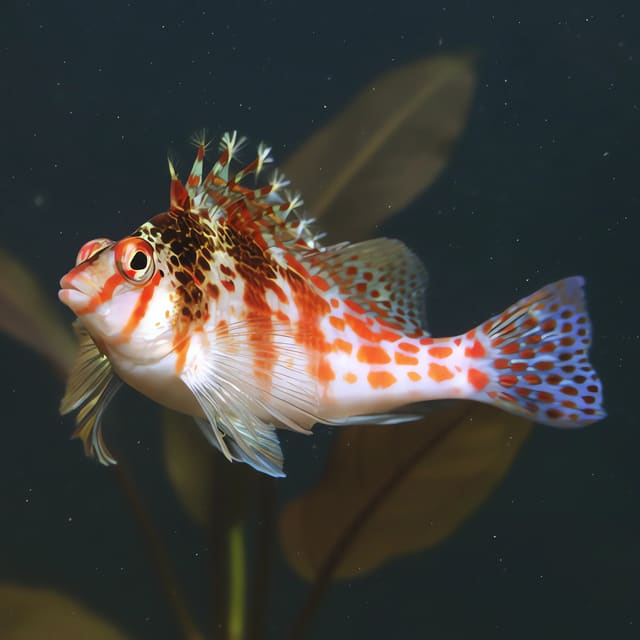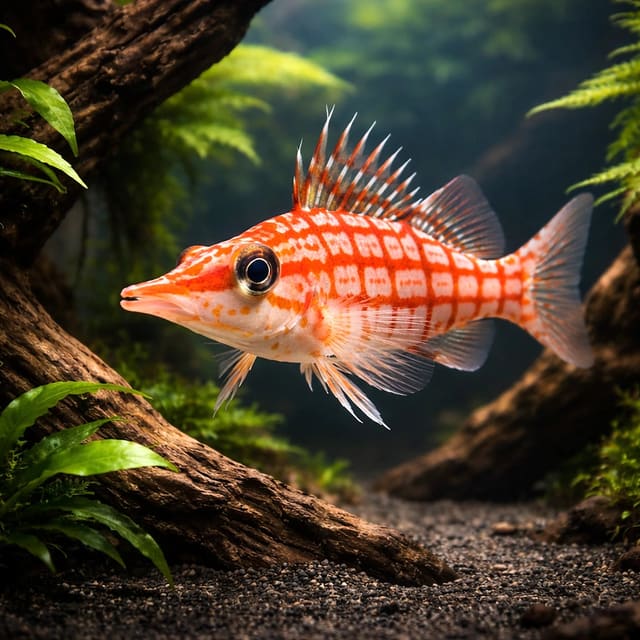
Longnose Hawkfish (Oxycirrhites typus)
24–26°C · pH 8–8.2
£89.99
Striking marine herbivore with vivid colour and active grazing behaviour for large, mature reef aquariums.
Adult size is the maximum length this species reaches at full maturity (scientific sources). The livestock you receive will be younger and smaller. Product-photo provenance and any image-specific limitations are stated on the listing.
Scarus niger
Confirm your email, then we’ll send an availability message for this exact item if it returns within 180 days.
This request is only for this product—no newsletter or other promotions. A mail-provider retry may very rarely duplicate the same availability message. Unconfirmed addresses are removed after 48 hours. See our privacy policy.
Striking marine herbivore with vivid colour and active grazing behaviour for large, mature reef aquariums.
Adult size is the maximum length this species reaches at full maturity (scientific sources). The livestock you receive will be younger and smaller. Product-photo provenance and any image-specific limitations are stated on the listing.
Maintain these water conditions for optimal health and vibrant colors
The Red Sea Parrotfish, Scarus niger, is a bold and highly active marine fish prized for its vivid colouration, constant grazing behaviour, and fascinating natural history. This is a specialist species for experienced marine keepers with very large, mature saltwater systems. As with all parrotfish, it is not a typical reef-safe choice: it spends much of the day browsing algae and detritus, and its feeding style can have a significant impact on live rock, sand, and coral displays.
In the wild, Scarus niger is a reef-associated herbivore that plays an important ecological role by grazing algae and helping to keep reef surfaces clean. In captivity, it needs ample swimming space, strong filtration, stable water quality, and a diet rich in marine algae and vegetable matter. Because of its size, activity level, and specialised needs, it is best suited to public aquaria, very large private marine systems, or advanced hobbyists with appropriate facilities.
We supply healthy marine livestock with careful packing and fast UK delivery, backed by our live arrival guarantee for peace of mind. Please note that this is a demanding species and should only be purchased by aquarists prepared for its long-term adult size and husbandry requirements.
| Attribute | Details |
|---|---|
| Scientific name | Scarus niger |
| Common name | Red Sea Parrotfish |
| Care level | Expert |
| Temperament | Semi-aggressive |
| Adult size | Up to around 40 cm |
| Minimum tank size | 2,000 litres+ |
| Temperature | 24–28°C |
| pH | 8.1–8.4 |
| Diet | Primarily herbivorous; marine algae, seaweed, vegetable-based marine foods |
| Tank region | Middle to upper |
| Lifespan | 10–15 years or more with excellent care |
Scarus niger is native to the Indo-Pacific, including the Red Sea and surrounding tropical marine reef environments. It inhabits coral reefs, lagoon areas, and outer reef slopes where it can graze on algae growing on hard surfaces. Parrotfish are highly adapted to reef life, using their beak-like teeth to scrape algae from rock and coral substrates.
This natural lifestyle means the species thrives in a highly oxygenated, stable marine environment with strong water movement and abundant grazing opportunities. In the aquarium, replicating these conditions is essential. A mature reef system with robust biological filtration and plenty of open swimming space is far more suitable than a small or newly established tank.
Because of its size and feeding behaviour, Scarus niger should be kept in a very large marine aquarium with excellent filtration, vigorous circulation, and regular maintenance. A tank of 2,000 litres or more is strongly recommended, with even larger systems preferred for long-term welfare. The aquascape should provide open areas for cruising as well as securely placed rockwork that can withstand grazing and occasional impact.
Use high-quality marine saltwater and maintain stable reef parameters. Aim for a temperature of 24–28°C, pH 8.1–8.4, and consistent salinity around 1.023–1.026. Strong protein skimming, efficient mechanical filtration, and regular water changes are important due to the fish’s heavy feeding and waste output. As a powerful grazer, it may disturb loose substrate and can alter the appearance of live rock over time.
Although some keepers attempt to house parrotfish in reef displays, caution is advised. This species may nip at coral, consume desirable algae, and damage delicate invertebrates or decorative structures. A fish-only marine system or a robust, purpose-built large reef aquarium is generally the safest approach.
Scarus niger is primarily herbivorous and should be fed multiple times per day with a varied diet based on marine algae. Offer dried nori, spirulina-based foods, marine herbivore pellets, blanched leafy greens where appropriate, and frozen preparations designed for herbivorous marine fish. Supplement with algae sheets clipped in the tank to encourage natural grazing behaviour.
Variety is important for long-term health. A balanced diet should include high-quality marine vegetable matter, some sponge-based or mixed marine foods if recommended by your specialist marine supplier, and vitamin-enriched preparations to support immune function and colour. Avoid relying on meaty foods as the main diet, as this can lead to poor digestive health in herbivorous species.
Feed small amounts several times daily rather than one large meal. Because parrotfish are constant grazers, regular access to food helps reduce stress and supports natural behaviour.
This species is best kept with other large, robust marine fish that can tolerate an active, sometimes boisterous herbivore. Suitable companions may include tangs, larger wrasses, rabbitfish, angelfish of appropriate size, and other non-delicate marine species in very spacious systems. Tank mates should be confident, non-territorial, and able to compete for food without being bullied.
Avoid housing with small ornamental fish, delicate invertebrates, slow feeders, or prized coral collections unless you have a very carefully planned system and the experience to manage risk. The fish’s size, grazing habits, and powerful jaws mean it is not suitable for nano reefs, community reef tanks, or setups with fragile livestock.
Compatibility also depends on individual temperament. Introduce tank mates carefully, provide plenty of space, and ensure there is more than enough food to reduce competition.
At Tropical Fish Co, we understand that specialist marine species need specialist care from the moment they are selected through to delivery. Our livestock is packed with attention to temperature stability and welfare, and we offer fast UK delivery plus a live arrival guarantee for added confidence when ordering online.
We aim to provide healthy, well-conditioned marine fish with clear care guidance so you can make informed decisions before purchase. If you are building a large marine system and want a truly distinctive grazing fish, Scarus niger is an impressive choice for advanced aquarists who can meet its needs. For best results, ensure your aquarium is fully mature, your filtration is oversized, and your feeding regime is planned before introduction.
No reviews for this item yet. Bought one? Honest reviews only, good or bad.
What customers say about ordering from us
Easy website plenty of info on fish your buying great to pick a time slot
TRACEY DURRANT · 7 Oct 2026
Got some lovely fish thank you
Kevin Mackie · 7 Oct 2026
Reviews of our shop, collected by Judge.me, an independent third-party review collector. Newest first.