


Easy
Microrasbora kubotai - Tropical Fish for Sale UK
22–26°C · pH 6–7.5 · 30L
£4.99

A tiny, jewel-like North American sunfish that thrives in cool, planted aquariums and rewards keepers with fascinating behavior and breeding color. Moderate care, peaceful. 18-24C, pH 6.0-7.5.
Adult size is the maximum length this species reaches at full maturity (scientific sources). The fish you receive will be younger and smaller — pick a size variant above for the actual shipping size. Photos are AI-enhanced, so the live fish may show subtle colour or marking differences.
Elasoma evergladei
Not home? Message us and we'll delay delivery.
A tiny, jewel-like North American sunfish that thrives in cool, planted aquariums and rewards keepers with fascinating behavior and breeding color. Moderate care, peaceful. 18-24C, pH 6.0-7.5.
Adult size is the maximum length this species reaches at full maturity (scientific sources). The fish you receive will be younger and smaller — pick a size variant above for the actual shipping size. Photos are AI-enhanced, so the live fish may show subtle colour or marking differences.
Maintain these water conditions for optimal health and vibrant colors
Elassoma evergladei, known as the Everglades Pygmy Sunfish or Dwarf Sunfish, is a tiny jewel-like North American species that brings fascinating behaviour and stunning breeding coloration to cool planted aquariums. Available for sale UK through Tropical Fish Co, this diminutive predator reaches just 4.5cm and displays the characteristic sunfish body plan in miniature. The moderate care requirements and preference for cooler water (18-24°C) make it suitable for unheated or minimally heated aquariums in temperate climates. This species rewards dedicated keepers with intricate courtship displays, territorial behaviour, and breeding coloration rivalling tropical species, whilst requiring specialized feeding with live and frozen foods.
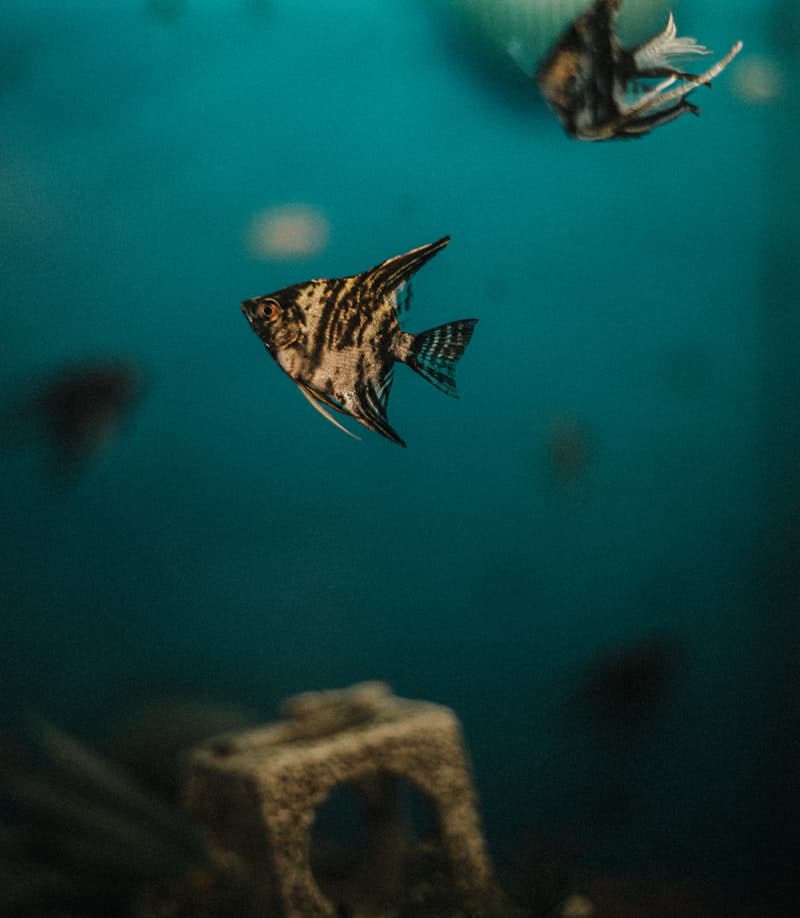
The Pygmy Sunfish displays compressed, deep-bodied morphology characteristic of Centrarchidae (sunfish family) but in miniature scale. Base coloration varies from olive-brown to grey-green with irregular darker barring or mottling providing effective camouflage amongst vegetation. Females and non-breeding males show relatively subdued colours, but breeding males transform dramatically: intense iridescent blue-green spangling appears across the flanks, fins develop vibrant colour (often blue, green, or red depending on population), and overall intensity increases dramatically. The dorsal fin shows continuous profile with spiny anterior and soft-rayed posterior sections, whilst the caudal fin is rounded. Large eyes and upturned mouth reveal their predatory nature, adapted for capturing small prey from vegetation and water column.
Elassoma evergladei inhabits slow-moving freshwater wetlands throughout the southeastern United States, particularly the Everglades and similar systems across Florida and adjacent Gulf Coast regions. These shallow vegetated environments feature soft, acidic water stained with tannins from abundant organic matter. Substrates consist of accumulated leaf litter, detritus, and aquatic vegetation roots. Dense submerged and emergent vegetation provides complex three-dimensional habitat structure essential for this species' hunting strategy and territorial behaviour. Water movement is minimal to absent, with habitats often being isolated pools, marshes, or heavily vegetated stream margins. Temperatures fluctuate seasonally more than tropical systems, with cooler periods during winter months.
Provide a minimum 57-litre aquarium for a small group, though species-only setups work best given their specialized requirements. Dense planting is absolutely essential—use fine-leaved plants such as Java moss, Cabomba, Myriophyllum, and floating species creating complex structure throughout the water column. Leave some open areas for observation and territorial displays, but ensure 60-70% of aquarium volume contains vegetation. Gentle filtration with minimal flow suits their preference for virtually still water—sponge filters or heavily baffled output work well. Subdued lighting with floating plants creates security and encourages natural behaviour. Fine sand or smooth gravel substrate with added leaf litter replicates natural habitat and supports beneficial microfauna. Given their cool water preference, unheated aquariums in temperate climates work excellently.
Maintain temperatures between 18-24°C—notably cooler than typical tropical aquariums. This species thrives in unheated tanks maintaining room temperature in temperate climates. Water should be soft with pH 6.0-7.5 and low hardness (2-8 dGH), replicating naturally soft acidic wetland conditions. Whilst reasonably hardy once established, maintain excellent water quality: zero ammonia and nitrite, with nitrates below 20ppm through regular 25% weekly water changes. The cooler water naturally holds more dissolved oxygen than warm water, suiting this species' requirements. Add botanical materials (Indian almond leaves, oak leaves, alder cones) to release beneficial tannins and create blackwater conditions matching natural habitat chemistry.
Elassoma evergladei is a dedicated carnivorous micropredator that naturally hunts tiny invertebrates amongst vegetation. In captivity, provide predominantly live and frozen small meaty foods: daphnia, baby brine shrimp, copepods, microworms, grindal worms, and other tiny insect larvae offered daily. Many individuals steadfastly ignore dry prepared foods, making live/frozen fare essential rather than optional. Establish cultures of daphnia, microworms, or grindal worms to ensure reliable food supply. Feed small portions 2-3 times daily, ensuring food drifts through planted areas where these ambush predators hunt. Their slow deliberate feeding style means they lose competition with fast aggressive feeders—target feeding or species-only setup often necessary for adequate nutrition.
Despite diminutive size, Pygmy Sunfish display fascinating complex behaviour patterns. Breeding males establish small territories (often centred on dense plant clumps or spawning mops) which they defend vigorously against other males through threat displays: fin spreading, intensified coloration, and occasional brief charges. Courtship involves males displaying brilliant breeding colours whilst performing jerky swimming movements to attract females into territories. Hunting behaviour is methodical and deliberate—they hang motionless amongst vegetation before darting forward to capture passing prey items. They are crepuscular, showing peak activity during dawn and dusk periods. Whilst territorial towards conspecifics, they're generally peaceful towards other species too large to view as prey.
Tankmate selection is challenging given this species' specialized requirements. Best kept in species-only setups or with very small, peaceful, slow-feeding species tolerating cool water. Potentially suitable companions in larger heavily planted aquariums include small non-predatory invertebrates (though well-fed Pygmy Sunfish may still hunt shrimp). Avoid any fish large enough to threaten or eat the tiny sunfish, fast-feeding species that outcompete them, aggressive fish, fin-nippers, and boisterous species. Most tropical fish requiring 24-26°C+ are unsuitable due to temperature mismatch. The specialized feeding requirements and slow feeding style mean most standard community fish are incompatible.
Captive breeding of Elassoma evergladei is achievable and highly rewarding. Males display intense breeding colours and court females with elaborate displays in densely planted territories. They are egg scatterers, depositing adhesive eggs amongst fine-leaved plants or spawning mops. Males may guard territories but provide no direct egg care. Eggs hatch after several days, producing tiny fry requiring infusoria or paramecium initially before graduating to newly hatched brine shrimp and microworms as they grow. Heavily planted aquariums with mature microfauna may raise some fry naturally without intervention. Remove adults if significant fry survival is desired, as predation risk is high.
Tropical Fish Co supplies healthy, quarantined Elassoma evergladei specimens that have been carefully acclimated and are feeding confidently on live and frozen foods. Each Pygmy Sunfish is hand-selected for good body condition and vitality, ensuring you receive robust fish ready to thrive in appropriate cool planted aquariums. Our knowledgeable staff understand the specialized requirements of this unusual North American species and can provide detailed guidance on setup, live food sources, and breeding strategies. With specialist packaging designed for delicate small species and next-day UK delivery, your new sunfish arrive safely in peak condition. We're committed to sustainable sourcing and work only with ethical suppliers who prioritize fish welfare and responsible collection from native habitats.
Dispatched Tue or Wed, delivered Wed or Thu — every order tracked and insured.
22–26°C · pH 6–7.5 · 30L

24–28°C · pH 7.5–8.5 · 150L


24–28°C · pH 7.5–8.5 · 200L

18–25°C · pH 6–8 · 100L


24–27°C · pH 7.5–8.8 · 150L

22–26°C · pH 6–7.5 · 60L

24–28°C · pH 5.5–7 · 60L

18–28°C · pH 6.5–8 · 20L

24–28°C · pH 7.5–8.5 · 40L

24–28°C · pH 7.5–8.5 · 400L

22–26°C · pH 6–7.5 · 150L

22–28°C · pH 7–8.5 · 10L

23–27°C · pH 5.5–7.5 · 80L

24–27°C · pH 7.5–9 · 250L