Easy
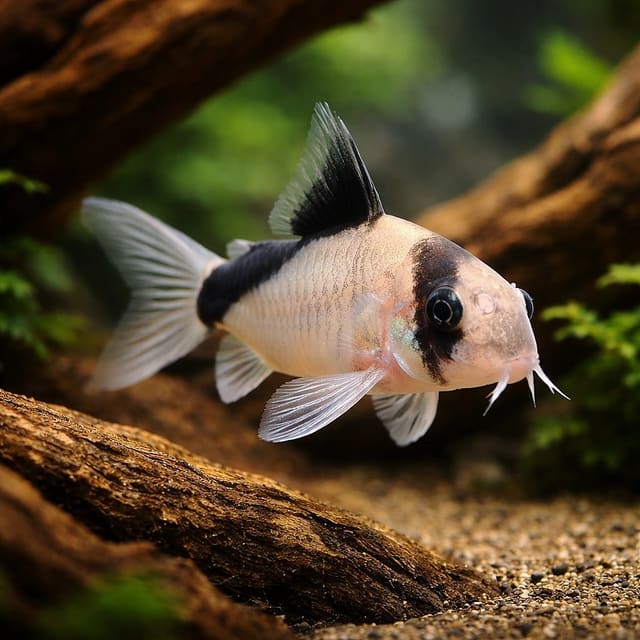
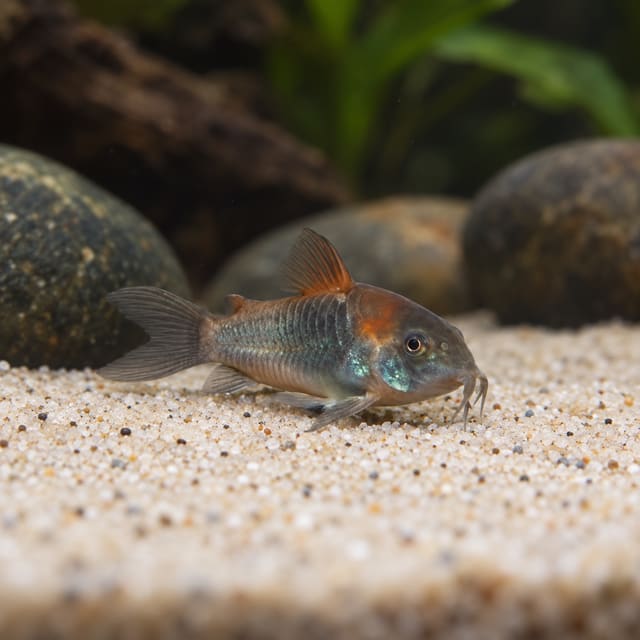
Venezuelan Cory (Corydoras venezuelanus)
25–27°C · pH 6–8 · 72L
£13.99

A peaceful, algae-grazing dwarf catfish that thrives in mature planted aquariums with stable water and plenty of natural biofilm. Moderate care, peaceful. 22-28C, pH 6.0-7.5.
Adult size is the maximum length this species reaches at full maturity (scientific sources). The livestock you receive will be younger and smaller. Product-photo provenance and any image-specific limitations are stated on the listing.
Otocinclus flexilis
Shoaling fish: kept in a group they feel safer, stay calmer and show their best colour.
Confirm your email, then we’ll send an availability message for this exact item if it returns within 180 days.
This request is only for this product—no newsletter or other promotions. A mail-provider retry may very rarely duplicate the same availability message. Unconfirmed addresses are removed after 48 hours. See our privacy policy.
A peaceful, algae-grazing dwarf catfish that thrives in mature planted aquariums with stable water and plenty of natural biofilm. Moderate care, peaceful. 22-28C, pH 6.0-7.5.
Adult size is the maximum length this species reaches at full maturity (scientific sources). The livestock you receive will be younger and smaller. Product-photo provenance and any image-specific limitations are stated on the listing.
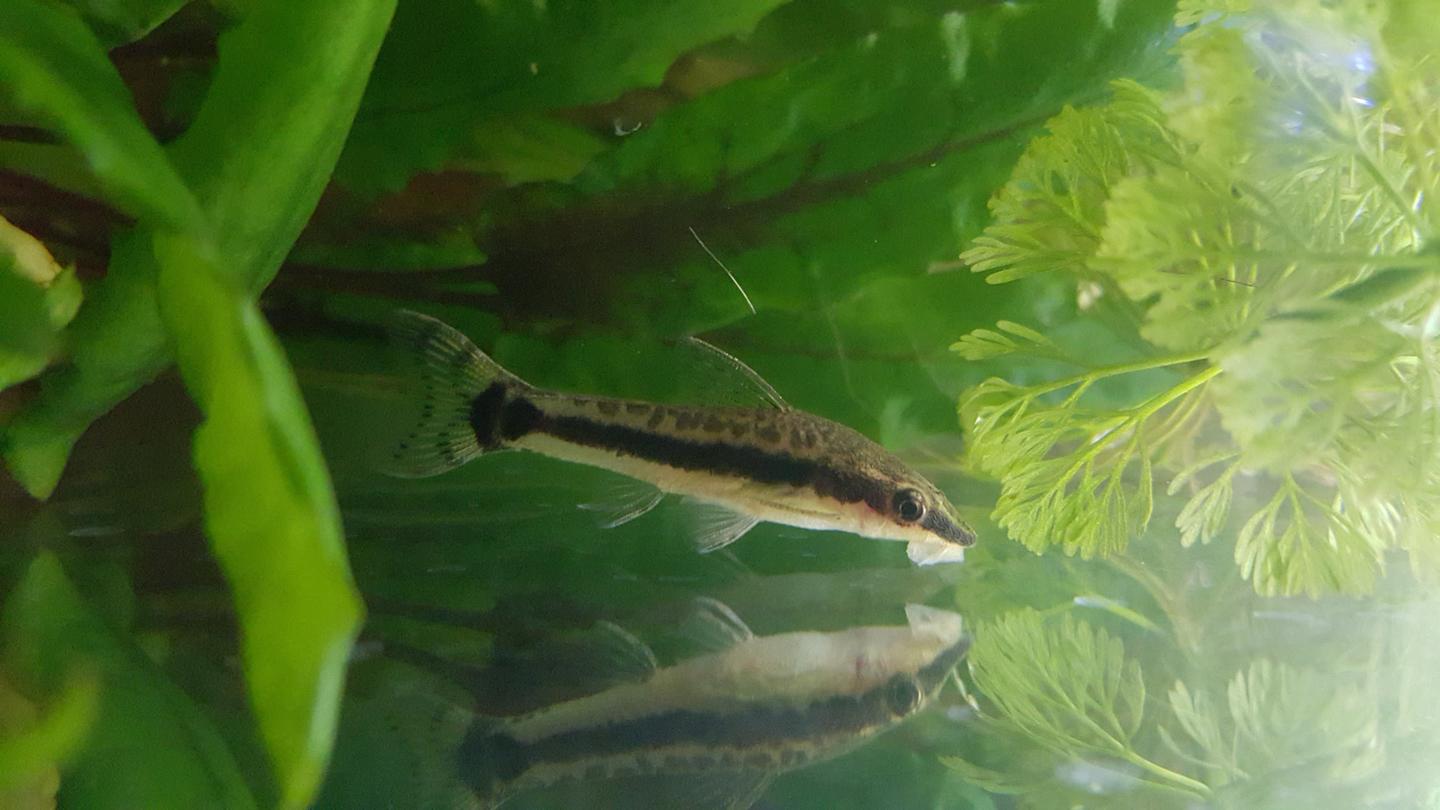
Otocinclus are small South American loricariid catfish, not disposable algae cleaners. Confirm the supplied species where possible; start with a mature, stable aquarium with ample grazing surfaces; plan a compatible social group; and provide suitable food even when algae is visible.
Maintain these water conditions for optimal health and vibrant colors
Otocinclus flexilis, commonly known as the Peppered Otocinclus, is a peaceful dwarf algae-eating catfish that thrives in mature planted aquariums with stable water quality. Available for sale UK through Tropical Fish Co, this tiny South American species reaches just 3.5cm at maturity, making it ideal for nano aquariums and small community setups. The species' dedication to biofilm grazing makes it both aesthetically pleasing and functionally beneficial for controlling nuisance algae, though it requires established tanks with natural food sources rather than newly set up systems. For aquarists seeking gentle, effective algae control combined with engaging social behaviour, this Otocinclus represents an excellent choice.
The Peppered Otocinclus displays classic Otocinclus morphology in miniature: streamlined body with slightly flattened ventral surface, inferior sucker mouth, and single dorsal fin. The common name derives from the distinctive peppered or speckled pattern—irregular dark spots or markings scattered across a lighter grey-tan base colour, creating effective camouflage against leaf litter and woody substrates. A dark lateral stripe typically runs from snout to caudal peduncle, though intensity varies between individuals. The body is covered in small bony plates rather than scales, providing armour whilst maintaining flexibility. Large eyes positioned dorsally allow monitoring for predators whilst grazing on surfaces, and the ventral mouth is perfectly adapted for rasping biofilm from leaves, wood, and glass.
Otocinclus flexilis inhabits the Lagoa dos Patos drainage basin in southern Brazil—a coastal system featuring slow-flowing rivers, streams, and associated wetlands. These environments contain soft, slightly acidic water with moderate temperatures and abundant aquatic vegetation. Substrates typically consist of fine sand with accumulated leaf litter and submerged wood supporting rich biofilm and algal communities. Water flow is generally gentle, whilst dense marginal and submerged vegetation creates complex habitat structure. The aquatic environment experiences seasonal variation with water levels and flow fluctuating throughout the year, though conditions remain relatively stable compared to flood-pulse systems further north. This biofilm-rich habitat supports the Otocinclus's specialized grazing lifestyle.
Provide a minimum 60-litre mature aquarium—emphasis on "mature" as newly set up tanks lack the established biofilm these catfish require. The tank should have been running for at least 3-4 months before introducing Otocinclus, allowing natural algae and microorganism communities to establish on all surfaces. Use fine sand or smooth gravel substrate with generous amounts of smooth driftwood, rocks, and live plants creating abundant grazing surfaces. Hardy broad-leaved plants such as Amazon swords, Anubias, and Java fern are particularly valuable as their large leaves accumulate biofilm that Otocinclus graze continuously. Gentle filtration with moderate flow suits their preference for calmer waters—avoid strong currents. Moderate lighting supports algae growth without encouraging excessive nuisance algae. Good oxygenation through gentle surface agitation is important for these active little fish.
Maintain stable temperatures between 22-28°C, with 24-26°C being ideal. Water should be soft with pH 6.0-7.5 and low to moderate hardness (2-10 dGH), matching their Brazilian origins. Otocinclus are particularly sensitive to poor water quality and accumulated metabolites—this is critical to understand. Ammonia and nitrite must remain at absolute zero, with nitrates kept below 20ppm through consistent 25-30% weekly water changes. These delicate fish show stress symptoms rapidly when water quality declines, losing appetite and becoming lethargic. Dissolved oxygen should be maintained at good levels as Otocinclus have relatively high metabolic rates for their size. Avoid sudden parameter changes which trigger stress—acclimatize new fish very slowly using drip method over 2-3 hours.
Otocinclus flexilis is primarily an herbivorous biofilm grazer that in nature feeds continuously on algae, aufwuchs, and microscopic organisms coating submerged surfaces. In mature aquariums, they will graze naturally occurring biofilm from wood, rocks, plant leaves, and glass—this should form the dietary foundation. However, natural grazing alone is rarely sufficient in home aquariums. Supplement daily with quality algae wafers or spirulina-based sinking foods, along with blanched vegetables such as courgette, cucumber, or spinach weighted to sink. Feed small amounts multiple times daily rather than one large feeding, as these fish graze continuously in nature. Ensure food reaches them without excessive competition from more aggressive feeders. Never rely solely on algae control duties—these fish require dedicated feeding for health and longevity.
Unlike nocturnal catfish, Otocinclus are diurnal and display constant activity throughout daylight hours, busily grazing across all aquarium surfaces. They are highly social fish that form loose aggregations in nature—this behaviour continues in aquaria when kept in appropriate group sizes of 6 or more individuals. Watch them working systematically across plant leaves, pausing occasionally before moving to the next grazing spot. Periodically they dash to the surface to gulp atmospheric air—this is normal behaviour as Otocinclus possess modified intestinal respiration allowing them to extract oxygen from swallowed air. This adaptation likely evolved in oxygen-poor habitats but remains part of normal behaviour. They are entirely peaceful and pose no threat to any tankmates, eggs, or fry.
The peaceful Otocinclus thrives alongside small, non-aggressive community fish that won't compete aggressively for food or harass the diminutive catfish. Ideal companions include small tetras such as neon or cardinal tetras, peaceful rasboras like harlequin or chili rasboras, small livebearers, and other peaceful catfish such as smaller Corydoras species. Dwarf shrimp and peaceful snails make excellent tankmates in planted setups. Avoid large aggressive fish that might view the tiny Otocinclus as prey, and exclude notorious fin-nippers though these catfish lack the flowing fins typically targeted. Very boisterous feeders that monopolize food should also be avoided, as shy Otocinclus may not receive adequate nutrition in competitive feeding situations.
Captive breeding of Otocinclus flexilis is uncommon though not impossible, requiring optimal stable conditions and mature aquarium systems. Sexual dimorphism is subtle: females appear slightly more robust when viewed from above, particularly when gravid with eggs. Spawning may occur spontaneously in well-maintained aquariums, triggered by excellent water quality, abundant natural foods, and possibly seasonal cues such as increased water flow or slight temperature reduction. Eggs are typically deposited on plant leaves, aquarium glass, or smooth surfaces, appearing as tiny translucent spheres. Remove adults if eggs are observed, as there's no parental care and eggs may be consumed. Fry are extremely small and require mature tank with established biofilm plus supplementary microscopic foods such as algae paste or finely crushed spirulina.
Tropical Fish Co supplies healthy, quarantined Otocinclus flexilis that have been carefully acclimated to UK water conditions and are grazing actively in mature holding systems. Each specimen is hand-selected for good body condition—particularly important for Otocinclus which are often stressed during collection and transport. Our fish arrive feeding confidently and displaying normal grazing behaviour, ensuring you receive robust catfish ready to thrive in appropriate mature aquariums. Our experienced team can provide detailed guidance on tank maturation, compatible tankmates, and supplementary feeding strategies. With specialist packaging designed for small delicate species and tracked UK delivery, your new Otocinclus arrive safely in peak condition. We're committed to sustainable sourcing and work only with responsible suppliers who prioritize fish welfare and support conservation of South American freshwater ecosystems.
No reviews for this item yet. Bought one? Honest reviews only, good or bad.
What customers say about ordering from us
I have a small group of long finned mountain minnows. So was delighted to be able to order ten of this variety to increase the genetics in my tank . The ones I recieved are healthy but it’s to early to give a verdict on wether they are of a long finned type since they are small currently.
Gordon Walker · 23 Sept 2026
100% success travel and "installation". Pleased with quality of purchase. The Siamese fighter a bit "shy" so have not yet seen him at his best yet but looking good. Happy customer. GG
George E Garratt · 21 Sept 2026
Reviews of our shop, collected by Judge.me, an independent third-party review collector. Newest first.