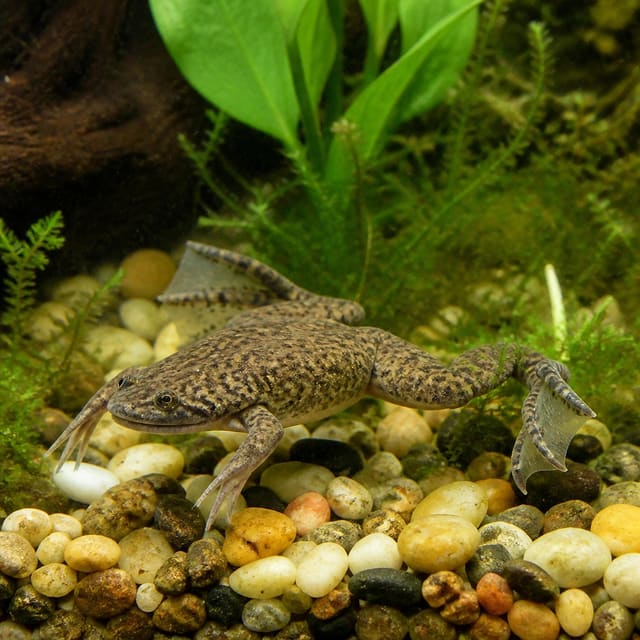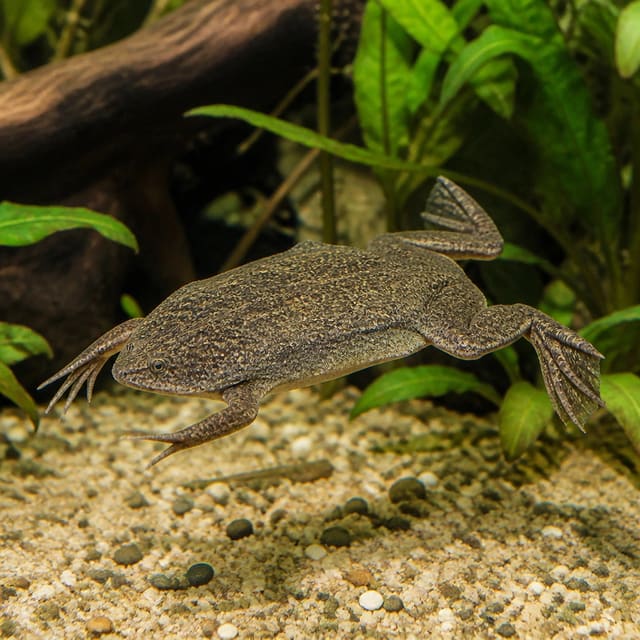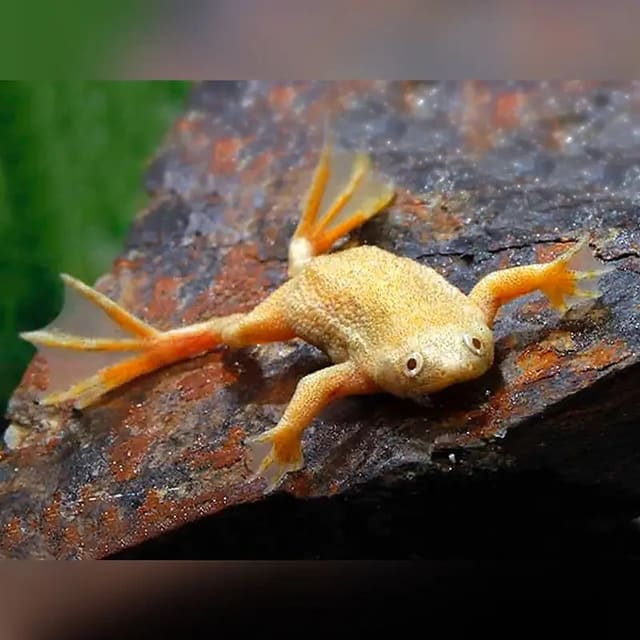
Gold African Dwarf Frog (Hymenochirus sp. 'Gold')
22–25°C · pH 7–8
£5.99
The marbled newt available for UK delivery.
Triturus marmoratus
Confirm your email, then we’ll send an availability message for this exact item if it returns within 180 days.
This request is only for this product—no newsletter or other promotions. A mail-provider retry may very rarely duplicate the same availability message. Unconfirmed addresses are removed after 48 hours. See our privacy policy.
The marbled newt available for UK delivery.
The marbled newt (Triturus marmoratus) is part of our Triturus range. The marbled newt (Triturus marmoratus) from our Triturus range. Check care, compatibility and delivery details before ordering.
The care data below is built from the trusted supplier and site catalogue fields for this exact SKU. The written guide is structured for quick checking before purchase, with the important care, compatibility and delivery points kept together.
| Scientific name | Triturus marmoratus |
|---|
The marbled newt (Triturus marmoratus) should be added to a mature, stable aquarium with suitable filtration, compatible tank mates, and enough space for the adult size of the species or strain.
The marbled newt (Triturus marmoratus) should be observed after introduction so you can spot stress, chasing or feeding problems early.
The marbled newt (Triturus marmoratus) should be matched with tank mates using the adult size, temperament, water parameters and feeding behaviour on this page. Introduce carefully and watch the first week after delivery.
Feed The marbled newt (Triturus marmoratus) with suitable aquarium foods for its group, using modest portions and watching appetite, body condition and water quality.
Only add The marbled newt (Triturus marmoratus) to a mature aquarium with stable water. When your order arrives, float and acclimate slowly, keep the lights low, and avoid feeding heavily on the first day. Watch breathing, posture, colour and appetite during the first week.
We connect the listing, SKU, care notes and stock data so you can order the exact animal shown on this page. Livestock is packed in oxygenated bags with insulation and heat packs when needed, then sent by tracked UK courier with live arrival support.
Use the facts on this page as a final check before adding The marbled newt (Triturus marmoratus) to your basket. Confirm the adult size, water conditions, feeding style and behaviour suit the aquarium you already have, then choose tank mates that will not outcompete, bully or stress it after delivery.
If you are building a new setup, let the aquarium mature first and avoid mixing livestock with very different temperature, pH or temperament needs. A careful match at the start is usually the difference between a calm community tank and avoidable losses later.
No reviews for this item yet. Bought one? Honest reviews only, good or bad.
What customers say about ordering from us
Easy website plenty of info on fish your buying great to pick a time slot
TRACEY DURRANT · 7 Oct 2026
Got some lovely fish thank you
Kevin Mackie · 7 Oct 2026
Reviews of our shop, collected by Judge.me, an independent third-party review collector. Newest first.