Moderate
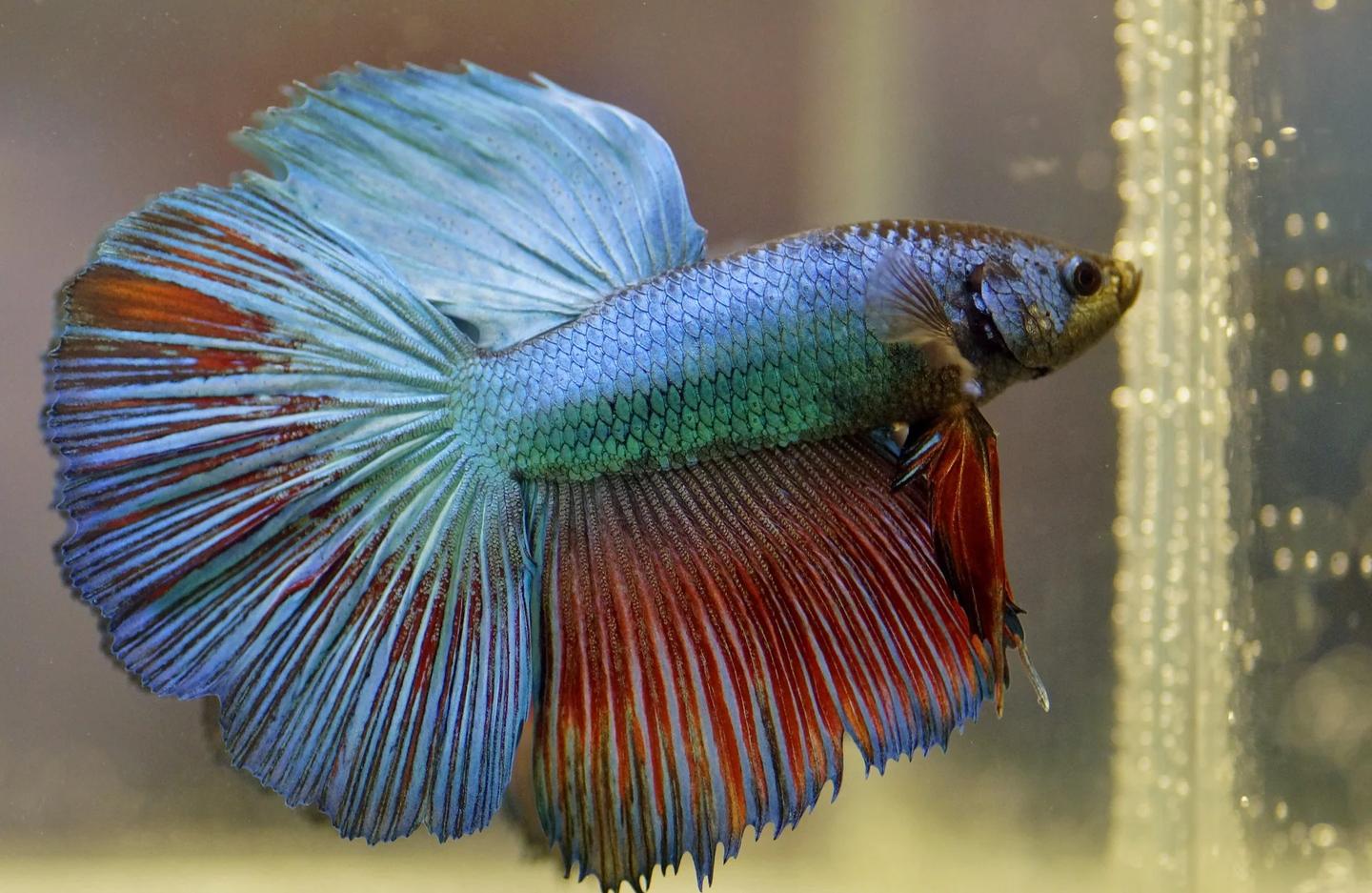
Blue Rim Plakat Male Betta (Betta splendens) XL
26–28°C · pH 6–8
£44.99

A striking large-bodied betta with metallic copper dragon scaling, best kept alone in a warm, planted aquarium with calm water and premium protein-ric.
Adult size is the maximum length this species reaches at full maturity (scientific sources). The livestock you receive will be younger and smaller. Product-photo provenance and any image-specific limitations are stated on the listing.
Betta splendens
Confirm your email, then we’ll send an availability message for this exact item if it returns within 180 days.
This request is only for this product—no newsletter or other promotions. A mail-provider retry may very rarely duplicate the same availability message. Unconfirmed addresses are removed after 48 hours. See our privacy policy.
A striking large-bodied betta with metallic copper dragon scaling, best kept alone in a warm, planted aquarium with calm water and premium protein-ric.
Adult size is the maximum length this species reaches at full maturity (scientific sources). The livestock you receive will be younger and smaller. Product-photo provenance and any image-specific limitations are stated on the listing.
For one typical domestic Betta splendens, start with at least 20 litres, a mature filter, thermostatic heater, separate thermometer, gentle flow, a secure lid with surface access, and plants or refuges. Keep one male per aquarium.
Maintain these water conditions for optimal health and vibrant colors
Copper dragon scaling on a giant frame is about as much metal as the betta hobby can put on one fish: thick, plate-like dragon scales in warm metallic copper, covering a male of around 7.5 cm from the giant line. Where standard dragons glint, a giant dragon copper glows — there is simply more armoured surface catching the light, and the copper tone shifts from bronze to near-gold as he moves.
His ratings read moderate care, semi-aggressive temperament, and his record recommends the classic solo arrangement: snails as safe company, some shrimp species possible though adults may take shrimplets. The exclusions are unambiguous — other male bettas, fin-nipping fish such as tiger barbs, aggressive or highly territorial species, large predators, long-finned fish that trigger displays, and fast boisterous tank mates that beat him to food, a real consideration for a heavier fish. The recorded tank floor is 20 litres, with 24–30 °C, pH 6.0–7.5 and 1–15 dGH water. Feed him as the carnivore he is, give the top region structure to patrol, and expect firmer territoriality toward breeding condition.
Feed him like the giant he is and light him like the metal he wears. Portions run larger than standard-male amounts — his record's warning about fast tank mates outcompeting him for food hints at his deliberate feeding style — and the copper scaling turns from handsome to spectacular under warm-spectrum light against dark decor. His 20-litre minimum is modest for a 7.5 cm fish, so treat it as the floor it is and size up where possible. Chemistry holds no surprises: 24–30 °C, pH 6.0–7.5, 1–15 dGH, weekly changes. The armoured scales are permanent genetics rather than condition, but his behaviour — deliberate patrol, confident surface feeding — is the daily readout worth learning.
Big, armoured and metallic is a combination that photographs well and looks better in person. He travels UK-wide by licensed live-animal courier with our live arrival guarantee on the journey.
No reviews for this item yet. Bought one? Honest reviews only, good or bad.
What customers say about ordering from us
I have a small group of long finned mountain minnows. So was delighted to be able to order ten of this variety to increase the genetics in my tank . The ones I recieved are healthy but it’s to early to give a verdict on wether they are of a long finned type since they are small currently.
Gordon Walker · 23 Sept 2026
100% success travel and "installation". Pleased with quality of purchase. The Siamese fighter a bit "shy" so have not yet seen him at his best yet but looking good. Happy customer. GG
George E Garratt · 21 Sept 2026
Reviews of our shop, collected by Judge.me, an independent third-party review collector. Newest first.