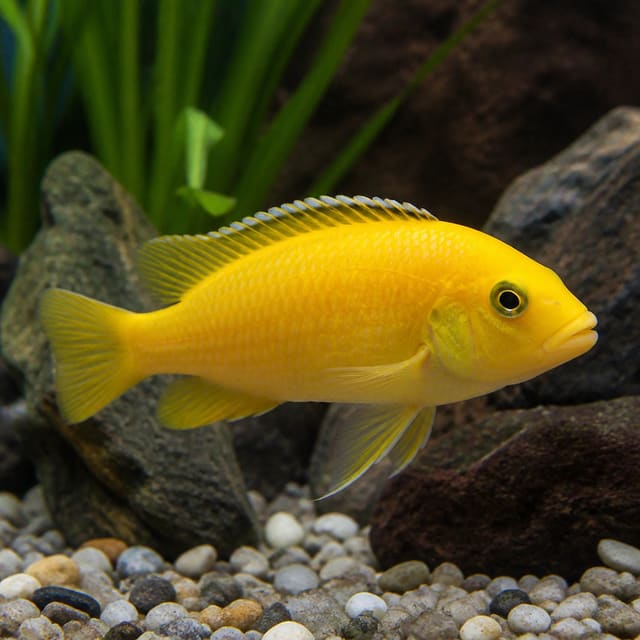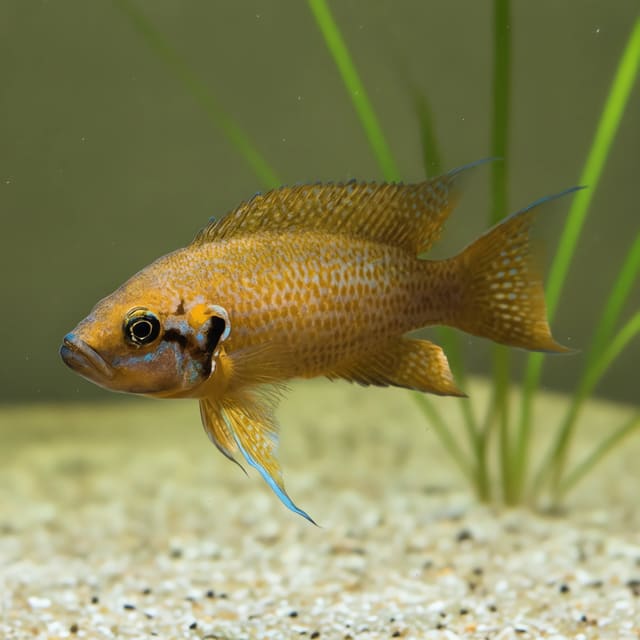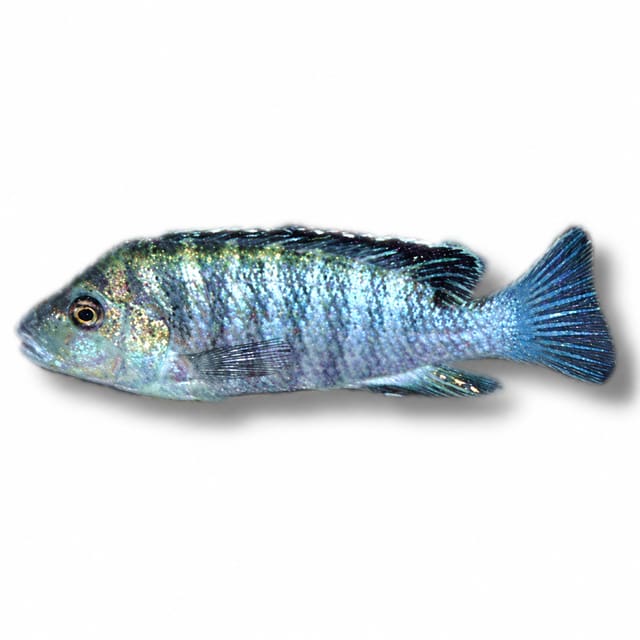
Nkali Labidochromis Mbuna (Labidochromis sp. 'nkali')
23–27°C · pH 8–8.6
£18.99

A striking Lake Malawi cichlid from Chizumulu Island, prized for its compact size, bold personality, and vibrant aquarium presence. Moderate care, semi-aggressive. 24-28C, pH 7.8-8.6.
Adult size is the maximum length this species reaches at full maturity (scientific sources). The livestock you receive will be younger and smaller — pick a size above for the actual shipping size. Product-photo provenance and any image-specific limitations are stated on the listing.
Labidochromis chisumulae
Shoaling fish: kept in a group they feel safer, stay calmer and show their best colour.
Confirm your email, then we’ll send an availability message for this exact item if it returns within 180 days.
This request is only for this product—no newsletter or other promotions. A mail-provider retry may very rarely duplicate the same availability message. Unconfirmed addresses are removed after 48 hours. See our privacy policy.
A striking Lake Malawi cichlid from Chizumulu Island, prized for its compact size, bold personality, and vibrant aquarium presence. Moderate care, semi-aggressive. 24-28C, pH 7.8-8.6.
Adult size is the maximum length this species reaches at full maturity (scientific sources). The livestock you receive will be younger and smaller — pick a size above for the actual shipping size. Product-photo provenance and any image-specific limitations are stated on the listing.
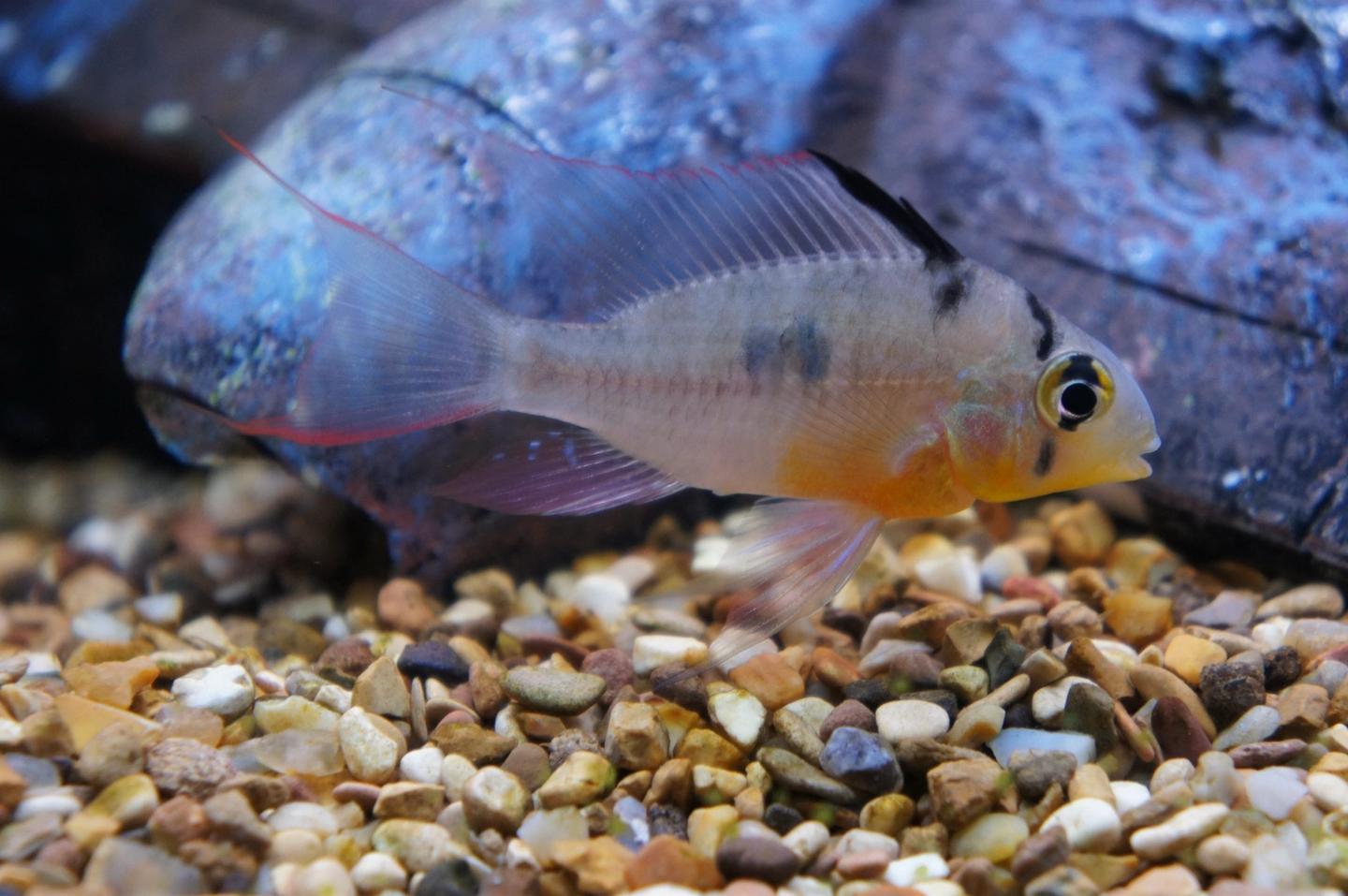
Cichlids are a family of roughly 1,800 accepted species, not one care type. Before buying, identify the exact species and source, then compare adult measurement, usable tank dimensions, social system, territory, tested water, diet and an exit plan. No family-wide minimum tank, water range or tank-mate list is safe.
Maintain these water conditions for optimal health and vibrant colors
The Labidochromis chisumulae is a striking Lake Malawi cichlid endemic to Chizumulu Island, prized for its compact size, bold personality, and vibrant aquarium presence. Reaching just 7cm in adulthood, this semi-aggressive mbuna is more manageable than larger, highly territorial species, making it suitable for aquarists with moderate African cichlid experience. Endemic to the rocky habitats of Chizumulu Island in Lake Malawi, this species thrives in hard, alkaline water and benefits from a carefully structured aquarium that provides territorial boundaries. Available to buy tropical fish uk from Tropical Fish Co, this captivating cichlid rewards dedicated keepers with engaging behavior and beautiful coloration.
Adult Labidochromis chisumulae reach approximately 7cm in length, displaying the compact, muscular build typical of Lake Malawi mbuna. The species exhibits attractive coloration with subtle variations between individuals and populations, with males typically showing more intense colors than females, particularly during breeding displays. Both sexes share the characteristic alert expression and active swimming style of Labidochromis species. The species' modest size and striking appearance make it a popular choice for Lake Malawi biotope aquariums.
This species is endemic to Chizumulu Island in Lake Malawi, Malawi, where it inhabits rocky zones and reef structures. In the wild, L. chisumulae grazes on algae and small invertebrates among the rocks, with males establishing breeding territories in preferred locations. The lake's hard, alkaline water (pH 7.8-8.6) and stable tropical temperatures (24-28°C) define the environmental parameters this species has evolved to thrive in. The high mineral content and excellent oxygenation of Lake Malawi must be replicated in captivity for optimal health.
A minimum tank size of 200 litres is required for keeping Labidochromis chisumulae, providing adequate space for territorial behavior and compatible tankmates. Structure the aquarium with extensive rockwork, creating multiple caves, overhangs, and line-of-sight breaks that allow fish to establish territories. Use limestone or ocean rock to help naturally buffer pH to alkaline levels. Provide a sandy substrate that allows fish to exhibit natural digging behavior. Ensure open swimming areas between rock structures and invest in powerful filtration, as mbuna produce significant waste and require pristine, oxygen-rich water conditions.
Maintaining hard, alkaline water is critical for this Lake Malawi specialist. Target pH between 7.8 and 8.6, with temperatures between 24-28°C. Water hardness should be elevated (minimum 12-18 dGH) to replicate Lake Malawi conditions. Invest in powerful filtration rated for at least double your aquarium volume, and perform weekly water changes of 30-40% to maintain stable chemistry and remove accumulated nitrates. Test parameters regularly using liquid test kits, as fluctuations in pH or hardness can trigger stress, aggression, or disease. Avoid soft or acidic water, which compromises immune function in these hard-water specialists.
Labidochromis chisumulae is primarily herbivorous with microphagous tendencies, grazing on algae and small organisms in the wild. In captivity, offer a staple diet of high-quality cichlid pellets or flakes with regular vegetable matter such as spirulina-based foods, algae wafers, and blanched vegetables (courgette, cucumber, spinach). Limited occasional protein foods such as brine shrimp or daphnia can be offered, but avoid overfeeding animal protein as excessive amounts can cause digestive issues and bloat in predominantly herbivorous species. Feed small portions two to three times daily, and allow some algae growth on rocks for natural grazing.
This species displays semi-aggressive, territorial behavior typical of Labidochromis species, though it is generally less aggressive than highly territorial mbuna such as Melanochromis or Pseudotropheus. Males establish territories around rock structures and may display assertively to rivals, while females and juveniles are typically less confrontational. The species is active, alert, and constantly exploring its environment. Aggression can increase during breeding, particularly toward conspecifics or similarly colored fish. Proper aquarium structure with ample line-of-sight breaks helps reduce territorial conflict.
Compatible tank mates include other similarly sized, non-aggressive Lake Malawi mbuna such as other Labidochromis species, Iodotropheus, or selected Pseudotropheus of moderate temperament. Synodontis catfish are also suitable and occupy a different ecological niche. Avoid housing with small community fish, very aggressive Malawi cichlids, delicate or slow-moving species, or shrimp and small invertebrates, all of which will be bullied or eaten. This species is best kept in specialist Lake Malawi setups where all inhabitants share similar environmental requirements.
Labidochromis chisumulae is a maternal mouthbrooder, with females incubating eggs and fry in their buccal cavity for approximately three weeks. Males establish breeding territories around rockwork and display vivid coloration to attract gravid females. After spawning, the female collects fertilized eggs in her mouth and retreats to a sheltered area, where she will not feed until the fry are released. To encourage successful breeding, provide abundant rockwork with caves and maintain a ratio of one male to several females to reduce harassment. Fry can be raised on finely crushed spirulina-based foods and newly hatched brine shrimp once free-swimming.
At Tropical Fish Co, we specialize in Lake Malawi cichlids and understand the specific care requirements of endemic species like Labidochromis chisumulae. Our fish are carefully quarantined and conditioned to ensure they arrive healthy and ready to thrive in your hard-water African cichlid aquarium. We provide expert guidance on tank setup, water chemistry, and stocking strategies to help you succeed with these beautiful and engaging cichlids. With reliable UK delivery and a commitment to quality, we're your trusted source for malawi cichlid tank mates and specialist african cichlids uk.
No reviews for this item yet. Bought one? Honest reviews only, good or bad.
What customers say about ordering from us
I have a small group of long finned mountain minnows. So was delighted to be able to order ten of this variety to increase the genetics in my tank . The ones I recieved are healthy but it’s to early to give a verdict on wether they are of a long finned type since they are small currently.
Gordon Walker · 23 Sept 2026
100% success travel and "installation". Pleased with quality of purchase. The Siamese fighter a bit "shy" so have not yet seen him at his best yet but looking good. Happy customer. GG
George E Garratt · 21 Sept 2026
Reviews of our shop, collected by Judge.me, an independent third-party review collector. Newest first.